




Weathered Stone Planter
A weathered stone planter brings the weight of centuries and genuine age directly to a garden path or terrace.
Weathered Stone Planter
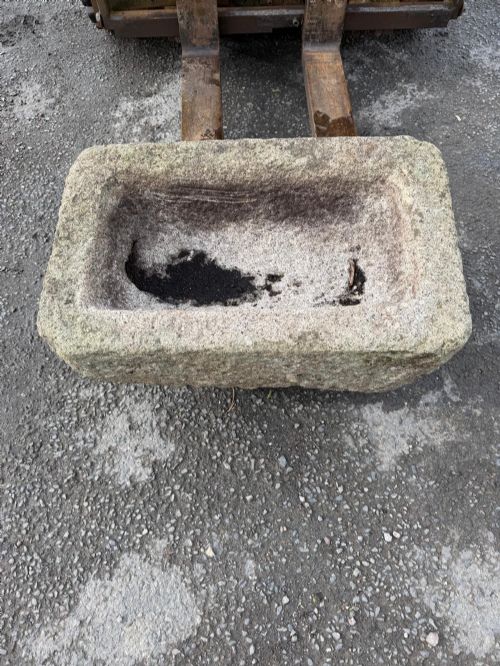
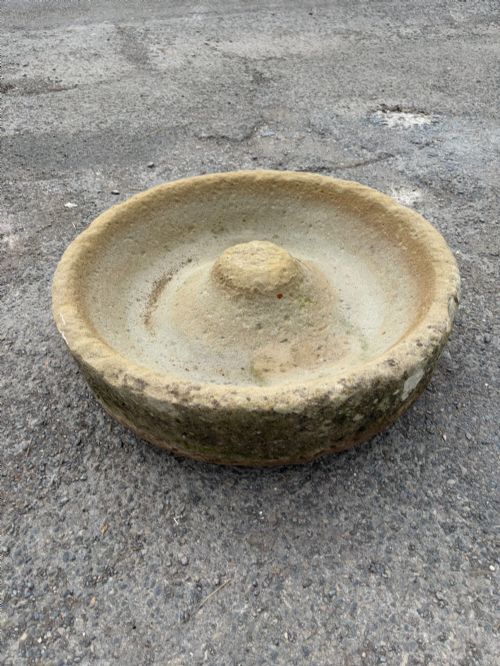
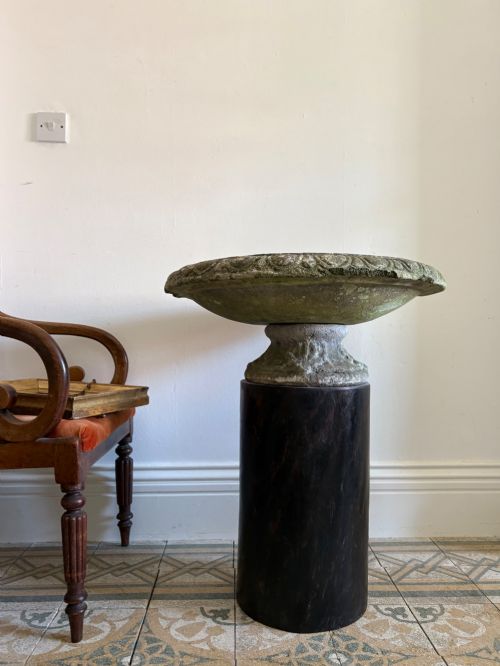
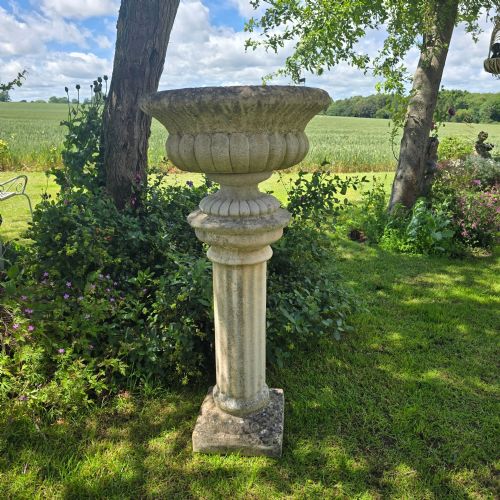
A weathered stone planter sits at the intersection of practical horticulture and architectural ornament. When you search for a weathered stone planter, you encounter robust vessels designed to hold plantings while displaying decades or centuries of exposure to the elements. The records show these objects take forms such as campana urns, square troughs, and garden pedestals.
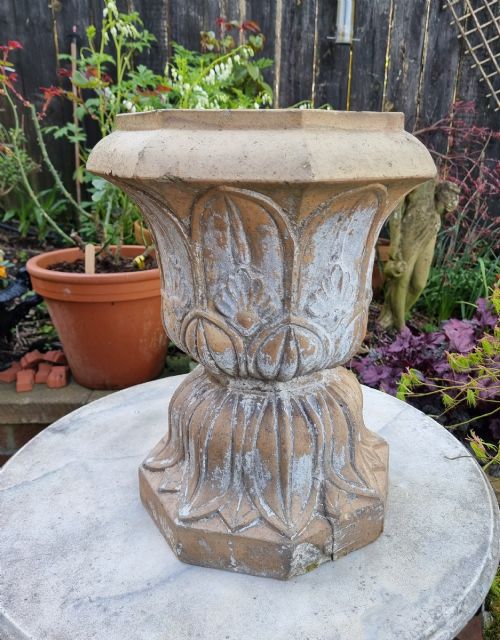
The pieces appearing on this page span several centuries and styles, ranging from 18th-century carved stone baskets to robust 20th-century cast stone examples. You are most likely to meet pieces originating from the nineteenth and early twentieth centuries, fashioned as urns, troughs, and birdbaths. These vessels carry the authentic marks of outdoor weathering across limestone, reconstituted stone, and terracotta.
Materials vary significantly across the inventory, encompassing natural stone, sandstone, composite stone, and marble. Makers and masons shaped these substances into functional objects that acquired patina through long exposure to rain, wind, and sun. Each piece functions as a focal point in a garden setting, offering both structural mass and botanical containment.
Distinctions in quality and execution
The distinction between ordinary and superior pieces rests upon the crispness of the original carving and the integrity of the material. Hand-carved 18th-century urns and troughs exhibit deliberate chisel work and anatomical precision on details like handles and swags, whereas mass-produced cast items rely on the fidelity of the initial mould.
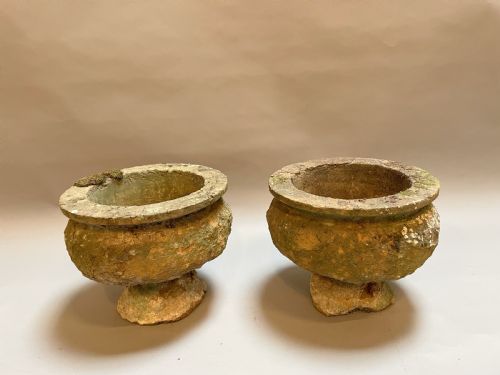
Surface patination and weathering dictate the visual authority of a planter. Natural organic growth, mineral staining, and deep frost pitting resulting from genuine age elevate a piece above uniform or artificially aged substitutes, grounding the object in its historical context.
Weathered Stone Planter Retail Price Guide 2026
Typical asking prices for weathered stone planter among the pieces listed under this phrase on Sellingantiques today, from the lower quarter to the upper quarter. They describe what is for sale here now, not the wider market.
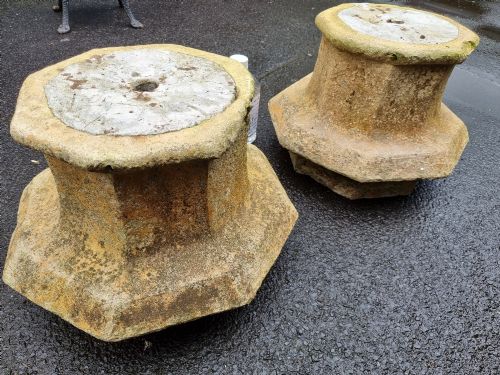
Object forms documented in the inventory range from neoclassical campana urns and birdbaths to utility troughs and mill stone bases.
The Weathered Stone Planter Glossary
- Campana urn
- A bell-shaped garden vessel with an everted rim and a pedestal base, popular in neoclassical garden design. These forms derive from ancient Roman bronze and marble prototypes.
- Reconstituted stone
- A composite material made from crushed stone or aggregate bound with cement, cast in moulds to replicate natural quarried stone. It gained widespread popularity during the nineteenth and twentieth centuries.
- Trough
- A long, shallow rectangular vessel traditionally hewn from a single block of stone for feeding livestock or holding water, later repurposed for horticulture. They are prized for their heavy walls and deep patination.
- Plinth
- A heavy architectural base or pedestal that elevates an urn, statue, or planter above ground level. They provide structural stability and visual presence in garden layouts.
- Terracotta
- A porous, unglazed baked earthenware fired from iron-rich clay, ranging in colour from buff to deep orange-red. It weathering characteristics include moss colonization and surface flaking.
Weathered Stone Planter: Frequently Asked Questions
How do I clean a weathered stone planter?
Gentle brushing with water removes loose debris without disturbing the underlying patina and accumulated lichens that define the age of the stone. Avoid harsh chemical cleaners or pressure washers that strip away historic surface textures.
Allow the stone to dry naturally after washing. Preserving the weathered skin maintains both the aesthetic appeal and the historical integrity of the material.
Can these planters stay outside in winter?
Most natural stone and cast stone vessels tolerate winter frost well if they possess adequate drainage holes to prevent expanding ice from cracking the walls. Elevating planters on pot feet stops water freezing at the base.
Terracotta and softer stone varieties require closer attention during hard freezes. Lining vulnerable vessels or moving them under shelter protects them from severe frost damage.
How do I tell cast stone from natural stone?
Natural stone displays continuous geological graining, directional tool marks, and variations unique to quarried rock. Examining the surface under magnification reveals the crystalline structure of the mineral.
Cast stone often shows a uniform aggregate matrix under surface skin, sometimes with minor air bubble voids from the moulding process. Edges on cast pieces can appear slightly softer than sharp chisel cuts on carved stone.
What plants suit an antique stone trough?
Alpine plants, dwarf conifers, and slow-growing succulents thrive in the shallow, well-drained soil conditions typical of stone troughs. These plantings complement the heavy, weathered character of the stone without overwhelming its form.
Ensure the planting medium matches the drainage requirements of the chosen flora. Adding a layer of grit at the base secures proper water movement through the container.