


Relief Carved Planter
A relief carved planter brings sculptural depth and texture to interior spaces and gardens alike, uniting form and horticulture in enduring materials.
Understanding relief carved planter options
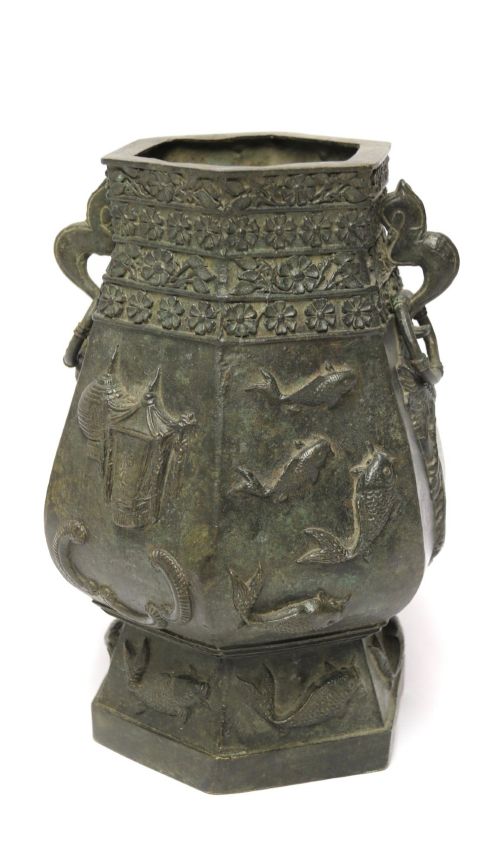
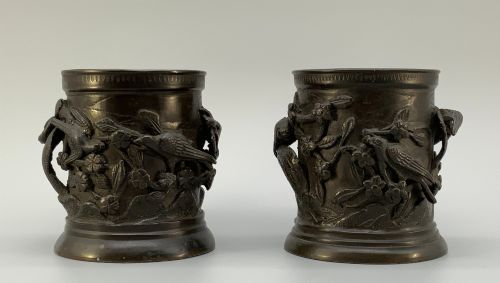
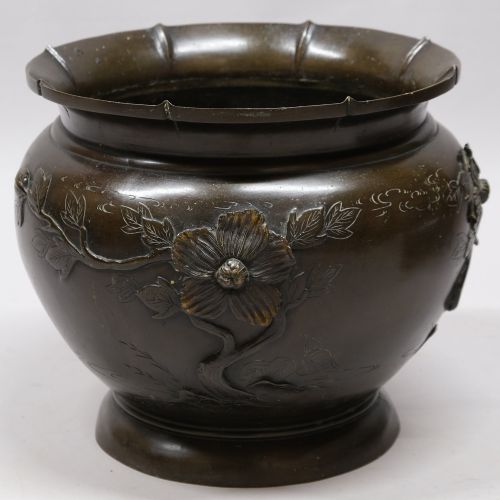
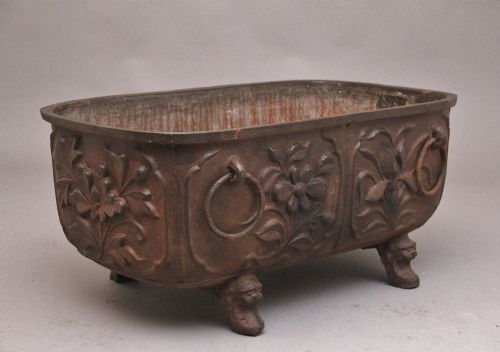
A relief carved planter incorporates raised decorative motifs carved or cast directly into the body of the vessel. These pieces function as decorative jardinières, troughs, and garden vessels designed to house plants while offering significant visual interest through their surface ornamentation.
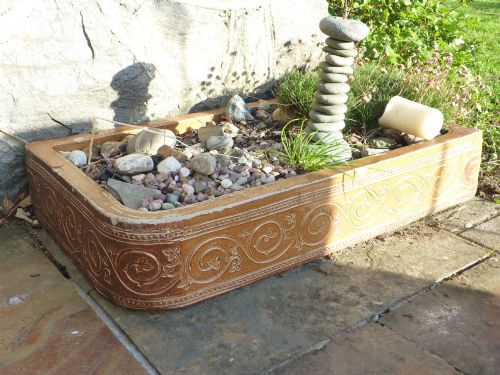
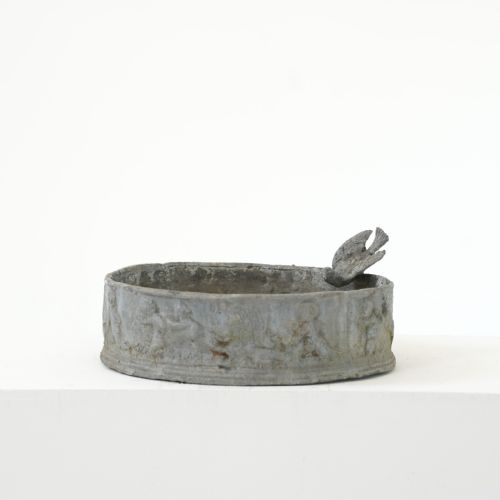
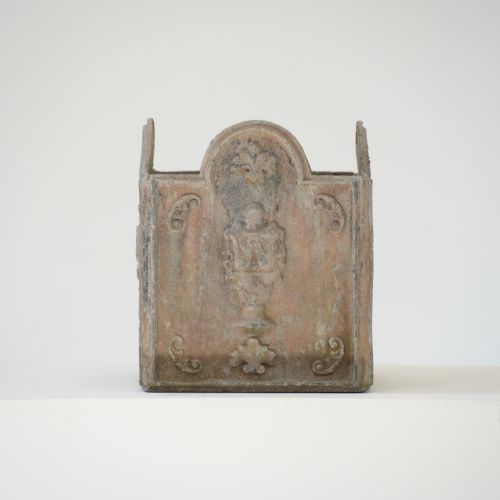
The selections available span multiple eras and origins, including 18th-century Georgian lead examples, 19th-century French salt-glazed stoneware troughs, and Chinese or Japanese bronze and cast-iron vessels. Forms range from traditional window planter troughs to substantial temple baths and oriental jardinières.
Buyers frequently encounter vessels attributed to the 19th Century and the Victorian era, alongside pieces reflecting Qing Dynasty and Meiji Period aesthetics. These items bridge utilitarian gardening needs and sculptural art, serving as focal points in period rooms and formal gardens.
Materials and construction methods
Makers utilised a diverse palette of durable materials, recording pieces cast in bronze, brass, lead, cast iron, and concrete, alongside ceramic and salt-glazed stoneware. Metal vessels often employ casting techniques that allow intricate script and high-relief ornamentation to emerge crisp and permanent.
Stone and ceramic examples rely on sculpting and moulding processes, where artisans shape composite stone or salt-glazed clay before firing or curing. The resulting surfaces display tactile depth, with carved or moulded details standing proud of the main vessel wall.
Retail Price Guide 2026
Typical UK retail prices for relief carved planter, calculated from the Sellingantiques database of over a million retail prices indexed since 2003. This retail price guide relies exclusively on Sellingantiques data; no external sources or auction records are used, so the figures do not describe the wider market.
Listings feature 19th Century, Georgian, Victorian, and 1930 periods alongside Qing Dynasty and Meiji styles.
Distinguishing quality across examples
Quality rests in the crispness and artistic ambition of the surface carving or casting. Vessels with sharply defined relief work, legible script, and harmonious proportions stand apart from simpler utilitarian containers.
The choice of material and the integrity of the patination dictate the visual weight of each piece. Heavier metals like bronze and lead develop organic patinas over time, rewarding the eye with nuanced colour shifts and authentic signs of age.
Guichard Carriès
The Relief Carved Planter Glossary
- Jardiniere
- A decorative pot or stand for holding flowers or plants, typically designed for indoor display. These vessels often feature ornate surface decoration.
- Salt-Glazed Stoneware
- Pottery that develops a vitreous, glossy, orange-peel texture when common salt is thrown into the kiln during high-temperature firing. This creates a durable finish suited to exterior planters.
- Relief Carved
- A technique where elements of the design project from a background of the same material. High relief creates strong shadow lines and a pronounced three-dimensional effect.
- Meiji Period
- The era in Japanese history spanning from 1868 to 1912, characterised by rapid modernisation and exceptional metalwork. Bronze planters from this time exhibit meticulous casting and fine detail.
Frequently Asked Questions
What is a relief carved planter?
A relief carved planter is a decorative vessel for plants featuring raised ornamentation sculpted, cast, or carved directly into its exterior walls. These objects combine functional horticulture with sculptural art.
They appear in materials such as bronze, lead, stoneware, and cast iron, originating from various periods including the Georgian and Victorian eras as well as East Asian dynasties.
Where should I place an antique jardiniere?
Antiques jardinieres work well as centrepieces on large tables, within entryways, or positioned directly on the floor depending on their scale. Indoor placements protect delicate ceramic or bronze surfaces from harsh weather.
Lead, stone, and iron variants transition easily to conservatories, patios, or formal garden settings where natural weathering enhances their historic character.
How do I identify a 19th-century planter?
Nineteenth-century planters are identified through characteristic stylistic markers such as French Art Nouveau curves, Meiji Period Japanese bronze work, or Victorian decorative motifs. Examining the material and casting technique helps confirm the era.
Many period pieces also feature maker marks, stamps, or cast script that tie them directly to specific potteries or metalwork foundries of the time.
Can these planters be used outdoors?
Many of these vessels, particularly those made of lead, cast iron, composite stone, and salt-glazed stoneware, suit outdoor garden environments. These resilient materials withstand temperature fluctuations and moisture.
Bronze and fine ceramic jardinières are generally better suited to indoor use or sheltered garden rooms to preserve their patination and prevent frost damage.