
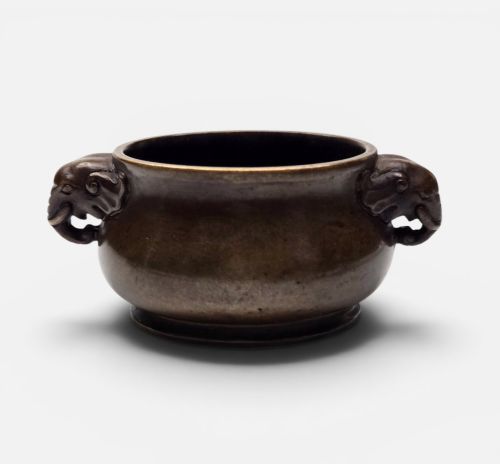

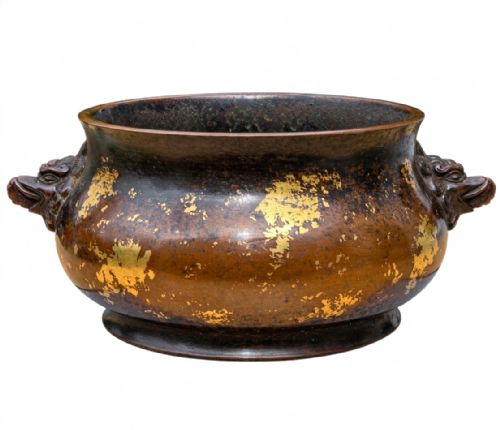

Cast Bronze Vessel
When you search for a cast bronze vessel, you are looking at centuries of foundry work designed to hold ritual wine, incense, water, or dry goods.
Cast Bronze Vessel
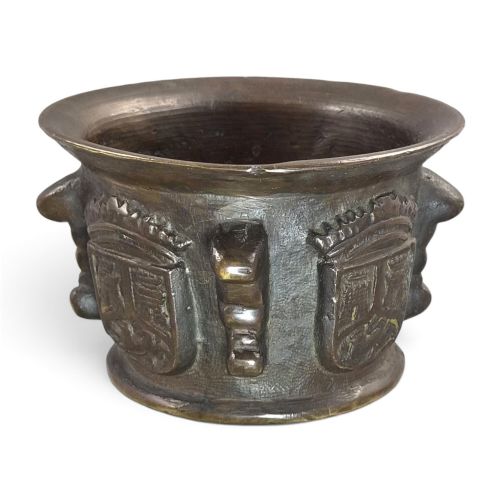
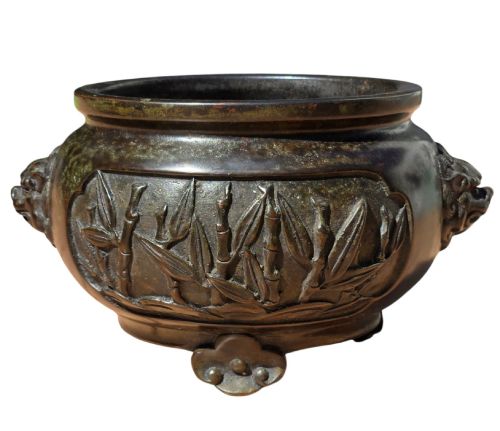
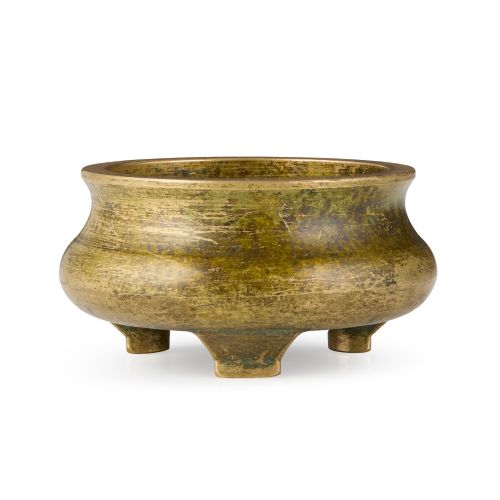
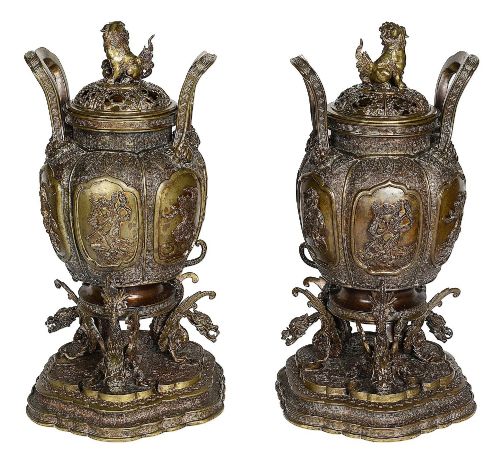
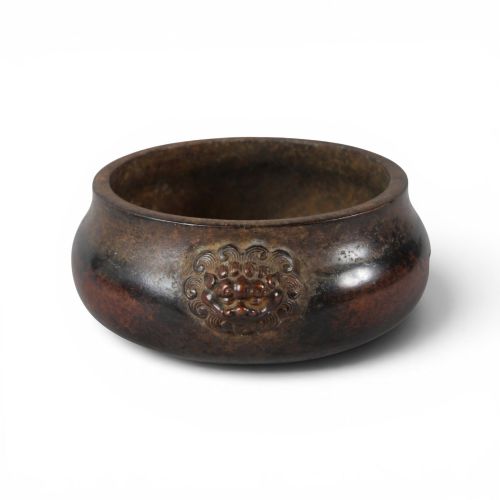
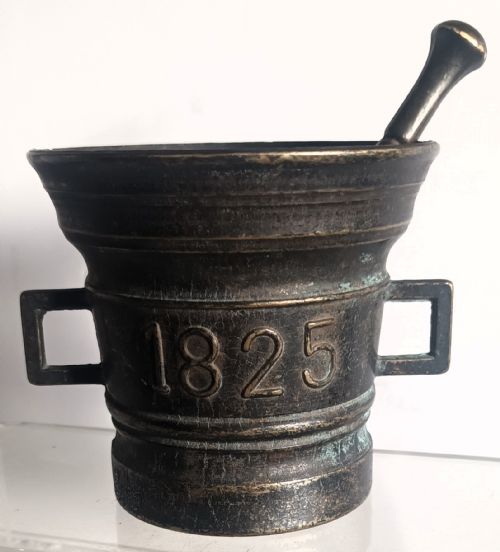
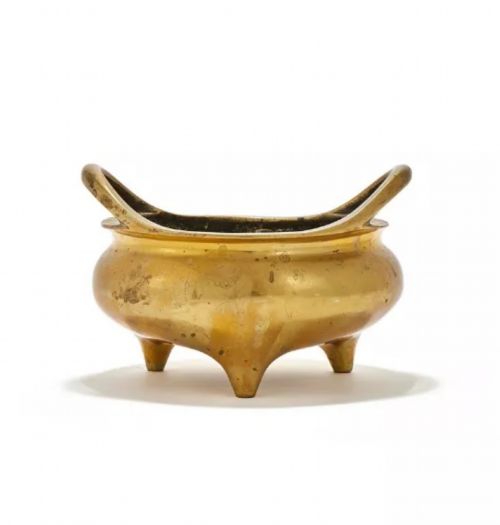
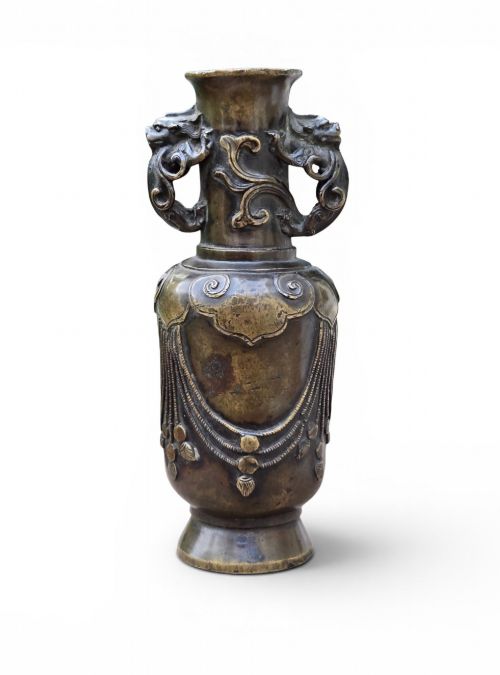
When you search for a cast bronze vessel, you encounter objects spanning centuries of domestic, ceremonial, and scholarly use. The selection contains everything from small apothecary mortars and domestic measures to monumental temple vases, ritual wine cups, and tripod censers.
Asian pieces, particularly from the Ming and Qing dynasties and the Japanese Meiji period, dominate the selection alongside European items from the Victorian and Georgian eras. You will frequently find scholars' censers, archaistic vases, and ritual vessels carrying cast marks or relief panels.
How they were made
Foundries utilised bronze, leaded bronze, copper alloy, and brass, often adding patination or gilding to alter the surface colour. Molten metal was poured into moulds using lost-wax techniques or sand casting, allowing makers to achieve heavy walls and intricate relief decoration.
Surface details such as champlevé enamel, cloisonné lids, and taotie mask handles were worked into the metal after casting. Artisans then finished the vessels with hand-chiselling, polishing, or the application of patinas to create deep tones.
Cast Bronze Vessel Retail Price Guide 2026
Typical asking prices for cast bronze vessel among the pieces listed under this phrase on Sellingantiques today, from the lower quarter to the upper quarter. They describe what is for sale here now, not the wider market.
Materials span copper alloy, brass, and patinated bronze, paired with decorative elements like champleve enamel.
What varies in quality
The standard of a cast bronze vessel rests on the crispness of its casting and the weight of the metal. Heavier pieces with thick walls and high-density metal display sharper relief panels, clearer mask handles, and superior acoustic resonance when struck.
The refinement of the surface finish also distinguishes finer examples. Master-cast items show clean seams, deliberate patination, and precise integration of decorative elements like enamel or inlaid marks without rough casting flaws.
Kibundo·Wu Bangzuo·Potter of London·House of Enríquez
The Cast Bronze Vessel Glossary
- Censer
- A vessel designed for burning incense, frequently taking a tripod form with handled sides.
- Patinated bronze
- Metal treated with chemical solutions to produce a specific surface colour or aged finish.
- Archaistic
- A style that consciously imitates the ancient ritual bronzes of earlier dynasties.
- Champlevé
- An enamelling technique where troughs are carved into the metal surface and filled with vitreous paste before firing.
- Taotie
- A zoomorphic mask motif commonly cast onto the surface of ancient and revival ritual vessels.
Cast Bronze Vessel: Frequently Asked Questions
How do I clean an antique bronze vessel?
Dust the surface gently with a soft, dry brush to preserve the patination. Avoid harsh chemical cleaners or polishes that strip away age and historical surface treatments.
Store the vessel away from direct moisture and handling oils to maintain the natural finish over time.
What is a scholar's censer?
Scholars' censers were small, portable incense burners used by literati in China and Japan for quiet contemplation and study. They were prized for their heavy cast weight, subtle patination, and refined proportions.
Many bear studio marks or low-relief designs such as floral panels or animal masks on the body.
Are these vessels water tight?
Many historical vessels, particularly ritual wine pots and temple vases, were cast as solid containers. However, micro-fractures can develop in older metal over centuries of use.
Test the vessel carefully with room temperature water before placing it on delicate furniture if you intend to use it as a flower vase.
How can I tell the period of a bronze?
Examine the casting quality, the composition of the alloy, and the style of any relief work or maker marks. Ming and Qing pieces often feature specific archaistic forms and studio inscriptions.
European Victorian and Grand Tour pieces typically copy classical or Gothic motifs with distinct nineteenth-century foundry marks.