
Chinese Incense Burner
A Chinese incense burner brings centuries of contemplative ritual into your space through masterwork metalwork and archaic forms.
Chinese incense burner
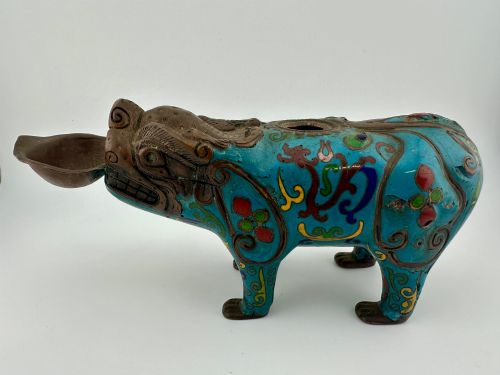
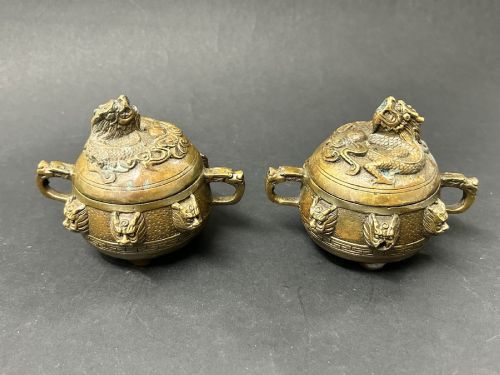
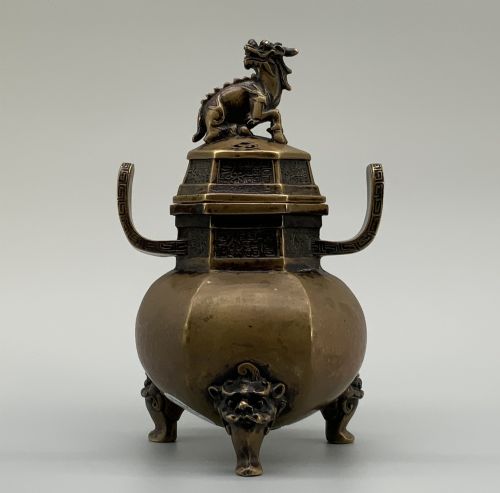
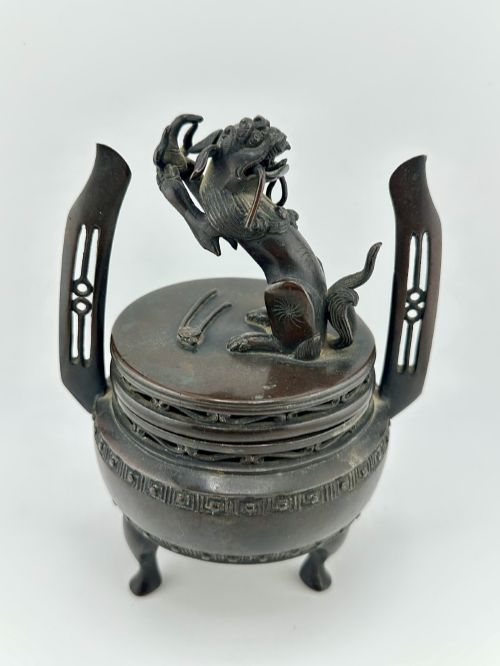
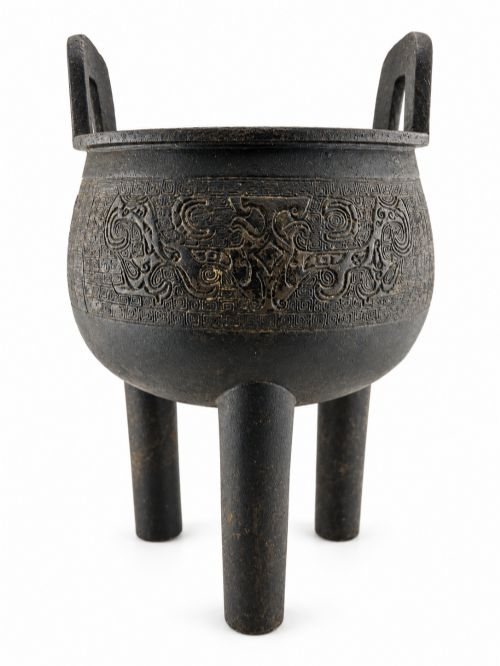
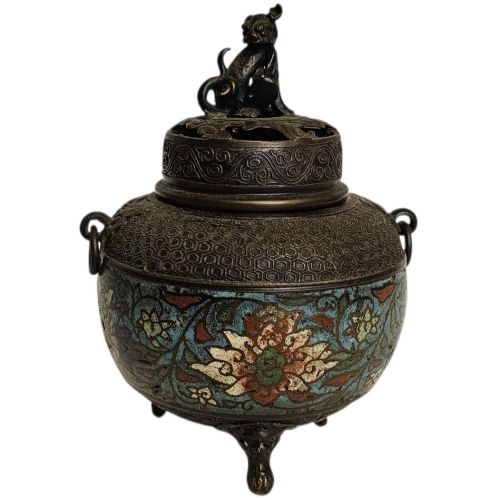
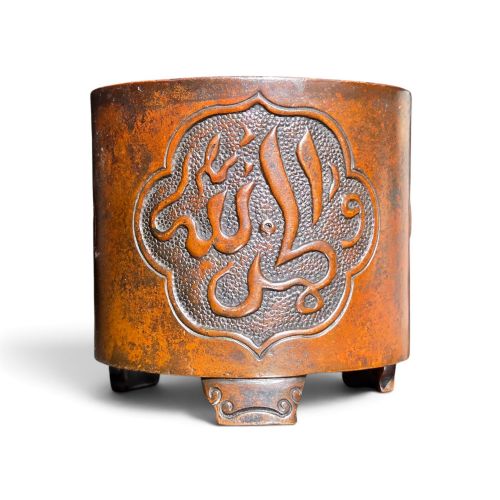
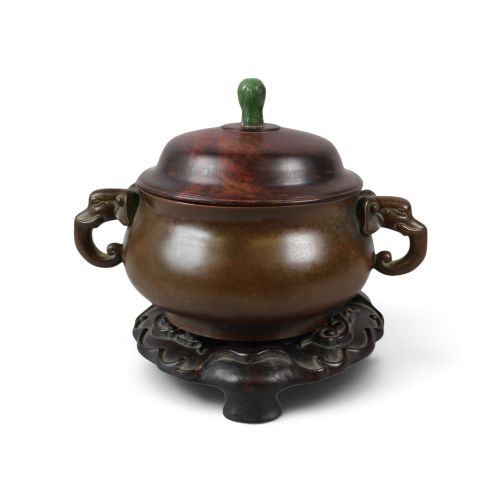
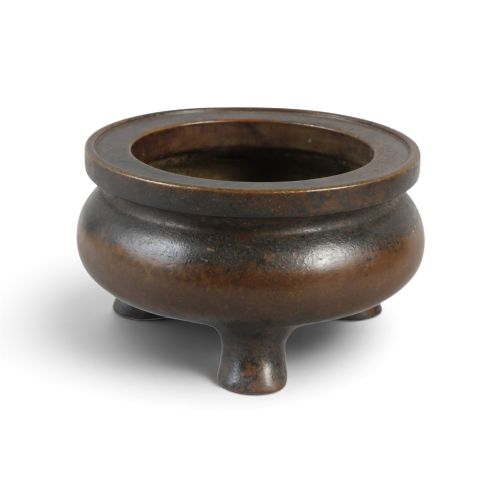
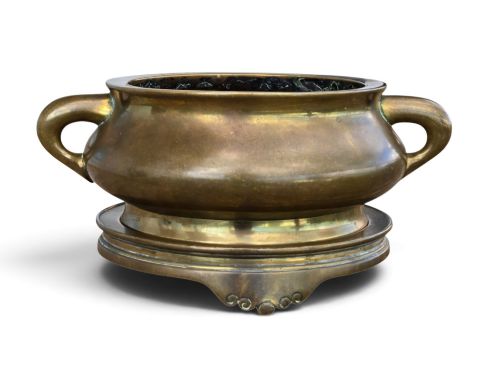
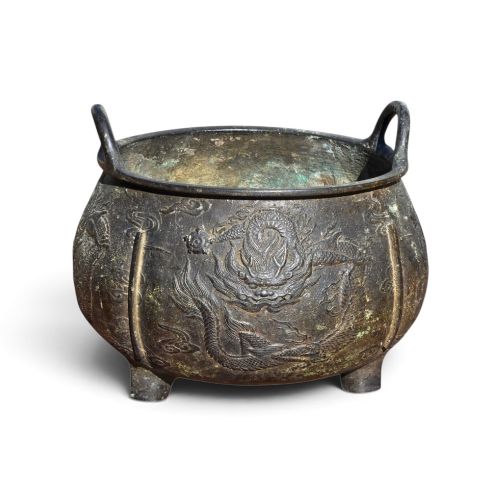
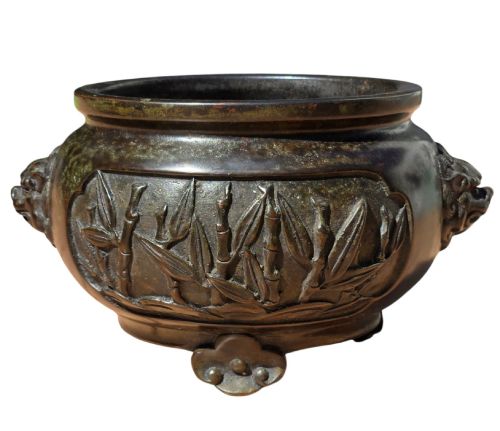
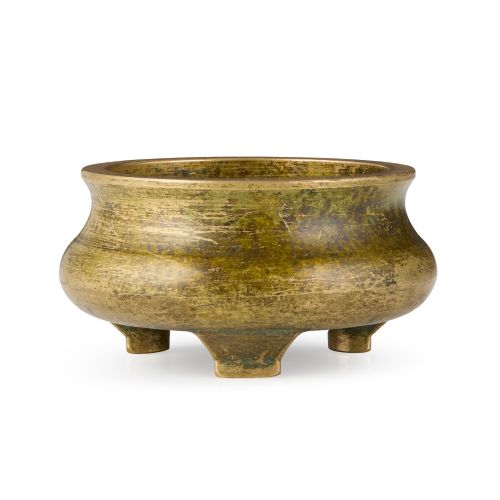
A Chinese incense burner takes the form of a tripod censer, a desk vessel, or a figural sculpture shaped as an elephant, temple lion, or pagoda. These pieces serve scholar's desks and domestic interiors, offering a direct link to historical dynasties.
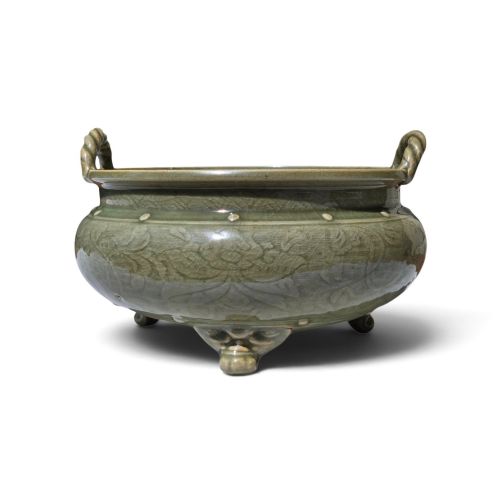
The evidence shows forms ranging from heavy bronze tripod censers with Xuande marks to celadon-glazed stoneware and antimony pairs. Pieces originate from periods spanning the Ming dynasty through to the late Qing and nineteen hundred.
Collectors encounter smaller miniature vessels alongside monumental bronze censers weighing several kilograms. Each example displays the traditional craftsmanship associated with historical Chinese metalwork and ceramic production.
Materials and Techniques
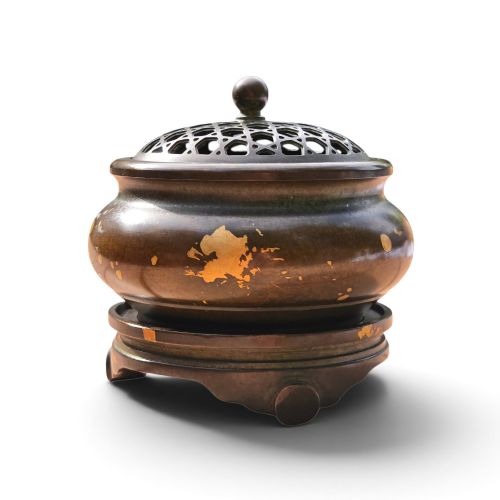
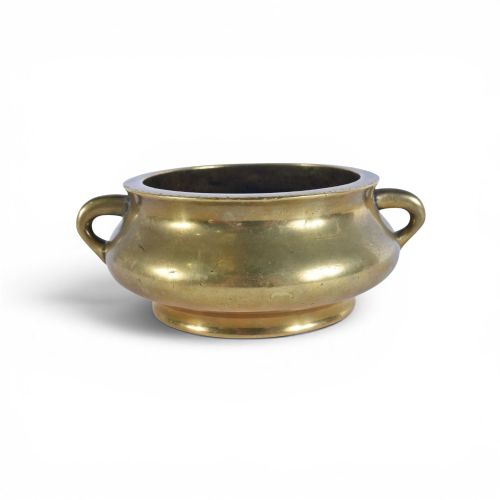
Maker's workshops utilise bronze, heavy brass, copper alloy, antimony, and metal alloy, frequently applying gold gilding or creating gold-splashed surfaces. Stoneware examples feature celadon glazes applied over pottery bodies.
Techniques involve precision casting to achieve detailed lion-mask handles, dragon motifs, and geometric hexagonal tripod structures. Artisans finish many vessels with patination to accentuate the texture of the metal.
Retail Price Guide 2026
Typical UK retail prices for chinese incense burner, calculated from the Sellingantiques database of over a million retail prices indexed since 2003. This retail price guide relies exclusively on Sellingantiques data; no external sources or auction records are used, so the figures do not describe the wider market.
Listings feature pieces fashioned from bronze, brass, antimony, and celadon glazed stoneware across the Ming and Qing dynasties.
Assessing Quality
Quality rests upon the crispness of the cast ornamentation, such as the definition in dragon scales, lion masks, and archaic seal marks. Heavier, substantial castings generally indicate superior material density and structural integrity.
The depth and warmth of the patina contribute significantly to the visual merit of a metal censer. Subtle surface treatments like gold-splashing elevate the refinement of the scholar's desk pieces.
Wu Bangzuo·Xuande Mark
The Chinese Incense Burner Glossary
- Censer
- A vessel designed for burning incense during ritual or scholarly pursuits. These pieces often include fitted covers.
- Tripod
- A vessel supported by three feet, commonly seen on ancient bronze forms. This configuration ensures stability on desk surfaces.
- Celadon
- A transparent green glaze applied to stoneware, originating in historic kilns such as Longquan. The finish mimics the appearance of jade.
- Patina
- The surface sheen and coloration developed through age and handling. A desirable patina adds depth to bronze and brass.
- Xuande
- A historic Ming dynasty emperor whose reign became a benchmark for bronze casting excellence. Markings bearing his name denote a style of high regard.
Frequently Asked Questions
How do I date a bronze censer?
Dating relies on stylistic markers, casting weight, and the presence of dynastic reign marks such as those from the Xuande or Qing periods. Comparing the patination and alloy composition to known historic examples helps confirm the era of production.
Examination of handle styles, such as lion masks or dragon motifs, also provides clues to the manufacturing decade or century.
What was the purpose of a scholar censer?
Scholar censers were placed upon desks in traditional Chinese studies to burn aromatic woods or powders during writing and meditation. They created a focused atmosphere conducive to scholarly contemplation.
These smaller vessels were prized for their tactile qualities and subtle aesthetic contribution to the room.
Are all censers made of bronze?
While bronze is the predominant metal found in these historic vessels, makers also utilised heavy brass, copper alloy, antimony, and metal alloy. Additionally, ceramic examples featuring celadon glazes appear within the tradition.
Each material imparts a distinct weight, colour, and tactile quality to the finished object.
How should I display a censer at home?
Censers look best placed on flat surfaces where their form and patina can be appreciated up close, such as a desk, mantelpiece, or dedicated display table. Some pieces retain their original carved hardwood stands, which provide an elevated presentation.
Positioning them away from direct moisture protects the metal and any delicate surface finishes.