
Dark Bronze Vessel
These dark bronze vessel examples bring heavy cast metal and patinated surfaces straight from historical interiors into modern spaces.
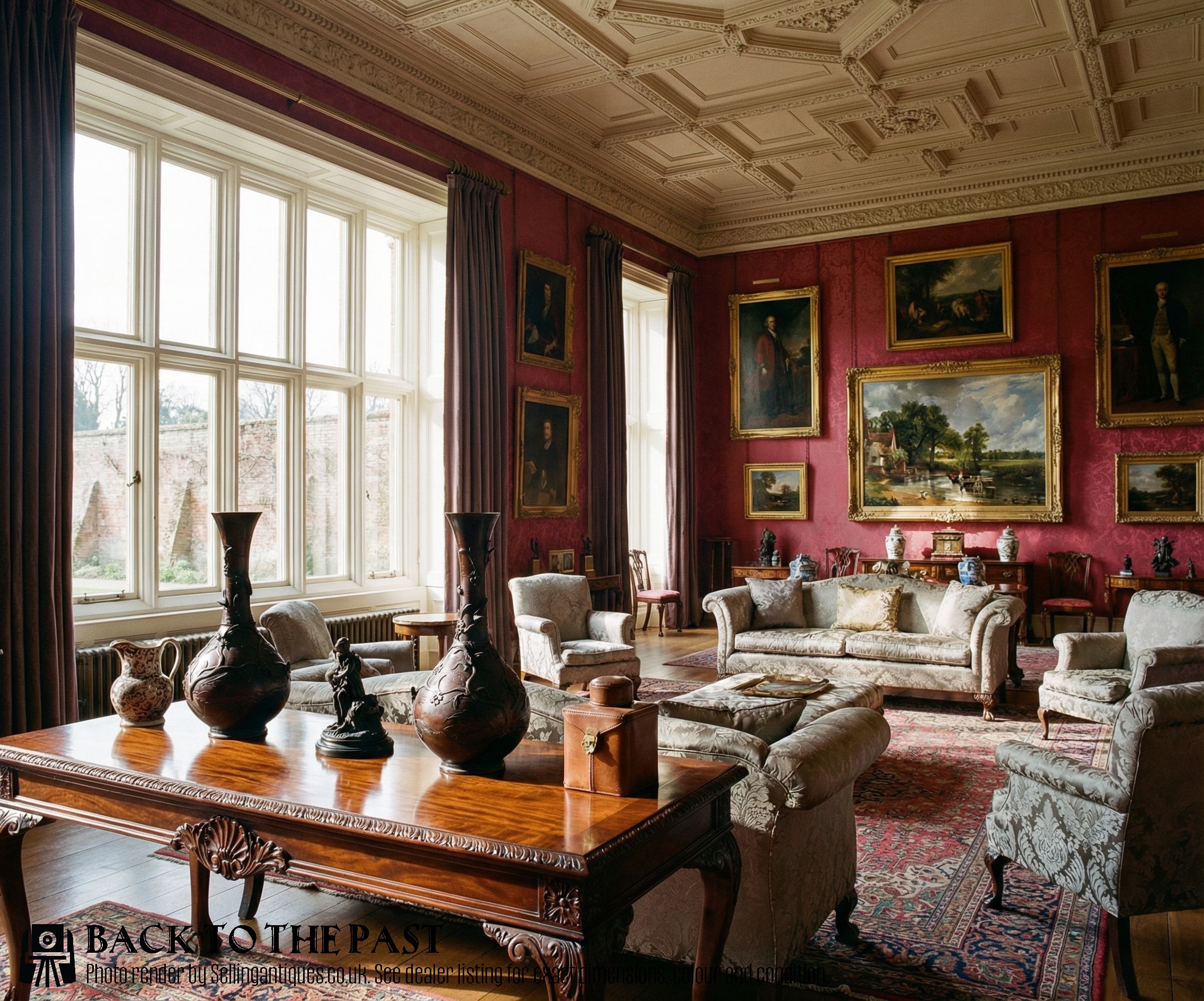
Identifying a dark bronze vessel
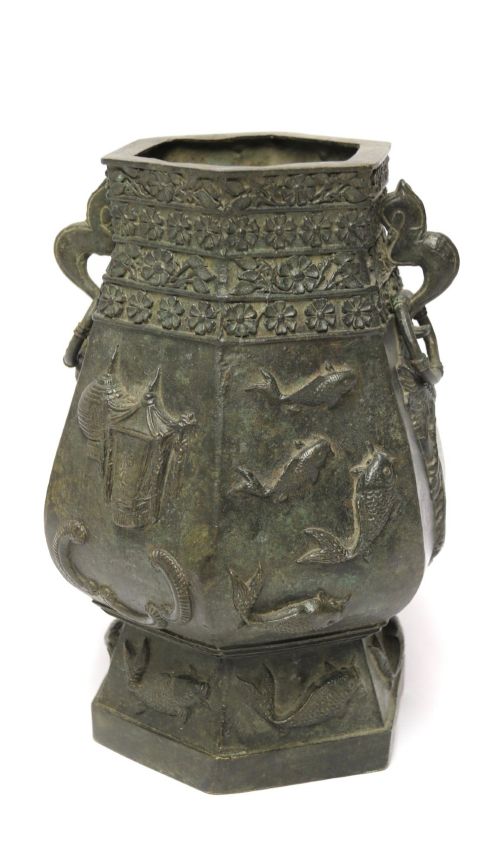
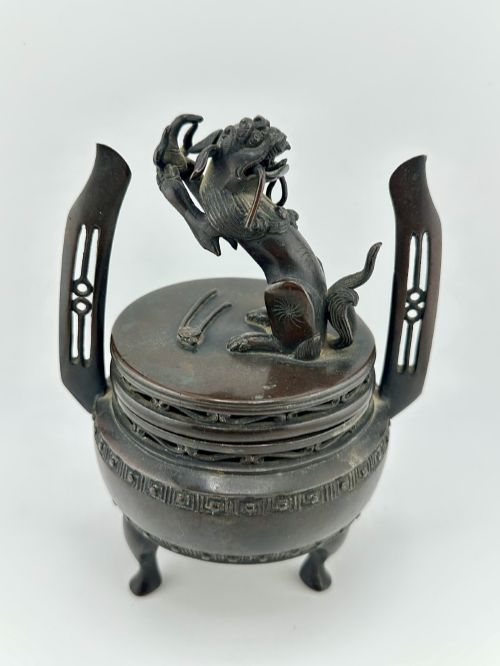
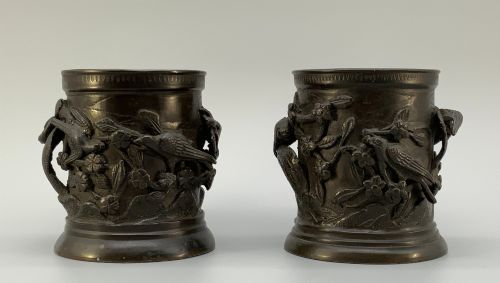
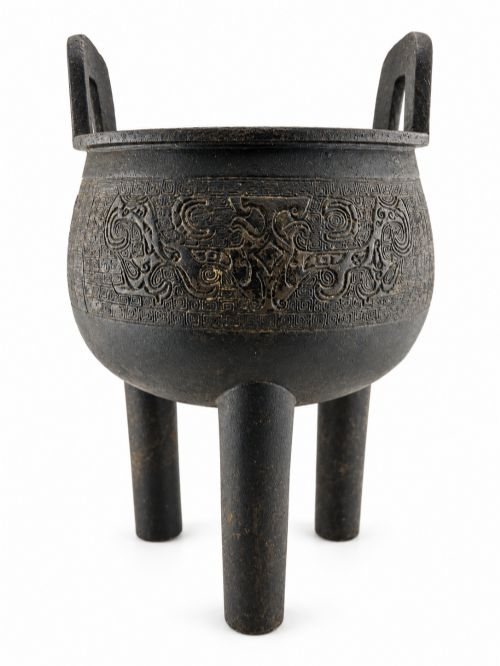
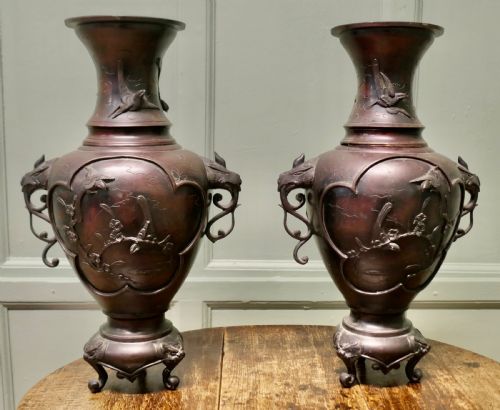
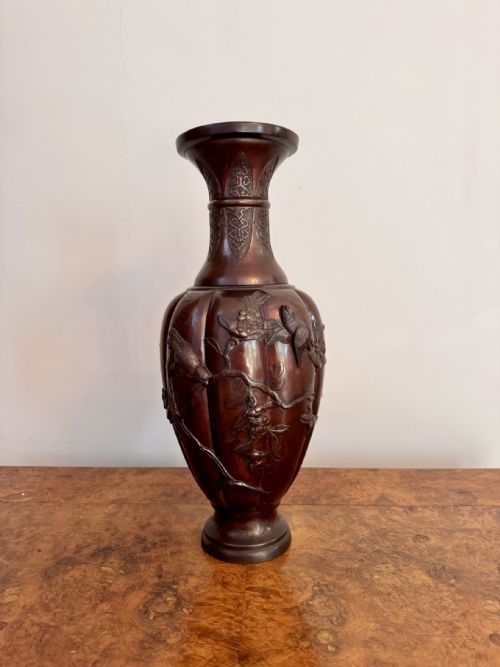
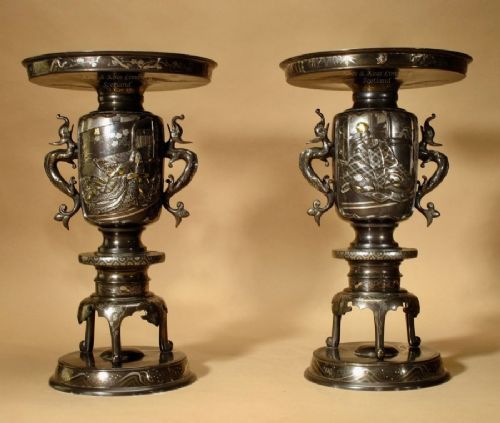
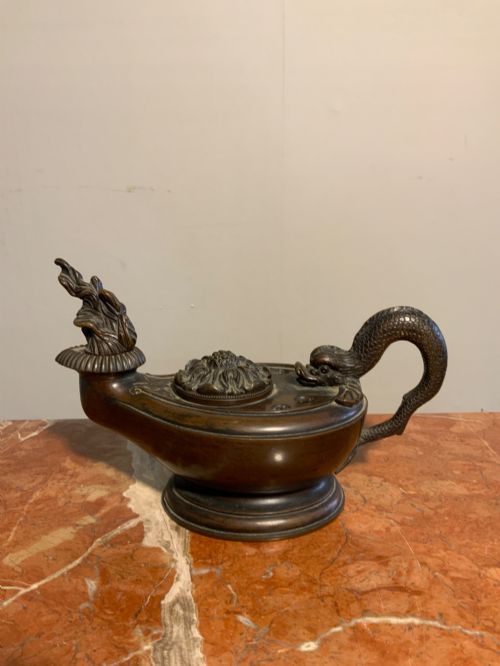
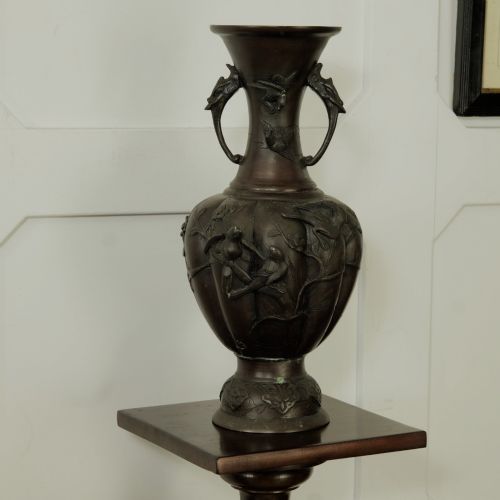
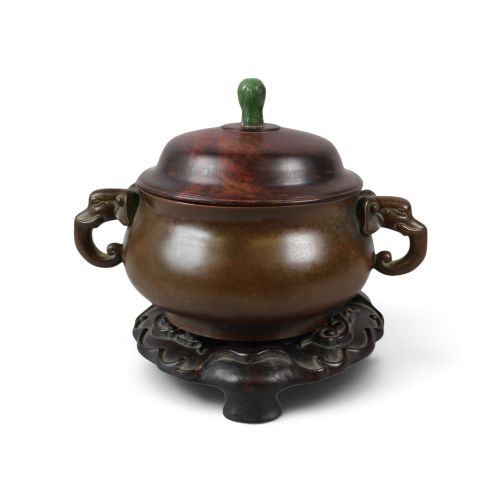
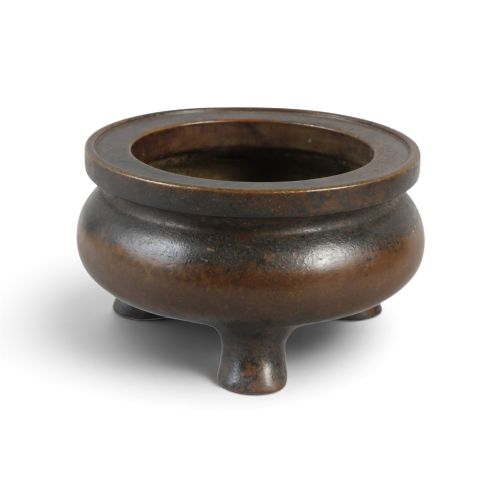
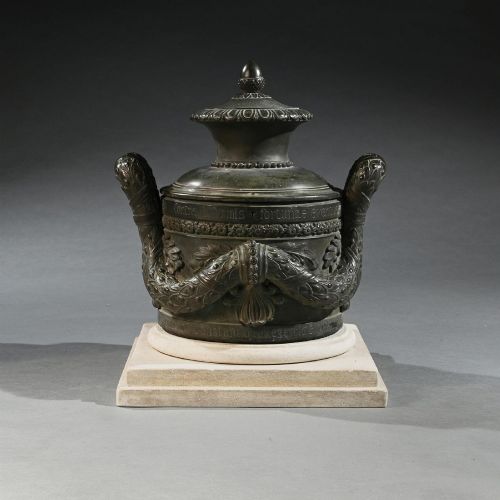
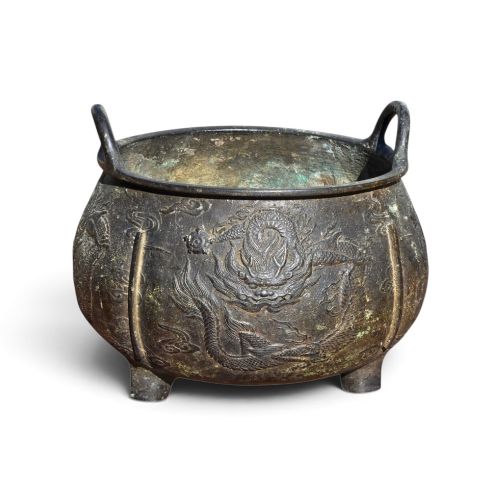
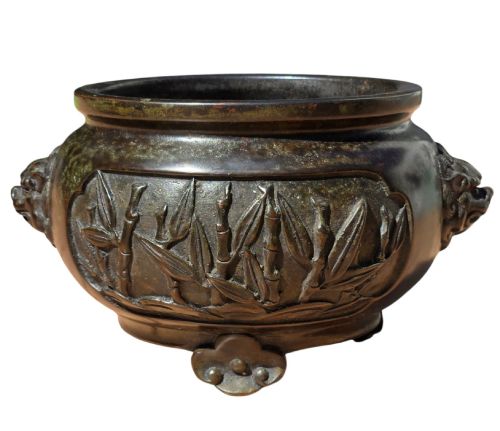
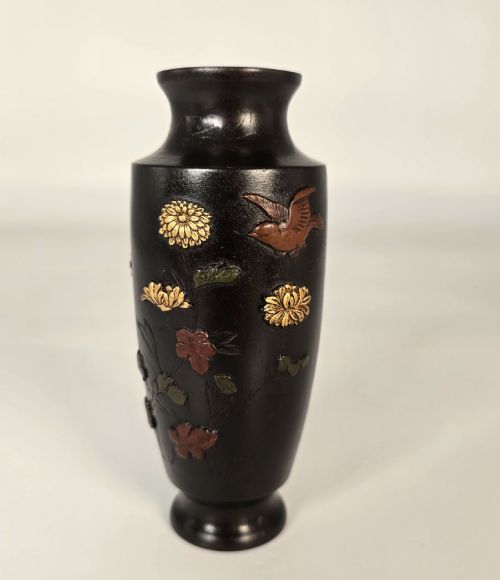
A dark bronze vessel encompasses heavy cast pieces ranging from Japanese Meiji period vases and censers to Spanish Baroque apothecary mortars and Grand Tour classical reductions. Buyers seeking a dark bronze vessel will frequently encounter Japanese works featuring mixed metals, cloisonné, or carp motifs alongside European classical revivals.
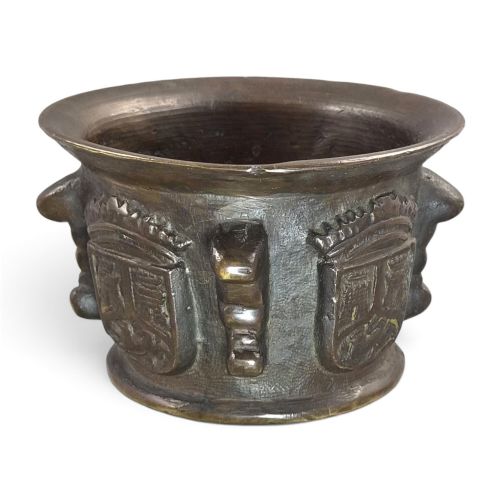
The forms span utilitarian apothecary mortars bearing armorial crests, large ritual censers, and decorative urns or jugs depicting figures such as Dionysus. Originating across the seventeenth, eighteenth, and nineteenth centuries, these objects demonstrate diverse cultural traditions unified by a deep metallic finish.
Materials and construction
Makers utilised bronze, cast bronze, and copper alloy, sometimes incorporating gold, silver, and enamel details. These materials provide the substantial weight and bell-ring resonance found in heavier cast pieces.
Surfaces achieve their characteristic appearance through natural or induced verdigris patina, heavy patination, and mixed metal inlay techniques applied during casting and finishing.
Retail Price Guide 2026
Typical UK retail prices for dark bronze vessel, calculated from the Sellingantiques database of over a million retail prices indexed since 2003. This retail price guide relies exclusively on Sellingantiques data; no external sources or auction records are used, so the figures do not describe the wider market.
Assessing quality
Quality rests in the precision of the casting and the depth of the patination, distinguishing mass-produced souvenirs from master-cast examples with clear acoustic resonance. Superior pieces display crisp detailing in figural handles, armorial bearings, or inlaid mixed metal panels.
The integrity of the form and the preservation of original patinated surfaces dictate the standing of an item. Greater artistic ambition in decorative motifs elevates an individual vessel above standard utilitarian production.
The Dark Bronze Vessel Glossary
- Patina
- The surface coloration and sheen developed through age or chemical treatment. A heavy patination alters the tactile and visual depth of the metal.
- Grand Tour
- A cultural journey undertaken by nineteenth-century travellers who collected classical reductions like ancient vases as souvenirs. These reductions interpret earlier antiquities through contemporary manufacturing methods.
- Cloisonné
- An enamelling technique where thin metal wires form cells that hold vitreous paste. This decoration appears alongside bronze on late nineteenth-century examples.
- Apothecary Mortar
- A heavy bowl used for grinding medicinal substances. Spanish examples often feature cast armorial arms and dense bronze walls.
Frequently Asked Questions
What is a dark bronze vessel used for?
These pieces functioned variously as ritual incense burners, medicinal grinding bowls, decorative urns, and pouring jugs. Their robust construction suited both domestic display and practical tasks.
Today, they serve primarily as decorative objects or sculptural focal points within a room, retaining their historical character and weight.
How do I care for my dark bronze vessel?
Keep the metal away from direct moisture and chemical cleaners to preserve the original verdigris or dark patina. Dust gently with a dry, soft cloth.
Avoid aggressive polishing, which removes historical surface layers and diminishes the visual depth of the cast metal.
How can I tell the period of a bronze vessel?
Examine the casting quality, the style of any decorative motifs, and the composition of the metal alloy. Nineteenth-century Japanese pieces often display distinct Meiji period signatures or mixed metal techniques.
Earlier European items, such as seventeenth-century Spanish mortars, exhibit specific armorial bearings and simpler, utilitarian forms reflecting their manufacturing era.
Why do some bronze vessels have green spots?
The green coloration is verdigris patina, formed through the oxidation of copper alloys over extended periods. This layer develops naturally through environmental exposure or through intentional chemical application by the maker.
Collectors often value this patination for confirming the age and authenticity of the copper alloy surface.