

Meiji Period Urns
Meiji period urns and related vessels bring together precise Japanese metalwork, earthenware and porcelain produced during the late nineteenth and early twentieth centuries.
Meiji Period Urns
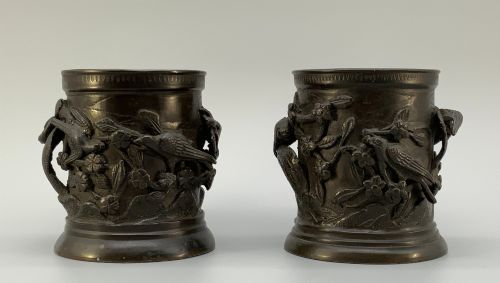
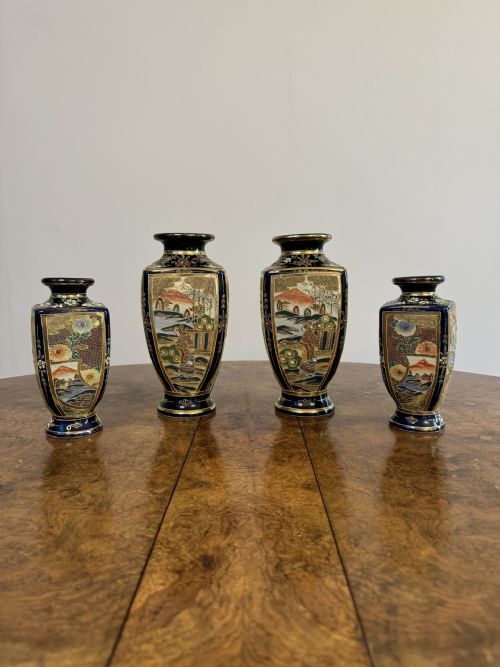
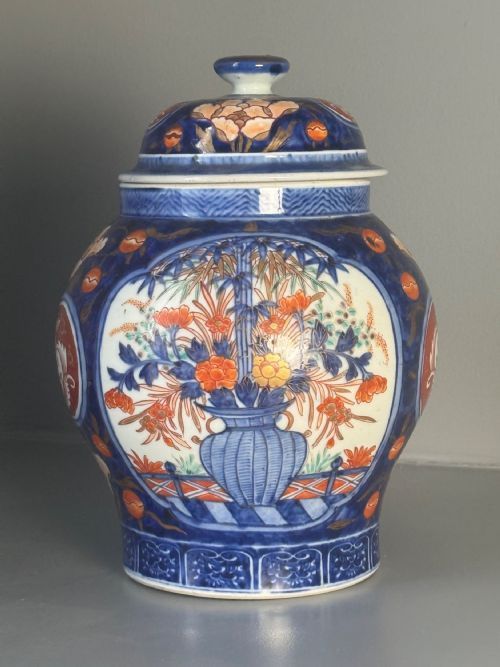
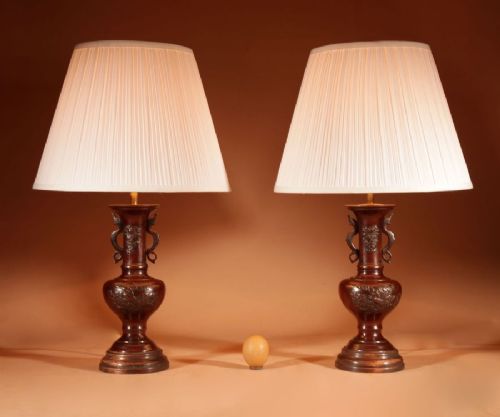
When searching for meiji period urns, buyers encounter a variety of decorative Japanese vessels, including bronze lidded urns, incense burners and large ceramic vases produced under the Meiji style and Meiji Taisho period categories. The forms span floor standing pieces, table lamps and ginger jars alongside traditional baluster shapes.
The material palette is diverse, featuring bronze, brass, porcelain and earthenware decorated with glaze, enamel, gold leaf and gilt fabric details. Many pieces date from the nineteenth century through to the early decades of the twentieth century, reflecting the output of notable workshops and makers.
Materials and construction
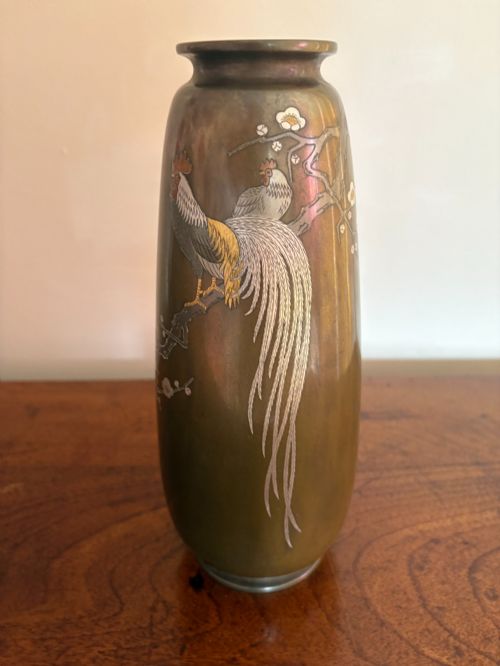
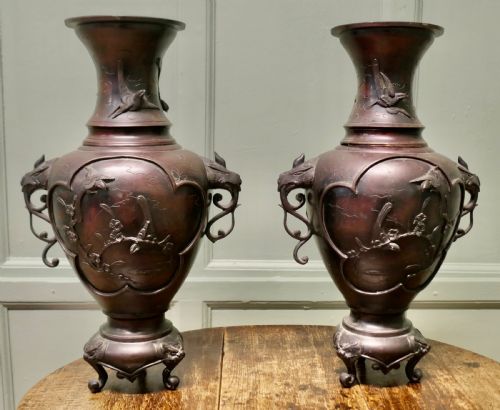
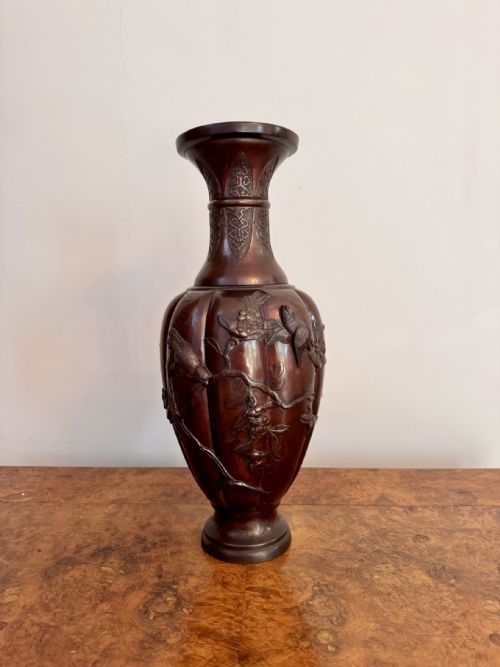
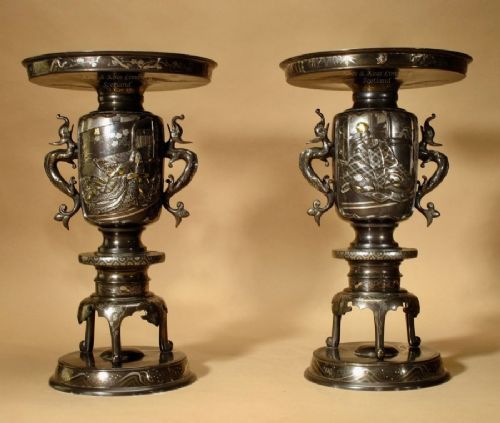
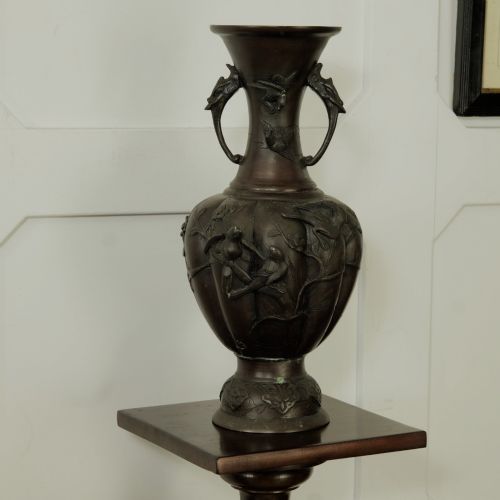
Bronze and brass vessels often utilise inlay techniques, combining metal surfaces with contrasting metallic elements to create detailed pictorial or geometric motifs. Ceramic production relies on porcelain and earthenware bodies, shaped into floor vases and smaller decorative vessels before receiving elaborate hand-painted glazes.
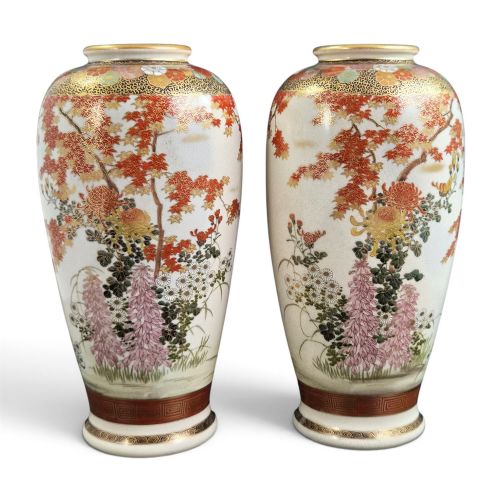
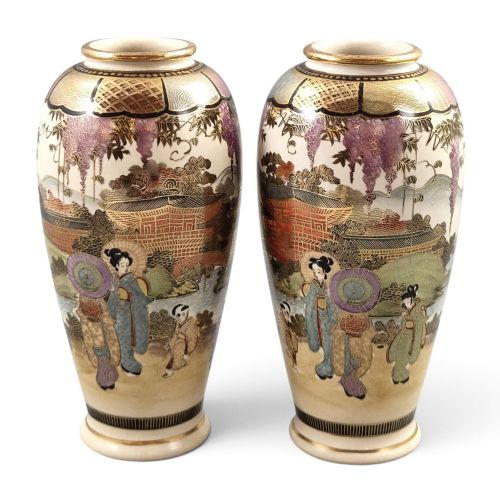
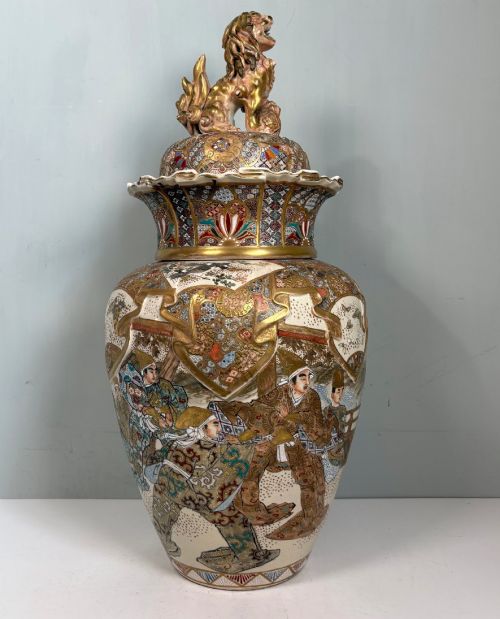
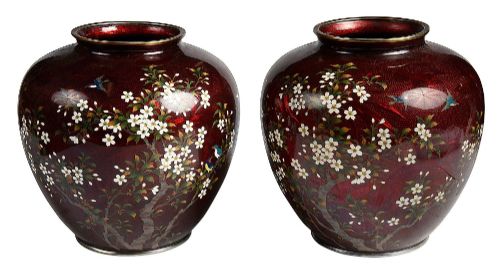
Surface ornamentation incorporates champlevé enamel, cloisonné wirework and gold leaf accents applied over fired ceramic or metal foundations. These applied finishes define the characteristic visual depth found across Satsuma, Imari and Kutani pieces.
Meiji Period Urns Retail Price Guide 2026
Typical asking prices for meiji period urns among the pieces listed under this phrase on Sellingantiques today, from the lower quarter to the upper quarter. They describe what is for sale here now, not the wider market.
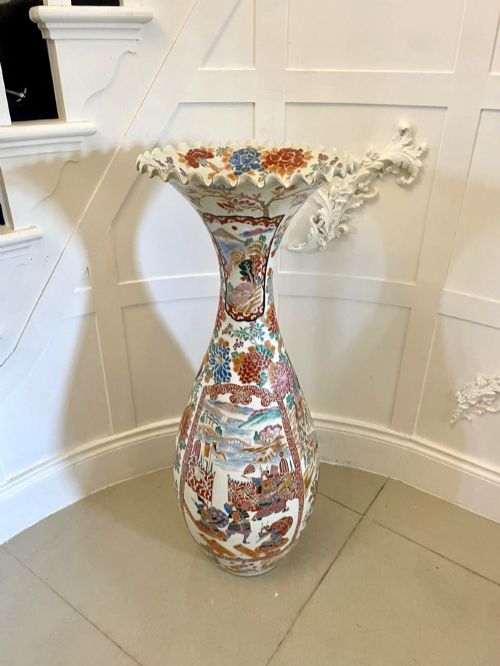
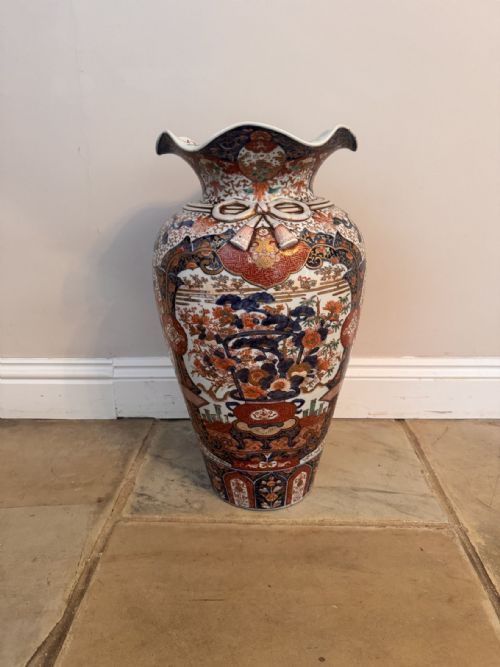
One towering Imari floor standing vase reaches a height of four feet ten inches, dwarfing standard tabletop vessels.
Distinguishing quality
The standard of execution in bronze work is seen in the precision of inlaid details and the crispness of cast bird, blossom or figurative motifs. Superior ceramic pieces demonstrate disciplined brushwork in Satsuma enamel designs and carefully controlled firing across large Imari floor vases.
Signatures by recognised workshops or individual makers provide a benchmark for superior execution, distinguishing workshop production from standard commercial output. The complexity of sculptural elements, such as applied dragons or landscapes, further separates standard vessels from exceptional examples.
KANASAWA·Kinkōzan Workshop·Hotoda·MAKUZU KOZAN
The Meiji Period Urns Glossary
- Meiji Period
- The era in Japanese history spanning from 1868 to 1912, characterised by opening trade with the West and distinct artistic production. Pieces from this time often bear traditional motifs executed with new industrial techniques.
- Satsuma
- A type of Japanese earthenware featuring an ivory-coloured, crackle-glazed ceramic body painted with polychrome enamels and gilding. These vessels frequently depict figures, flora and fauna.
- Imari
- Japanese porcelain decorated in underglaze blue and overglaze red, gold and other colours, typically featuring complex floral and geometric patterns. It was extensively exported during the Meiji era.
- Champlevé
- An enamelwork technique where recesses are carved into a metal surface and filled with vitreous enamel before firing. The resulting design sits flush with the surrounding metal boundaries.
- Baluster
- A vase shape with a rounded body that tapers toward the base and swells outward before narrowing into a distinct neck. This form is common among Japanese ceramic and bronze vessels.
Meiji Period Urns: Frequently Asked Questions
What defines meiji period urns?
These pieces comprise bronze, brass and ceramic vessels produced in Japan during the late nineteenth and early twentieth centuries. They combine traditional casting and pottery methods with decorative techniques like enamel and inlay.
Makers utilised materials such as bronze, porcelain and earthenware to create lidded urns, incense burners and decorative vases. The resulting objects reflect both domestic Japanese tastes and export markets of the era.
How do you date meiji period pieces?
Dating relies on stylistic markers associated with the Meiji era from 1868 to 1912, alongside related early twentieth-century production up to the Taisho period. Inscriptions, maker signatures and specific material combinations help narrow the manufacturing window.
Many listings reference specific decades between the 1870s and 1920s based on stylistic evolution and workshop records. Comparing decorative motifs like Satsuma figure painting or Imari palettes provides further chronological context.
Where were Satsuma vases made?
Satsuma ceramics originated in Satsuma Province on the southern island of Kyushu, though production later expanded to major artistic centres like Kyoto and Tokyo during the Meiji period. Kyoto workshops became particularly noted for intricate, finely painted export wares.
These pieces use a characteristic earthenware body covered in a finely crackled ivory glaze. Artisans then applied detailed enamel designs and gold leaf to depict historical scenes, figures and flora.
How were bronze vases decorated?
Bronze vessels were ornamented through metal inlay, champlevé enamel work and sculptural casting. Artisans embedded contrasting metals such as silver or copper into the bronze body to form birds, blossoms and landscapes.
Some pieces were also adapted later as table lamps, incorporating electrical fittings while retaining the original Meiji bronze or brass body. The primary decoration remained centered on surface relief and inlaid metallic patterns.