
Japanese Ceramic Urns
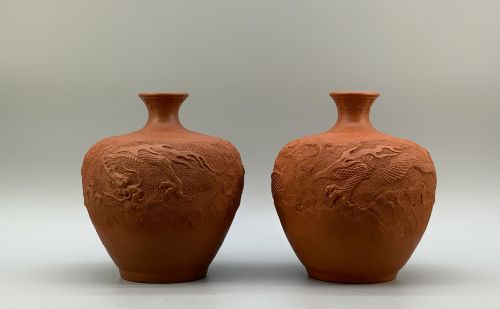
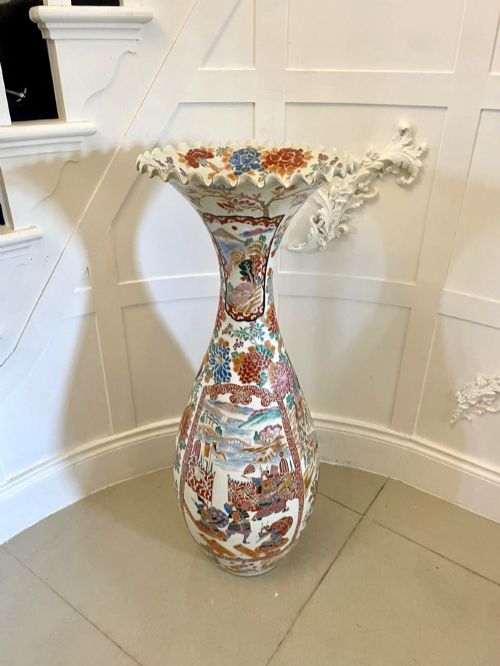
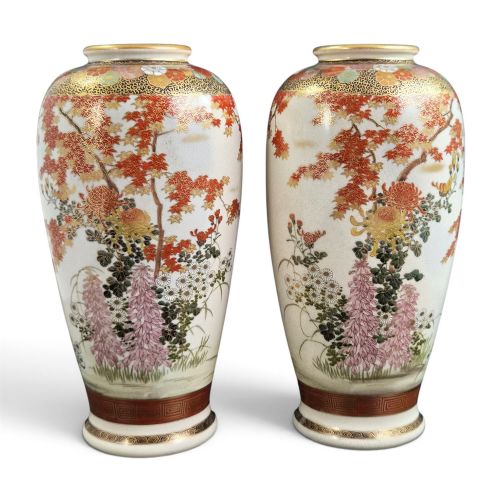
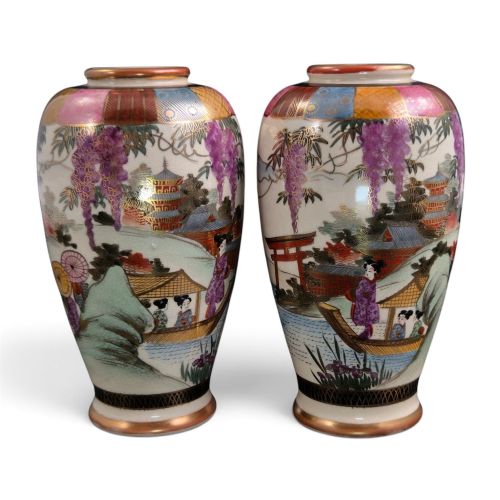
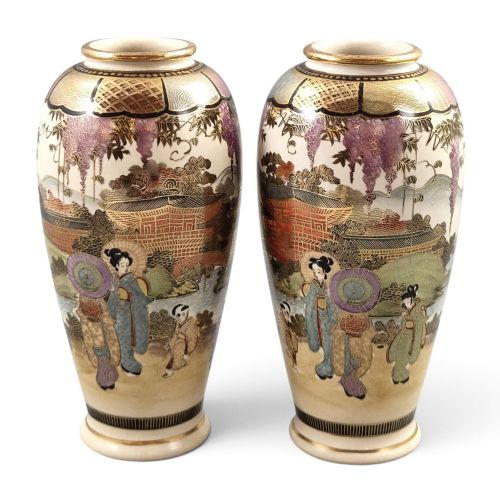
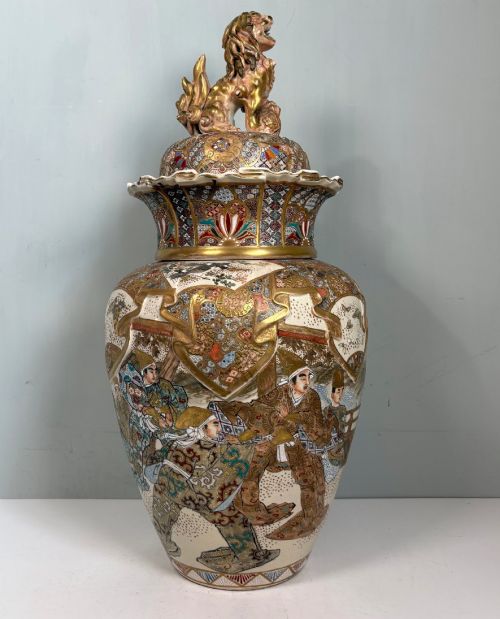
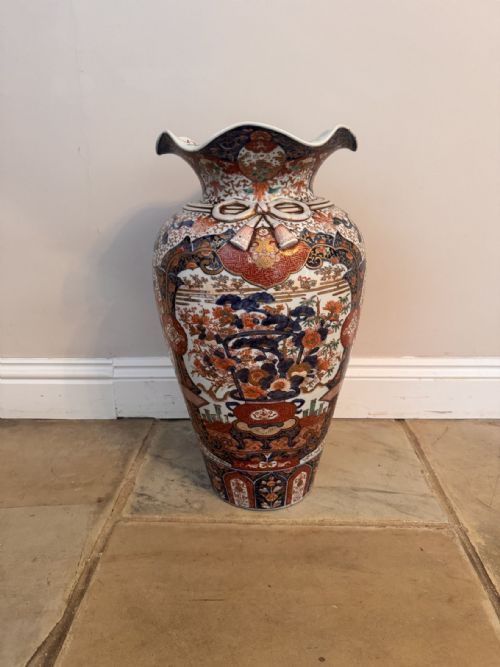
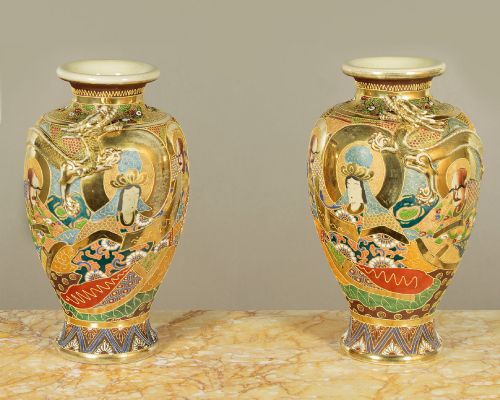
These japanese ceramic urns bring intricate hand-painted enamel and rich gilding into a room.

The Nature of Japanese Ceramic Urns
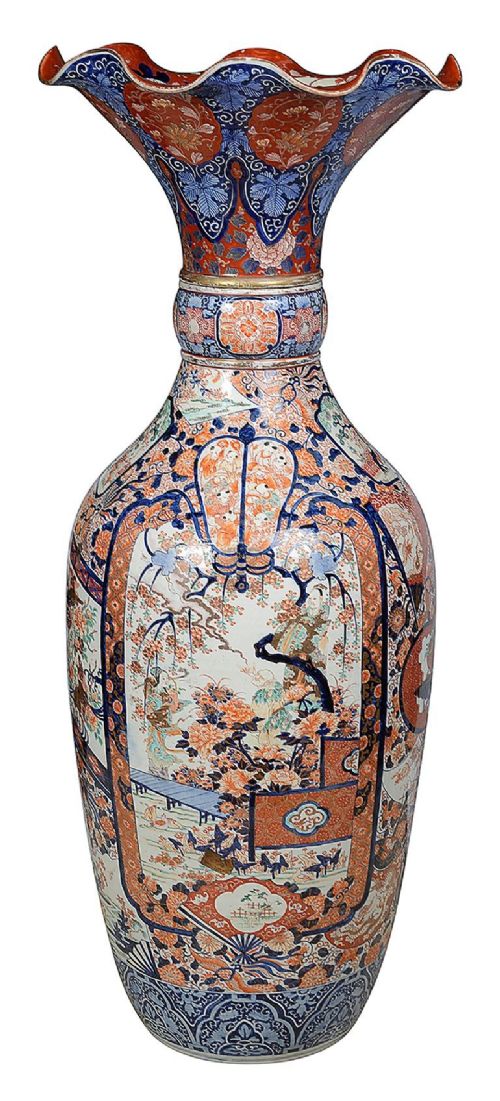
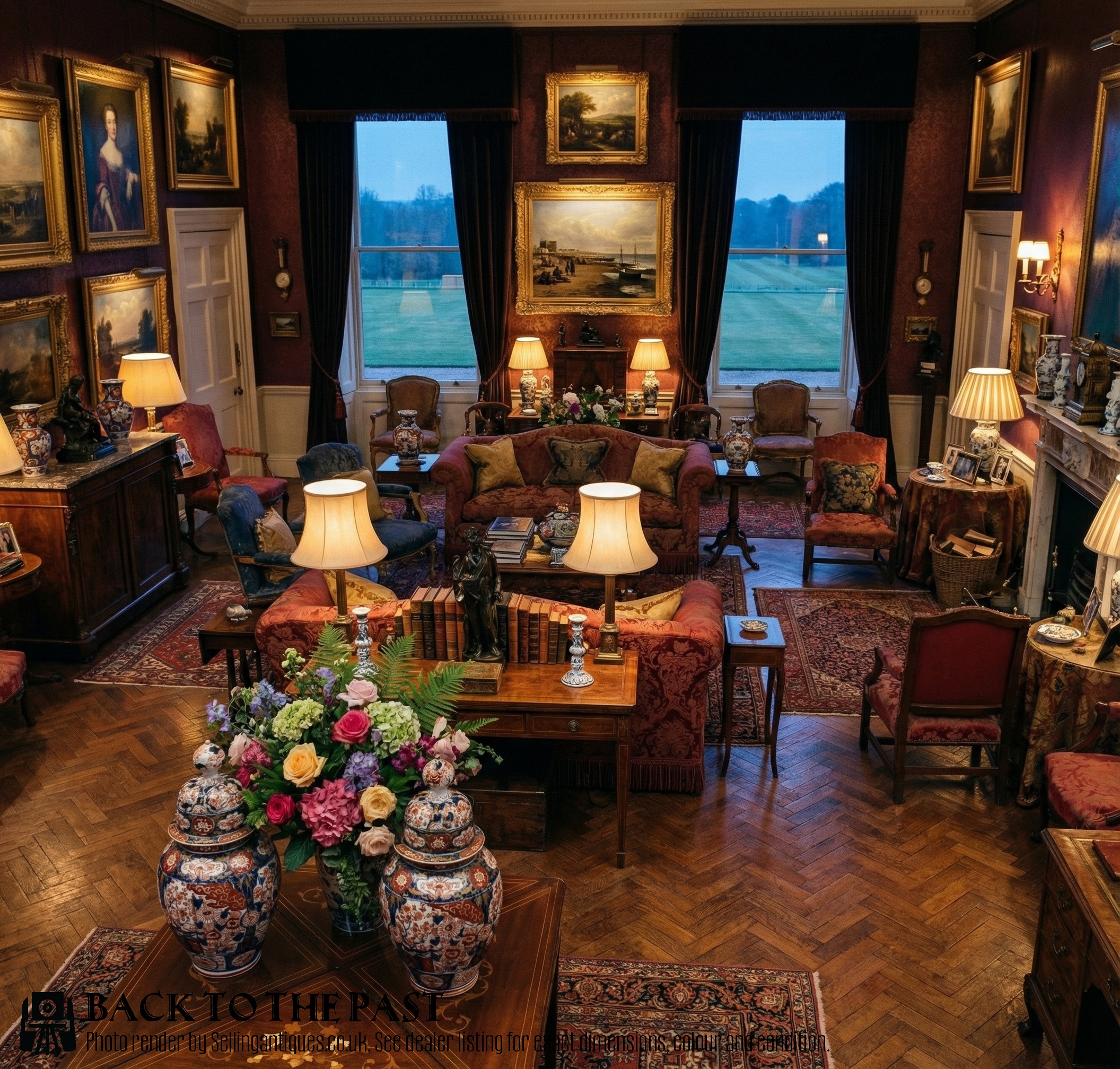
The forms range from modest small vases to monumental floor-standing examples reaching impressive heights. These vessels serve as striking decorative focal points, reflecting the historic export trade between Japan and Britain during the Meiji period and subsequent decades.
Materials and Construction
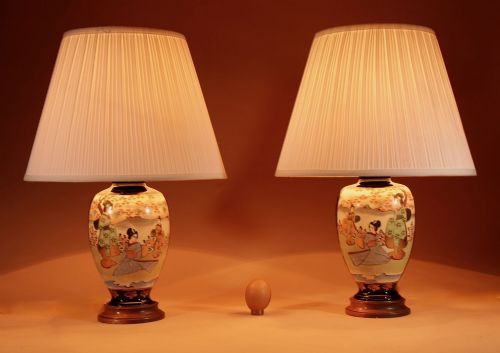
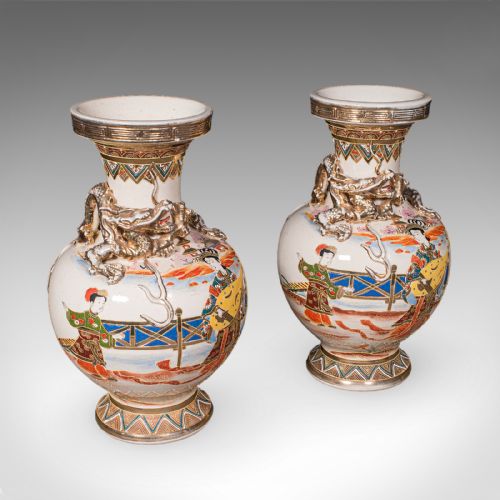
The physical objects rely on robust porcelain and earthenware bodies shaped into various vase forms. Artisans applied detailed polychrome enamel paints and raised gold leaf or gilt highlights directly onto the ceramic surface.
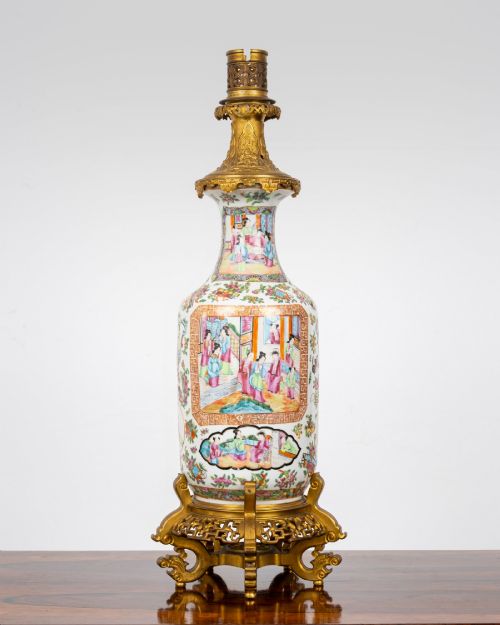
Certain ambitious examples integrate supplementary media, incorporating fitted wood bases and decorative lacquer panels. The combination of high-fired ceramic bases with meticulous surface ornamentation defines the production methods of these works.
Retail Price Guide 2026
Typical UK retail prices for japanese ceramic urns, calculated from the Sellingantiques database of over a million retail prices indexed since 2003. This retail price guide relies exclusively on Sellingantiques data; no external sources or auction records are used, so the figures do not describe the wider market.
The inventory includes items dated across the nineteenth century, the Meiji period, and the Edwardian era.
Distinctions in Quality
Superior examples demonstrate exceptional control in the application of enamel and gold leaf, with precise brushwork defining complex figural or floral scenes. The visual harmony between the ceramic body and the surface decoration dictates the standing of a piece within the range.
Scale and completeness also influence the assessment, as substantial pairs and multi-piece garnitures require a high degree of uniformity across each individual vessel. Lesser examples display simpler decoration and less ambitious execution without the intricate detailing seen at the top of the tier.
The Japanese Ceramic Urns Glossary
- Satsuma Ware
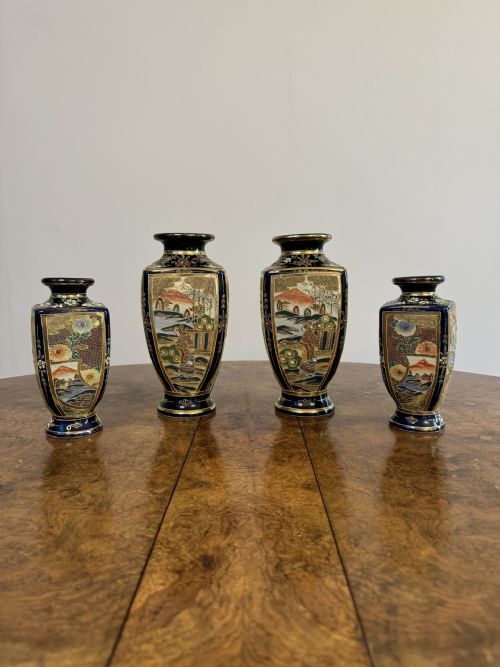
- A type of earthenware originating from the Satsuma Province, traditionally characterised by a finely cracked ivory glaze and elaborate polychrome and gilt decoration. This style became exceptionally popular for export during the Meiji period.
- Imari
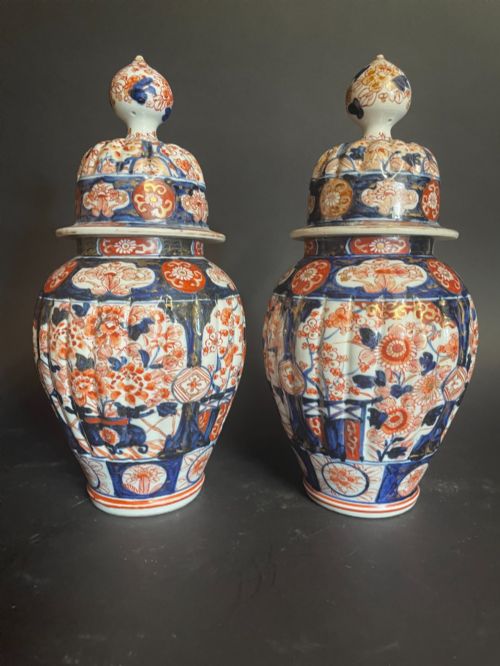
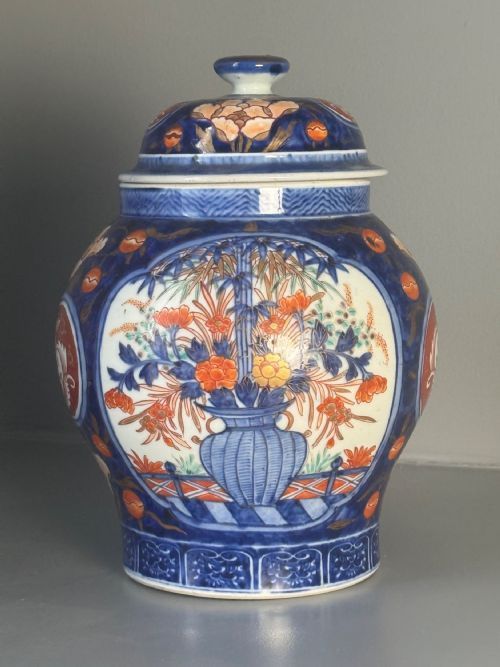
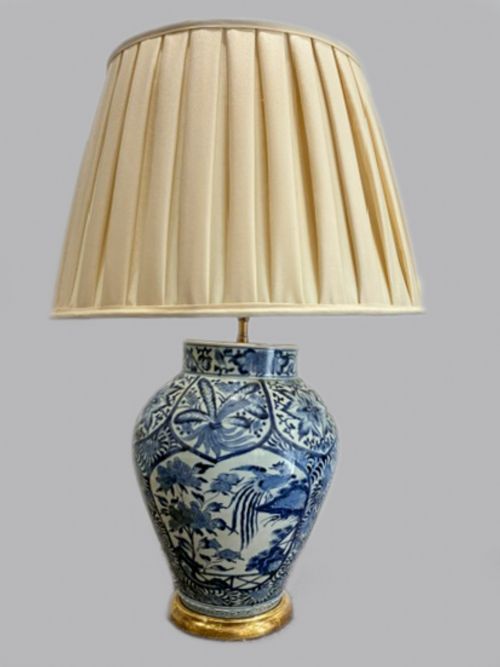
- A historic style of Japanese porcelain featuring a distinct palette typically dominated by underglaze blue, iron red, and gold. Pieces in this tradition often display dense floral and geometric patterns.
- Garniture
- A set of matched vases or ornamental vessels designed to be displayed together on a mantelpiece or sideboard. Such sets frequently comprise three or more matching pieces.
- Meiji Period
- The historical era in Japan spanning from 1868 to 1912, marked by significant opening to Western trade and a massive surge in decorative art exports. Work from this time is noted for its technical ambition.
- Lacquer
- A durable glossy finish derived from tree sap, applied to wood panels or structural elements associated with certain large decorative vessels. It provides a deep black or coloured contrast to the ceramic body.
Frequently Asked Questions
What periods do these pieces date from?
The available selection spans the nineteenth century through to the Edwardian era, encompassing the Meiji period.
Dates are established by stylistic markers, glazing techniques, and historical export records from Japan to Britain.
How were these large vases displayed?
Substantial floor vases and garnitures were traditionally placed in prominent reception rooms and hallways of period homes.
They served as architectural focal points to project worldly taste and an appreciation for international craft.
What is the difference between Satsuma and Imari?
Satsuma pieces utilise an earthenware body with an ivory crackle glaze and dense enamel painting, often featuring figures.
Imari pieces are made of porcelain using a characteristic palette of blue, red, and gold with geometric and floral motifs.
Are these items sold as pairs?
Many examples are offered as matched pairs or multi-piece garnitures intended for symmetrical placement.
Matching sets require careful comparison of size and decorative detail across every vessel in the group.