
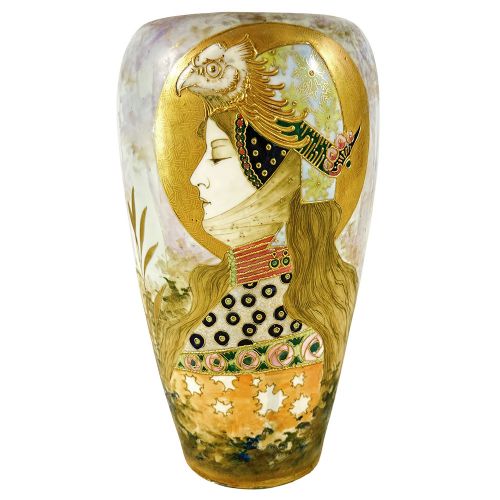
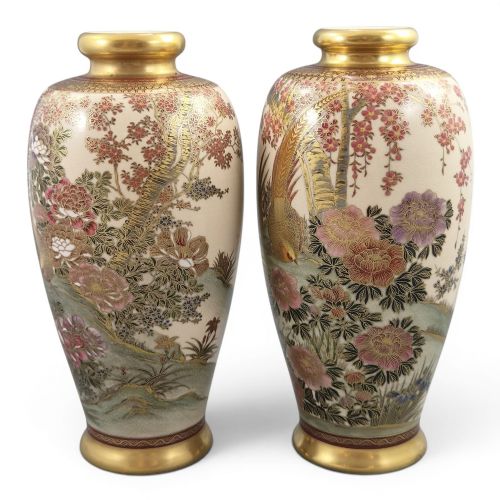
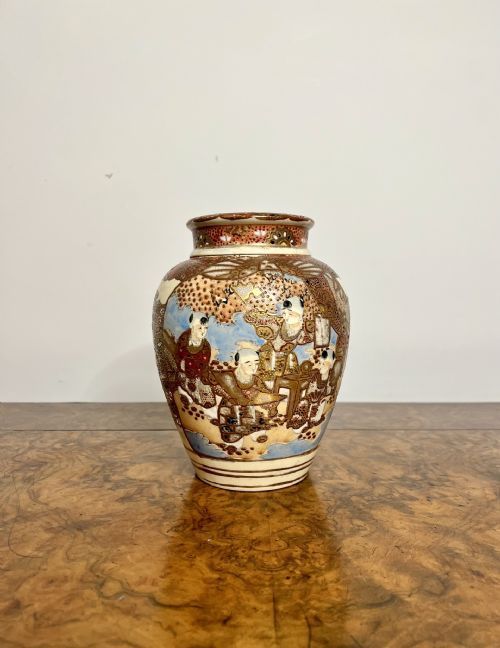
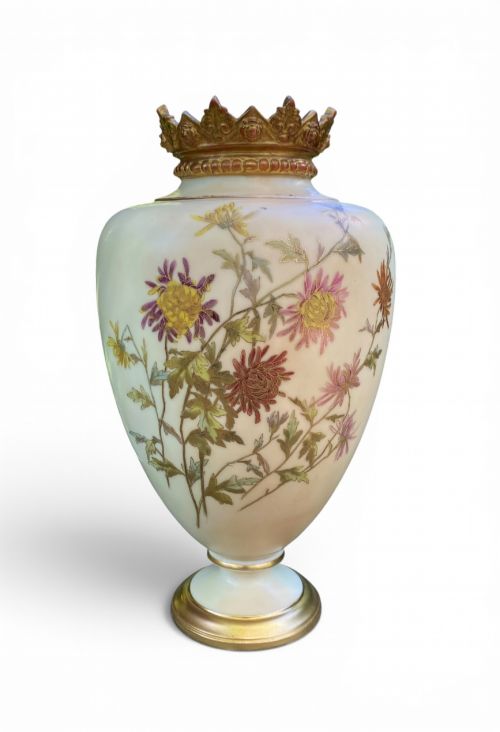

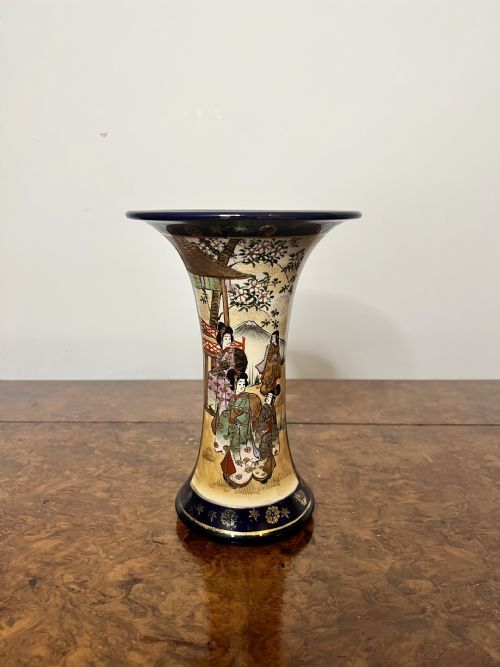

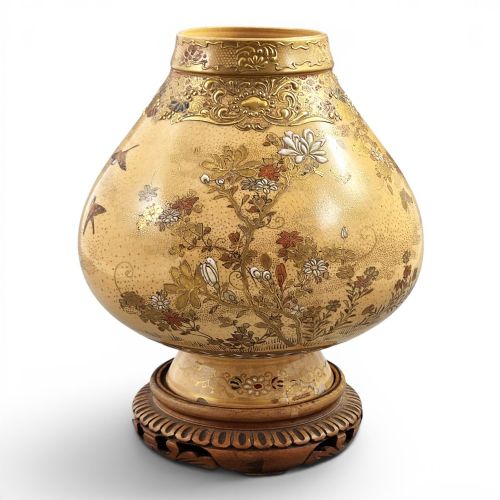
Gilded Pottery Vase
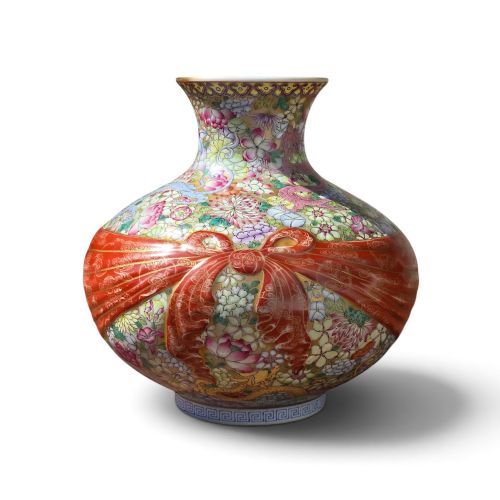
When you search for a gilded pottery vase, you enter a rich field of nineteenth- and early-twentieth-century ceramic art that brings metallic lustre and painted detail to interior spaces.
Gilded Pottery Vase
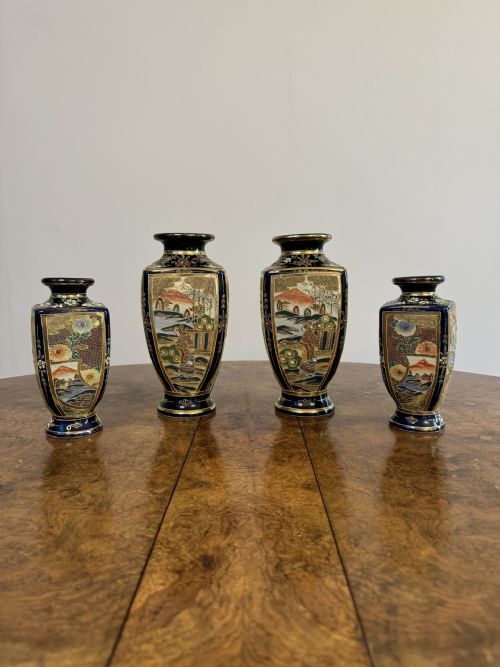
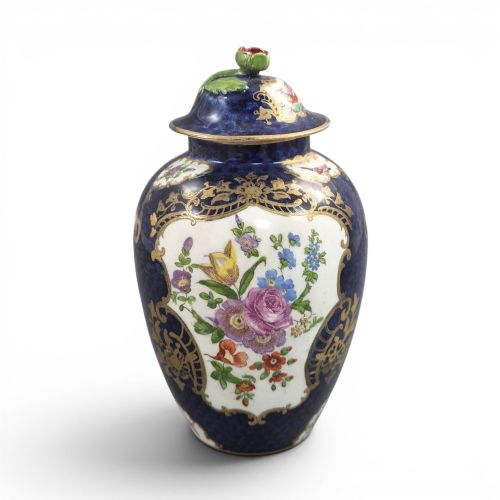
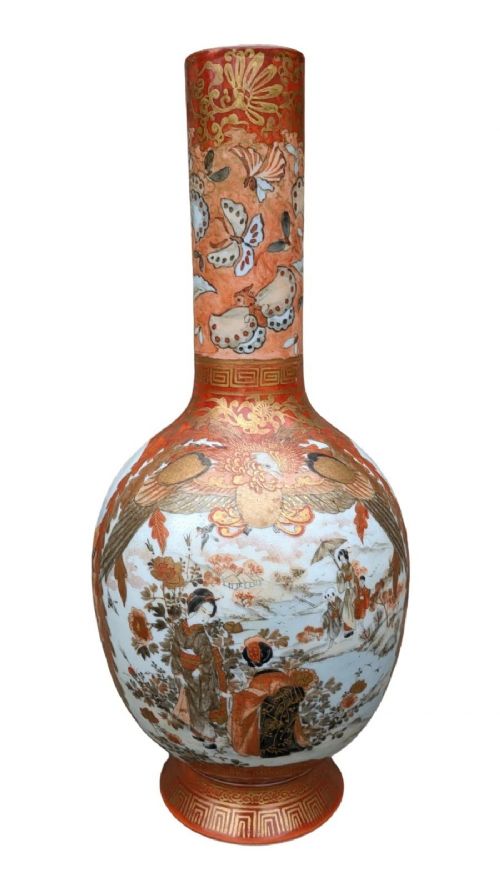
A gilded pottery vase combines ceramic bodies with gold leaf or gilt decoration to create ornamental vessels for domestic display. When buyers search for a gilded pottery vase, they encounter diverse international traditions ranging from European earthenware and porcelain to Japanese Satsuma and Kutani wares.
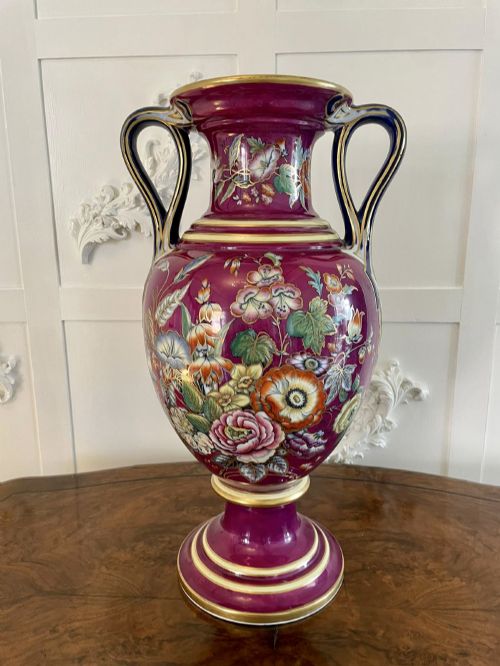
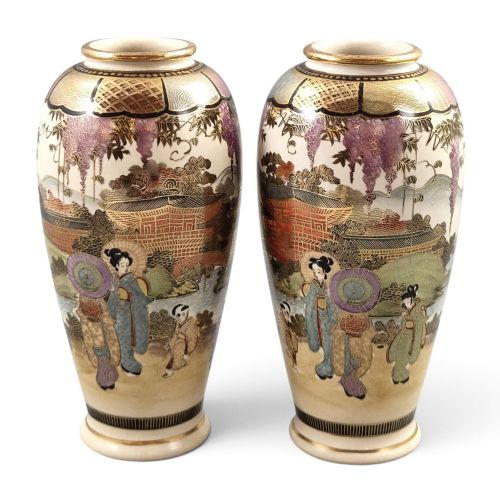
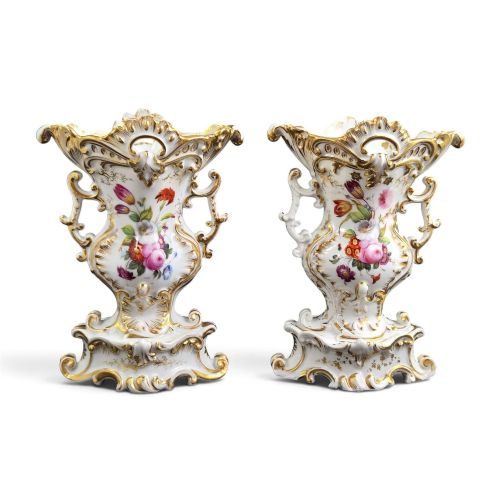
The pieces appearing on this page span the Victorian, Edwardian, and Meiji periods, showcasing forms such as twin-handled vessels, ginger jars, and slender neck vases. Japanese Satsuma production dominates the selection, alongside notable British and French porcelain workshops utilising metallic ornamentation.
How They Were Made
Makers shaped earthenware, porcelain, and ceramic bodies before applying glazes, enamel, and hand-painted pigments. Artisans then integrated gold leaf or liquid gilt details onto the surface, frequently firing the pieces multiple times to set the metallic layers.
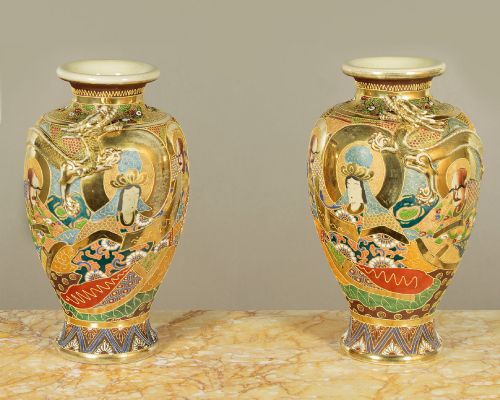
Techniques varied between European manufactories employing transfer printing with hand finishing and Japanese workshops executing intricate moriage relief work alongside fine enamel painting.
Some hand-painted parrots and exotic birds watch the room from their perches with painted expressions of mild disapproval.
What Varies in Quality
The distinction between ordinary and exceptional examples rests upon the precision of the hand painting and the depth of the gilding. Skilled execution appears in the crispness of figurative scenes and the durability of the gold application across complex ceramic forms.
Signatures from established workshops or named artists elevate certain pieces, indicating higher standards of design and more meticulous studio craftsmanship during the manufacturing process.
Jacob Petit·Reissner Stellmacher and Kessel·Manpei·Kinkōzan·Hotoda·Royal Crown Derby·Royal Doulton
The Gilded Pottery Vase Glossary
- Satsuma
- Japanese earthenware pottery featuring a crackle-glaze ivory ground decorated with polychrome enamel and gilt details. These wares were produced extensively for export during the late nineteenth and early twentieth centuries.
- Moriage
- A decorative ceramic technique originating in Japan where slip is piped onto the pottery surface in raised dots or lines before firing, often highlighted with gilding. This method creates a tactile, textured relief.
- Gilt
- A thin layer of gold applied to the surface of ceramic, porcelain, or wood objects. In antique pieces, this finish enhances decorative motifs and borders.
- Enamel
- Opaque or translucent glass-like substance fused to ceramic bodies through firing. It provides vibrant colour alongside gilded highlights.
- Porcelaneous
- A ceramic material sharing properties of both earthenware and true porcelain, displaying high density and vitrification. It offers a robust body suitable for large decorative vessels.
Gilded Pottery Vase: Frequently Asked Questions
How do I identify Satsuma ware?
Satsuma ware typically displays an ivory or cream-coloured earthenware body covered in a fine network of crackled glaze. The surfaces feature detailed hand-painted figures, flowers, and animals embellished with extensive gold leaf.
Most pieces intended for export bear artist signatures or workshop stamps on the base. The presence of raised moriage decoration further distinguishes traditional Satsuma production from other ceramic types.
What is Kutani pottery?
Kutani pottery originates from Ishikawa Prefecture in Japan and is celebrated for bold colour palettes and expressive painted scenes. These pieces frequently utilise rich iron-reds, greens, and purples combined with abundant gilding.
The forms range from shaped vases to large ginger jars, often depicting landscapes, birds, or traditional figures. The robust ceramic bodies provide a durable canvas for the dense surface ornamentation.
How should I display antique vases?
Place antique vases on stable surfaces away from direct sunlight and heavy foot traffic to protect delicate enamel and gold leaf. Ensure they rest on level shelves where accidental knocks are unlikely to occur.
Avoid placing them in damp environments or near heat sources that might affect the ceramic body or historic glazes. Occasional gentle dusting with a soft, dry brush keeps the surface clean.
How do I date Victorian porcelain?
Victorian porcelain can be dated by examining maker marks, registration diamonds, and stylistic influences such as the Aesthetic Movement. British manufacturers often stamped pieces with specific batch numbers or factory ciphers corresponding to production years.
The style of the decoration, from hand-painted floral panels to dense Japanese-inspired motifs, also indicates the decade of manufacture. Comparing piece characteristics with established factory records helps narrow the date range.