
Japanese Decorative Urn
These japanese decorative urn pieces bring Meiji period craftsmanship to your room, offering fine ceramic and bronze work from around nineteen hundred.
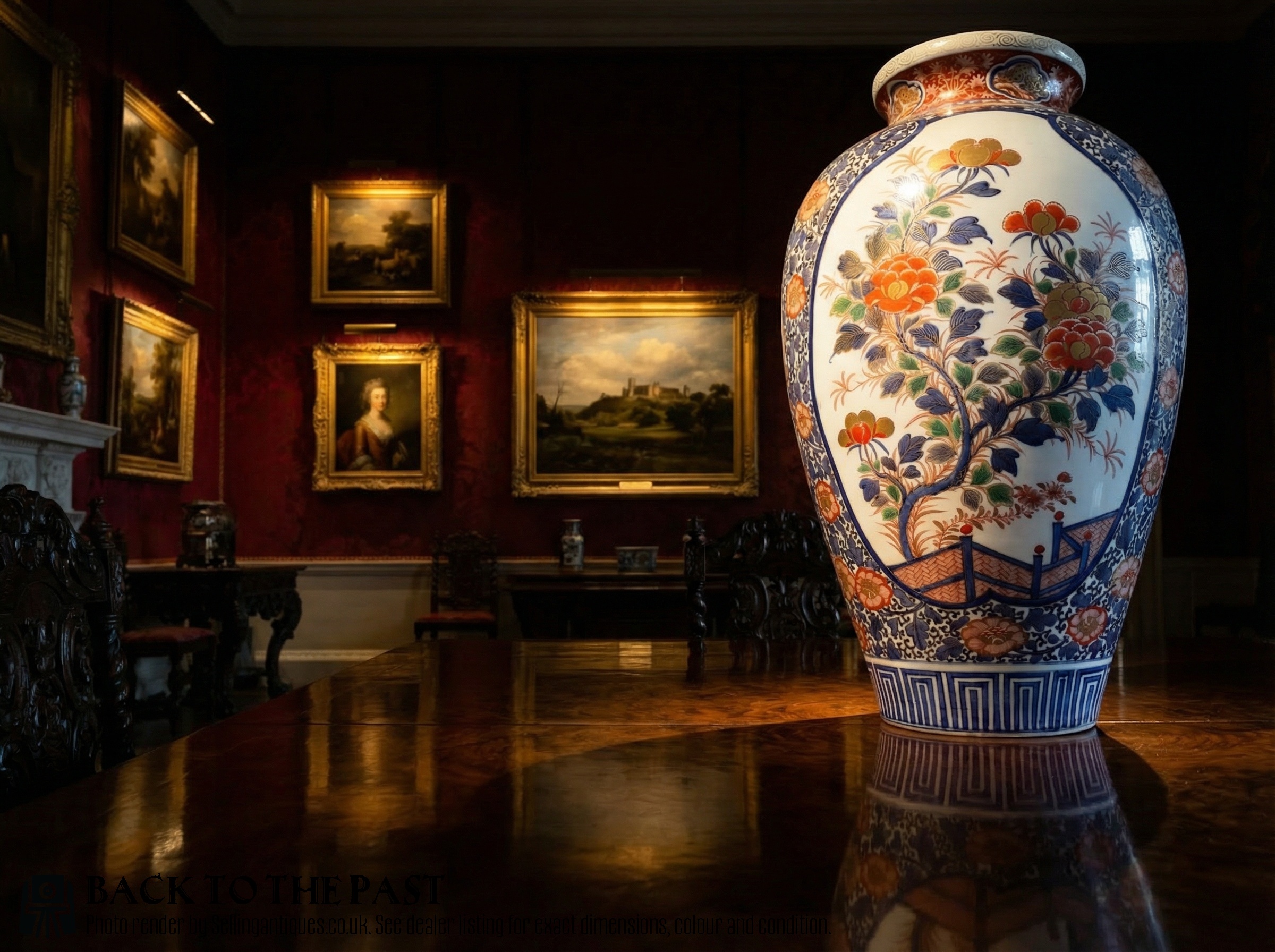
What japanese decorative urn pieces are
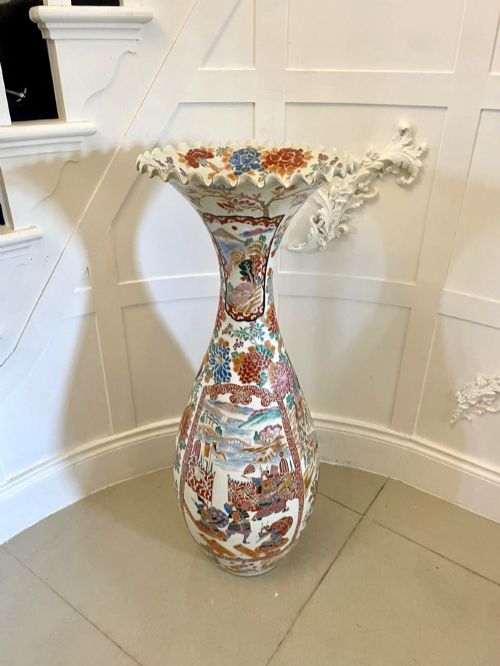
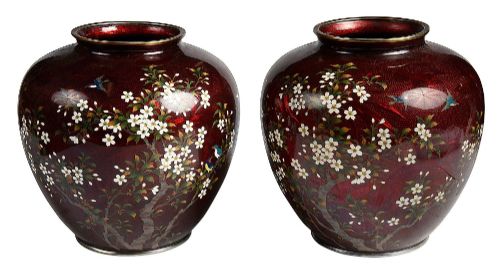
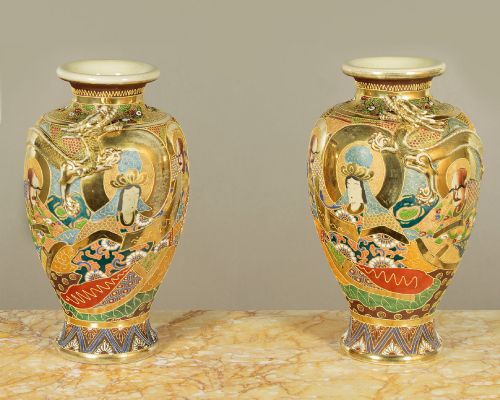
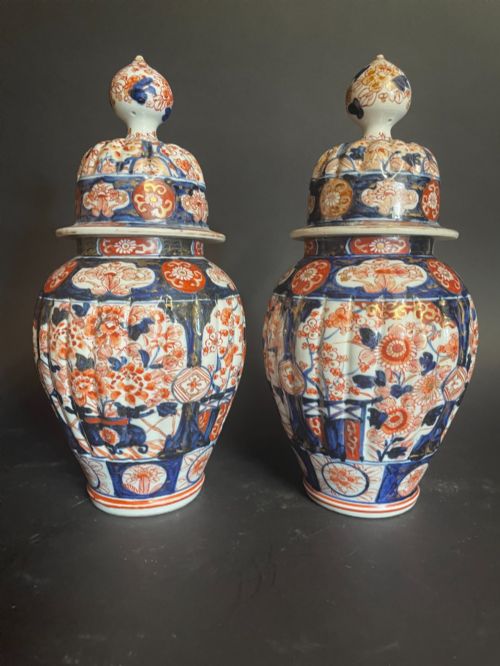
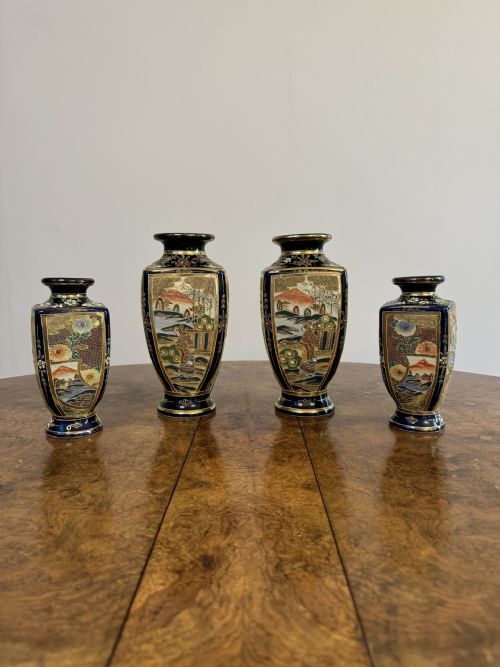
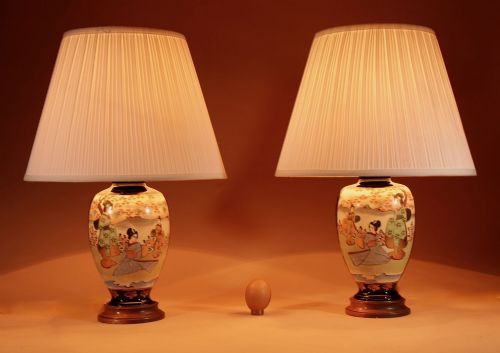
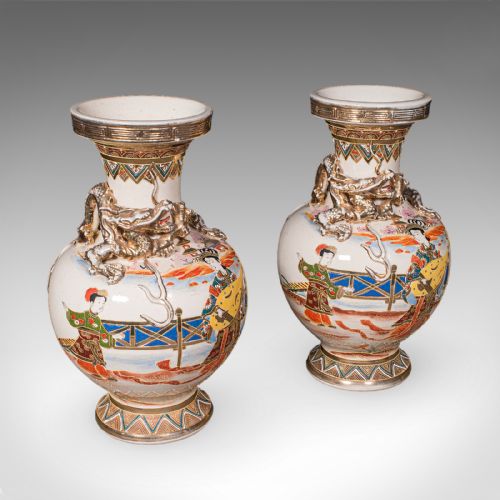
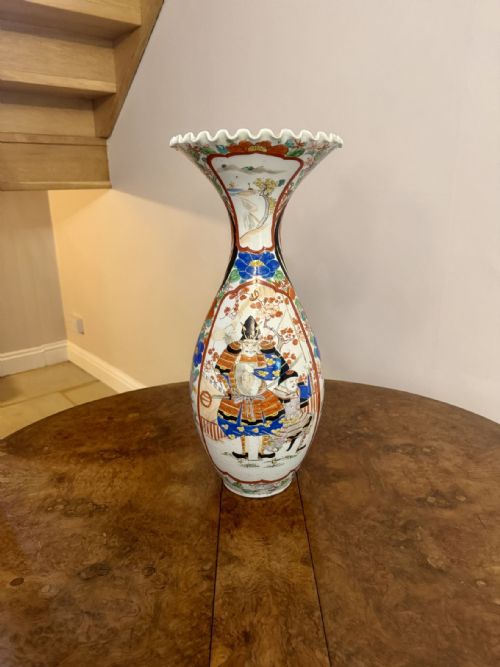
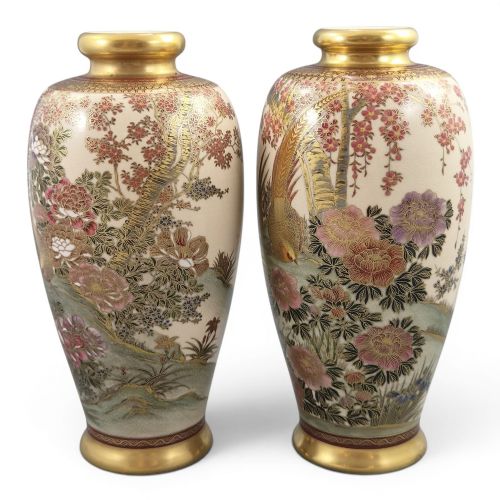
When you search for a japanese decorative urn, you encounter Satsuma earthenware and Imari porcelain vases originating from the Meiji period and the early twentieth century. These items span various sizes, from small cabinet pieces to large decorative vessels.
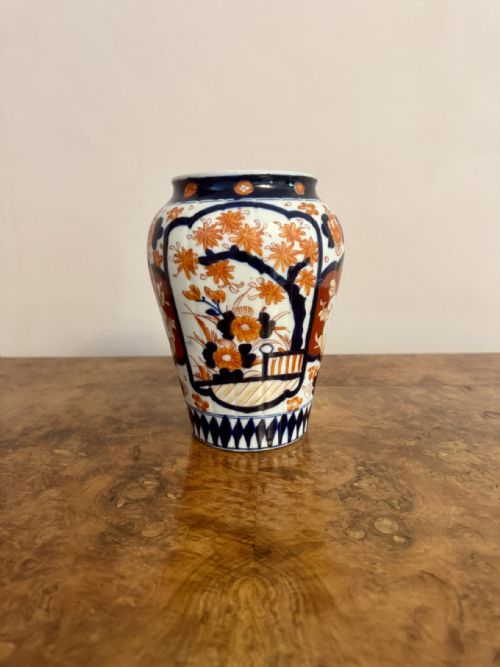
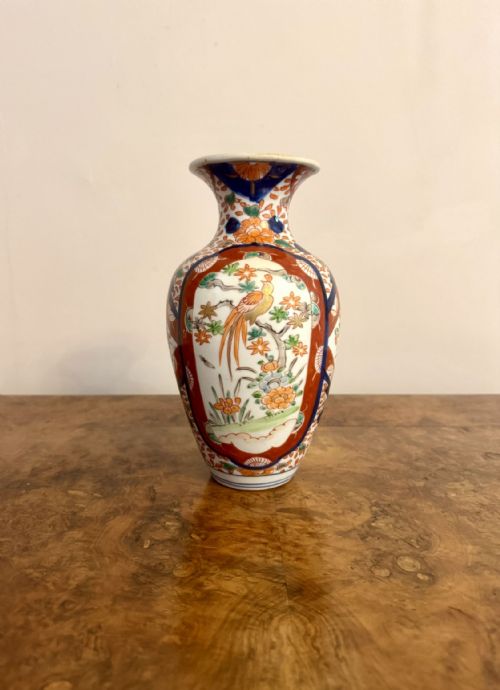
The pieces listed on this page include Satsuma vases and Imari palette porcelain. They represent Japanese ceramic production intended for export and domestic display during the late nineteenth and early twentieth centuries.
How they were made
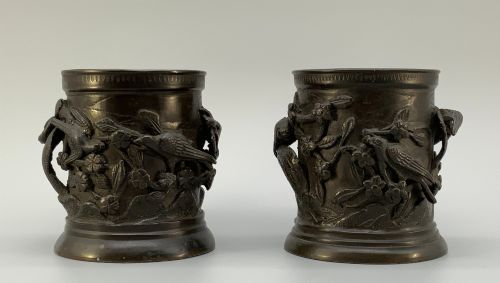
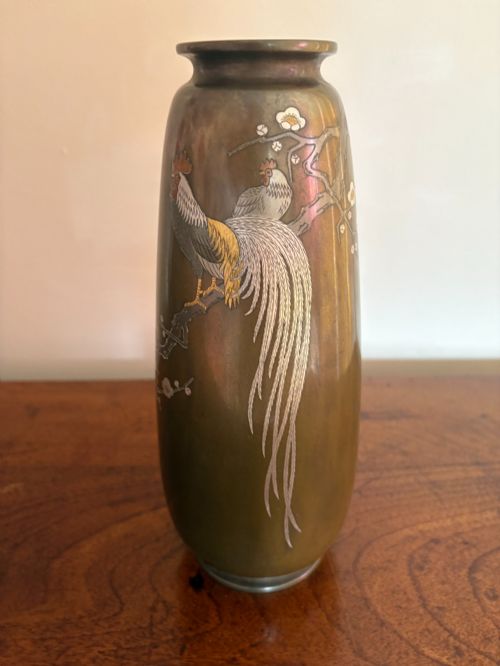
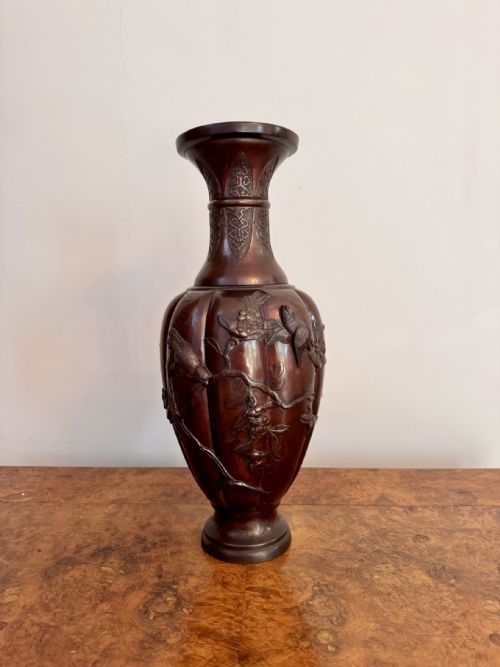
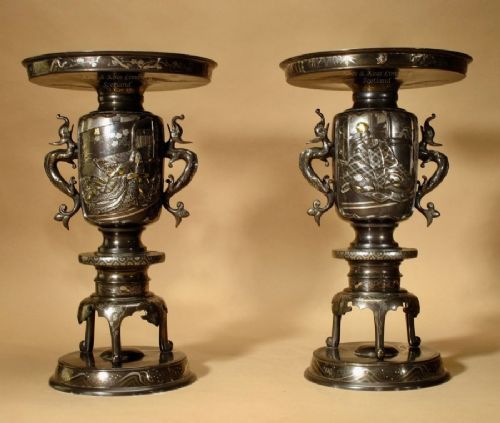
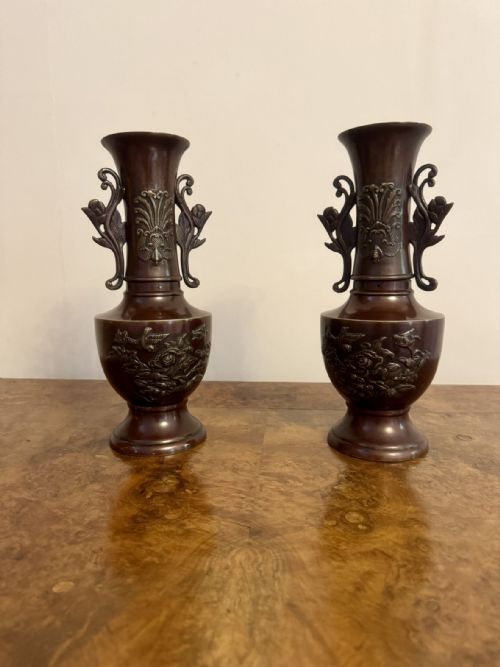
Potters shaped earthenware and porcelain into globular and standard vase forms, applying enamel paint and gold leaf for surface decoration. Some works utilise weathered bronze.
The decoration relies on precise brushwork and metallic application, characteristic of Meiji period ateliers where porcelain and earthenware received detailed palettes.
Some vessels double as flower urns, ready to hold your botanical arrangements.
What varies in quality
Quality rests in the precision of the enamel work and the application of gold leaf across the earthenware or porcelain surface. Finer examples display meticulous control over the Imari palette or intricate Satsuma crackle glazes.
The distinction between standard production and superior work lies in the fineness of the hand-painted motifs and the balance of the vessel form, whether working in bronze or ceramic.
Kinkozan
The Japanese Decorative Urn Glossary
- Satsuma
- Earthenware originating from the Satsuma province, typically characterised by a crackle-glaze finish and detailed polychrome and gold decoration.
- Imari palette
- A traditional colour scheme featuring underglaze blue, iron red, and gold, applied to porcelain vessels.
- Meiji period
- The era of Japanese history lasting from eighteen sixty-eight to nineteen twelve, known for significant export of decorative arts.
- Globular
- A rounded, spherical body shape common in ceramic vases and urns.
Frequently Asked Questions
What is a japanese decorative urn?
These items are ceramic and bronze vessels, including Satsuma earthenware and Imari porcelain vases from the Meiji period.
They serve as decorative objects that showcase traditional Japanese artistic techniques and export styles from around nineteen hundred.
How do I date a japanese decorative urn?
Dating relies on stylistic markers associated with the Meiji period and the early twentieth century, alongside material characteristics like Satsuma earthenware and Imari porcelain.
Makers and specific decorative palettes also provide clues to the approximate decade of production.
Where should I place an urn?
These vessels suit prominent display surfaces such as sideboards, mantelpieces, or dedicated cabinets where their detailed enamel and gold leaf work can be appreciated.
Keep them away from direct sunlight and areas of heavy traffic to protect the delicate surface finishes.
What materials are used?
The pieces utilise earthenware, porcelain, enamel, and gold leaf, with occasional examples formed from weathered bronze.
Each material dictates the specific decorative approach, from the crackled glaze of Satsuma ware to the painted palette of Imari porcelain.