


Japanese Floral Vase
A Japanese floral vase brings complex metallic wirework and vibrant enamel palettes into a room, offering enduring craftsmanship from the Meiji and Showa periods.
Japanese Floral Vase
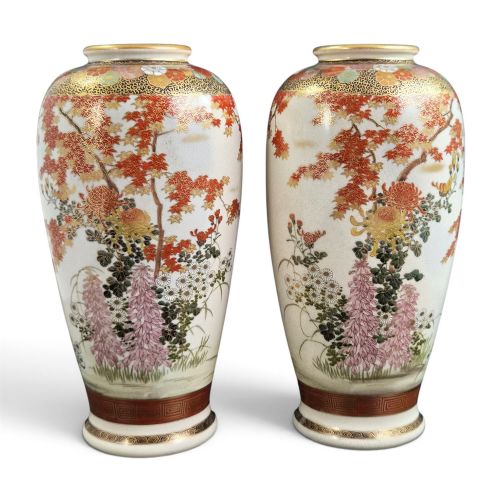
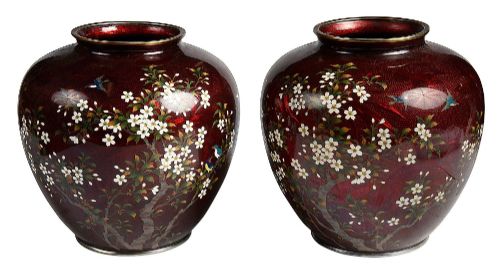
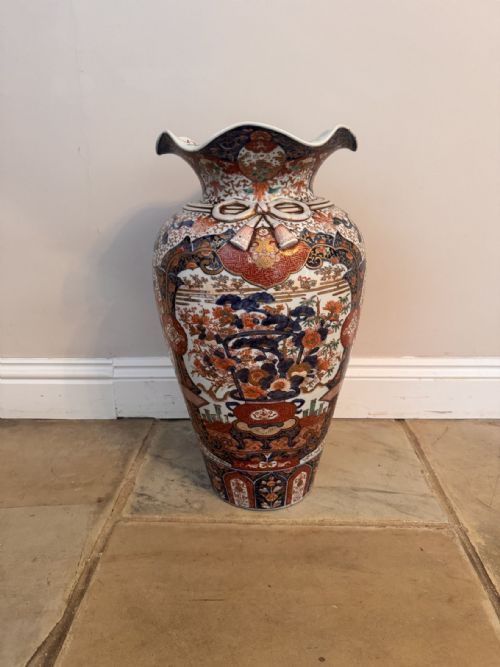
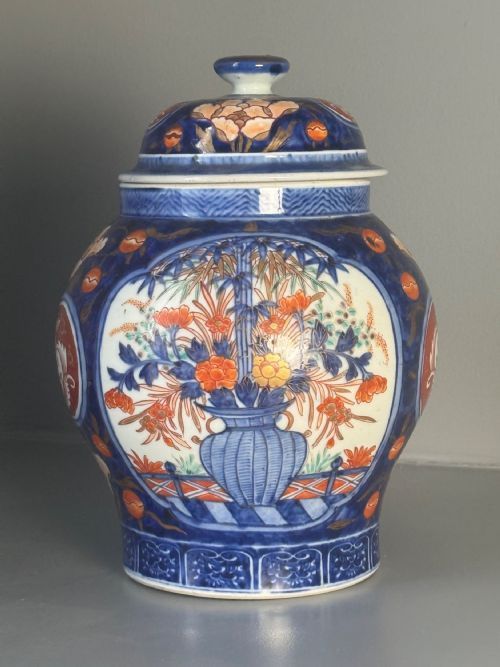
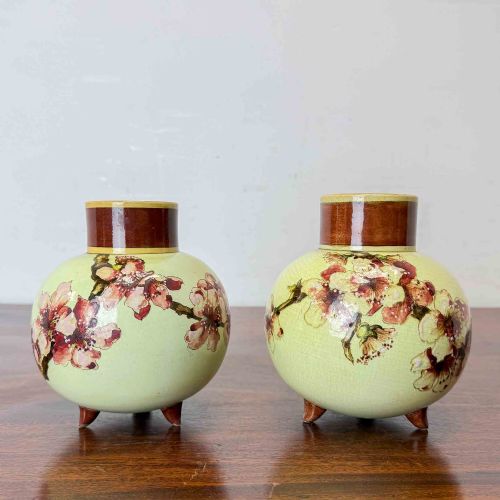
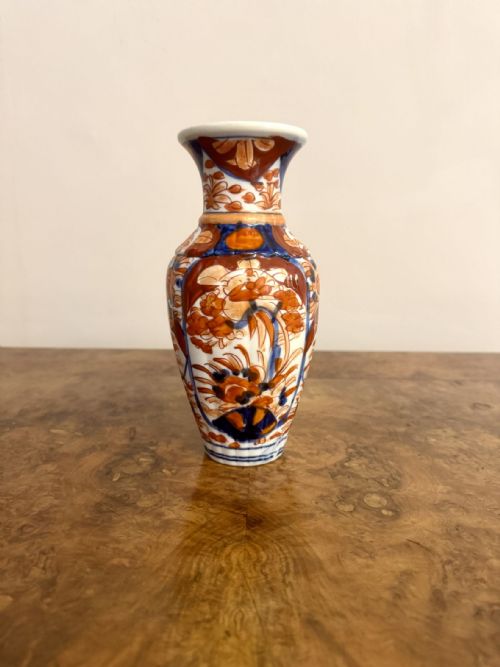
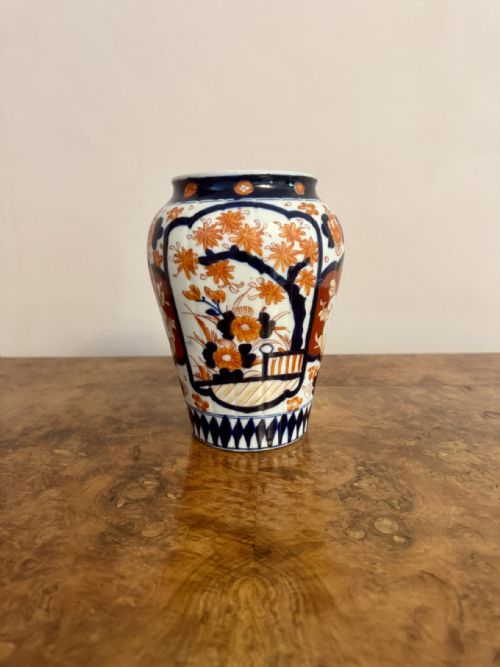
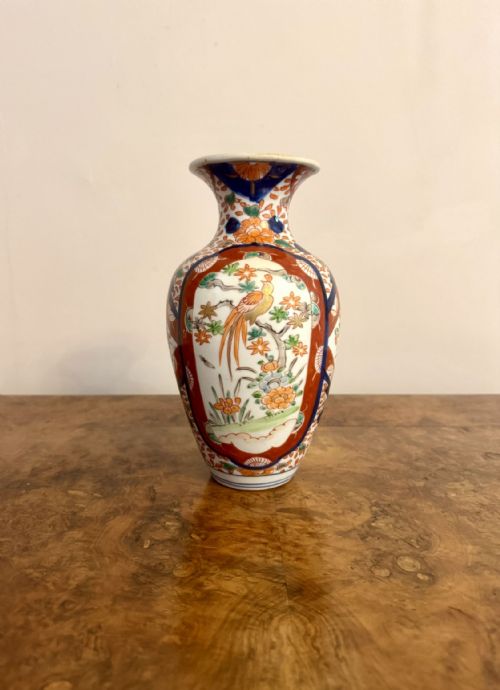
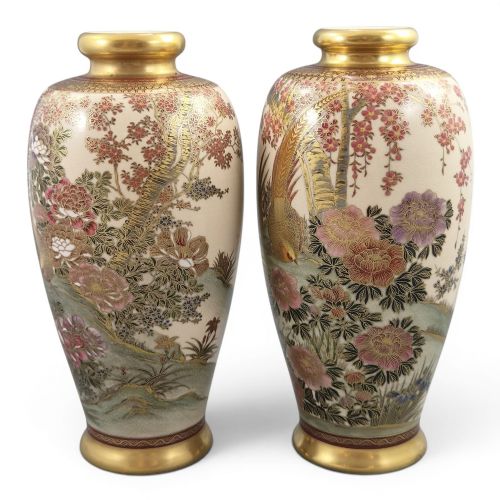
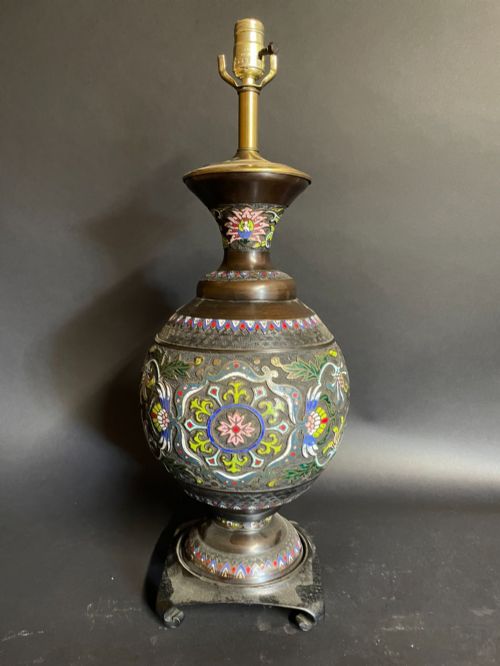
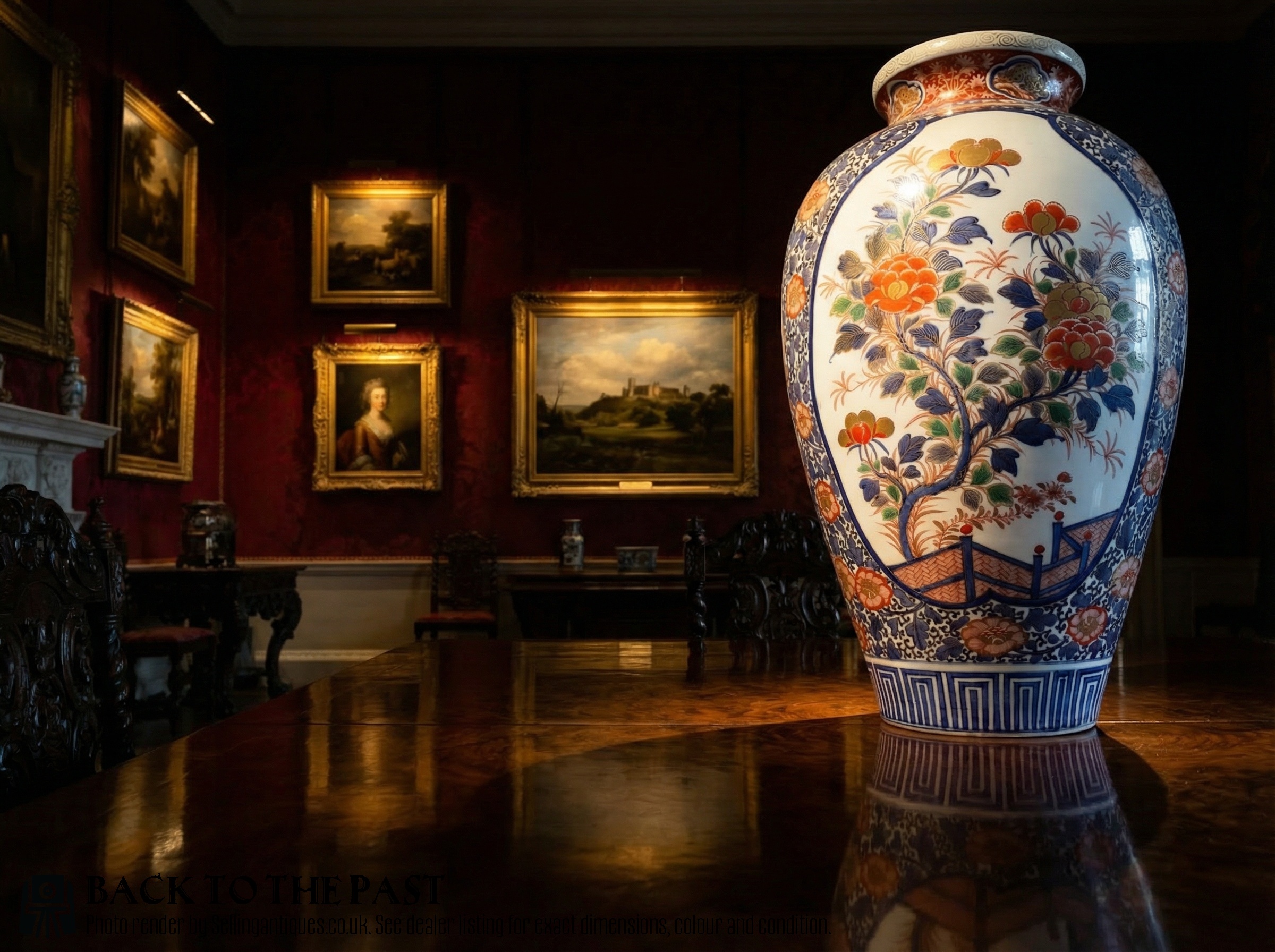
A Japanese floral vase displays detailed botanical motifs across forms shaped from porcelain, copper, and silver wire. Buyers seeking these items will frequently encounter cloisonne enamel examples alongside traditional porcelain vessels decorated in the Imari palette.
The pieces span from the late nineteenth century into the mid twentieth century, covering both the Meiji and Showa periods. Workshops produced both large ornamental vases and smaller vessels featuring birds, flowers, and phoenix designs.
Vases range from intricate basse-taille and ginbari enamel works to robust covered urns and porcelain bodies finished with gold leaf. Each object reflects the specific decorative conventions of its manufacturing era.
Materials and Construction
Artisans built cloisonne pieces by soldering fine silver wires to metal bases of copper or other alloys to form distinct cells, known as cloisons. These compartments were then filled with coloured enamel pastes before multiple firings and polishings.
Porcelain vessels utilised traditional ceramic bodies painted with iron-red, blue, and gold leaf in the Imari palette. Advanced techniques like ginbari incorporated textured metal foil beneath transparent enamel layers to create patterned depth.
Retail Price Guide 2026
Typical UK retail prices for japanese floral vase, calculated from the Sellingantiques database of over a million retail prices indexed since 2003. This retail price guide relies exclusively on Sellingantiques data; no external sources or auction records are used, so the figures do not describe the wider market.
Materials recorded across these listings include enamel, silver, wood, metal, cloisonne enamel, copper, porcelain, and gold leaf.
Assessing Quality
The distinction between standard production and exceptional work rests on the precision of the wirework and the depth of the enamel finish. Finer pieces demonstrate absolute regularity in cell creation and flawless smoothness across curved surfaces.
Marked pieces from recognised makers or workshops carry greater certainty regarding their origin and technical standard. The complexity of the decorative scheme, such as incorporating birds alongside botanical sprays, distinguishes more ambitious commissions from simpler output.
Ando Jubei·Tamura Yukio·Ando Jubei Company
The Japanese Floral Vase Glossary
- Cloisonne
- Enamelling technique where thin metal wires create raised barriers on a metallic body to contain coloured glass pastes. This method allows intricate pictorial designs to be fixed permanently through firing.
- Ginbari
- Japanese technique utilising a textured metal foil applied beneath translucent enamel to reflect light through the colour. It produces a distinctive patterned ground behind floral and bird motifs.
- Imari
- Japanese export porcelain decorated in a distinct palette of underglaze blue, iron-red, and gold leaf. The style originated in Arita and gained immense popularity in Europe.
- Basse-taille
- Enamelling method where the metal ground is carved or engraved beneath translucent enamel so that light passes through varying depths of colour. This creates subtle shifts in tone across the decorated surface.
- Meiji Period
- Era of Japanese history lasting from 1868 to 1912 noted for the opening of trade and exceptional decorative arts production. Works from this time often exhibit remarkable technical ambition in metalwork and ceramics.
Frequently Asked Questions
How do I date a Japanese floral vase?
Dating relies on stylistic markers, material combinations, and maker marks associated with specific historical eras. Pieces span from late nineteenth-century Imari porcelain to mid-twentieth-century Showa period cloisonne.
Examining the base, wire thickness, and enamel clarity helps contextualize the item within Meiji or Showa production standards.
What is ginbari enamel?
Ginbari is a specialised Japanese technique where patterned metal foil is laid onto the body before translucent enamel is applied. This creates a shimmering, textured background visible beneath the coloured surface.
It is frequently found on high-quality Meiji period silver wire vessels.
How were these vases displayed originally?
Many of these vessels served as decorative centrepieces in both Japanese interiors and Western Victorian drawing rooms. Large urns and tall vases were positioned on mantelpieces or pedestals to showcase foreign craftsmanship.
Smaller pieces functioned as mantle decorations or receptacles for seasonal floral arrangements.
What distinguishes Imari ware?
Imari porcelain is characterised by a strong visual palette combining underglaze blue, iron-red, and accents of gold leaf. Designs frequently incorporate floral motifs, phoenixes, and panel arrangements.
This style was heavily exported to Europe during the late nineteenth century.