





Late 19th Century Vase
A late 19th century vase brings diverse global craftsmanship from the Victorian and Meiji eras into contemporary interiors through porcelain, bronze, and glass.
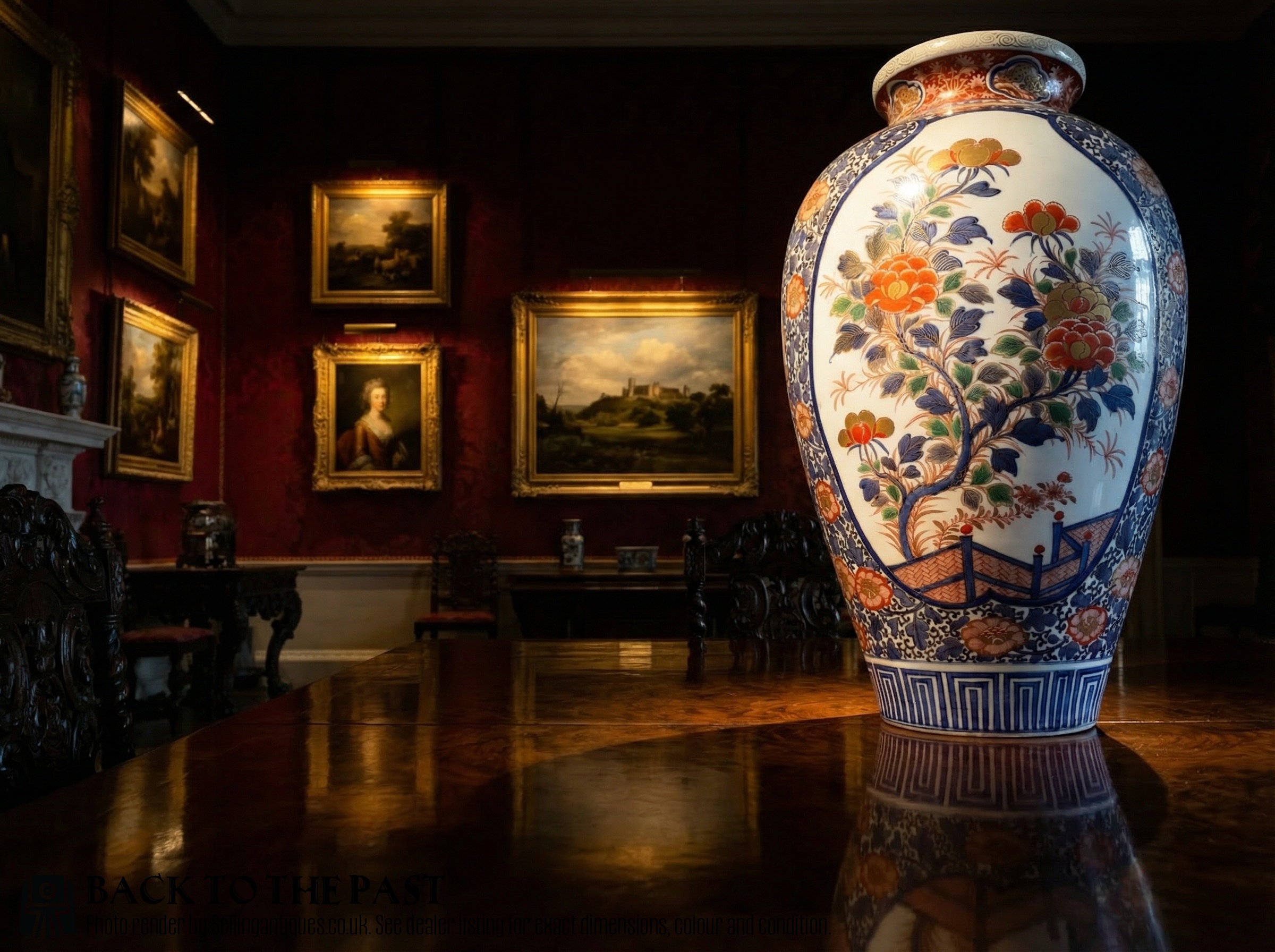
Late 19th Century Vase
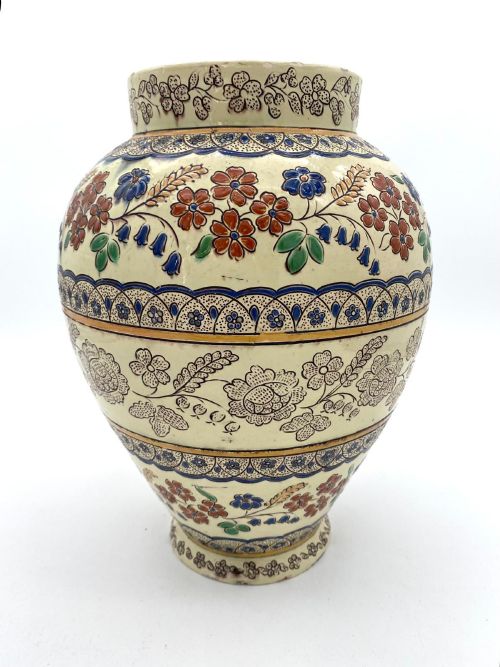
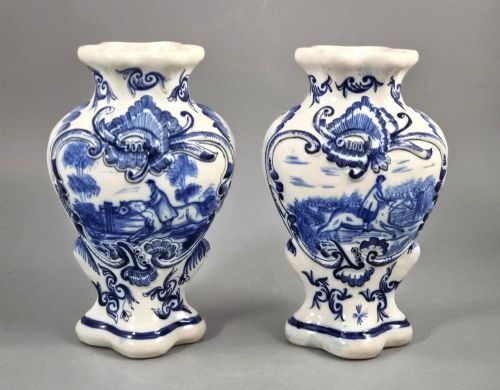
A late 19th century vase encompasses a wide variety of decorative vessels produced across Europe, Asia, and the Middle East during a period of intense global exchange. Buyers searching this phrase encounter everything from delicate Japanese Satsuma and Imari ceramics to robust French bronze urns and English earthenware.
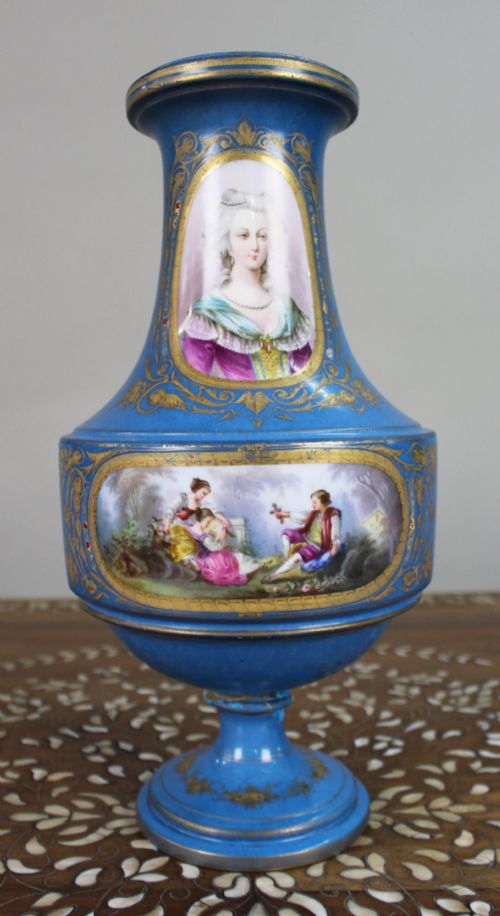
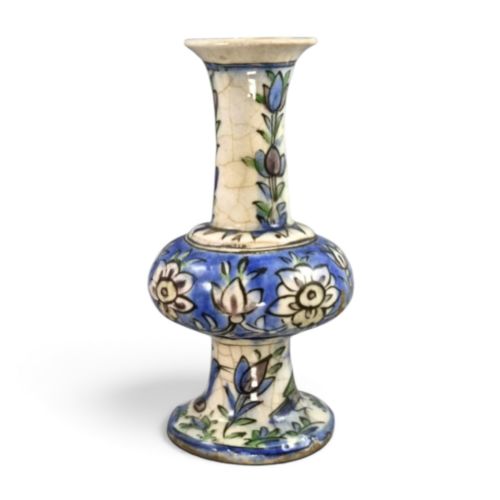
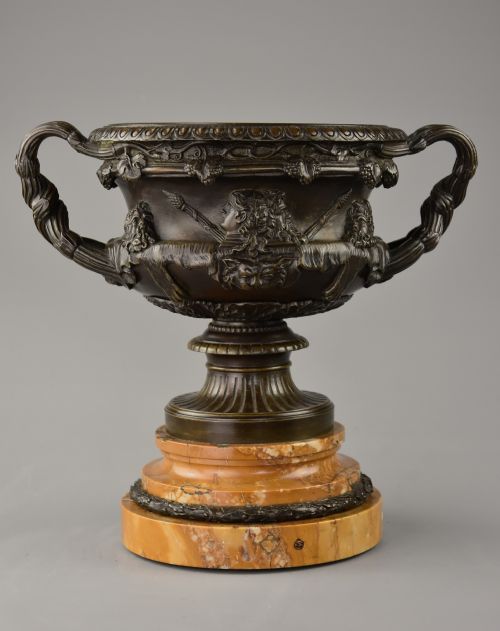
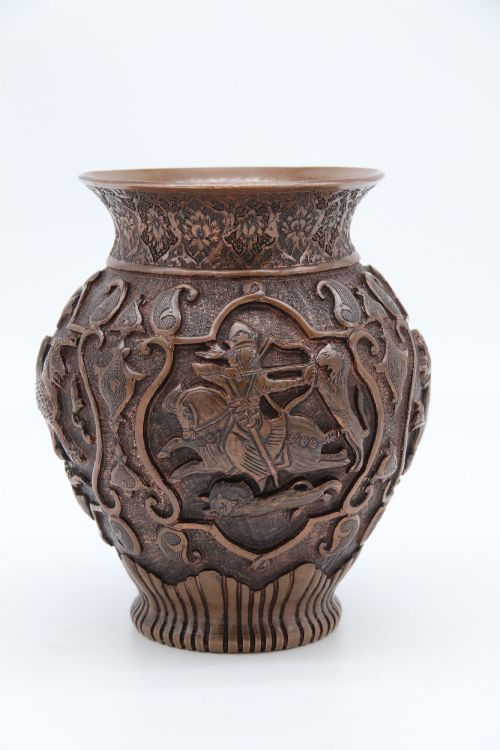
The pieces on this page span diverse cultural traditions, including Qing Dynasty Chinese baluster jars, Persian glazed ceramics, and European porcelain made in the manner of Sèvres and Royal Vienna. Forms range from miniature cabinet vessels to large floor-standing decorative urns and pieces later converted into table lamps.
Makers and factories of this era embraced both traditional hand-painting and new industrial techniques, resulting in items that served as mantel garnitures, scholarly display pieces, or focal points in Victorian drawing rooms.
How they were made
Manufacturing methods of this era combined skilled handcraft with emerging industrial techniques across ceramic, metal, and glass workshops. Porcelain pieces frequently utilised hand-painted enamels, gilding, and specialised techniques like pâte-sur-pâte, where layers of liquid porcelain build low-relief designs.
Metal vessels relied on bronze, brass, copper-alloy casting, and champlevé or cloisonné enamel work, where thin metal wires or recesses hold coloured glass pastes before firing. Glassmakers in Bohemia, England, and France employed wheel engraving, polychromatic enamelling, and iridescent treatments to achieve striking surface textures.
Late 19th Century Vase Retail Price Guide 2026
Typical asking prices for late 19th century vase among the pieces listed under this phrase on Sellingantiques today, from the lower quarter to the upper quarter. They describe what is for sale here now, not the wider market.
The inventory includes multiple examples of Japanese Satsuma, Chinese blue and white, and French Sèvres-style porcelain.
What varies in quality
Quality in these vessels is determined by the crispness of execution, the precision of hand-painted details, and the integrity of the materials used. Superior examples display finely rendered figures, carefully applied gold leaf or gilding, and balanced proportions that reflect the high skill of the artisan or factory.
The distinction between standard commercial output and exceptional works often lies in the depth of relief, the complexity of the glaze or enamel work, and whether the piece bears a recognised signature, atelier mark, or attribution to a notable designer.
Jules Moigniez·Samson of Paris·Christopher Dresser·Ernst Wahliss·Doulton Burslem
The Late 19th Century Vase Glossary
- Baluster
- A vertical architectural form with a rounded lower body and a narrower neck. This shape is frequently found in Chinese and European ceramic vases.
- Cloisonné
- An enamel decorating technique where metal wires are soldered to a metal base to create compartments filled with paste and fired. It appears frequently on Japanese and Chinese metal vessels.
- Campana
- A bell-shaped urn or vase form popular in classical and revival metalwork. These vessels often feature flared rims and stepped plinth bases.
- Imari
- A style of Japanese export porcelain decorated in underglaze blue, iron red, gold, and supplementary colours. It was widely produced for Western markets during the Meiji period.
- Pâte-sur-pâte
- A ceramic technique involving the building of raised white or coloured paste designs upon a contrasting clay body before glazing. This method creates a cameo-like relief effect.
Late 19th Century Vase: Frequently Asked Questions
How do I clean an antique vase?
Dust ceramic and glass surfaces gently with a soft, dry cloth to prevent abrasion. Avoid submerging metal-mounted or gilded pieces in water, as moisture can damage adhesives and delicate patinas.
For unglazed interiors, use compressed air rather than liquid cleaners. Professional conservation is recommended for pieces with fragile enamel or exposed metal elements.
Were these vases used for flowers?
Many vessels served primarily as decorative garnitures, mantel ornaments, or status symbols rather than functional flower holders. European porcelain sets and large bronze urns were designed to enhance architectural room schemes.
Some smaller forms, such as bud vases and cabinet pieces, accommodated cut stems, while larger jars held potpourri or dry botanical arrangements.
How do I identify a Meiji period Japanese vase?
Meiji period metalwork and ceramics often feature distinct signatures, mon family crests, or imperial factory marks on the base. Stylistic motifs include detailed figural processions, birds, and flora rendered in bronze, Satsuma earthenware, or cloisonné.
These pieces reflect the opening of Japanese trade to Western markets and combine traditional iconography with export-driven craftsmanship.
Can converted lamp vases be restored?
Vases drilled for electrical wiring during past conversions can sometimes be restored by professional ceramicists, though the alteration remains part of the object's history. Many collectors choose to maintain the lamp wiring for practical interior use.
When evaluating converted pieces, examine the placement of the drill hole to ensure the structural integrity of the ceramic or metal body remains sound.