


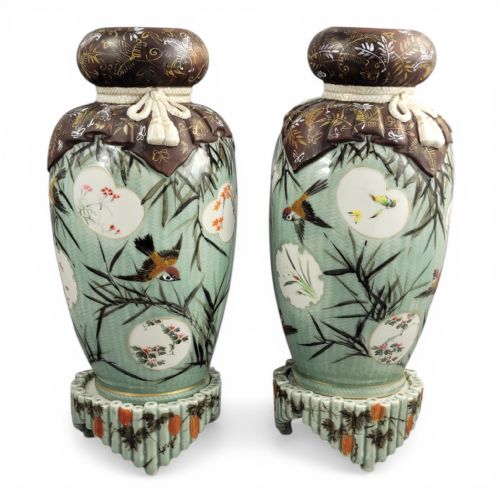

Oriental Floor Vases
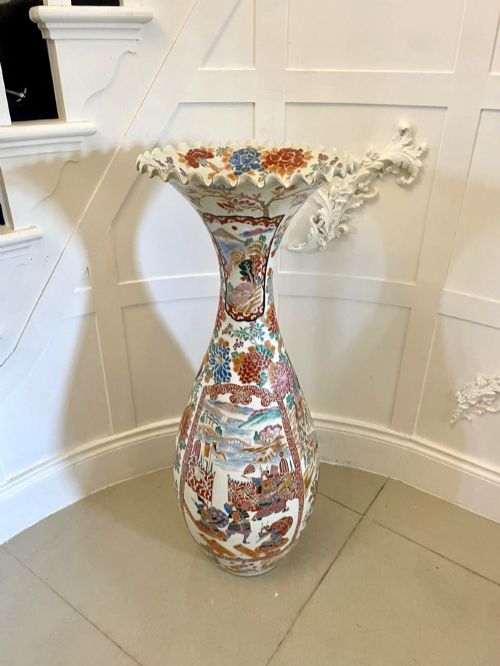
Oriental floor vases command attention in any large interior, bringing monumental scale and intricate hand-painted detail from nineteenth-century workshops.
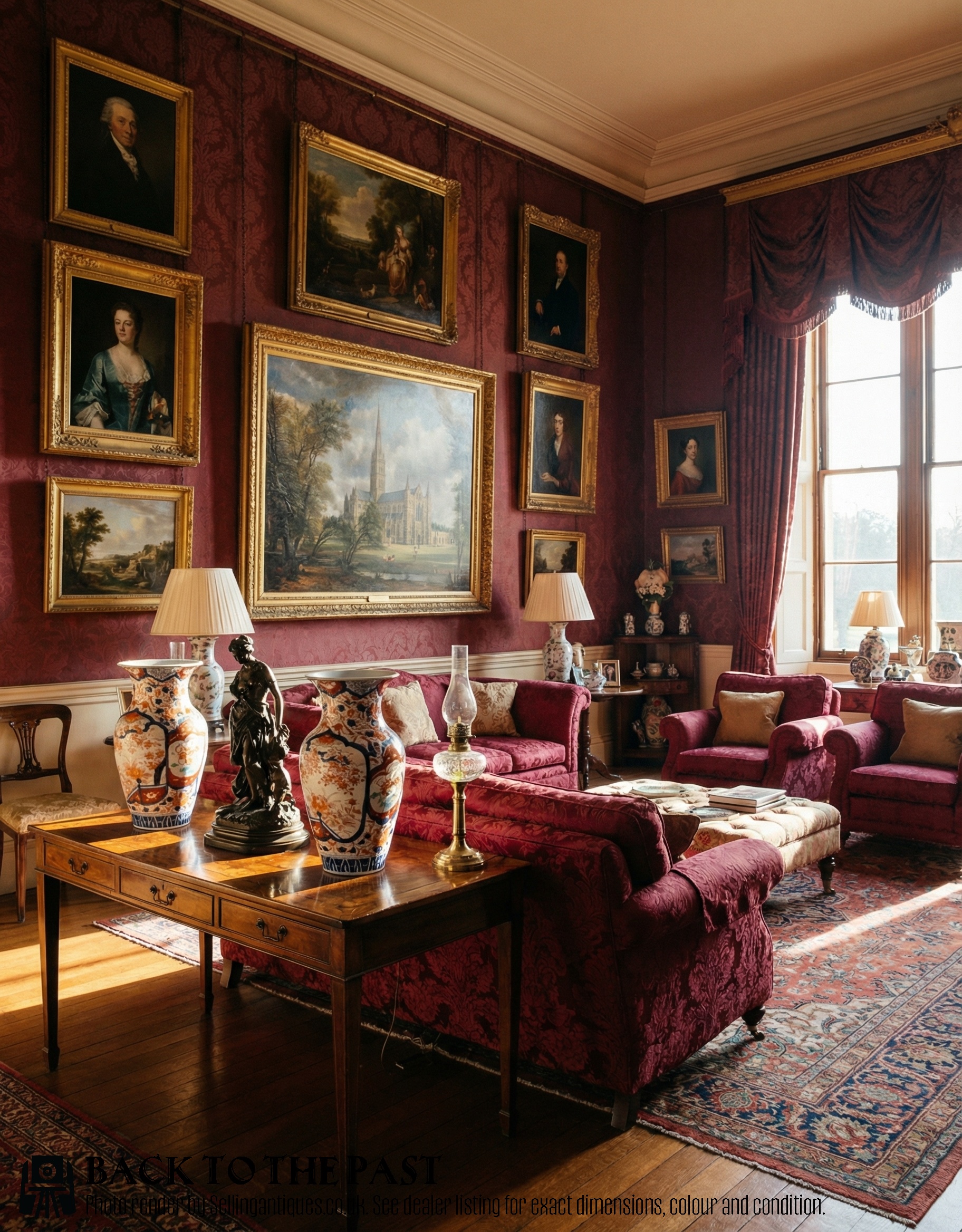
Oriental Floor Vases
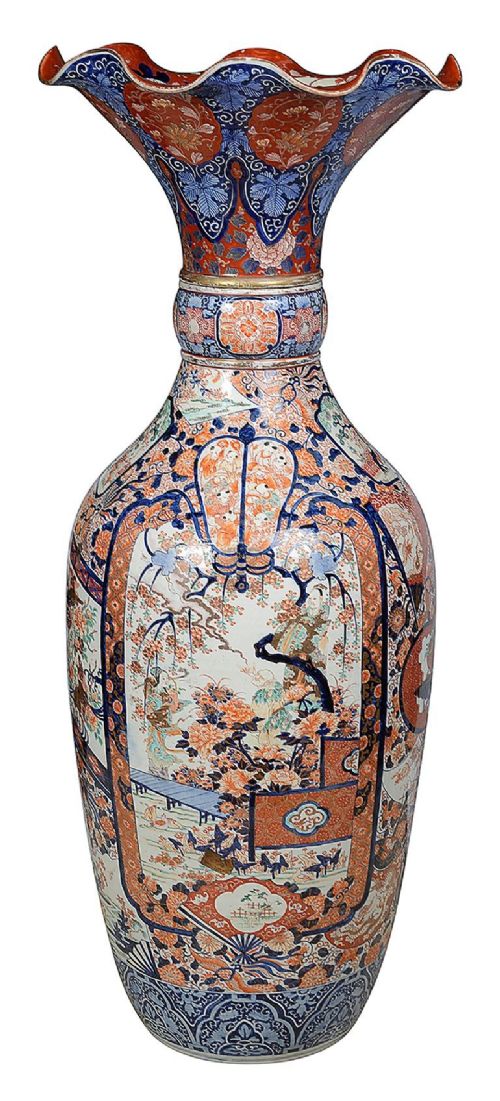
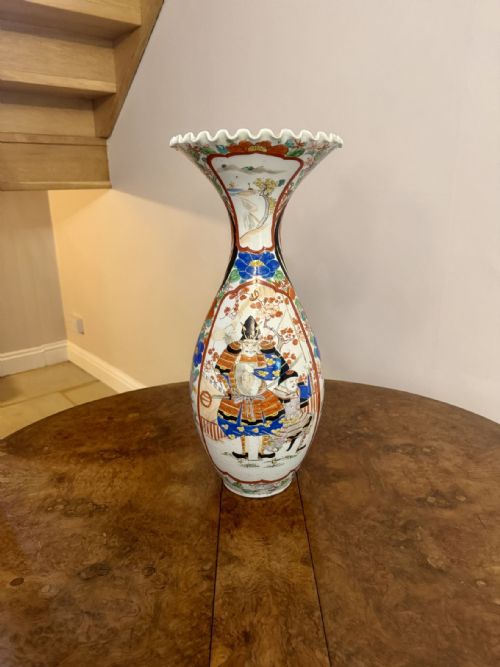
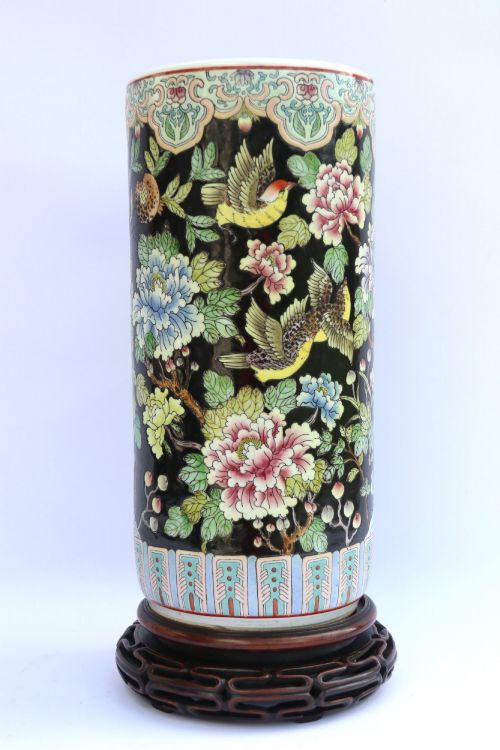
Oriental floor vases encompass tall ceramic and bronze vessels made primarily during the nineteenth century, including Japanese Imari, Satsuma, and Chinese Qing dynasty wares. These imposing pieces often stand well over a metre in height, designed specifically as architectural statement pieces for grand halls and reception rooms.
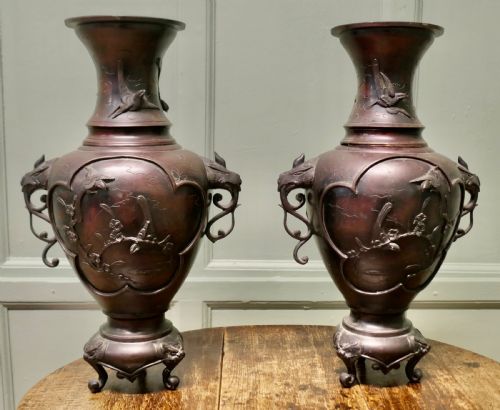
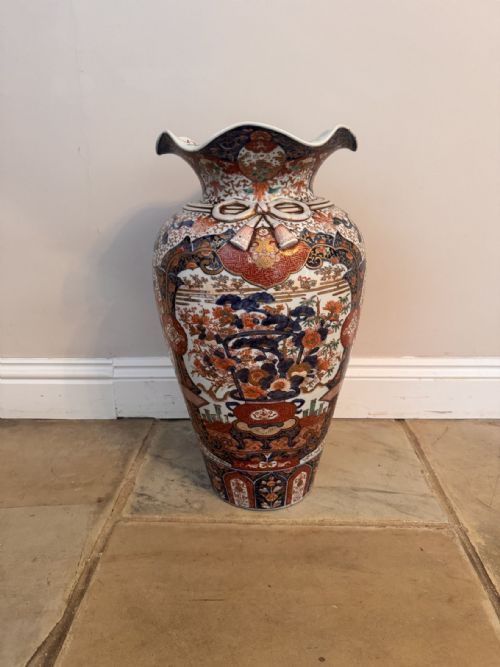
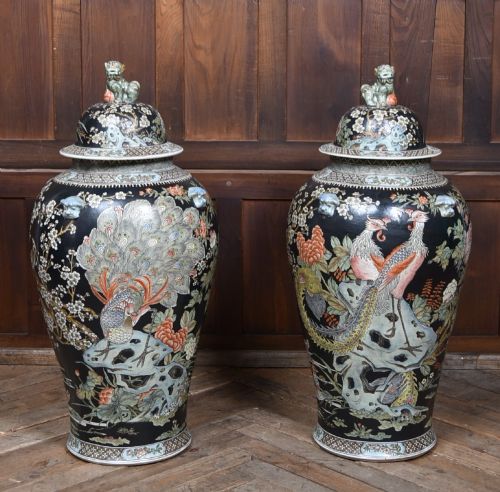
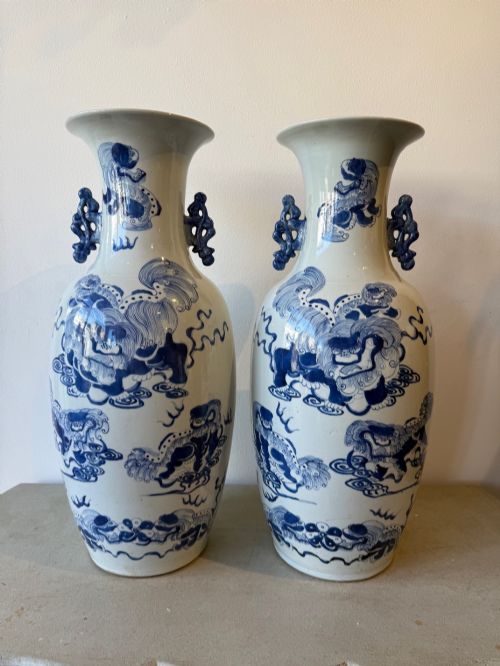
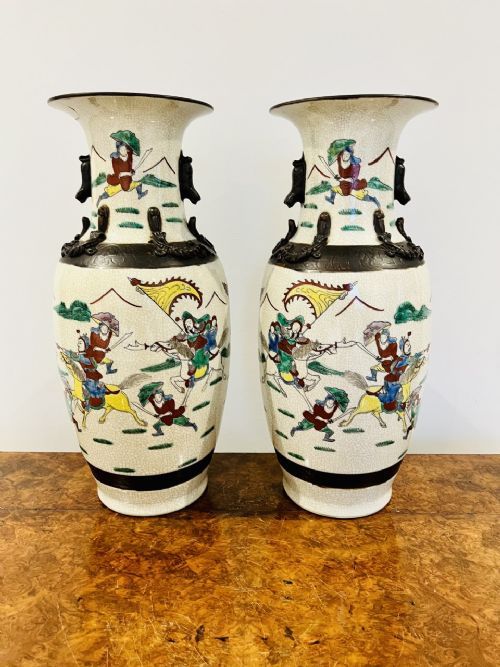
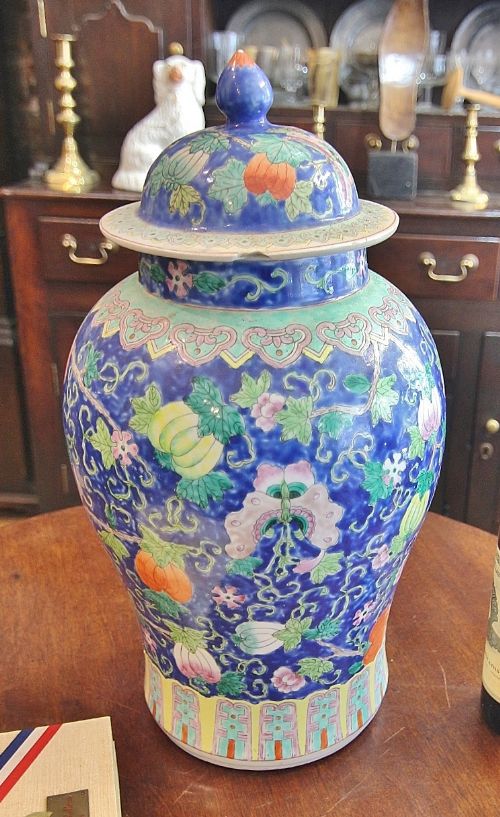
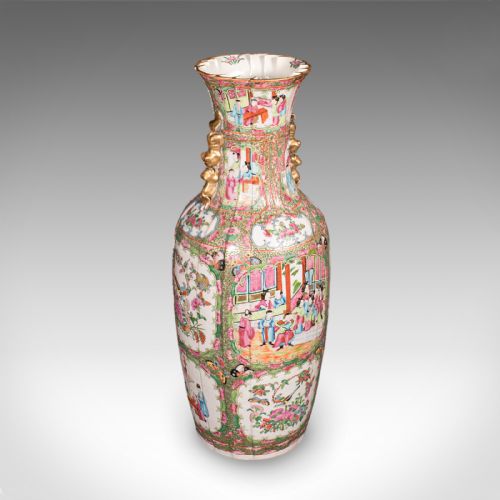
Buyers will most frequently encounter Japanese Imari and Satsuma vessels alongside Chinese famille rose and blue and white palace jars. Pairs dominate the selections, offering symmetrical impact alongside single monumental floor standing examples.
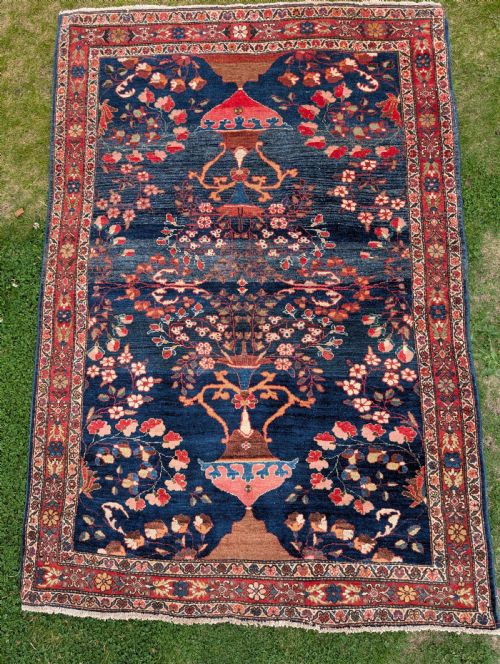
The category also stretches to incorporate related large-scale forms such as temple jars, lidded vessels, and cloisonne enamel palace pieces. Occasionally, the search leads to Persian carpets featuring traditional vase motifs, linking ceramic artistry to woven floor coverings.
Materials and construction methods
Porcelain and earthenware form the rigid bodies of these large vessels, shaped in sections before being fired in high-temperature kilns. Artisans applied cobalt blue underglazes or complex polychrome enamels, often supplemented by rich applications of gold leaf and gilt.
Cloisonne examples utilise delicate metal wires soldered to a bronze or copper base to create compartments for vibrant enamel pastes. Bronze vessels rely on traditional casting techniques, sometimes incorporating applied lacquer panels or geometric insets.
Many of the grandest examples require matching original hardwood stands or porcelain bases to support their substantial weight and elevate the vessel properly. Glazing treatments vary from glossy finishes to specialised cracked glaze effects that add tactile depth to the surface.
Listings span the nineteenth and twentieth centuries, uniting Japanese porcelain, Chinese Qing dynasty ceramics, and Persian wool carpets under large-scale decorative forms.
Markers of distinction and finesse
The standard of painting separates ordinary production pieces from exceptional works of art, evident in the precision of brushwork and the complexity of figural or floral scenes. Master workshops employed superior mineral pigments and heavier gilding that retained vibrancy and depth.
Scale combined with structural integrity dictates the desirability of monumental floor jars, where maintaining a straight vertical axis during high-temperature firing required immense skill. The survival of matching original stands or covers adds considerable contextual completeness to a pair.
Artisanal attribution elevates specific pieces, particularly when signed by renowned makers or associated with distinguished historical provenance. The crispness of the enamel work and the absence of firing distortions distinguish the finest studio output from standard commercial output.
Kato Sanhei·Kinkozan
The Oriental Floor Vases Glossary
- Imari
- A style of Japanese porcelain featuring a distinct palette of underglaze blue, iron red, and gilt. It originated in Arita and became widely exported to Europe during the nineteenth century.
- Famille rose
- A major palette of Chinese ceramic enamels dominated by opaque pink or purple, introduced during the Qing dynasty. This technique allowed for subtle tonal gradations in floral and figural motifs.
- Cloisonne
- An ancient metalworking technique where flat wires are soldered onto a vessel body to form cells that are filled with enamel paste and fired. It produces richly coloured geometric and pictorial designs.
- Satsuma
- A type of Japanese earthenware characterised by a pale, ivory-coloured cracked glaze decorated with polychrome enamels and gilding. Pieces often depict dense figural scenes or natural landscapes.
- Baluster
- A vase shape featuring a rounded body that tapers towards the base and flares at the neck. This classical silhouette provides stability for tall floor-standing display.
Oriental Floor Vases: Frequently Asked Questions
How do I display an oriental floor vase safely?
These large vessels require stable, level placement away from high-traffic household pathways to prevent accidental knocks. Using their original hardwood stands or heavy ceramic bases ensures proper weight distribution across the floor.
Because of their monumental height, avoid placing them in direct sunlight which can affect delicate enamel colours over many years. Position them in corners or spacious hallways where their scale can be appreciated without obstruction.
What is the difference between Imari and Satsuma wares?
Imari pieces are made of hard-paste porcelain fired at high temperatures, typically displaying crisp cobalt blue and iron red designs with generous gilding. They possess a resonant ring when tapped and a smooth, vitreous surface.
Satsuma pieces consist of earthenware with a characteristic network of fine decorative craquelure across an ivory glaze. The enamel decoration is usually denser, softer in tone, and heavily detailed with gold leaf.
How can I tell nineteenth-century pieces from later copies?
Nineteenth-century works display naturalistic hand-mixed mineral pigments with slight irregularities in the brushwork that reveal the artisan's hand. The weight of the porcelain or bronze, combined with age-appropriate wear to the gilding, helps confirm authenticity.
Later mass-produced decorative items often feature mechanical dot-matrix patterns under magnification rather than fluid hand-painting. Examining the base unglazed areas also reveals the natural ageing of the clay body over time.