




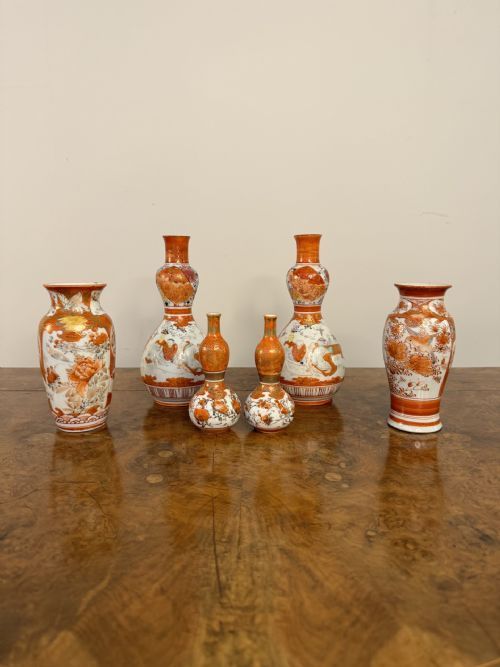
Antique Japanese Export Porcelain
Antique japanese export porcelain brings together intricate enamel painting and robust ceramic forms made for international markets.
Antique Japanese Export Porcelain
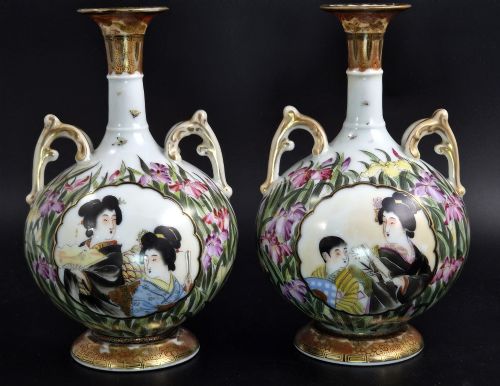
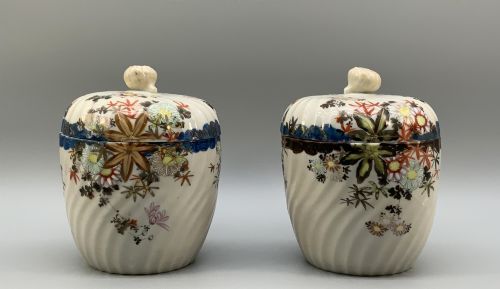
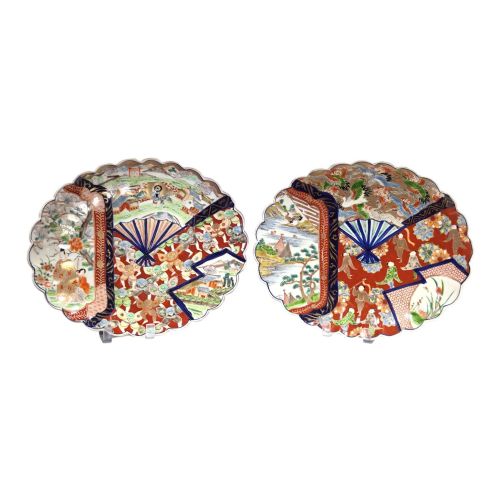
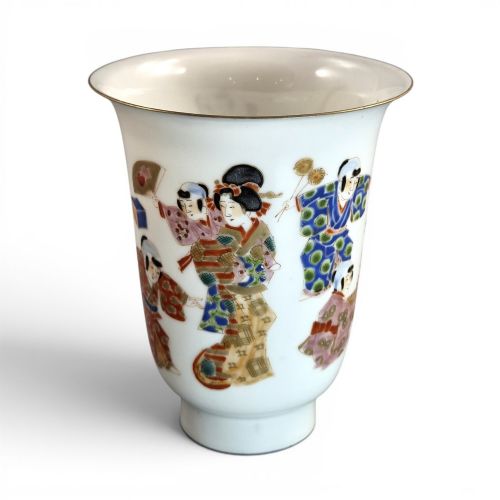
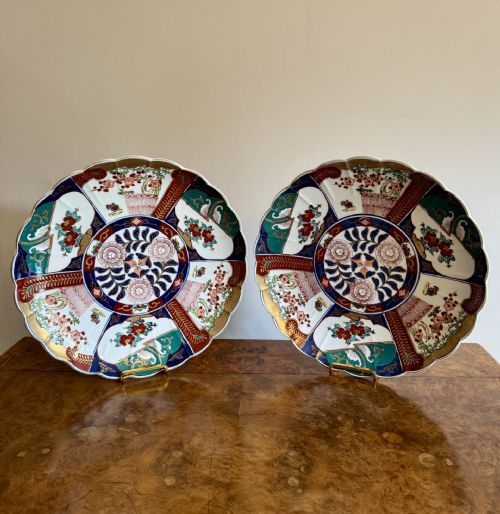
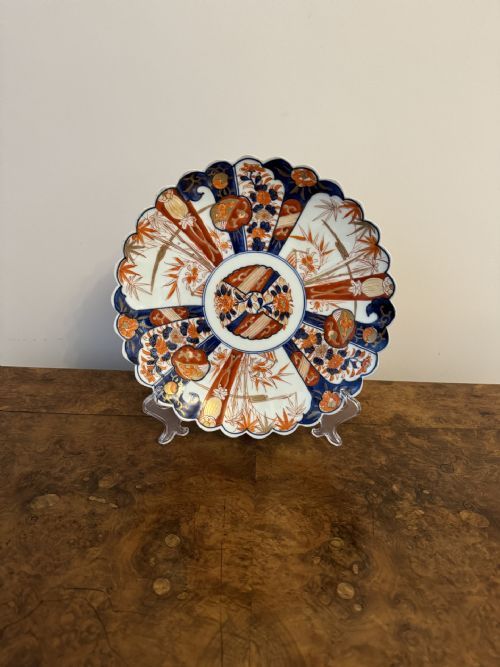
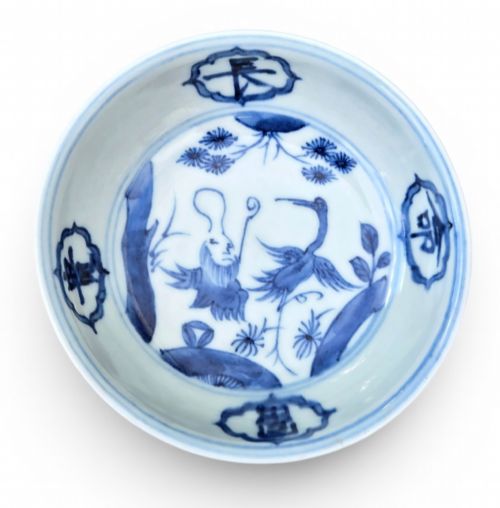
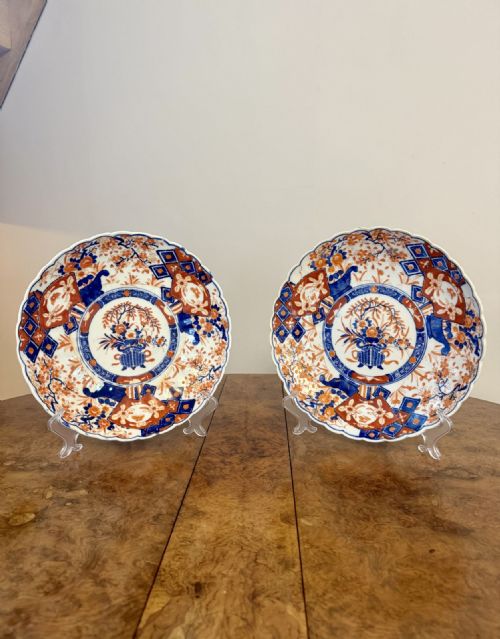
When you search for antique japanese export porcelain, you encounter items made for overseas trade spanning the Edo, Meiji, and Taisho periods. These pieces include large chargers, decorative plates, scalloped bowls, lidded jars, and vases that reflect distinct regional styles.
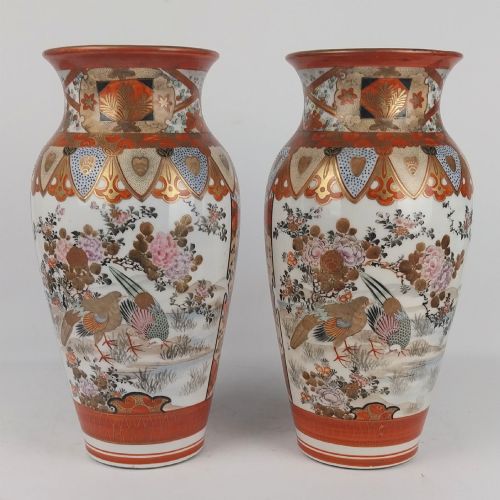
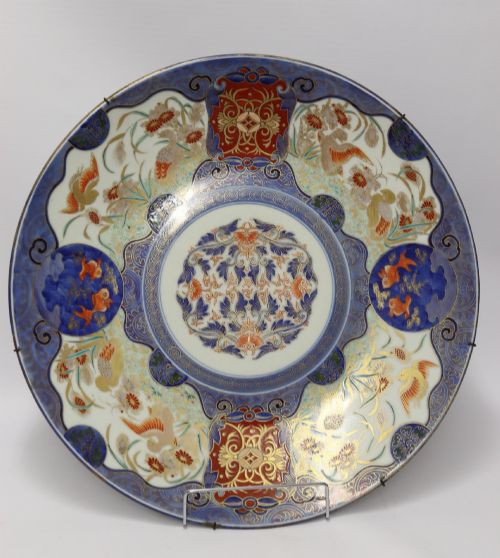
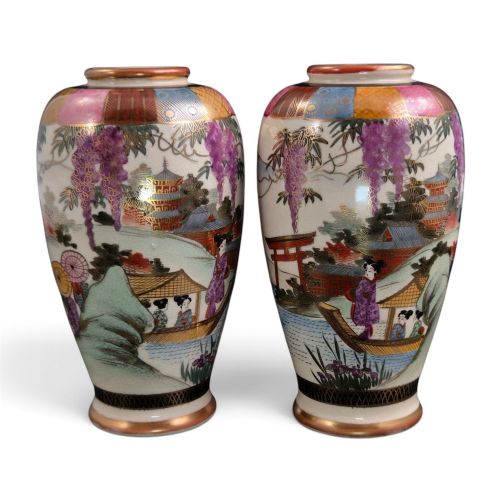
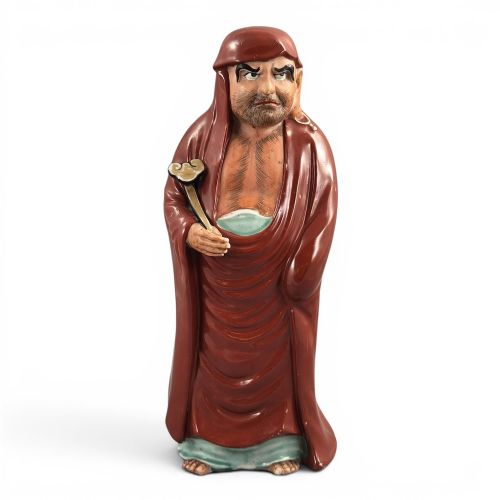
You are most likely to meet Imari ware featuring iron-red and blue decoration, alongside Satsuma earthenware and Kutani porcelain. The forms range from cabinet vases to monumental garnitures and figural okimono.
The objects bridge domestic Japanese craft traditions and the aesthetic demands of Western interiors from the seventeenth century through the early twentieth century.
Materials and production
Potters shaped these vessels from ceramic, earthenware, and fine porcelain bodies, applying glaze before hand painting intricate motifs in enamel and gold leaf or gilding.
The decoration relies on mineral pigments fired at high temperatures to achieve the deep blues, vibrant reds, and metallic highlights characteristic of Kutani, Satsuma, and Arita workshops.
Antique Japanese Export Porcelain Retail Price Guide 2026
Typical asking prices for japanese export porcelain among the pieces listed under this phrase on Sellingantiques today, from the lower quarter to the upper quarter. They describe what is for sale here now, not the wider market.
Listings include items spanning the Edo, Meiji, and Taisho periods, utilising porcelain, earthenware, enamel, and gold leaf.
Distinctions in standard
The standard of execution lies in the precision of the hand painting, the clarity of the enamel colours, and the refinement of the ceramic body, such as eggshell porcelain or heavy-gauge chargers.
Exhibition quality pieces display meticulous detail in figural scenes and botanical motifs, while standard commercial wares show broader brushwork and simpler repeating patterns.
Takasaka Toemon·Hododa·Kinkozan Kyoto
The Antique Japanese Export Porcelain Glossary
- Imari
- A style of Japanese porcelain decorated in underglaze blue, iron-red, and gold, named after the port from which the wares were shipped. This palette became immensely popular in European interiors during the seventeenth and eighteenth centuries.
- Satsuma
- A type of earthenware with a crackled ivory glaze, typically decorated with elaborate polychrome enamels and gilding. These pieces often feature figurative scenes, landscapes, and family crests.
- Kutani
- Japanese porcelain or ceramic identified by bold colour schemes, frequently dominated by greens, blues, yellows, and purples. The tradition encompasses both figurative subjects and geometric borders.
- Okimono
- A standalone Japanese decorative carving or figurine intended for display in a tokonoma alcove or cabinet. These figures portray deities, historical figures, or daily life.
- Charger
- A large ornamental plate designed primarily for display on a wall or dresser rather than for dining use. These large surfaces offered makers space for complex pictorial compositions.
Antique Japanese Export Porcelain: Frequently Asked Questions
What is Imari porcelain?
Imari porcelain refers to wares decorated in a distinctive palette of underglaze blue, iron-red, and gold. These items were produced in the Hizen province around Arita and exported through the port of Imari.
The style developed during the Edo period and found a ready market in European courts and households, where pieces were displayed in grand reception rooms.
How do I date Satsuma ware?
Satsuma ware spans multiple eras, with marked increases in export production occurring during the Meiji period. Makers and studios often applied specific mon or signatures to the base.
Examining the weight of the ceramic body, the fineness of the crackle glaze, and the complexity of the enamel work helps establish whether a piece belongs to the nineteenth or early twentieth century.
Where were these ceramics made?
These ceramics originated in kilns located in regions such as Arita, Kyoto, and the Satsuma domain. Each area developed specialised clay bodies, glaze recipes, and painting traditions.
The finished goods travelled to coastal ports for distribution to international buyers in Europe and America.
How should I display chargers?
Chargers are large decorative plates suited for mounting on walls using secure plate hangers or standing upright on plate rails within a cabinet. Their broad diameters showcase intricate central medallions and border patterns.
Placing them away from direct sunlight preserves the vibrancy of the hand-applied enamels and gold leaf.