





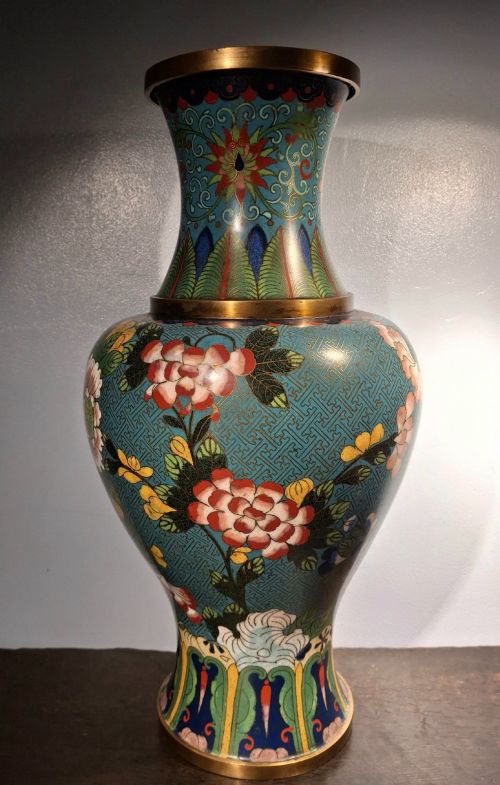
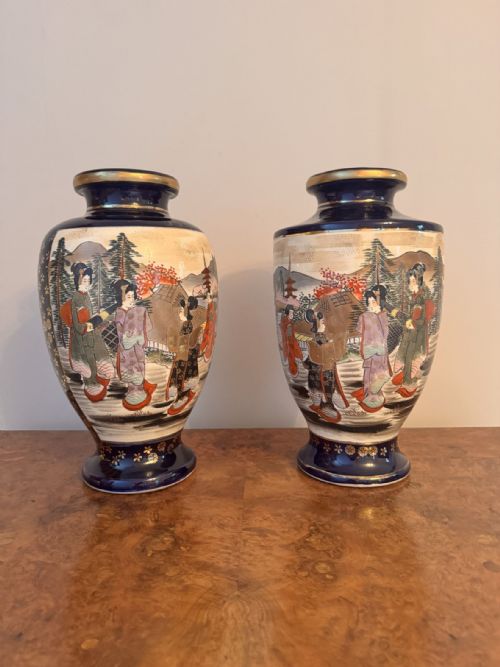
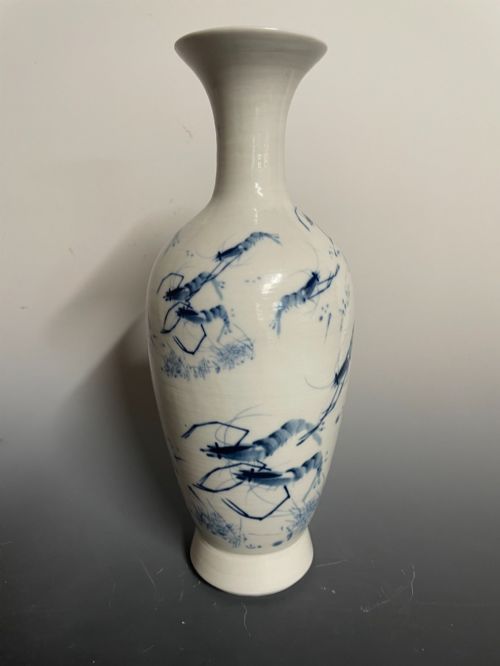
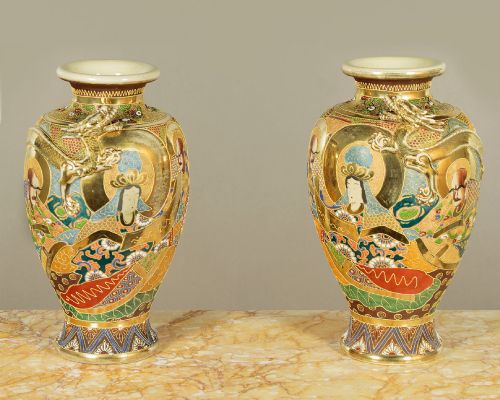

Vintage Oriental Porcelain Vases
These vintage oriental porcelain vases bring rich hand-painted detail and centuries of ceramic tradition directly into your interior.
Vintage Oriental Porcelain Vases
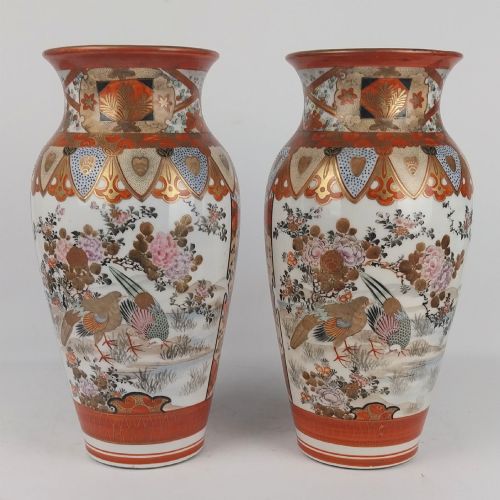
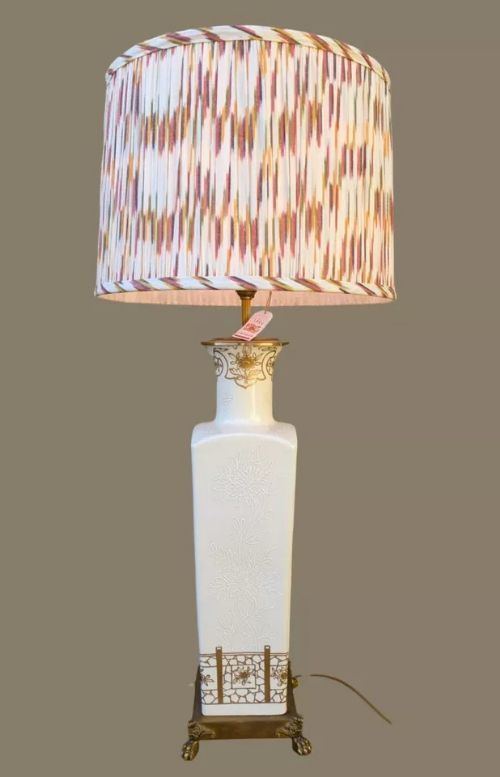
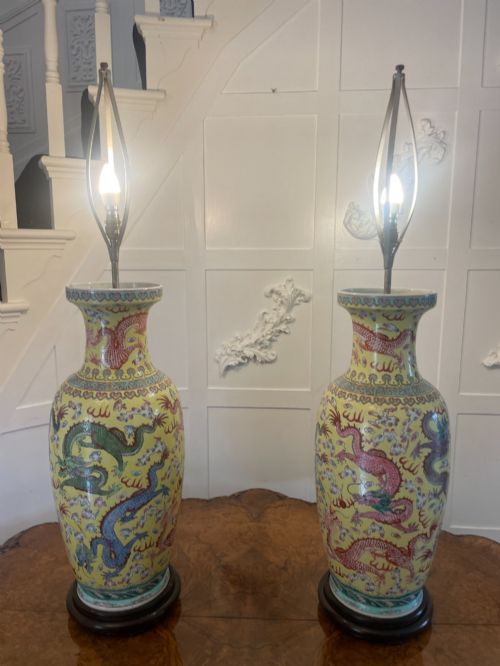
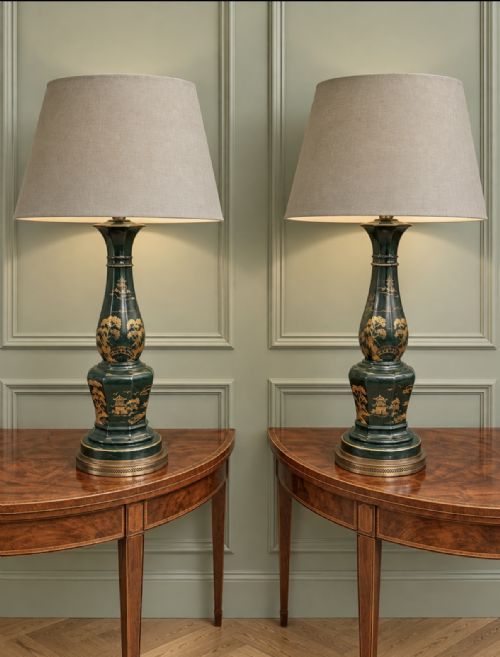
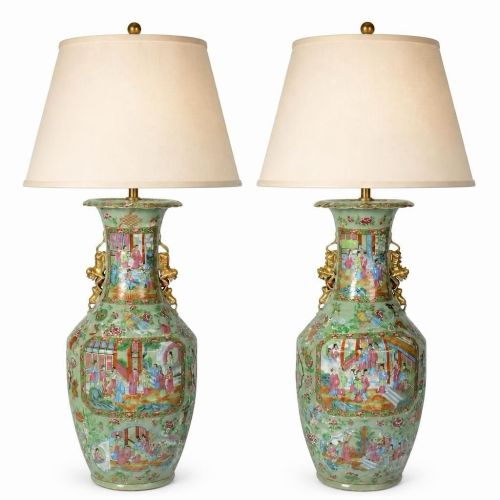
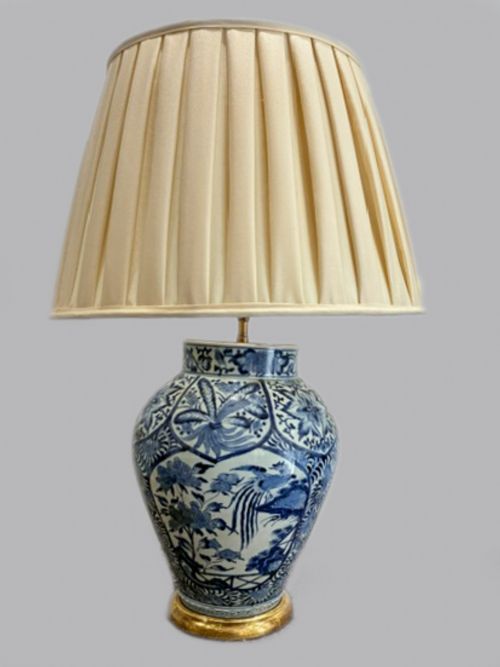
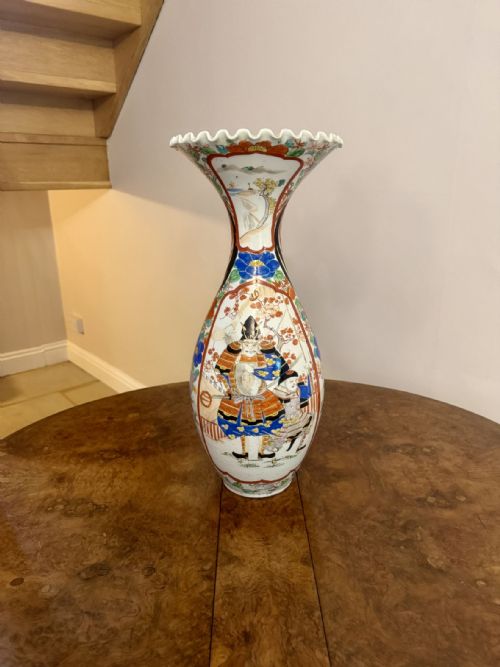
Many of these pieces arrive from the Meiji period and the nineteenth century, reflecting sustained international trade and export artistry. You will regularly find vessels that have been adapted into table lamps using brass bases and fabric elements.
The inventory ranges from small miniature vases to large floor-standing decorative items and covered jars. Traditional Chinese aesthetics and Japanese export styles dominate the forms currently available.
Materials and construction techniques
The makers formed these vessels using hard-paste porcelain, earthenware, and ironstone, applying mineral-rich glazes before high-temperature firing. Enamel decoration and gold leaf accents frequently embellish the surfaces, adding intricate texture and layered colour.
Production techniques involved both traditional throwing and moulding methods, paired with hand-painted underglaze blue and overglaze enamel work. Brass fittings and wooden components appear on pieces that were later converted for domestic lighting.
Vintage Oriental Porcelain Vases Retail Price Guide 2026
Typical asking prices for vintage oriental porcelain vases among the pieces listed under this phrase on Sellingantiques today, from the lower quarter to the upper quarter. They describe what is for sale here now, not the wider market.
Materials span traditional porcelain and earthenware alongside brass mounts, gold leaf accents, fabric shades, and wooden display elements.
Distinguishing the finer examples
Quality rests in the precision of the hand-painted brushwork and the complexity of the figural or floral composition. Finer pieces display crisp, detailed enamel work and deliberate application of gold leaf rather than rushed, repetitive motifs.
The depth of the glaze and the structural integrity of the ceramic body separate standard export wares from exceptional studio pieces. Preservation of the original hand-painted details without excessive rubbing indicates superior historic care.
Chosei·Hicks and Meigh·Carlton Ware
The Vintage Oriental Porcelain Vases Glossary
- Imari
- A style of Japanese porcelain decorated in underglaze blue and overglaze red, green, and gold. This distinct palette originated in Arita and became widely popular for export.
- Satsuma
- A type of earthenware from Japan featuring a cracked ivory glaze decorated with polychrome enamels and gilding. These pieces often depict elaborate figural processions and nature scenes.
- Ginger Jar
- A decorative ceramic vessel featuring a rounded body and a matching cover, originally used for storing spices. Today these jars function primarily as standalone display items.
- Chinoiserie
- European decorative style reflecting Chinese artistic influences. This aesthetic appears on ceramic lamps and vases produced in the West during the early twentieth century.
- Meiji Period
- A significant era in Japanese history spanning from eighteen sixty-eight to nineteen twelve. Works from this time display refined export craftsmanship and detailed pictorial scenes.
Vintage Oriental Porcelain Vases: Frequently Asked Questions
What is Satsuma ware?
Satsuma ware is a distinct type of Japanese pottery characterised by a warm, ivory-coloured crackle glaze. Artisans decorated these surfaces using dense polychrome enamels and raised gold leaf.
These pieces frequently depict historical figures, landscapes, and detailed court scenes. They range from small cabinet miniatures to large decorative vases and lamp conversions.
How do I identify Imari porcelain?
Imari porcelain is instantly recognisable by its traditional tripartite colour scheme of underglaze cobalt blue, iron red, and abundant gold highlights. This decorative style emerged from the Japanese town of Arita.
Craftsmen applied intricate floral and geometric patterns that covered almost the entire ceramic surface. The resulting palette remains one of the most distinctive signatures of nineteenth-century export ware.
Were these vases made as lamps?
Many of these porcelain vases were originally produced as display vessels and were converted into table lamps at a later date. This adaptation often occurred during the twentieth century to suit contemporary domestic interiors.
Wiring and brass mounts were added while keeping the historic ceramic body intact. You will find various examples where the original form serves a functional lighting purpose.
How do I care for antique porcelain?
Antique porcelain and enamel surfaces require gentle cleaning with a soft, dry cloth to remove dust. Avoid using chemical cleaners or abrasive materials that can damage delicate gold leaf and overglaze enamels.
Keep these vessels away from direct sunlight and areas subject to sudden temperature fluctuations. Proper placement ensures the stability of both the ceramic body and any historic lamp conversions.