


Antique Kutani Vase
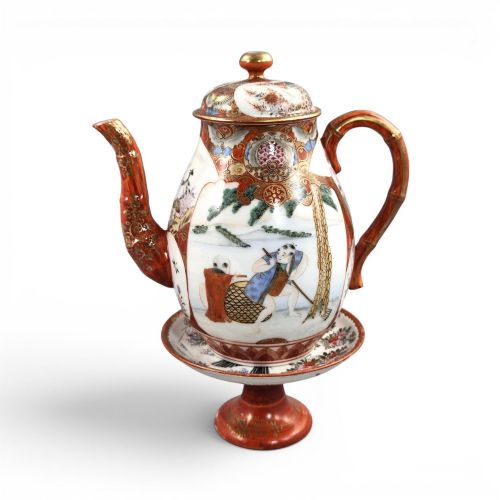
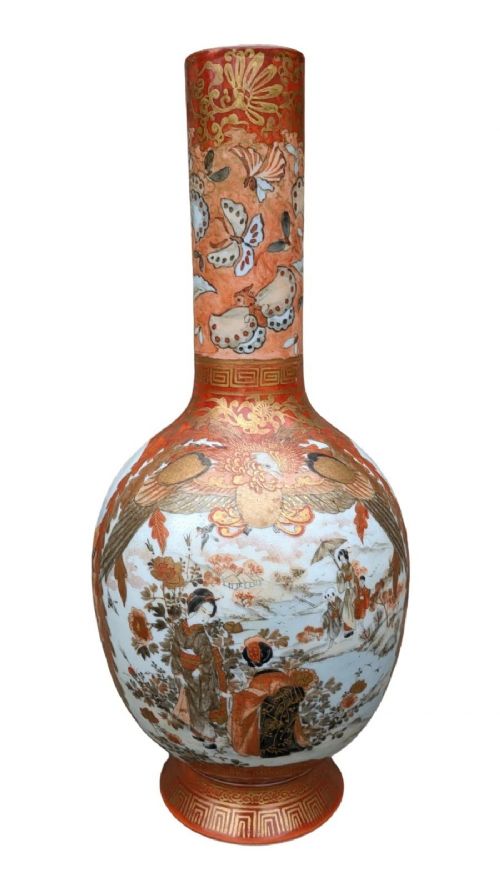
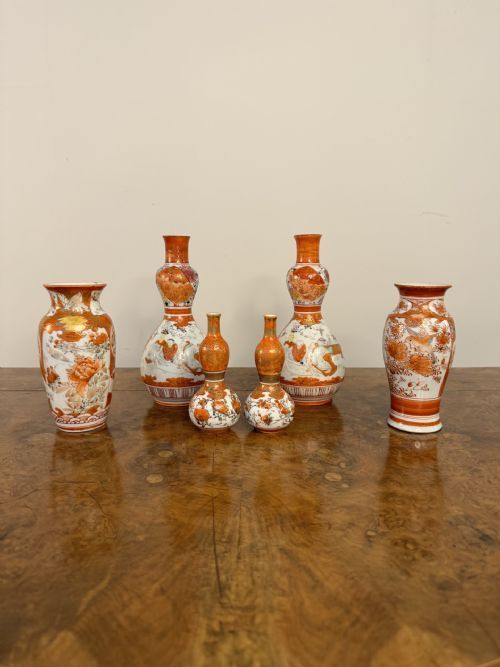
These pieces of antique kutani vase show the characteristic palette and hand-painted detail that define traditional Japanese ceramic artistry.
Antique Kutani Vase
When you search for an antique kutani vase, you encounter items predominantly originating from the Meiji period and the nineteenth century. The selection includes single vessels, matched pairs, and pieces adapted into table lamps alongside related forms like teapots and ewers.
Most examples demonstrate the characteristic decorative styles associated with Japanese export wares from this era. These range from standard cylindrical shapes to large flared neck vessels and examples featuring lion handles.
The historical span recorded in these listings covers production from the nineteenth century into the early twentieth century. Buyers will frequently encounter items dated specifically to decades such as eighteen eighty and eighteen ninety alongside broader nineteenth century attributions.
Materials and construction methods
The primary material across these objects is porcelain, shaped into vessels and finished with extensive hand-painted enamel decoration. Artisans applied detailed pigments alongside gold leaf and gilding to highlight specific motifs.
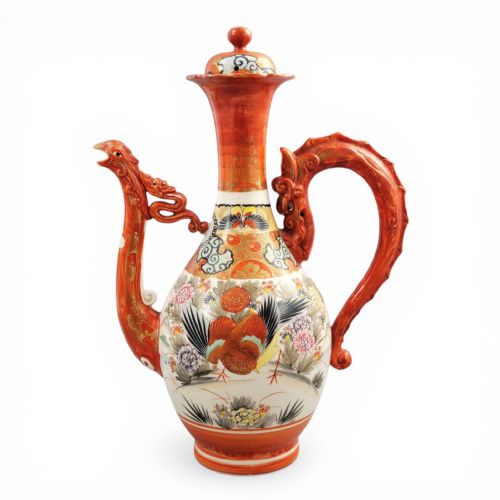
Several dragon ewers feature phoenix spouts, ensuring your shelf wildlife remains permanently conflicted.
Factors influencing quality
Differentiation in these pieces rests upon the precision of the hand-painted brushwork and the complexity of the enamel palette. Superior examples display refined figures, intricate floral motifs, and controlled application of gold leaf.
Scale and proportion also define the higher tier of these wares, particularly in large pairs and heavy cylindrical or flared neck vessels. Pieces carrying specific workshop attributions demonstrate distinct craftsmanship that separates them from standard commercial output.
Kinrin Workshop
The Antique Kutani Vase Glossary
- Meiji Period
- The era in Japanese history spanning from eighteen sixty-eight to nineteen twelve, during which a vast quantity of export porcelain was produced.
- Moriage
- A ceramic technique involving the application of clay slip in raised dots or patterns beneath the glaze.
- Enamel
- Vitreous coloured composition fused to the porcelain surface through firing to create vibrant pictorial designs.
- Gilding
- The application of gold leaf or powdered gold paint to accentuate rims, handles, and decorative borders.
- Ewer
- A large jug or pitcher with a spout and handle, occasionally produced alongside traditional vases in this ceramic tradition.
Antique Kutani Vase: Frequently Asked Questions
How do I date an antique kutani vase?
Dating relies on stylistic indicators, historical export marks, and the specific characteristics of the porcelain body and enamel colours. Pieces from the Meiji period often exhibit distinct decorative density and colour saturation compared to later twentieth century items.
Examining the base and the wear patterns on the ceramic can also provide clues to the age of the piece. Many examples in the record carry specific decades or broad nineteenth century attributions.
Were these vases made for export?
The vast majority of these ceramics were produced specifically for Western export markets following the opening of Japan in the mid-nineteenth century. Artisans tailored the scale and decorative themes to appeal to European and American tastes of the Victorian era.
This international demand explains the presence of large pairs and robust forms intended for prominent display in western drawing rooms. Despite their export destination, the manufacturing methods remained rooted in traditional Japanese pottery techniques.
What is moriage decoration?
Moriage is a distinct ceramic technique where liquid clay is piped onto the surface of the vessel before firing to create raised, three-dimensional patterns. This textured relief is often highlighted with gold leaf or bright enamels to stand out against the background.
On these vases, you will find moriage used to outline floral elements, dragon motifs, and borders. The presence of this technique adds a tactile quality to the exterior of the porcelain.
Can I use these vases for fresh flowers?
While these vessels were originally created as decorative objects, many function adequately as containers for dry stems or display on their own. Care should be taken with antique porcelain to protect the internal glaze and avoid exposing old materials to moisture.
Several items in the record have been adapted as table lamps or paired with wooden stands, altering their primary function. Assessing the interior condition of a specific piece will help determine its suitability for holding water.
How should I display a pair of vases?
Matched pairs look best when placed symmetrically on pedestals, sideboards, or mantelpieces to balance the visual weight of the room. Their scale - ranging from small hand-painted vessels to large floor-standing examples - dictates whether they suit furniture tops or direct floor placement.
Ensuring adequate lighting will highlight the detailed enamel work and gold leaf accents characteristic of these pieces. Avoid placing them in areas subject to direct physical traffic or unstable surfaces.