





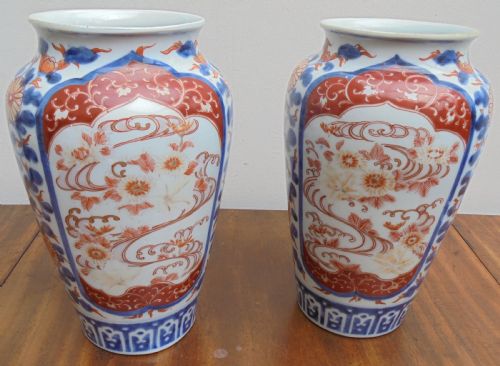
Red White Porcelain Vase
A red white porcelain vase brings together striking cobalt, copper red, and enamel pigments on fine ceramic bodies spanning centuries of Asian and European craftsmanship.
Red White Porcelain Vase
When you search for a red white porcelain vase, you encounter a diverse array of forms originating from various periods including the 17th century, 18th century, and the late Qing or Meiji eras. These pieces range from garlic-mouth vessels and jars to decorative vases and table lamps.
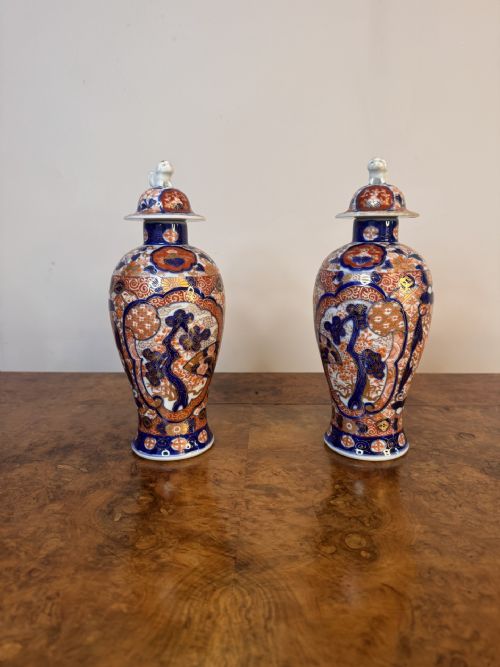
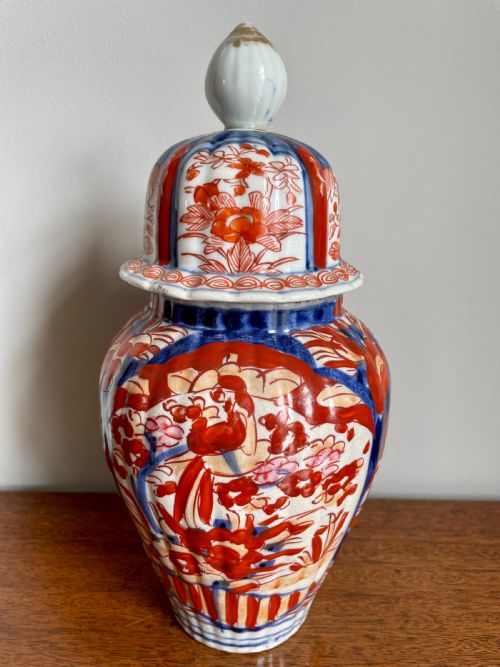
The most likely versions to meet on this page are Japanese Imari wares and Chinese export or transitional pieces, often displaying rich combinations of iron red, blue, and white glazes.
Makers and workshops across different centuries utilised traditional ceramic techniques to produce these striking objects, combining distinct regional styles with durable porcelain bodies.
Materials and Manufacture
The foundation of every piece is hard-paste or soft-paste porcelain, shaped into vessels, pots, and lamps before undergoing high-temperature firing. Potters applied underglaze blue along with enamel colours such as iron red, sometimes accented by gold leaf.
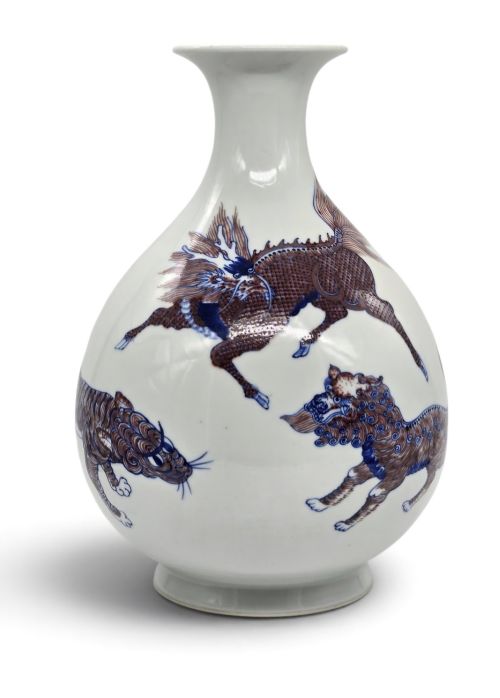
Surface decoration frequently involved intricate hand-painted pigments, encompassing motifs like mythical beasts, bamboo patterns, and Buddhistic lions. Certain items incorporated carved wood elements or fitted lids to complete the design.
Red White Porcelain Vase Retail Price Guide 2026
Typical asking prices for red white porcelain vase among the pieces listed under this phrase on Sellingantiques today, from the lower quarter to the upper quarter. They describe what is for sale here now, not the wider market.
Several vases manage to squeeze an entire menagerie of mythical beasts and bamboo thickets onto a single garlic-mouth neck.
Assessing Quality
Quality rests upon the precision of the hand-painted detail and the clarity of the underglaze pigments against the porcelain body. Finer examples display disciplined brushwork in complex scenes like mythical beasts or intricate Imari patterns.
The integrity of the glaze and the crispness of the form separate standard production pieces from superior works originating from established workshops and specific historical periods.
Kinrin Workshop
The Red White Porcelain Vase Glossary
- Imari
- A style of Japanese export porcelain characterised by a palette of underglaze blue, iron red, and gilt highlights. It gained immense popularity in Europe during the Georgian era.
- Underglaze
- A method of decorating pottery where pigments are applied to the unfired ceramic body before glazing and firing. This technique protects the painted design beneath a glassy layer.
- Transitional
- A period in Chinese ceramics bridging the Ming and Qing dynasties, known for vibrant Wucai palettes and narrative painting. Pieces from this era show remarkable technical experimentation.
- Ironstone
- A type of heavy, durable ceramic developed in the 19th century as a robust alternative to porcelain. It often carried Imari-style decorations.
- Enamel
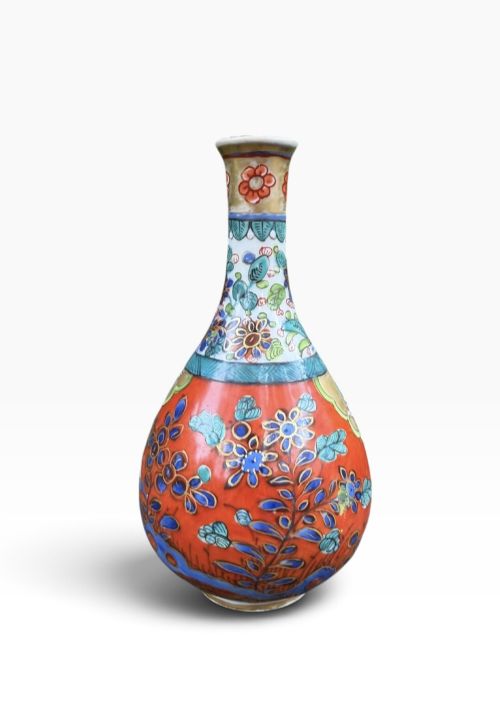
- Low-firing coloured glass applied over the fired glaze and heated a second time to fuse with the surface. It provides the vivid red and green tones seen on many jars and vases.
Red White Porcelain Vase: Frequently Asked Questions
How do I identify an antique Imari vase?
Antique Imari pieces typically feature a distinctive colour palette combining deep underglaze blue with striking iron red and supplementary enamel or gilt highlights. The porcelain body often carries traditional Japanese floral, bamboo, or geometric motifs.
Examination of the base and glaze texture helps determine the age, with 18th-century and 19th-century examples showing distinct potting characteristics compared to later reproductions.
What is Chinese transitional porcelain?
Chinese transitional porcelain refers to pieces made during the turbulent period between the Ming and Qing dynasties. These items are celebrated for their artistic freedom and the introduction of vibrant Wucai and iron red palettes.
Vessels from this era often depict narrative scenes, figures, or Buddhistic lions painted with fluid brushwork beneath a clear glaze.
Are these vases suitable for everyday use?
Most antique porcelain vases function best as decorative display pieces or ambient table lamps rather than functional water vessels. The delicate nature of historic enamels and gold leaf requires careful handling.
Placing them away from direct sunlight and cleaning them gently with a dry cloth preserves the integrity of the painted surfaces.
How can I tell the difference between 17th and 19th-century pieces?
Seventeenth-century ceramics often display the thinner, more experimental potting and pigment application characteristic of transitional and early Arita wares. The blue and red tones interact differently with the glaze compared to later production methods.
Nineteenth-century items, such as Meiji period Imari, frequently exhibit denser patterns, brighter enamel colours, and heavier porcelain bodies.