

Meiji Period Porcelain Vases
These meiji period porcelain vases bring tactile depth and rich palettes to a room, offering authentic nineteenth-century artistry for your interior.
Identifying Meiji Period Porcelain Vases
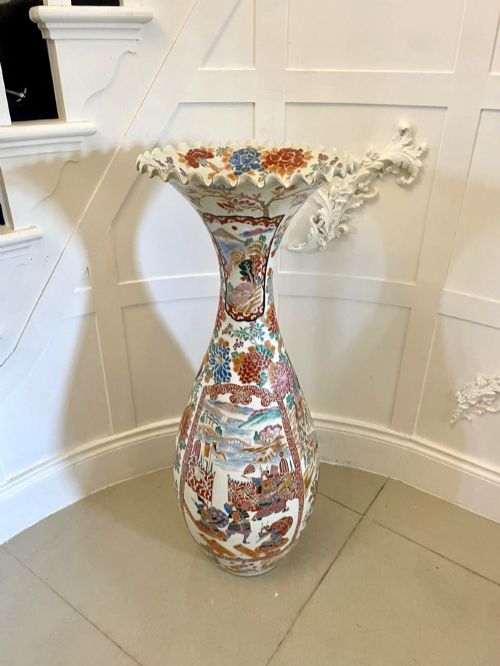
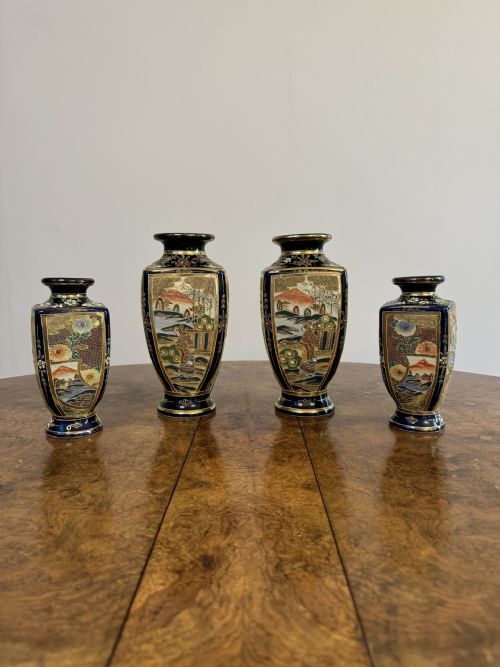
When you search for meiji period porcelain vases, you encounter decorative vessels dating from the nineteenth century up to nineteen hundred. These pieces originate from Japan and appear frequently in pairs or small collections.
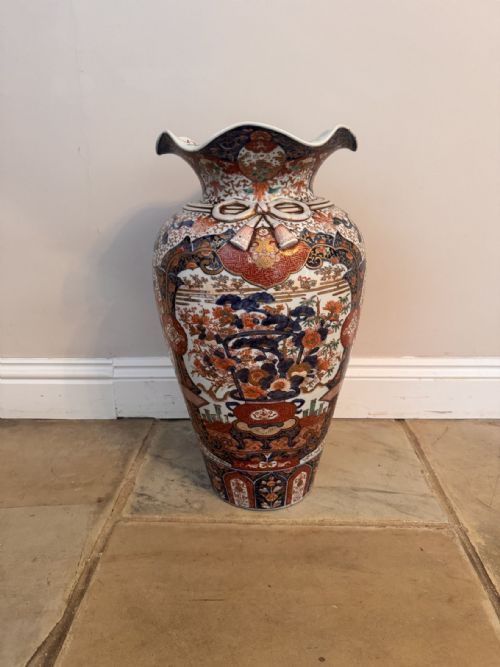
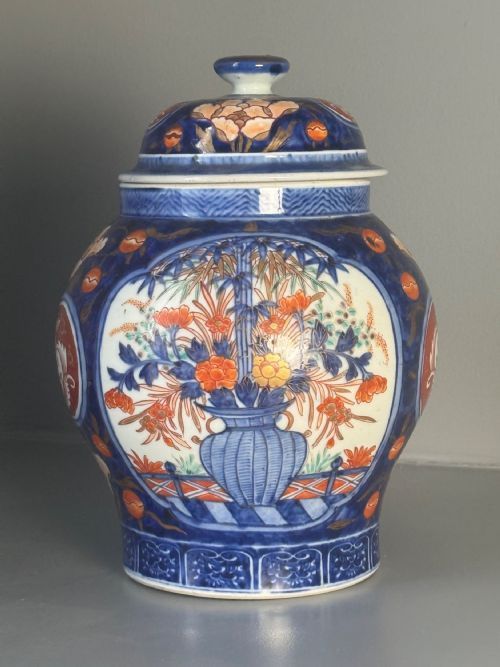
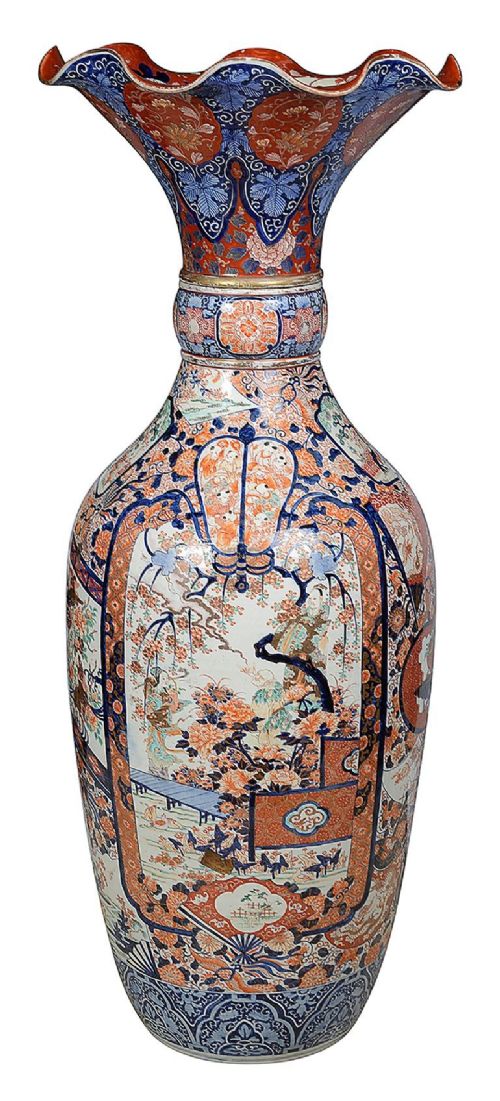
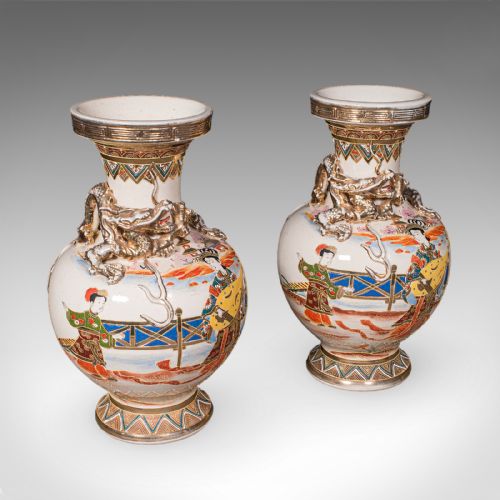
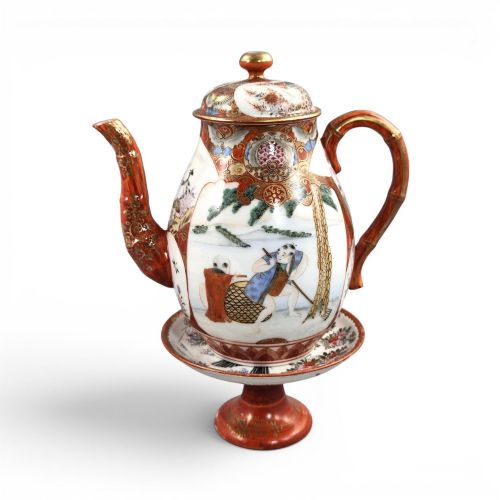
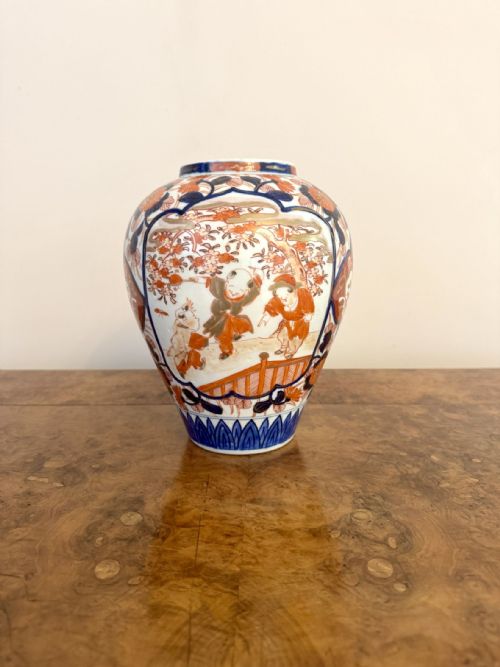
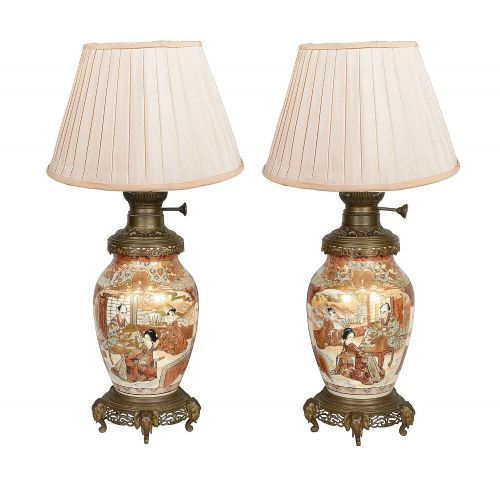
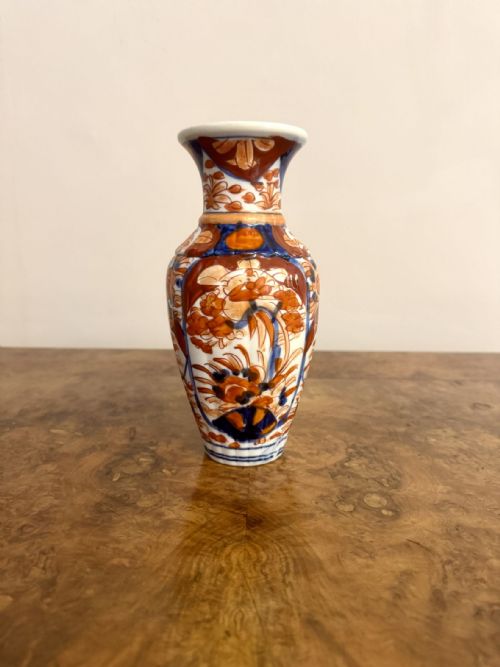
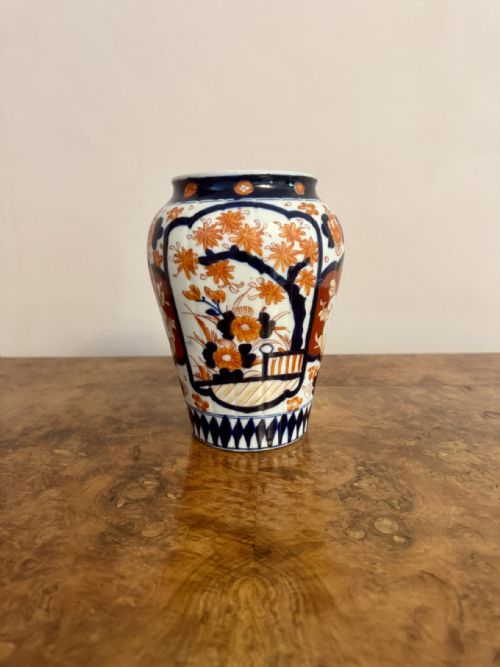
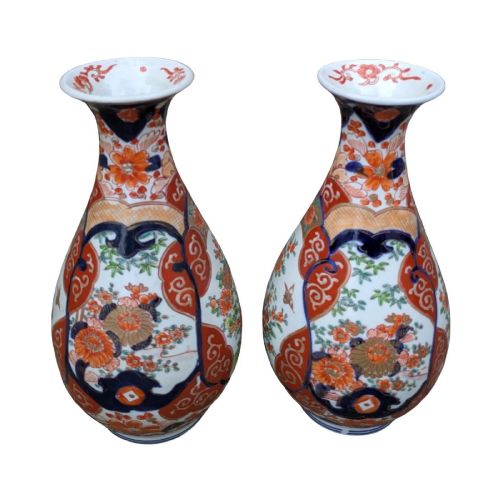
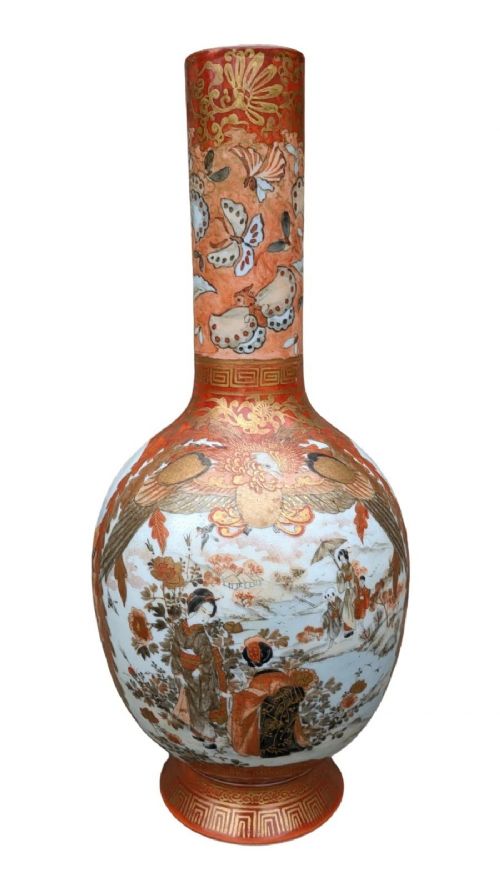
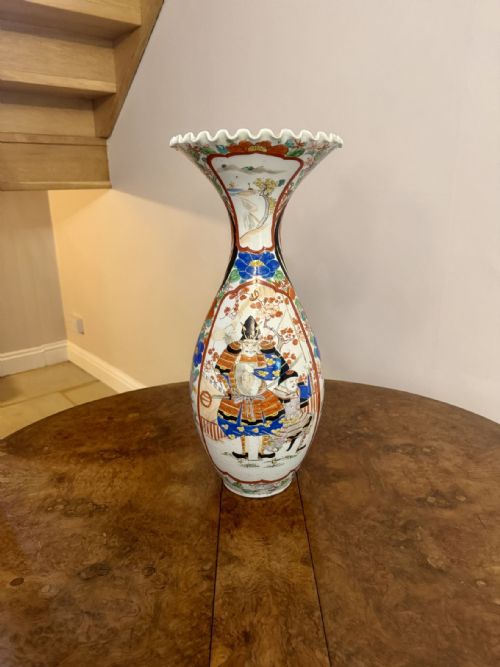
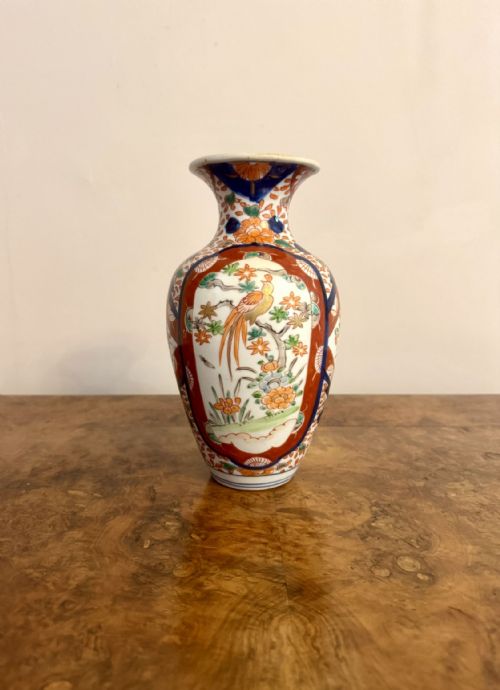
The inventory on this page ranges across distinct regional styles, encompassing Imari, Kutani, and Fukagawa porcelain. Forms include standard vase shapes alongside bottle vases and dragon and phoenix decorated bodies.
Materials and Manufacture
These items are constructed from ceramic porcelain and finished with applied glaze and enamel. Many examples incorporate gilding and gold leaf to highlight intricate surface patterns.
Makers shaped these porcelain bodies during the nineteenth century, applying detailed pictorial designs through traditional glazing and enamelling techniques.
Dragons and phoenixes share shelf space with quiet bottle vases.
Assessing Quality
Quality in these porcelain vases rests on the precision of the enamel work and the richness of the gilding and gold leaf application. Finer examples display meticulous control over the glaze and balanced proportions across pairs.
The distinction between standard decorative wares and superior pieces lies in the complexity of the motifs, such as detailed dragon and phoenix ornamentation, combined with the refined execution of traditional styles like Kutani and Fukagawa.
Fukagawa
The Meiji Period Porcelain Vases Glossary
- Imari
- A traditional Japanese style of porcelain decoration known for its distinctive palette of cobalt blue and iron red, often enhanced with gold.
- Kutani
- A coloured style of Japanese porcelain featuring pictorial designs and intricate enamel work.
- Fukagawa
- A notable Japanese porcelain manufacture recognised for fine potting and artistic painted decoration dating to the nineteenth century.
- Gilding
- The application of gold leaf or gold powder to the porcelain surface to accentuate specific design elements.
Frequently Asked Questions
What defines meiji period porcelain vases?
These pieces are decorative ceramic vessels produced in Japan during the nineteenth century and around nineteen hundred.
They encompass recognised styles such as Imari, Kutani, and Fukagawa, frequently decorated with enamel and gilding.
How were these vases used?
They served as decorative interior items, often created in matched pairs to display on furniture surfaces.
The intricate painted designs and gold leaf finishes were intended for visual appreciation in domestic settings.
How do I style them at home?
Place pairs of bottle vases or standard vases on mantelpieces, side tables, or cabinets where their colours can be appreciated.
Their distinct enamel palettes complement both traditional and eclectic interiors.
How do I identify different styles?
Look for characteristic colour palettes and motifs, such as the blue and red designs typical of Imari or the detailed imagery of Kutani and Fukagawa.
Materials like gold leaf and enamel help distinguish the decorative approach used on each vessel.