



Antique Japanese Imari Collection
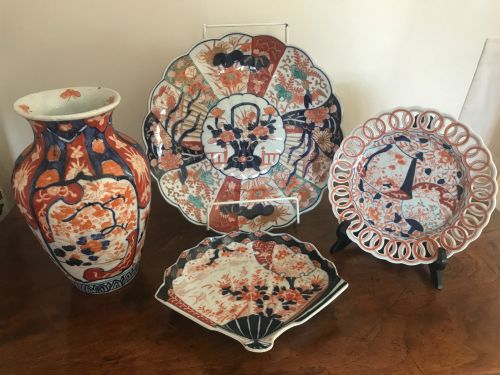
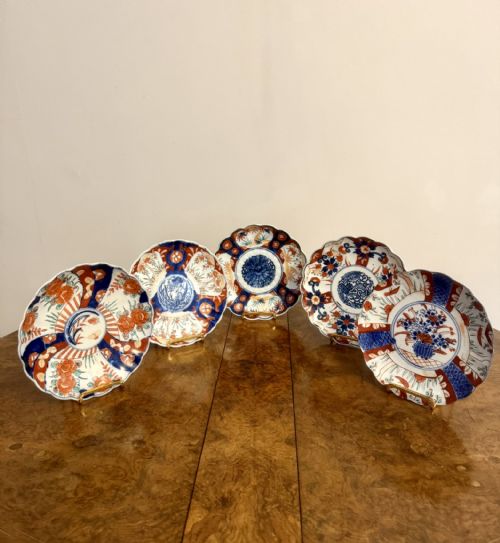
An antique japanese imari collection brings together traditional porcelain forms painted in striking cobalt underglaze, enamel, and gold leaf.
Antique Japanese Imari Collection
An antique japanese imari collection comprises decorative ceramics produced around 1900, spanning the Edo and Meiji periods.
The objects appearing in these groupings include decorative plates, vases, bowls, and shaped dishes intended for display.
Vessels within these sets display the characteristic palette and form combinations that define Japanese Imari style.
Materials and methods of manufacture
Potters formed these pieces using ceramic glaze and porcelain, shaping them into plates, bowls, and vases.
Decoration relied upon cobalt underglaze combined with enamel and applied gold leaf to create the finished appearance.
Antique Japanese Imari Collection Retail Price Guide 2026
Typical asking prices for japanese imari collection among the pieces listed under this phrase on Sellingantiques today, from the lower quarter to the upper quarter. They describe what is for sale here now, not the wider market.
Every listed piece in this category dates to 1900 and utilises porcelain decorated with cobalt underglaze, enamel, and gold leaf.
Distinctions in craftsmanship
Quality separates standard items from the finest pieces through the precision of the enamel painting and the application of gold leaf.
The crispness of the cobalt underglaze beneath the ceramic glaze dictates the visual depth of each plate, bowl, and vase.
The Antique Japanese Imari Collection Glossary
- Cobalt underglaze
- A blue pigment applied to ceramic pieces before glazing and firing. This mineral colour withstands high temperatures without losing its definition.
- Meiji Period
- The era in Japanese history spanning from 1868 to 1912. Ceramics from this time often exhibit refined decorative techniques and detailed painting.
- Enamel
- A glass-like substance fused to the surface of fired porcelain during secondary low-temperature firings. It provides the vibrant secondary colours seen on these dishes.
Antique Japanese Imari Collection: Frequently Asked Questions
What periods do these pieces date to?
The items seen here originate from around 1900, spanning the later part of the traditional Edo and Meiji periods in Japan.
Production methods during this era maintained strict adherence to established ceramic techniques passed down through generations of potters.
How were Imari ceramics made?
Craftsmen shaped porcelain into plates, bowls, and vases before applying cobalt underglaze and firing the clay bodies.
After the initial kiln process, artisans added enamel and gold leaf details, followed by secondary firings to set the colours.
What objects form these collections?
Groupings typically consist of decorative plates, cabinet plates, dishes, bowls, and vases created in matching sets.
These ceramic forms were primarily intended for interior display rather than daily domestic utility.
How do I care for these ceramics?
Porcelain and enamel surfaces require gentle dusting with a soft, dry cloth to prevent accumulation of surface particles.
Keep these decorative objects away from direct sunlight and areas subject to sudden temperature changes to protect the gold leaf.