


Vintage Oriental Porcelain Vessels
These vintage oriental porcelain vessels bring hand-painted motifs and rich glazes from Japanese and Chinese workshops directly into your rooms.
Vintage Oriental Porcelain Vessels
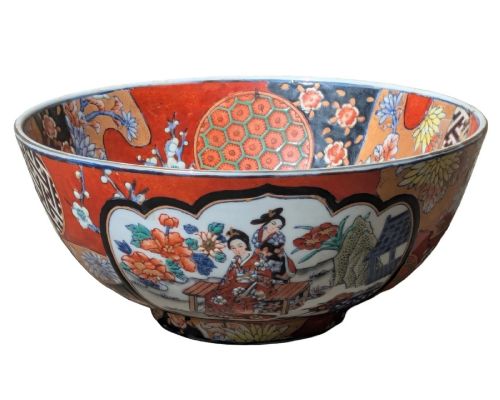
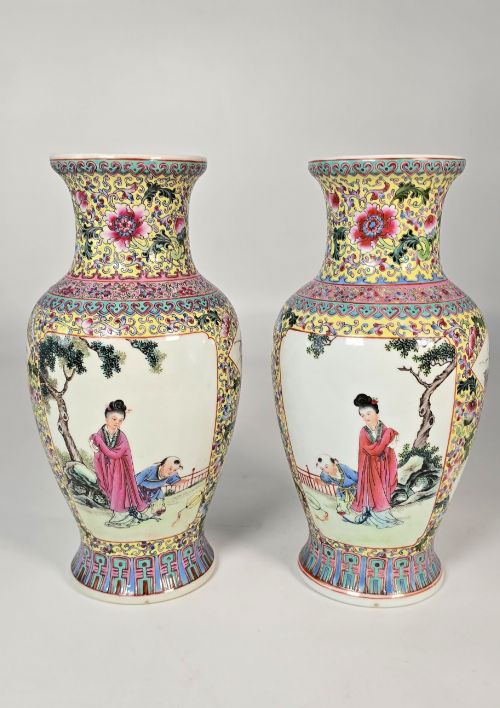
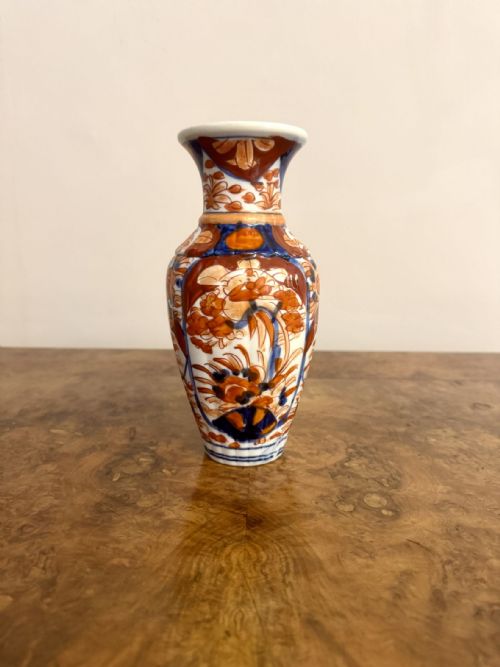
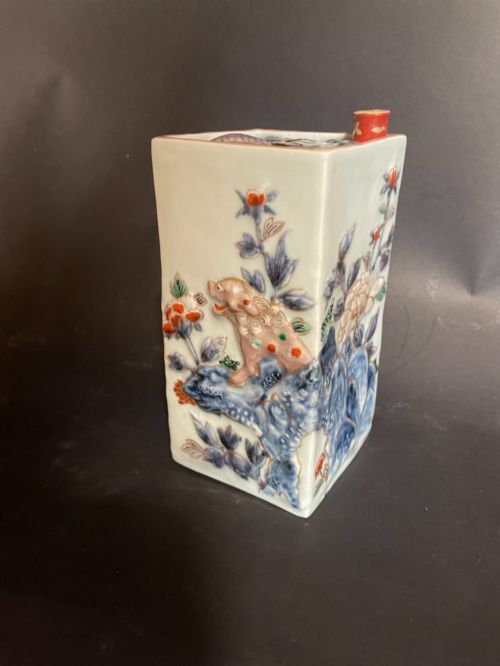
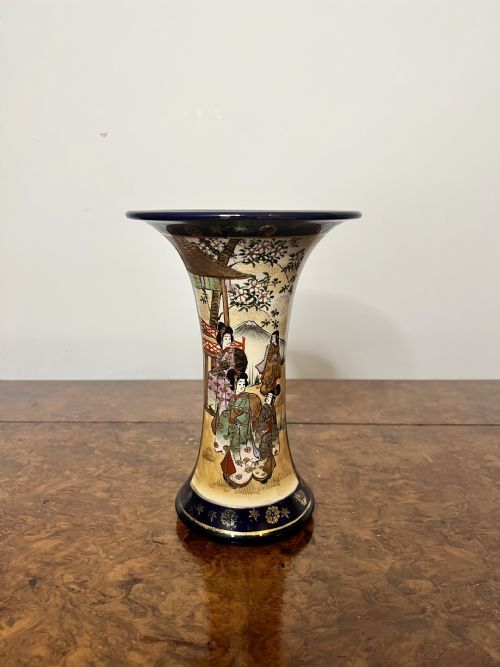
Vintage oriental porcelain vessels encompass a diverse range of decorative items, including vases, ginger jars, tea caddies, bowls, and snuff bottles originating from distinct Asian traditions. You will encounter pieces spanning from the seventeenth century through to the mid-twentieth century, with a strong representation of nineteenth-century Japanese Imari and Satsuma wares alongside Chinese blue and white and famille rose examples.
The forms vary from large floor-standing urns and ginger jars to miniature Satsuma vessels and multi-piece pairs or sets. Production crosses several historical epochs, incorporating Meiji period Japanese items, Qing dynasty pieces, and Chinese Republican period creations.
European interpretations such as English chinoiserie and factories like Carlton Ware or Royal Doulton also appear, demonstrating the enduring western fascination with eastern decorative arts.
Materials and construction
Makers shaped fine porcelain, earthenware, and ceramic bodies before applying detailed hand-painted designs using vibrant enamels, cobalt blue glaze, and precious gold leaf accents. Certain pieces incorporate specialised treatments such as lacquer over-paint or intricate glaze applications.
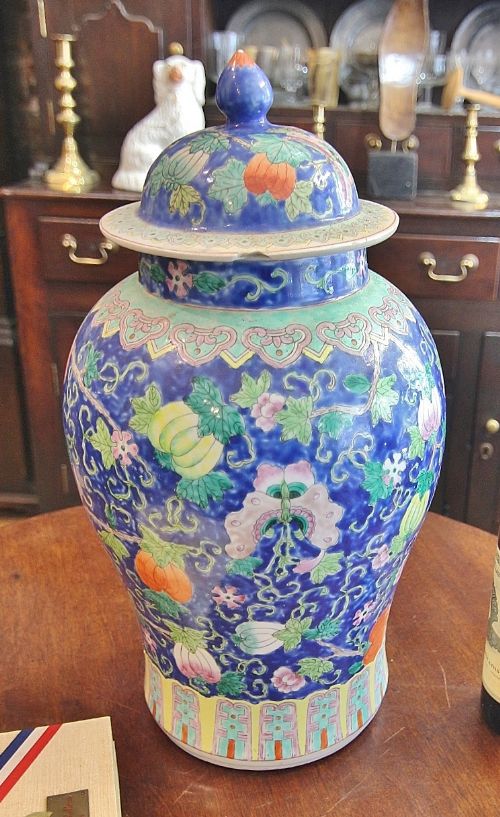
Firing techniques allowed for durable vitreous bodies capable of holding rich polychrome palettes, from the deep cobalt underglazes of Chinese jars to the elaborate gilt figural processions found on Japanese miniature vases.
Several pieces double as clever hideaways, proving that historical storage could be both decorative and discreet.
Assessing craftsmanship and finish
Quality reveals itself in the precision of the hand-painting, the clarity and depth of the glaze, and the restraint or richness of the gold leaf work. Superior vessels display a careful balance between form and ornament, where every brushstroke contributes to a harmonious composition.
The fineness of the porcelain body and the complexity of the figural or botanical scenes distinguish standard production items from exceptional workshop outputs, particularly among Satsuma and Imari wares.
Chosei Kyoto·Tokyo Taizan·Carlton Ware·Royal Doulton·Fukagawa
The Vintage Oriental Porcelain Vessels Glossary
- Imari
- A style of Japanese porcelain decorated in underglaze blue, iron red, and gold. It originated in the town of Arita and became immensely popular for export.
- Satsuma
- Earthenware pottery from Japan characterised by an ivory-coloured, crackled glaze and elaborate polychrome and gilt decorations. Pieces often depict historical figures or dense floral patterns.
- Famille Rose
- A major palette of Chinese ceramic glazes introduced in the Qing dynasty, distinguished by opaque pink or purple enamel. It allowed for subtle tonal gradations in floral and figural scenes.
- Ginger Jar
- A high-shouldered ceramic vessel originally used for storing and shipping spices. They typically feature domed lids and bold painted motifs.
- Tokuri
- A traditional Japanese sake flask characterised by a narrow neck and bulbous body. These vessels were utilised for serving rice wine during meals.
Vintage Oriental Porcelain Vessels: Frequently Asked Questions
How do I identify Imari porcelain?
Imari pieces are readily recognised by their distinct palette combining underglaze cobalt blue with iron red and supplementary gold leaf details. The patterns often feature dense geometric and floral panels.
Most examples originate from Japan and display a sturdy porcelain body designed for decorative display.
What is the difference between Satsuma and Imari?
Satsuma wares are earthenware ceramics featuring a characteristic cream-coloured body covered in a fine crackle glaze, typically painted with detailed figures and heavy gilding. Imari items are hard-paste porcelain utilising a sharper red and blue colour scheme.
Satsuma pieces generally offer a more matte texture compared to the glossy finish of porcelain Imari vessels.
How were ginger jars originally used?
Ginger jars served as bulk storage containers for spices, salt, and oils in ancient households before evolving into purely decorative ornaments. Their tight-fitting lids helped preserve the contents inside.
Today, these jars are displayed on mantelpieces and tables for their strong silhouette and painted surface detail.
Are these vessels suitable for everyday use?
Many of these antique and vintage pieces feature delicate hand-painted enamel and gold leaf that can wear down with frequent handling or washing. They are best suited for display rather than functional daily service.
Gentle dusting with a soft cloth will maintain the condition of the glaze and painted surfaces over time.