






Asian Ceramic Flower Vase
An asian ceramic flower vase brings centuries of East Asian craftsmanship into a room, offering striking forms and intricate hand-painted detail that catch the eye.
Asian Ceramic Flower Vase
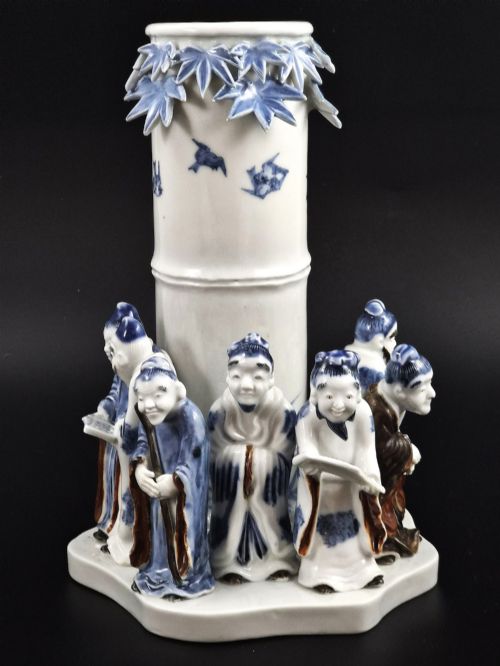
An asian ceramic flower vase encompasses a rich selection of pieces originating from traditional Chinese and Japanese kilns, spanning the eighteenth century through to the early twentieth century. Buyers seeking these items will encounter baluster shapes, hexagonal profiles, garlic head forms, and tulipieres designed to hold floral arrangements or display independently.
The inventory leans heavily towards Japanese production from the Meiji period and Edo period, alongside Chinese export wares and pieces bearing Qing style influences. Alongside standard vase forms, the selection includes related items such as jardiniere vessels and table lamps created from adapted ceramic bodies.
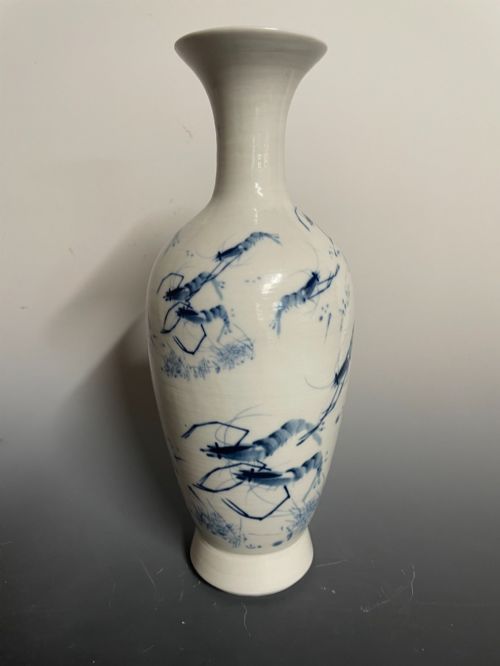
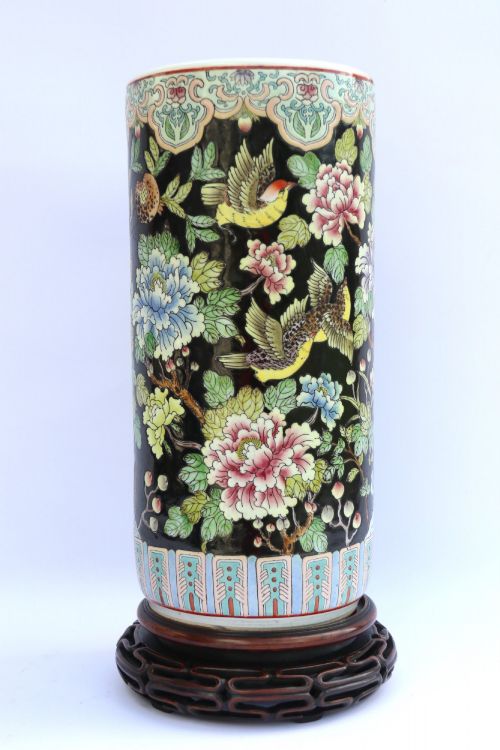
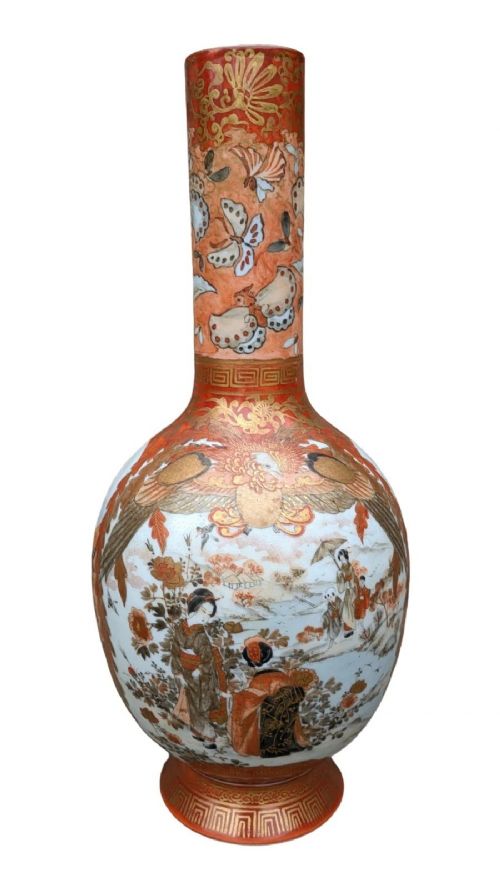
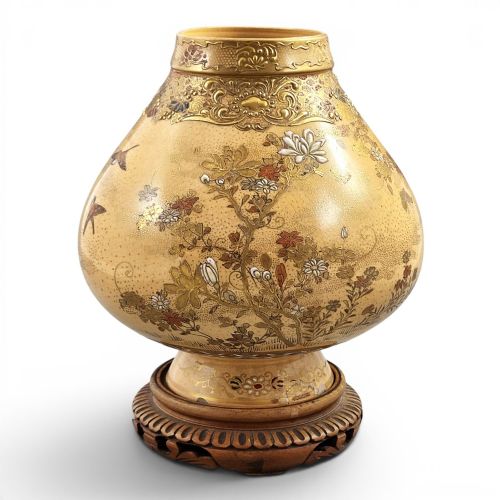
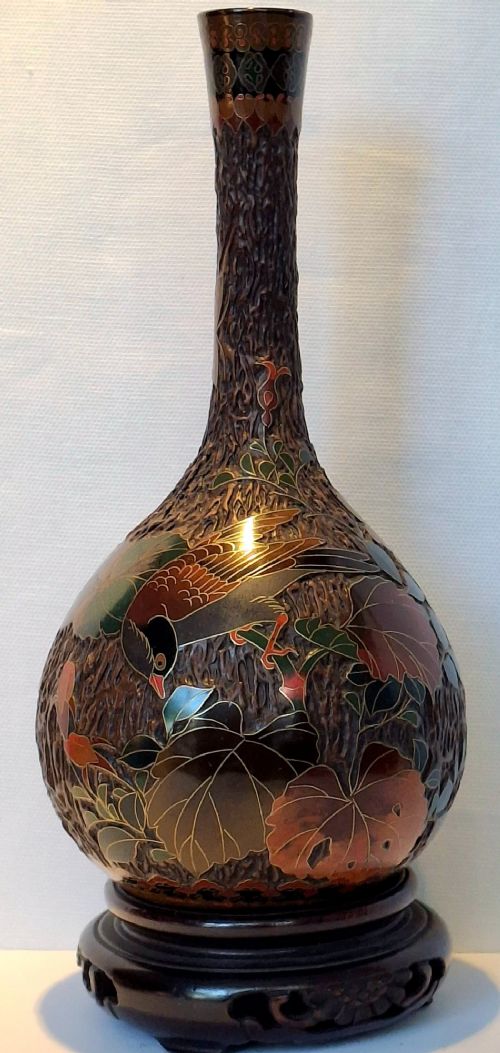
Japanese examples frequently feature Imari blue and white decoration, Kutani enamel work, Satsuma earthenwares, and intricate Totai Shippo cloisonné over earthenware. Chinese pieces present famille noire glazes, cobalt blue pigments, and multi-coloured floral bands across porcelain structures.
Materials and Making
Potters shaped these vessels using fine porcelain, dense stoneware, and porous earthenware bodies, often pairing ceramic elements with carved wooden stands. Artisans applied cobalt glaze, coloured enamels, and gold leaf to the surfaces before firing the pieces in kilns to vitrify the decoration.
Specialised techniques include Totai Shippo, where cloisonné wirework and enamel are applied directly over a ceramic or earthenware base to mimic metalwork. Painting styles range from delicate cobalt underglaze brushwork to dense overglaze enamel panels depicting birds, flowers, and figural samurai scenes.
Asian Ceramic Flower Vase Retail Price Guide 2026
Typical asking prices for asian ceramic flower vase among the pieces listed under this phrase on Sellingantiques today, from the lower quarter to the upper quarter. They describe what is for sale here now, not the wider market.
Decoration across the available selection includes Imari blue and white patterns, Satsuma enamels, and Totai Shippo tree bark cloisonné.
Evaluating Quality
Quality rests in the precision of the hand-painted brushwork, the depth and vibrancy of the enamel or cobalt glaze, and the crispness of the moulded ceramic form. Superior pieces exhibit confident, detailed motifs without blurring or pooling in the pigment.
The sophistication of the glaze application and the complexity of the decorative scheme distinguish standard production from exceptional workshop output. Associated original components, such as fitted hardwood stands, add to the integrity of the finished piece.
Kinkōzan Workshop·Makuzu Kozan II
The Asian Ceramic Flower Vase Glossary
- Baluster
- A tall vase form with a rounded body that tapers toward the base and flares slightly at the rim.
- Cloisonne
- A technique where metal wires form small cells on a surface, which are then filled with coloured enamel paste and fired.
- Famille Noire
- A Chinese ceramic decoration style characterised by a glossy black enamel ground, frequently highlighted with green, yellow, and aubergine floral elements.
- Imari
- A traditional Japanese export style featuring a distinctive palette of underglaze blue, iron red, and gold.
- Tulipiere
- A vessel with multiple spouts designed specifically for arranging and displaying individual tulip stems.
- Jardiniere
- A large decorative ceramic pot or container intended to hold potted plants or floral displays.
Asian Ceramic Flower Vase: Frequently Asked Questions
How do I display an antique vase safely?
Place the vessel on a stable, level surface away from direct foot traffic and busy edges where it might get knocked. Using a dedicated wooden stand or museum putty can provide extra stability for taller baluster or garlic head shapes.
Avoid positioning these ceramics in direct, harsh sunlight to protect the stability of older enamels and gold leaf highlights over time. Keep them away from intense heat sources such as radiators that can cause sudden temperature fluctuations.
What is the difference between Satsuma and Kutani?
Satsuma wares typically feature a fine, ivory-coloured earthenware body with a characteristic network of fine crackle glaze, often heavily decorated with polychrome enamels and raised gold. They frequently depict figural scenes, warriors, and elaborate floral compositions.
Kutani ceramics are generally porcelain or dense stoneware originating from Ishikawa prefecture, known for bold palettes dominated by iron red, green, purple, yellow, and blue. Their designs lean toward pictorial panels, nature studies, and geometric borders.
How do I date a Chinese or Japanese vase?
Dating relies on examining the specific clay body, the characteristics of the glaze, the pigments used in the painting, and any reign marks or workshop signatures present on the base. Stylistic clues such as Meiji period motifs or Edo period forms provide reliable chronological markers.
Compare the potting technique and weight of the ceramic against known examples from specific eras. Maker signatures and export marks offer further confirmation of the period of manufacture.