





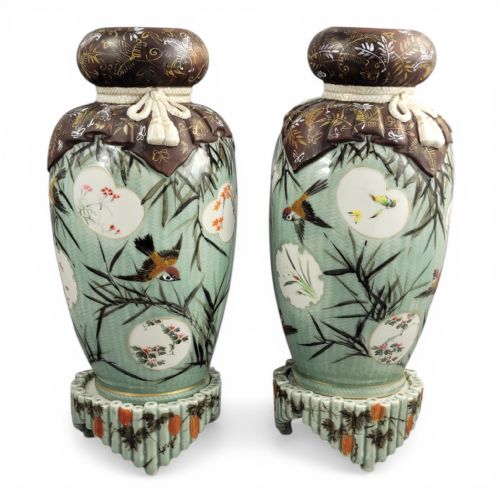

Antique Porcelain Bird Vase
These antique porcelain bird vases combine avian illustration with ceramic artistry across Georgian, Victorian and Meiji periods.
Antique Porcelain Bird Vase
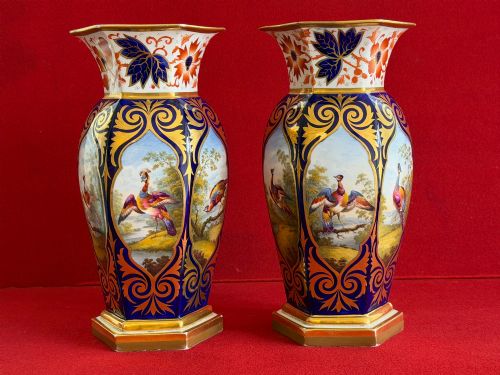
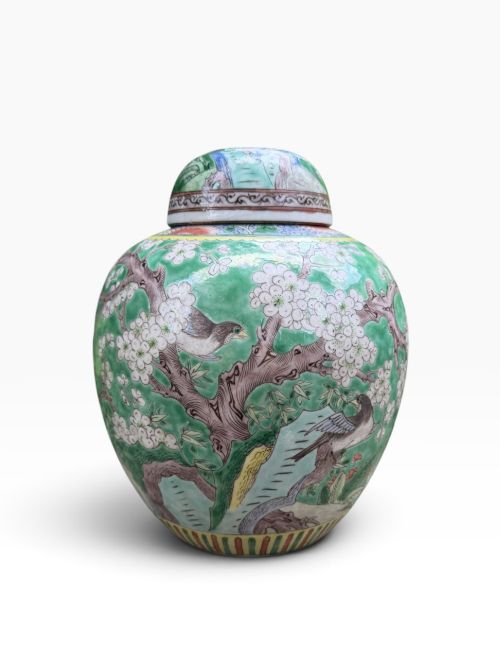
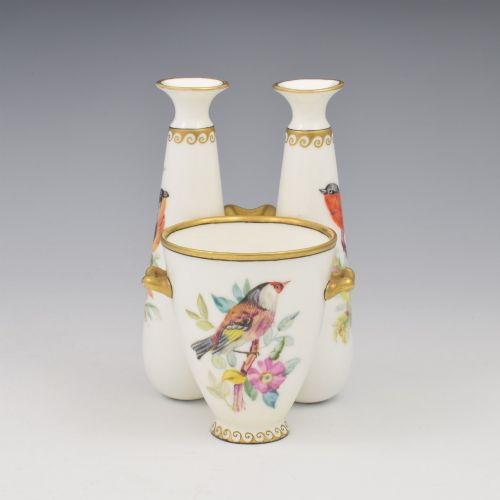
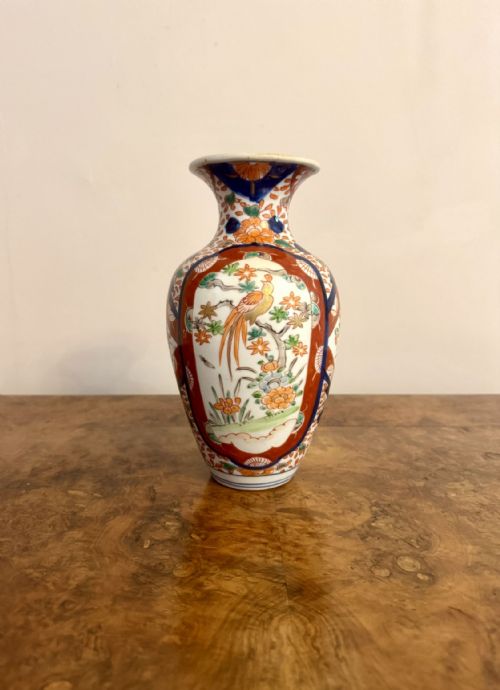
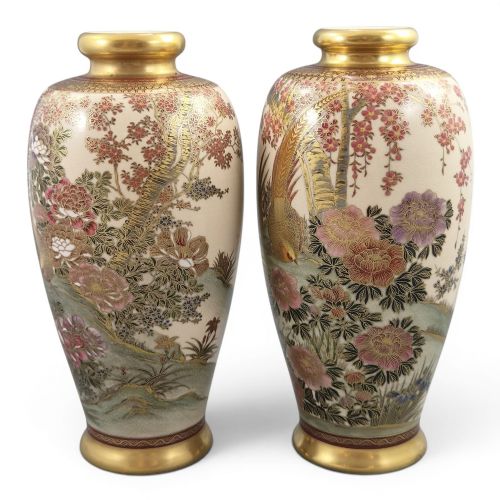
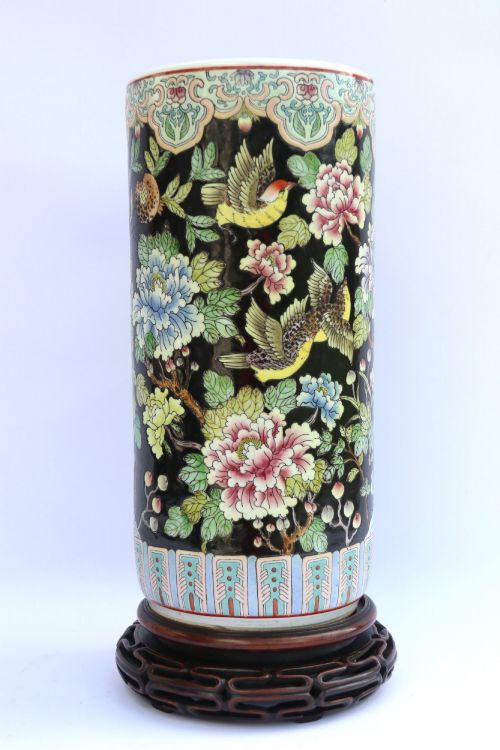
When you search for an antique porcelain bird vase, you encounter vessels decorated with hand-painted or enamelled avian motifs ranging from British ornithological studies to Chinese famille rose and Japanese Satsuma wares. These objects appear in forms such as ginger jars, covered vases, jardinières and triple-vase table pieces spanning the eighteenth century through to the early twentieth century.
The English factory tradition is strongly represented by Worcester, Derby and Minton manufactories, alongside notable output from continental European makers and Japanese workshops. Pieces range from cabinet miniatures to monumental display vessels, frequently utilising traditional forms decorated with exotic birds, storks, pheasants and waterfowl.
Materials and production methods
Makers utilised fine porcelain, earthenware and ironstone bodies finished with intricate glazes, enamel colours and gold leaf highlights. Hand-painted decoration required skilled brushwork to render plumage and flora, often combined with blue and white underglaze painting or over-glaze enamelling.
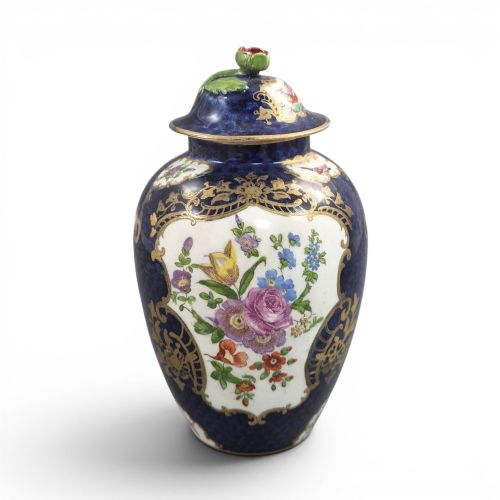
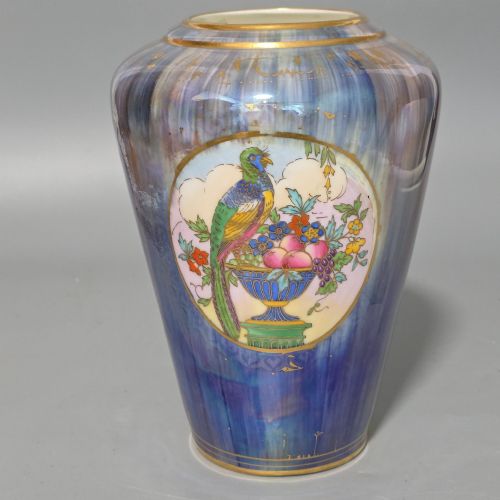
Techniques varied from the scale blue grounds and raised gilding of English factories to the detailed crackle-glaze earthenware produced in Japanese kilns. Surface finishing occasionally incorporated lacquer over paint or lustre glazes to achieve specific chromatic effects.
Several storks and mallards stand permanently poised upon ceramic pedestals, defying the absence of ponds.
Distinctions in execution and design
Quality rests in the precision and naturalism of the painted bird subjects, executed by named artists and specialised workshops rather than standard factory hands. Fine detail in the rendering of feathers, floral surrounds and gilding distinguishes exceptional studio pieces from mass-produced wares.
The distinction of a piece also depends on the complexity of the ceramic form, such as moulded handles, reticulated elements, matched covers and original porcelain stands.
Flight Barr And Barr·Royal Worcester·Rozenburg·Fukagawa
The Antique Porcelain Bird Vase Glossary
- Famille Rose
- A palette of opaque enamels dominated by pink, used extensively on Chinese porcelain during the Qing dynasty. The style allows for subtle tonal shading in bird and flower compositions.
- Satsuma
- Japanese earthenware pottery featuring a crackled ivory glaze decorated with polychrome enamels and gilding. Originating in Satsuma Province, these wares were widely produced for export in the Meiji period.
- Enamel
- A glassy substance fused to the ceramic surface through firing, providing durable colour for detailed bird illustrations. Enamels are applied either over the glaze or directly to the biscuit body.
- Jardiniere
- A large ornamental pot or vase designed to hold plants or flowers. These vessels often feature wide rims and sturdy bases suited for table or pedestal placement.
Antique Porcelain Bird Vase: Frequently Asked Questions
How do I identify bird species on Worcester vases?
British factories often employed specialist artists who painted specific ornithological subjects, sometimes noting the species or signing the body directly.
Comparison with contemporary natural history illustrations helps determine whether the birds depict native game like pheasants or exotic imported species.
Are Japanese Satsuma bird vases fragile?
Satsuma wares utilise an earthenware body covered in a characteristic network of fine crackle glaze, which requires careful handling to prevent staining.
Displaying them away from direct sunlight and extreme temperature shifts preserves the integrity of the enamel and gilt decorations.
What is the difference between a jar and a vase?
Vases are generally open-topped vessels intended to display cut stems or stand as decorative objects on furniture and mantels.
Jars typically include fitted lids or covers, functioning originally to store dry goods or aromatics before evolving into purely decorative display pieces.
How can I distinguish Chinese export styles from Japanese pieces?
Chinese porcelain often utilises hard-paste bodies with famille rose or blue and white underglaze painting rooted in imperial traditions.
Japanese pieces from the Meiji period frequently display distinct regional signatures, mon crests, or Satsuma earthenware bodies with dense gilding.