







Bird Painted Porcelain Vase
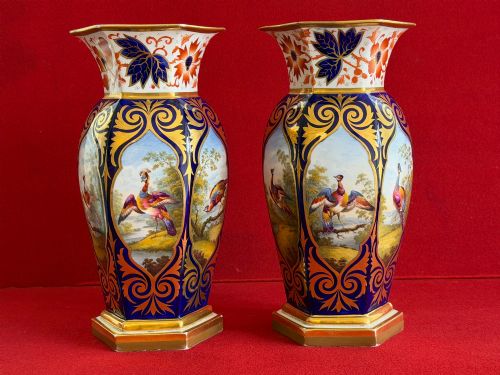
A bird painted porcelain vase brings feathered detail and hand-painted colour straight into a room, spanning English factories and Japanese studios.
Bird Painted Porcelain Vase
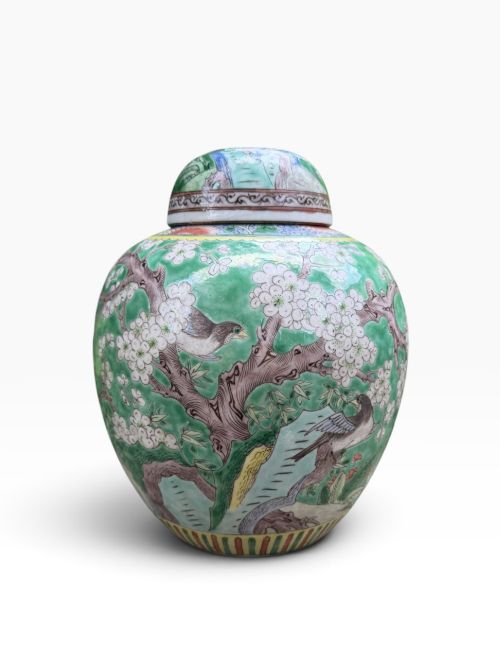
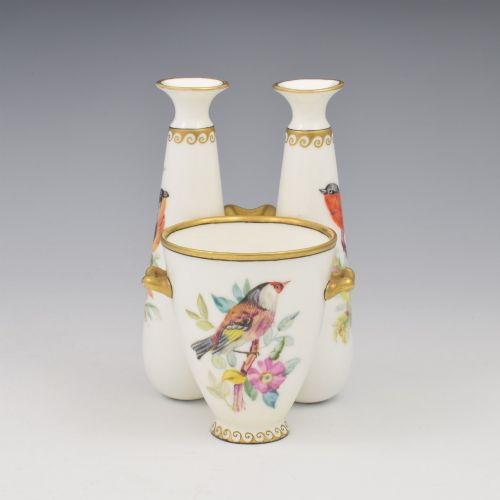
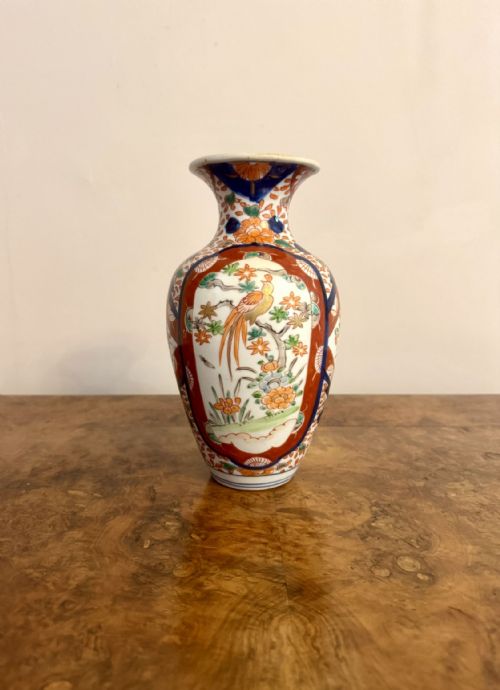
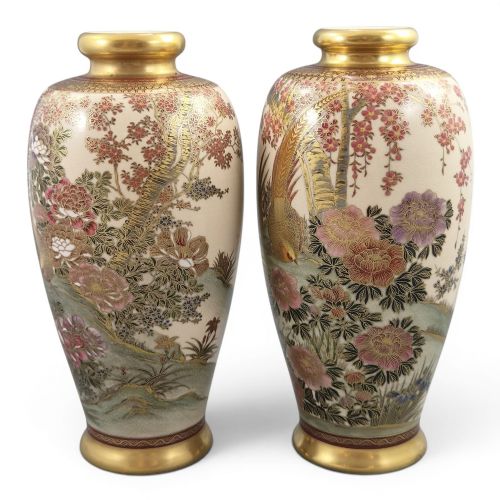
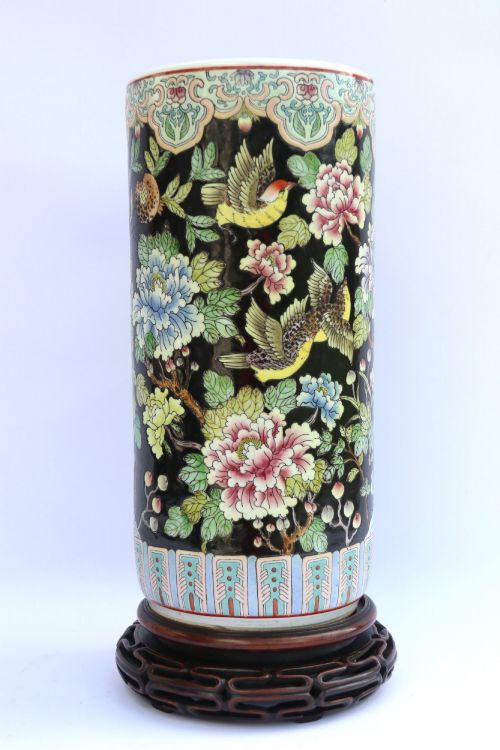
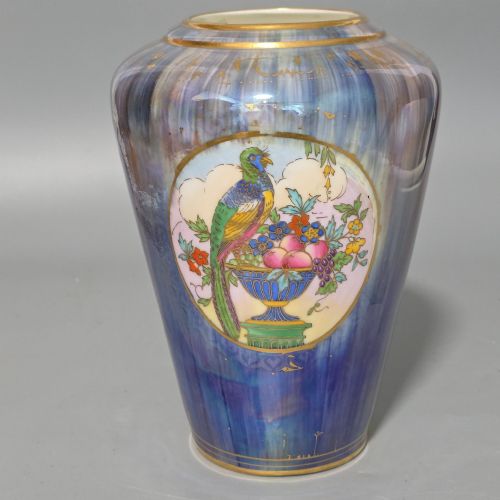
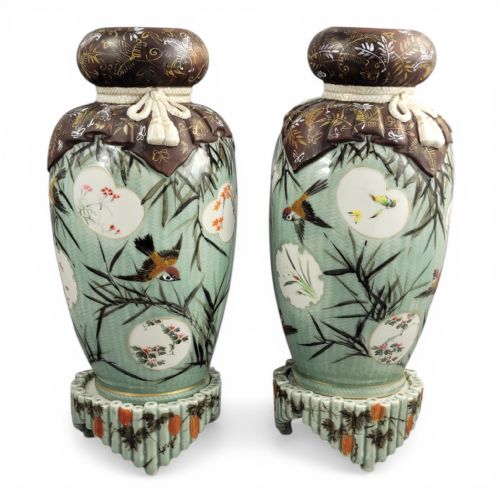
A bird painted porcelain vase covers forms ranging from ginger jars and jardinières to miniature vessels and monumental pairs. You will frequently encounter English porcelain from factories like Worcester alongside Japanese Satsuma and Chinese famille rose ceramics.
Makers utilised porcelain, earthenware, and glaze to depict storks, pheasants, parrots, and exotic subjects across periods stretching from the Georgian era through the Victorian years and into the 1930s.
How they were made
Craftsmen shaped porcelain and earthenware bodies before applying intricate hand enamel, glaze, and gold leaf or gilding. Some Japanese pieces combine lacquer over paint or black paint, while Dutch and English pieces rely on cobalt blue or polychrome enamel over a white ground.
Kiln firing fixed the underglaze colours and overglaze details, sometimes incorporating raised paste gilding or matching hardwood and porcelain stands for large display jars.
Listings feature porcelain, earthenware, enamel, gold leaf, and wood across periods spanning the seventeenth to the twentieth century.
What varies in quality
The precision and naturalism of the bird painting dictate much of the worth, distinguishing factory handiwork by known artists from standard decorative output. Fine brushwork showing individual feathers and subtle avian anatomy elevates a piece significantly.
The crispness of the porcelain moulding, the richness of the gilding, and the presence of artist signatures or factory marks separate ordinary vessels from exhibition-quality works.
Flight Barr And Barr·Royal Worcester·Rozenburg·Royal Crown Derby·Fukagawa
The Bird Painted Porcelain Vase Glossary
- Jardiniere
- A decorative ceramic pot or vase designed to hold plants or flowers. These large vessels often feature matching stands.
- Famille rose
- A Chinese ceramic palette characterised by opaque pink or rose enamel colours. This style frequently depicts detailed birds and flowers.
- Gilding
- The application of gold leaf or gold powder onto the ceramic surface. It highlights rims, handles, and painted panels.
- Satsuma
- Japanese earthenware pottery with a ivory craquelure glaze. Pieces are typically decorated with elaborate polychrome enamels and gold.
- Polypaint
- Hand-applied multi-coloured enamel decoration used across various European and Asian porcelain traditions. It forms the vibrant plumage seen on avian subjects.
Bird Painted Porcelain Vase: Frequently Asked Questions
How do I identify Royal Worcester bird vases?
Look for factory backstamps on the base alongside handwritten or printed pattern numbers. Many pieces also bear the signature of notable bird painters such as James Stinton or C Baldwyn.
These decorators specialised in ornithological subjects, rendering pheasants, storks, and garden birds with exceptional detail against soft-tinted backgrounds.
What is the difference between Satsuma and Chinese porcelain?
Satsuma wares are Japanese earthenware featuring a characteristic cream-coloured craquelure glaze decorated with heavy enamels and gilding. Chinese porcelain utilises a harder, wheter-firing clay body with families of colour like famille rose or famille noire.
Chinese pieces often display underglaze blue or reign marks, whereas Japanese Satsuma vessels display maker signatures or Shimazu mon crests.
How should I display a large jar or jardinière?
Position large ginger jars, jardinières, or pedestal vases on sturdy tables, sideboards, or their original matching wooden stands. Ensure they sit away from heavy foot traffic to protect delicate handles and protruding rims.
Pairing matching vessels symmetrically creates a traditional formal display, while single monumental pieces serve as strong focal points in a room.
How do I care for antique hand-painted porcelain?
Dust the surface gently with a soft, dry brush or cloth to prevent particle buildup. Avoid using water, abrasive cleaners, or chemical solvents that might damage delicate overglaze enamel or rub away gold leaf.
Keep pieces out of direct, prolonged sunlight to preserve the vibrancy of the hand-painted bird plumage over time.