





Barr Flight Barr Worcester
These barr flight barr worcester pieces bring Georgian and Regency craftsmanship to the table, offering a tangible link to early English porcelain production.

Identifying barr flight barr worcester
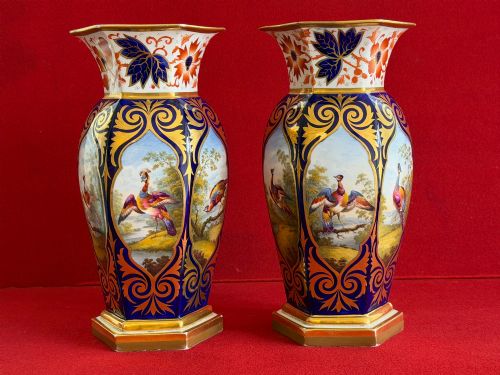
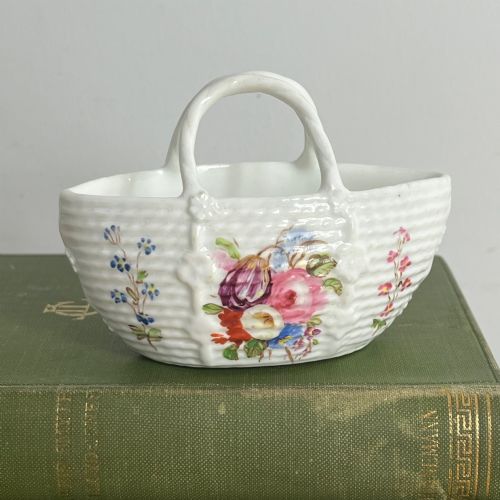
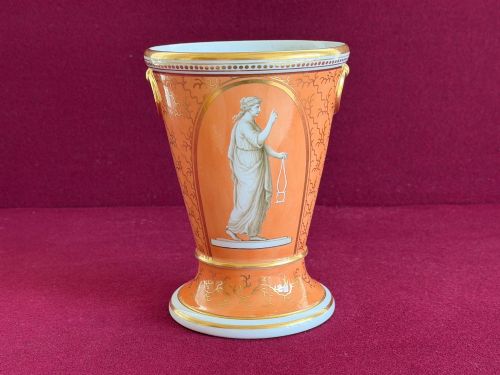
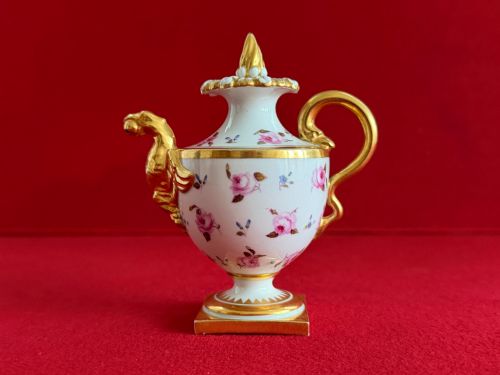
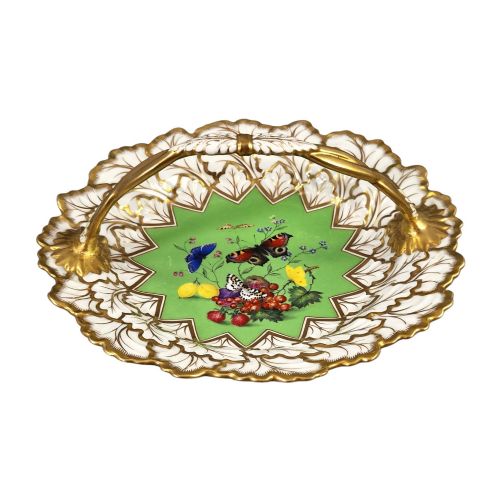
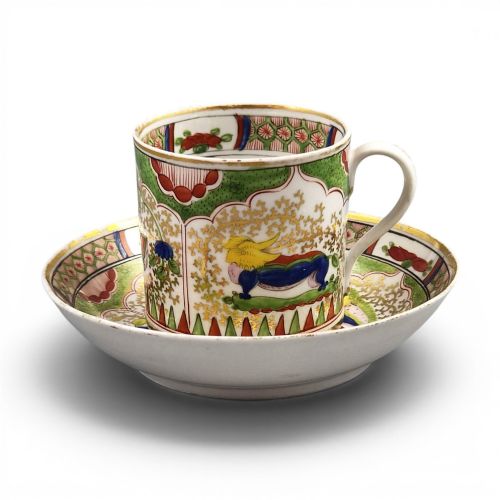
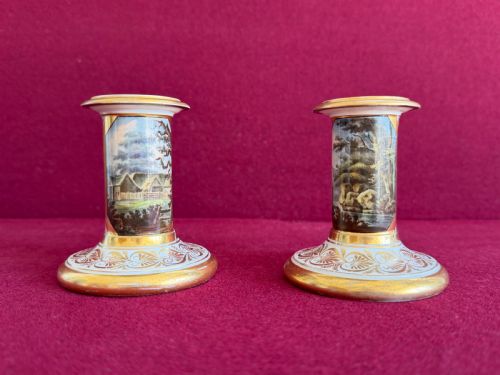
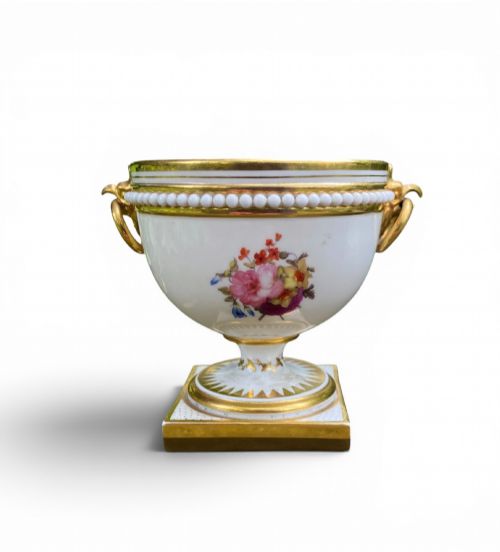
When you search for barr flight barr worcester, you encounter English porcelain from the Georgian, 1800, and Regency periods. The forms range from decorative plates and dishes to jardinieres, candlesticks, and cabinet cups.
You are most likely to meet decorative plates, serving dishes, and teacups on this page. These items reflect the domestic and display habits of the early nineteenth century.
The objects carry the marks and styles associated with the factory during its operational years. Collectors find both cabinet pieces and functional tableware.

Materials and manufacture
The pieces are constructed from porcelain and finished with enamel, gold leaf, gilding, and gilt. Artisans applied pigments over and under the glaze to create intricate patterns.
Forms were shaped on wheels or cast in moulds, then fired in kilns before receiving hand-painted or printed decoration. Gilding was added by hand and fired again to fix the gold to the surface.
Retail Price Guide 2026
Typical UK retail prices for barr flight barr worcester, calculated from the Sellingantiques database of over a million retail prices indexed since 2003. This retail price guide relies exclusively on Sellingantiques data; no external sources or auction records are used, so the figures do not describe the wider market.
Seaweed patterns and dragons find equal footing here, proving that early porcelain painters had a wonderfully varied imagination.
Assessments of quality
Quality rests in the precision of the hand-painting and the crispness of the porcelain moulding. Pieces with detailed scenes, armorials, or complex Japan patterns sit at the upper end of the range.
The application of gold leaf and the preservation of the enamel colours determine the visual impact. Superior examples maintain intact gilding and well-centred motifs without firing flaws.
Barr Flight and Barr·Flight and Barr·Flight Barr and Barr·William Billingsley
The Barr Flight Barr Worcester Glossary
- Porcelain
- A white, vitrified ceramic material fired at high temperatures. It forms the base body for all these objects.
- Gilding
- The application of gold leaf or powdered gold to the surface. It highlights rims, handles, and painted motifs.
- Jardiniere
- A decorative ceramic pot or vase used to hold plants. These examples appear in Georgian and Regency interiors.
- Cabinet cup
- A specialised cup made for display rather than robust daily use. They often include covers and stands.
- Japan pattern
- A decorative scheme inspired by Imari wares, featuring iron red, cobalt blue, and gilt. It recurs frequently across plates and teapots.
Frequently Asked Questions
What is barr flight barr worcester porcelain?
It is English porcelain produced by the Worcester factory under the management of the Barr and Flight families. The output spans the Georgian and Regency periods.
The factory produced both ornamental items like vases and jardinieres, and functional wares including teacups, plates, and coffee cans.
How were these items used originally?
Tablewares served during formal meals, tea services, and dessert courses in prosperous Georgian households. Cabinet cups and pot pourri vases were displayed in reception rooms.
Larger vessels like ice pails and tureens functioned during dining events to manage food and maintain social status.
How do I care for these pieces?
Handle them gently and wash them by hand in lukewarm water using mild soap. Avoid soaking, scrubbing, or placing them in modern dishwashers.
Protect the gilding and enamel decoration from abrasion by storing them securely away from high-traffic areas.
How do I date barr flight barr worcester?
Dating relies on the specific factory partnerships, backstamps, and stylistic changes recorded across the Georgian and Regency eras. Pieces often fall between the late eighteenth and early nineteenth centuries.
Examining the paste, form, and pattern details helps place an object within the operational timeline of the firm.