


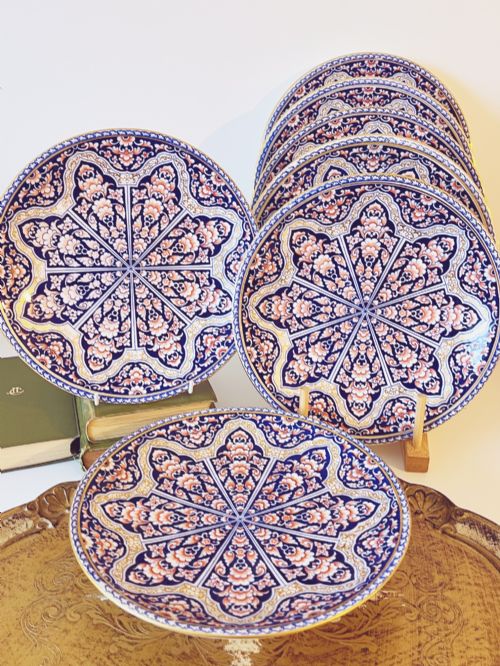
Antique Decorative Plate
When you choose an antique decorative plate, you select a piece of craftsmanship that brings historical artistry directly onto your wall or cabinet.
Antique Decorative Plate
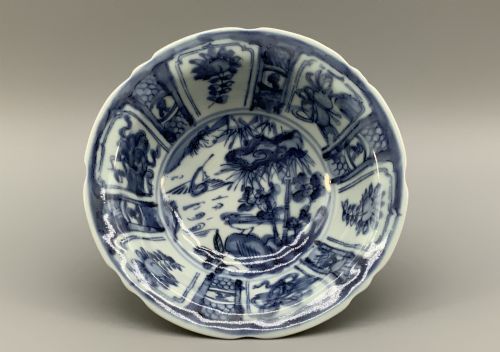
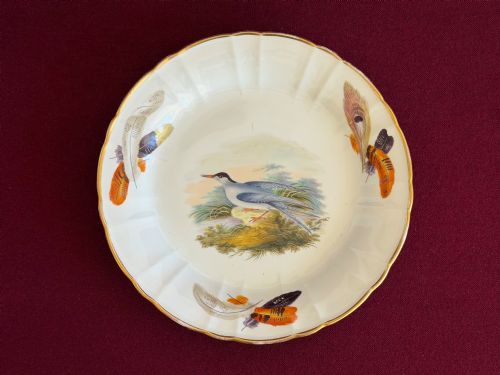
An antique decorative plate encompasses a diverse array of cabinet plates, chargers, and serving dishes created to display rather than for daily dining use.
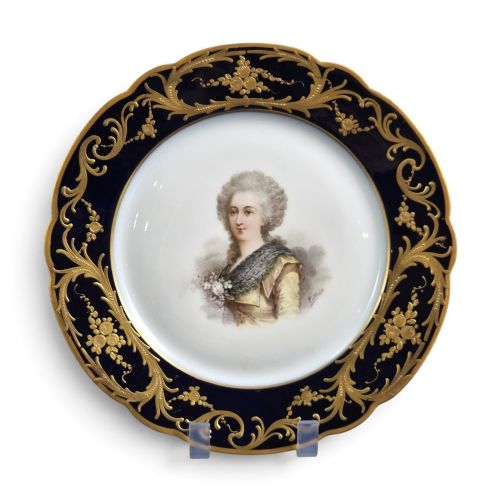
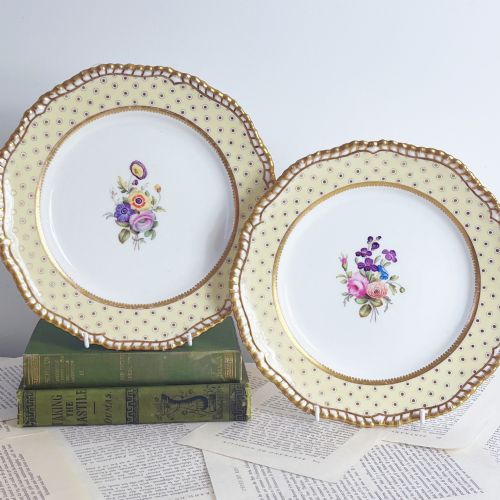
The selections span centuries and workshops, from eighteenth-century Delft chargers and nineteenth-century porcelain portraits to hand-painted botanical and fruit studies.
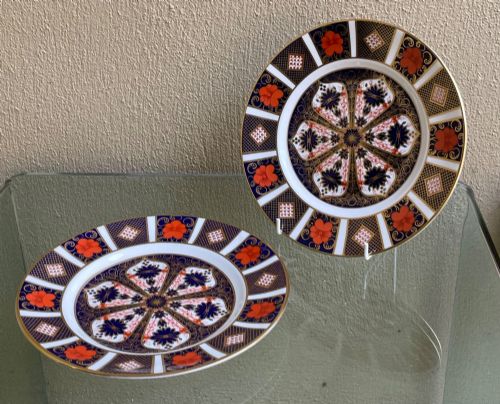
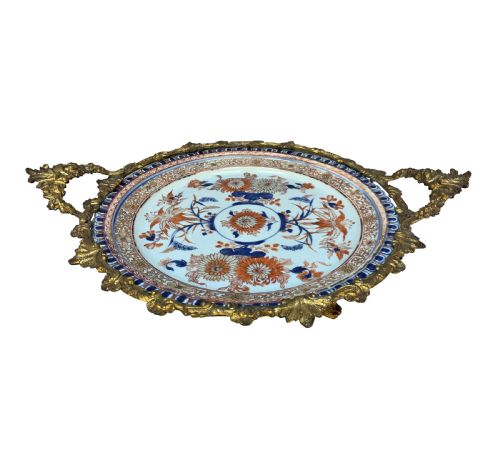
Makers from various traditions appear here, including English porcelain houses like Royal Worcester and Spode alongside Japanese Imari wares and French Sèvres-style pieces.
How They Were Made
Makers utilised fine porcelain, bone china, earthenware, and copper, shaping them into plates, chargers, and dishes with hand-painted or transfer-printed decoration.
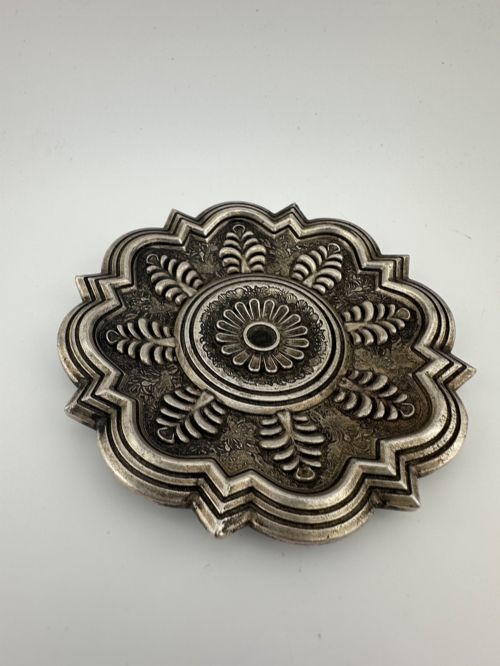
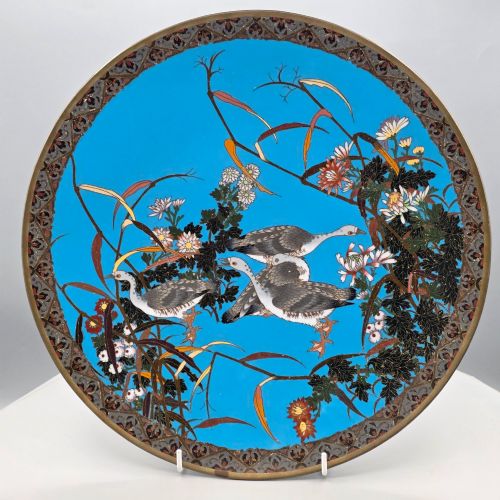
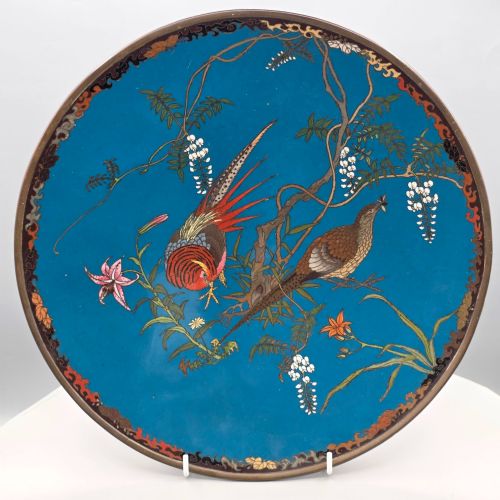
Techniques range from intricate enamel cloisonné and cobalt glaze to gold leaf gilding, repoussé metalwork, and delicate ormolu mounts.
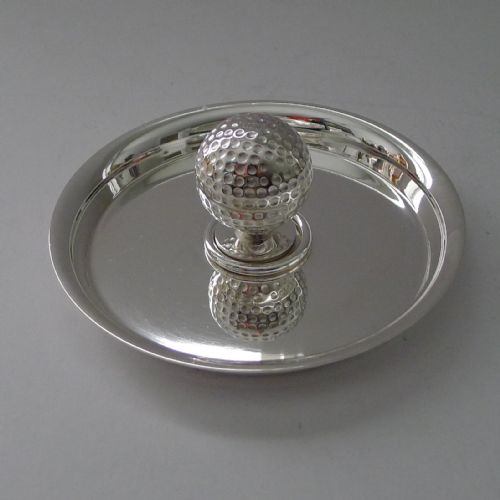
Materials span porcelain, bone china, earthenware, copper, silver plate, and enamel across the 18th, 19th, and 20th centuries.
What Varies in Quality
The standard of an antique decorative plate rests upon the precision of the hand-painting, the clarity of the glaze, and the execution of the gilding or metalwork.
Signed works by noted artists and pieces originating from esteemed kilns or periods command greater attention for their artistic execution and preservation.
Royal Crown Derby·Royal Worcester·Spode·Doulton Lambeth·Christofle
The Antique Decorative Plate Glossary
- Charger
- A large ornamental plate historically used for ceremonial display rather than serving food. These pieces often feature elaborate painted scenes or metal repoussé work.
- Cabinet plate
- A fine ceramic piece made primarily for display in a cabinet or on a wall. They frequently showcase detailed artistic painting rather than practical utility.
- Imari
- A style of Japanese export porcelain characterised by a palette of underglaze blue, iron red, and gold. European factories frequently copied these distinct patterns.
- Cloisonne
- An enamelwork technique where thin metal wires form compartments on a metal base, which are then filled with coloured paste and fired. This creates vibrant surface patterns.
- Bone china
- A type of porcelain incorporating bone ash for enhanced strength and translucency. British factories utilised this material to produce delicate dessert and cabinet wares.
Antique Decorative Plate: Frequently Asked Questions
How were antique decorative plates displayed?
These pieces were traditionally shown on sideboards, mounted on walls, or housed within glass-fronted cabinets to highlight their artistic value.
Owners curated them to demonstrate their refinement and appreciation for global or domestic ceramic artistry.
Can I use antique plates for serving food?
Most pieces intended for display feature delicate enamels, gold leaf, or historic glazes that are unsuited for modern culinary use.
Displaying them safely preserves the painted surfaces and structural integrity of the ceramic or metal.
What is the difference between a plate and a charger?
Chargers are significantly larger in diameter, designed originally to sit beneath smaller course plates or to command attention as standalone wall hangings.
Standard plates served dessert or specific courses, while chargers provided a broader canvas for elaborate decoration.
How do I identify the period of a ceramic piece?
Examining factory backstamps, glaze characteristics, and the style of the hand-painted or transfer-printed motifs helps determine the era of production.
Comparing the paste and weight of the earthenware or bone china against known factory timelines offers further chronological clues.