

Antique English Bone China
Antique English bone china brings together refined ceramic bodies, intricate enamel painting and gold gilding across centuries of domestic and decorative use.
Identifying antique English bone china
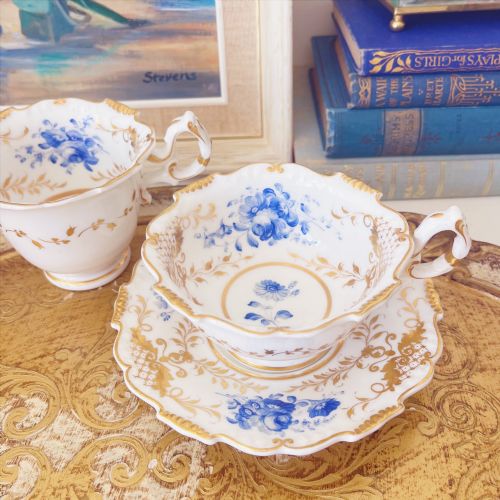
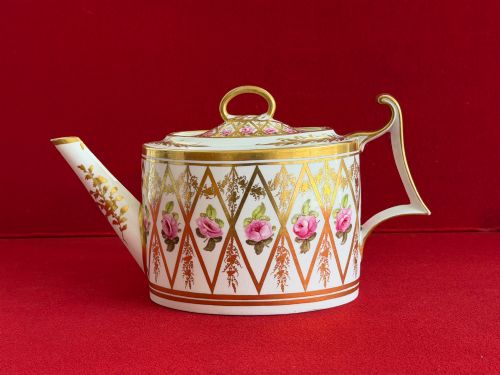
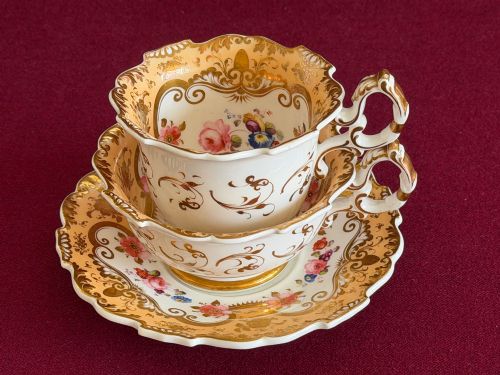
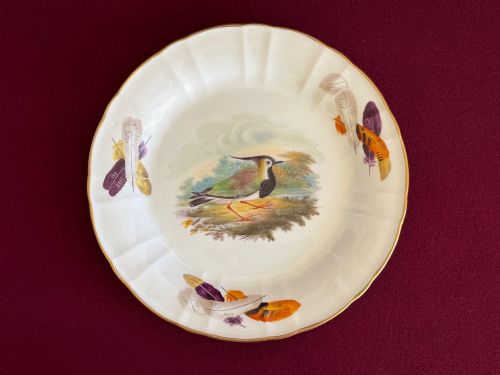
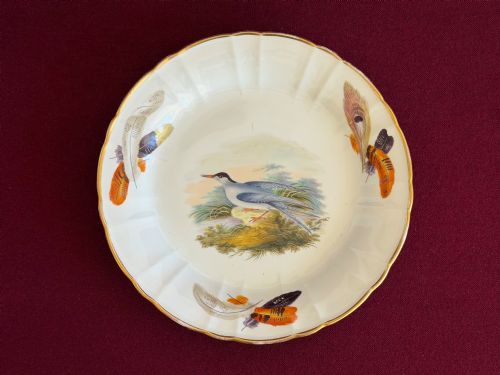
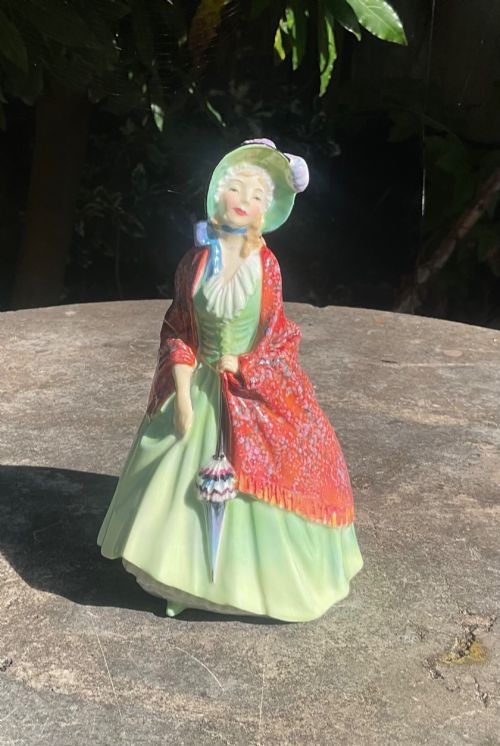
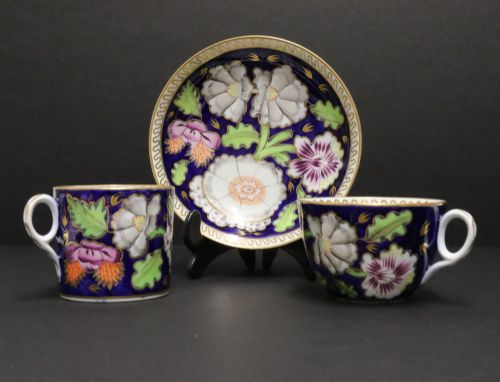
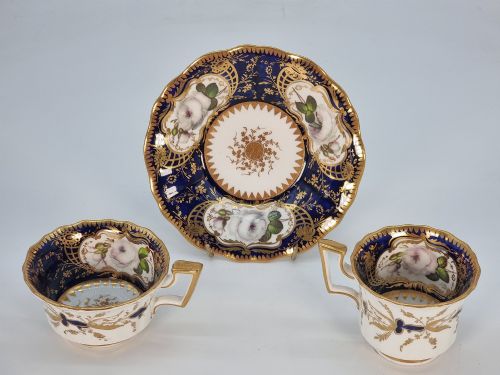
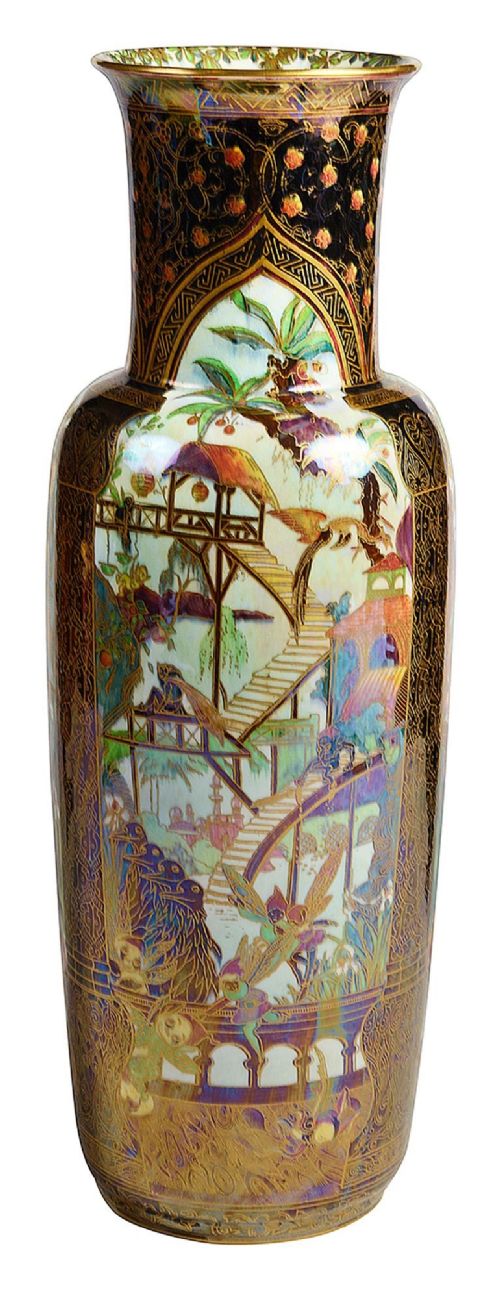
When you search for antique English bone china, you encounter items shaped by generations of skilled ceramic production across several distinct periods. The selection spans tea and coffee sets, cabinet plates, decorative bowls, vases and individual coffee cans with matching saucers.
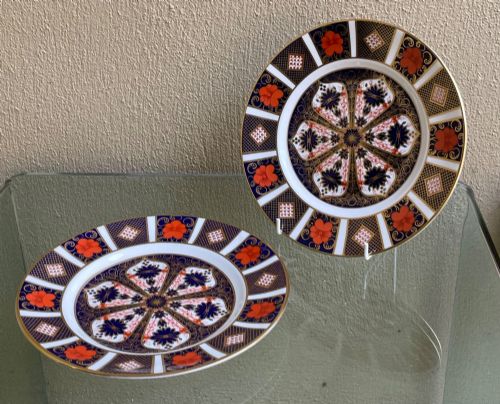
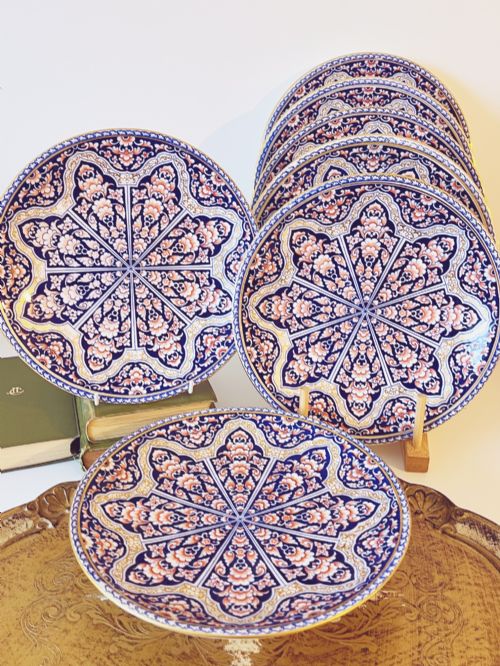
The objects originate from notable eras including the Regency, Edwardian, and the decades of the nineteen twenties, thirties, forties and fifties. You are most likely to meet pieces decorated in traditional English styles alongside Imari patterns and Art Deco motifs.
Forms range from utilitarian vessels designed for dining and beverage service to ornamental cabinet pieces intended for display. Each piece reflects the aesthetic priorities and manufacturing capacities of its specific decade of production.
Manufacturing and materials
These pieces utilise fine bone china and porcelain bodies, fired to create a strong yet translucent ceramic base. Surface decoration relies on hand-applied enamel colours and detailed glaze work to build up intricate patterns.
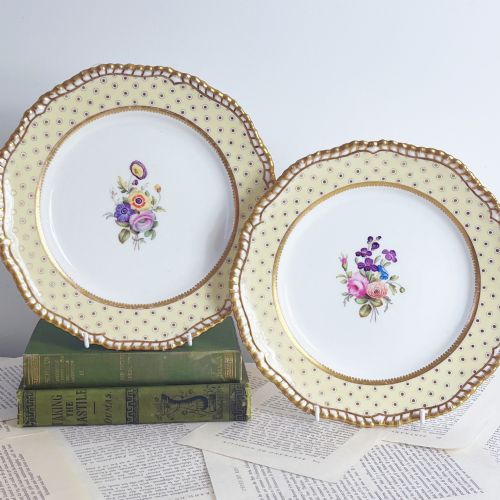
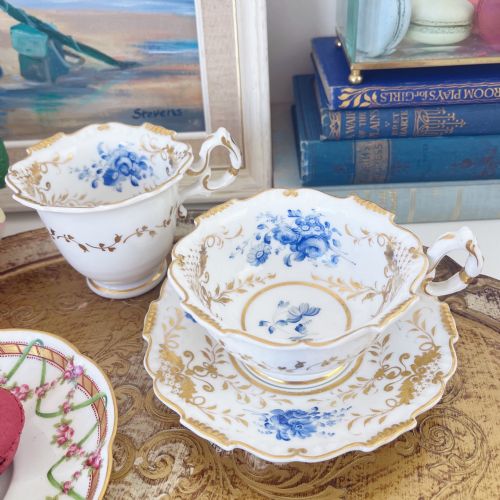
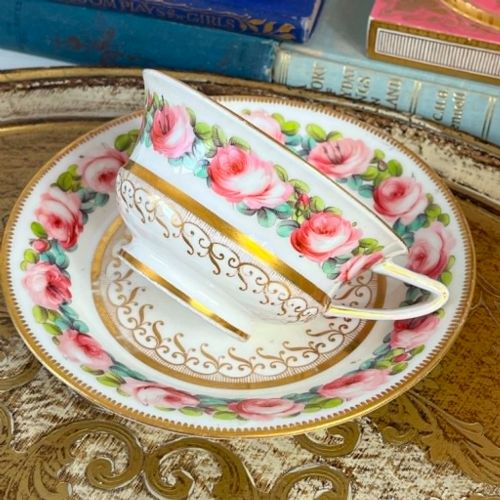
Many items incorporate gold leaf and gold gilding applied to rims, handles and central motifs. Techniques such as rope edge moulding and twin handled vessel construction demonstrate the technical skill involved in shaping the wet clay before firing.
Retail Price Guide 2026
Typical UK retail prices for english bone china, calculated from the Sellingantiques database of over a million retail prices indexed since 2003. This retail price guide relies exclusively on Sellingantiques data; no external sources or auction records are used, so the figures do not describe the wider market.
The listings span six distinct decades from the Regency era through to nineteen fifty, featuring bone china, porcelain, enamel and gold leaf.
Assessing quality
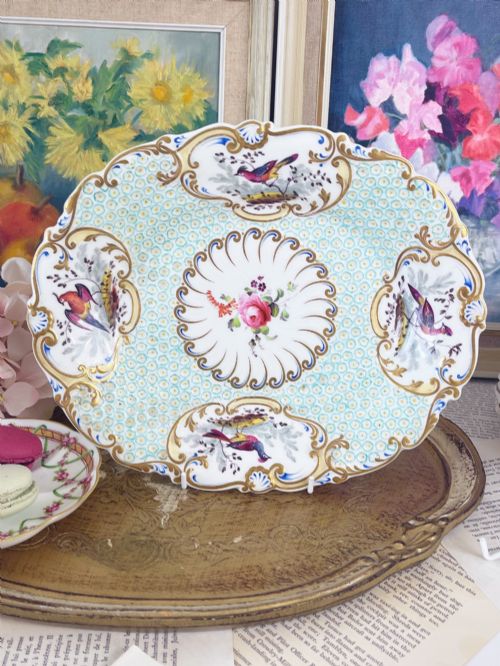
Quality in these ceramics rests upon the precision of the painting and the delicacy of the bone china body. Hand-painted enamel work with crisp outlines and rich colour saturation stands apart from simpler or more mechanical application.
The application of gold leaf and gilding dictates the overall refinement of a piece, with smooth, even coverage showing superior craftsmanship. Furthermore, the complexity of the form, such as moulded edges or handled shapes, elevates the execution.
Royal Crown Derby·Shelley·Royal Worcester·Spode
The Antique English Bone China Glossary
- Bone China
- A type of soft-paste porcelain incorporating animal bone ash, producing a strong, highly white and translucent ceramic body. This material allows for thinner walls than traditional earthenware while maintaining durability.
- Imari Style
- A decorative scheme inspired by Japanese export wares, typically featuring a palette of cobalt blue, iron red and gold. English iterations adapt these vibrant motifs onto local ceramic shapes.
- Gold Gilding
- The application of a thin layer of gold leaf to ceramic surfaces, usually highlighting rims, handles and pattern details. It provides a lustrous finish that enhances the formal appearance of tableware.
- Cabinet Trio
- A matched set consisting of a teacup, saucer and matching plate intended for display in a cabinet rather than heavy daily use. These groupings showcase the decorative ambitions of the decorating studio.
- Enamel
- A vitreous composition fused to the ceramic surface through firing, providing permanent and vibrant colours. Enamels allow for detailed pictorial and geometric ornamentation across cups, plates and bowls.
Frequently Asked Questions
Can I use these for dining?
Many of these items were originally produced for daily beverage and dining service. However, older pieces with delicate gold leaf and hand-painted enamels benefit from careful handling.
Using them for special occasions is acceptable if washed promptly by hand. Avoid exposing them to microwave heating or acidic foods for extended periods.
What is an Imari pattern?
An Imari pattern draws on Japanese decorative traditions featuring cobalt blue underglaze combined with iron red and gold overglaze. English makers adapted these striking palettes during the nineteenth and early twentieth centuries.
Such patterns are easily recognised by their bold, contrasting colours and dense geometric or floral arrangements. They remain popular among collectors seeking vibrant historic tableware.
How do I date a piece?
Dating relies on maker marks, pattern numbers and stylistic markers associated with specific periods like Regency or Art Deco. Shape and manufacturing techniques also provide clues to the era of production.
Consulting reference guides dedicated to English potteries helps match backstamps to exact active years. The presence of specific pattern names or registration numbers often narrows down the decade.