
Gilt Porcelain Display Plate
A gilt porcelain display plate brings decorative colour and hand-painted detail to a room, drawing the eye with metallic embellishment and intricate ceramic forms.
Gilt Porcelain Display Plate
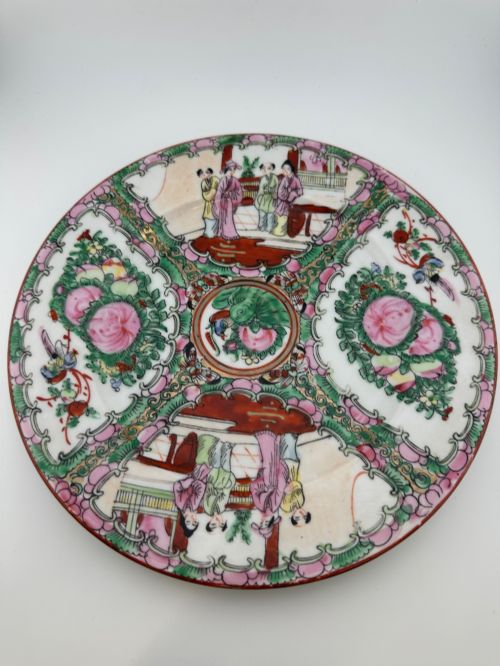
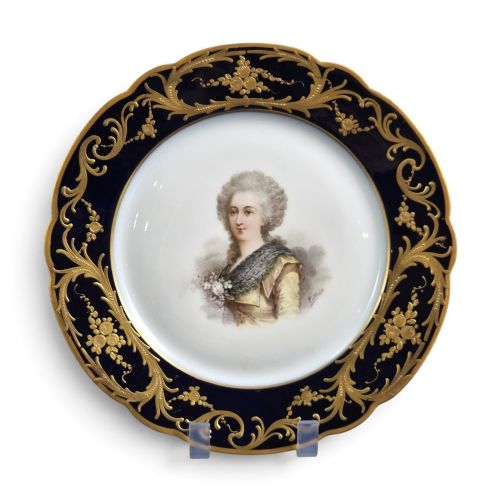
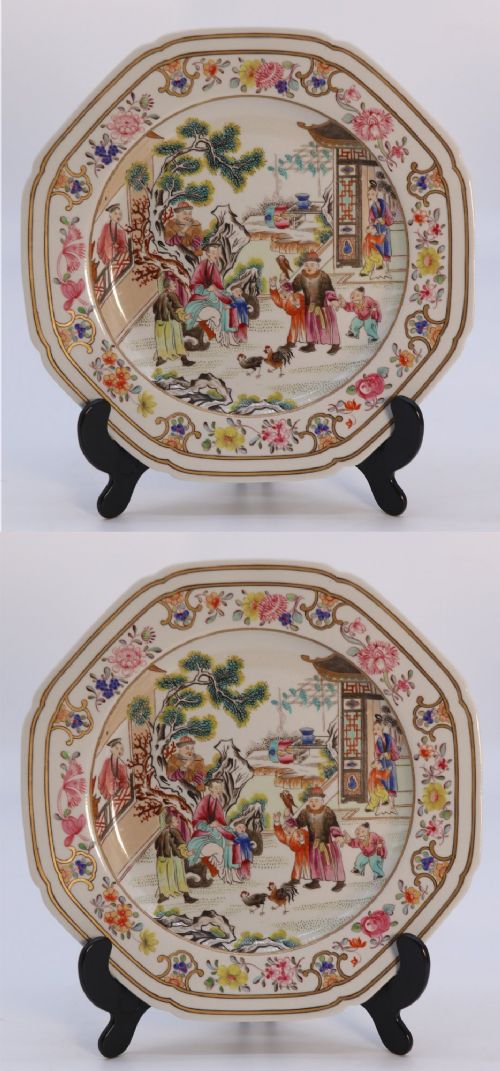
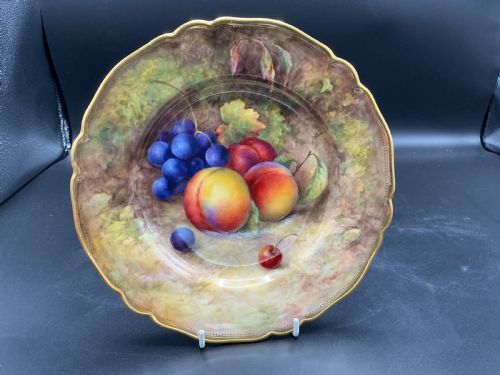
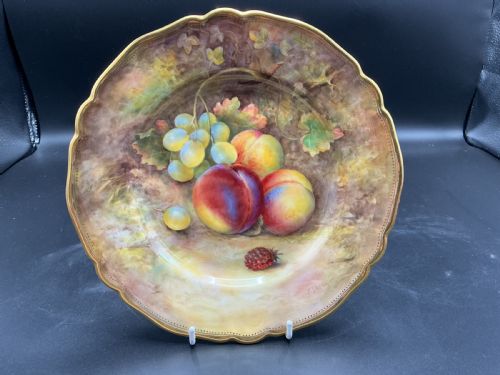
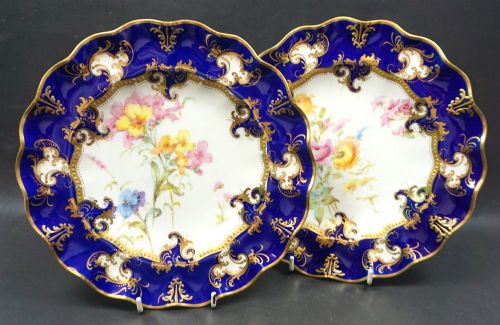
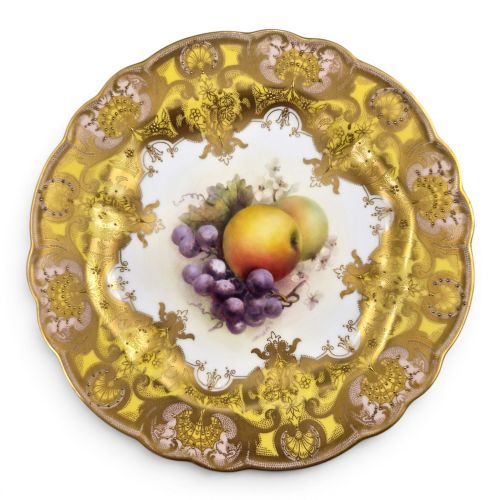
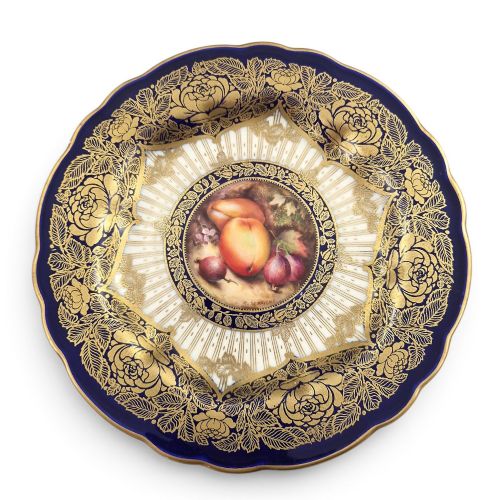
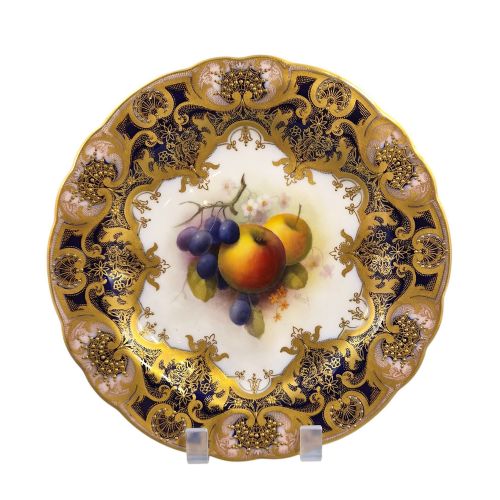
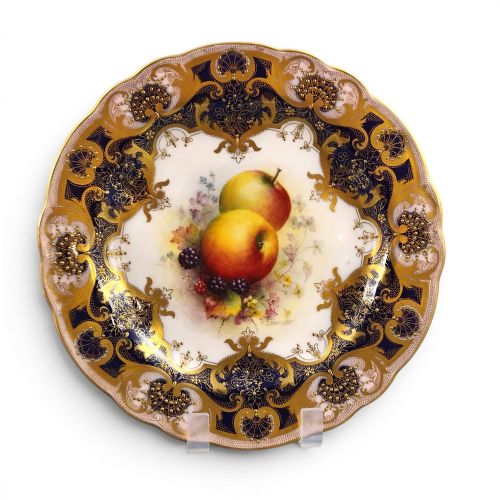
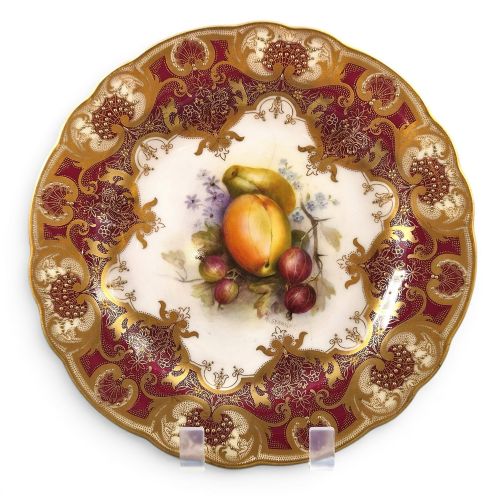
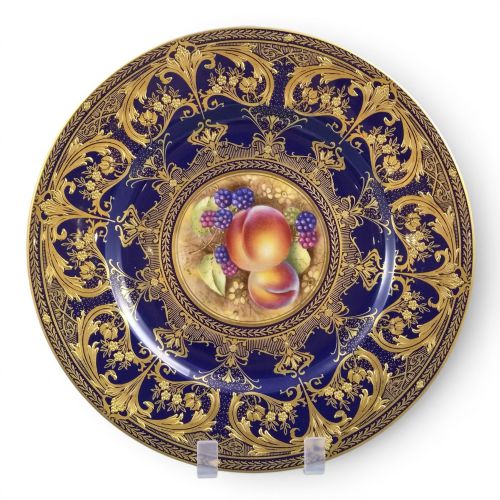
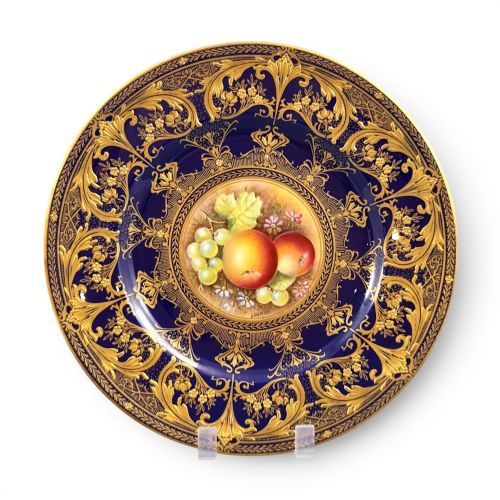
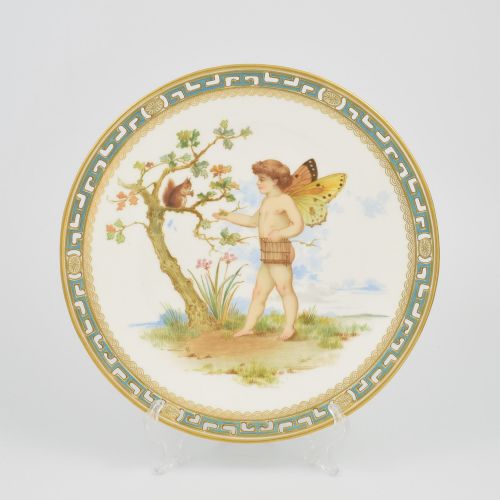
A gilt porcelain display plate is chosen for its ornamental presence, serving primarily as a decorative dish or cabinet plate rather than for table service. These pieces frequently feature rich gilding alongside hand-painted motifs, landscapes, or portraits.
The selections available span periods from the eighteenth century through the twentieth century, encompassing Victorian, Edwardian, and Regency eras. British factories like Royal Worcester, Spode, and Minton sit alongside continental makers and Japanese imports.
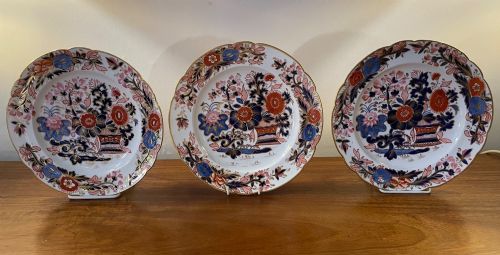
Forms range from standard circular cabinet plates to octagonal shapes, reticulated borders, and large chargers. Buyers encounter both single decorative dishes and matched pairs or sets.
Materials and production methods
The foundation of these items is porcelain, bone china, or stone china, fired to create a durable white ceramic body. Artisans then applied enamel colours and gold leaf, gilding, or gold paint to highlight borders and central imagery.
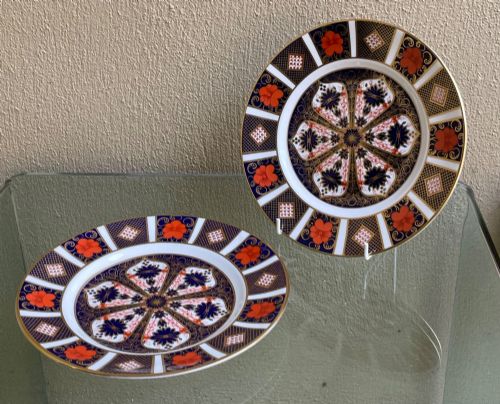
Decoration relied on skilled hand-painting, visible in botanical studies, fruit scenes, portraits, and Japanese Imari patterns. Certain Victorian and Edwardian examples incorporate pierced borders or raised paste gilding executed by specialist hands.
Gilt Porcelain Display Plate Retail Price Guide 2026
Typical asking prices for gilt porcelain display plate among the pieces listed under this phrase on Sellingantiques today, from the lower quarter to the upper quarter. They describe what is for sale here now, not the wider market.
Listings feature porcelain, bone china, and stone china across Victorian, Edwardian, and Regency periods.
Factors of quality and execution
The distinction between standard production and the finest work lies in the execution of the painting and the application of the gold. Hand-painted fruit or portrait plates by known artists display a depth of brushwork that elevates the piece.
The crispness of moulding in reticulated or pierced edges and the purity of the porcelain body also signal superior manufacture. Well-preserved gilding without excessive rubbing maintains the intended visual impact of the design.
Royal Worcester·Royal Crown Derby·Minton·Royal Doulton·Spode·Barr Flight and Barr·Meissen·Aynsley
The Gilt Porcelain Display Plate Glossary
- Cabinet plate
- A decorative plate intended for display in a cabinet or on a wall rather than for dining. These often feature elaborate painted scenes and heavy gilding.
- Charger
- A large decorative plate or dish, frequently used as a base piece or hung for display. They provide a broader surface area for complex patterns.
- Gilding
- The application of gold leaf or gold powder to the surface of the porcelain. This technique accents rims, handles, and decorative motifs.
- Reticulated
- Having an openwork or netted border formed by cutting through the clay before firing. This technique creates a lace-like ceramic edge.
- Imari palette
- A decorative style utilising underglaze blue, iron red, and abundant gold. The aesthetic originates from Japanese export porcelain and influenced European makers.
Gilt Porcelain Display Plate: Frequently Asked Questions
How were cabinet plates displayed?
Cabinet plates were historically shown in glazed display cabinets or mounted on walls using specialised wire hangers. This kept the decorative surfaces safe from daily wear while showcasing artistic painting.
Today, owners continue to use wall mounts or plate stands to display these ceramics in living spaces and dining rooms.
Can these plates be used for food?
Most display plates and cabinet dishes are intended purely for visual ornamentation. The delicate nature of the enamel work and the presence of gold leaf mean they are not suited for practical dining.
Using older porcelain for food can also risk damaging delicate hand-painted surfaces and historic gilding.
How do I identify the period of a plate?
Dating relies on maker marks stamped, painted, or impressed on the underside of the ceramic base. Reference guides connect these symbols and factory culls to specific decades of production.
Stylistic clues, such as Aesthetic Movement motifs or Victorian floral arrangements, also help narrow down the era of manufacture.
What is the difference between porcelain and ironstone?
Porcelain is a vitrified ceramic made from kaolin and petuntse, fired at high temperatures to create a white, translucent body. It forms the base for most fine cabinet plates.
Ironstone and stone china are heavier, opaque earthenware bodies developed to be more robust while retaining a refined appearance for larger chargers.