


Antique French Cabinet Plate
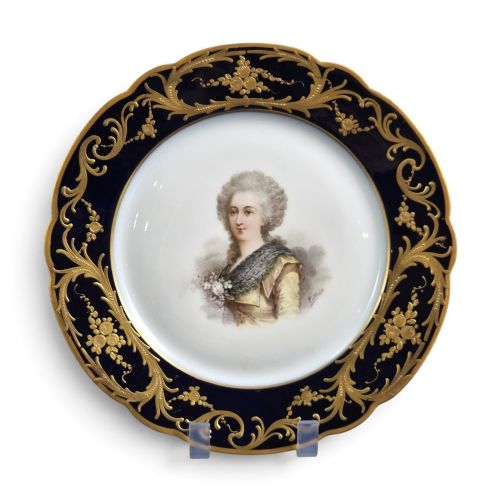
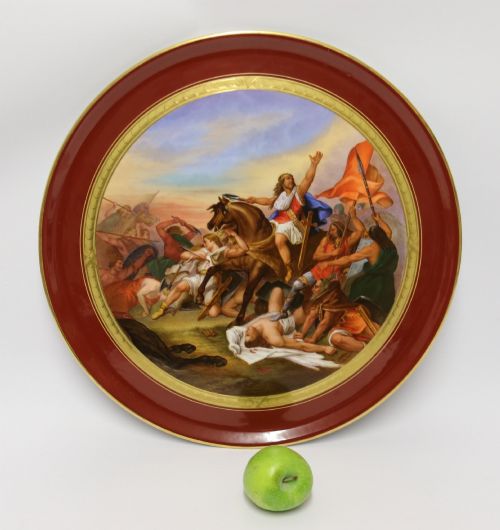
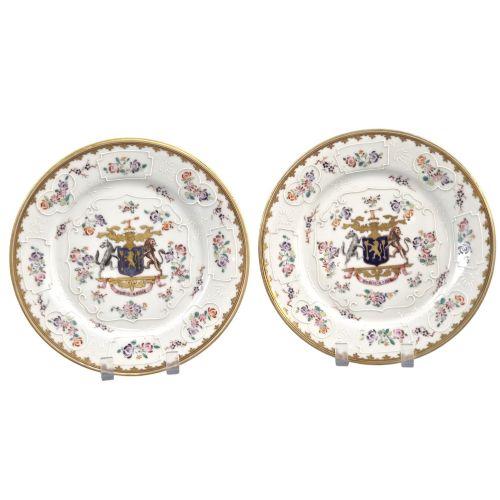
An antique french cabinet plate displays hand-painted portraiture, armorial motifs, or historical battle scenes across hard-paste porcelain and soft-paste porcelain.
Antique French Cabinet Plate
An antique french cabinet plate is primarily a decorative object rather than functional tableware, designed for display in salons and dining rooms. The pieces gathered here span the eighteenth century and the nineteenth century, encompassing porcelain examples alongside provincial wooden furniture forms that share the name.
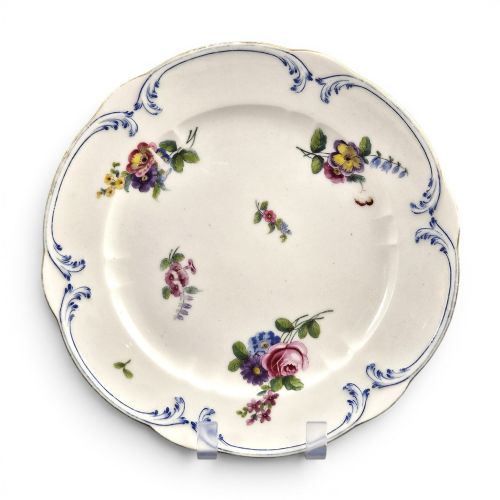
The porcelain examples frequently emerge in the Sèvres style or from Paris workshops, featuring hand-painted scenes such as portraits, battles, and floral arrangements. Collectors encounter plates bearing historical subjects alongside cobalt, pink, and gilt borders created during the Victorian era and earlier reigns.
What varies in quality
The standard of painting on the porcelain surface dictates much of the distinction between pieces, particularly in the rendering of portraits, horses, and historical battle scenes. Precision in the application of gold leaf and enamel borders also separates standard production from exceptional works.
Provenance and workshop attribution play a significant role, with marked pieces from known makers or specific historical periods commanding closer attention. In wooden forms, the choice of timber such as walnut or cherrywood and the complexity of inlay work define the grade.
Listings feature 18th Century and 19th Century items made from porcelain, enamel, gold leaf, walnut, brass, and iron.
Edmé Samson & Cie·Ambroise Michel·Darte Brothers·Pucher Deroche
The Antique French Cabinet Plate Glossary
- Cabinet plate
- A decorative porcelain plate intended for display on a wall or within a cabinet rather than for dining use. These items often feature elaborate painted scenes and gilded rims.
- Hard-paste porcelain
- A durable ceramic composition fired at high temperatures, composed of kaolin and petuntse. It provides a dense, vitrified body commonly found in French porcelain.
- Soft-paste porcelain
- An early ceramic formula containing glass frit and white clay, fired at lower temperatures than hard-paste. It possesses a warm glaze texture often seen in eighteenth-century pieces.
- Gilt
- A thin layer of gold applied to the surface of porcelain or wood as decoration. It highlights borders, motifs, and moulded edges.
- Charger
- A large decorative plate or platter. Examples in the evidence measure up to twenty inches in diameter and depict historical battles.
Antique French Cabinet Plate: Frequently Asked Questions
What is an antique french cabinet plate?
An antique french cabinet plate is a porcelain dish decorated with hand-painted historical scenes, portraits, or armorials, intended for display. These pieces originate primarily from the eighteenth and nineteenth centuries.
Such plates were produced by notable Paris factories and regional workshops, frequently featuring cobalt blue or pink grounds enhanced with gold leaf and enamel.
How were antique french cabinet plates used?
These plates served primarily as decorative items rather than tableware, displayed in cabinets, on walls, or upon dressers. They allowed owners to exhibit refined taste and appreciation for historical events.
Wealthy households collected sets depicting battles, royal figures, and mythological subjects to spark conversation among guests in drawing rooms.
How do I distinguish eighteenth-century from nineteenth-century porcelain?
Eighteenth-century pieces often utilise soft-paste porcelain with softer glaze characteristics and subtle hand-painted floral or pictorial motifs. Nineteenth-century examples frequently employ hard-paste porcelain with brighter enamel colours and extensive gilt borders.
Examining the paste body, mark styles, and painting technique helps determine whether a piece belongs to the earlier Sèvres tradition or later Victorian revivals.
Can these plates be hung on a wall?
Many cabinet plates feature rims or formats suitable for display, though care must be taken with the mounting hardware to protect the porcelain edge and gilt work. Collectors typically use specialised coated wire hangers that distribute pressure evenly.
Ensuring secure placement prevents accidental slips, preserving the hand-painted enamel and gold leaf details for the future.