
Antique Decorative China Plate
An antique decorative china plate brings hand-painted colour and intricate ceramic history directly to a wall or cabinet.
Antique Decorative China Plate
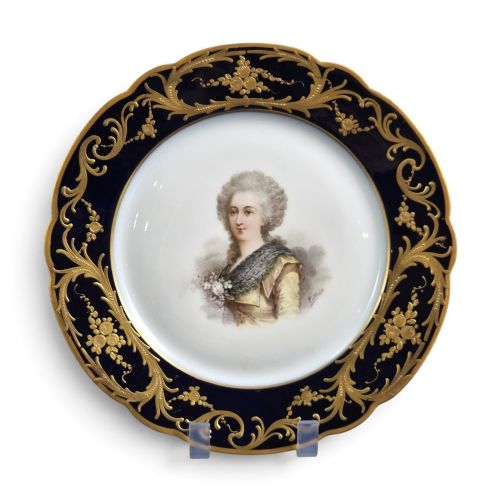
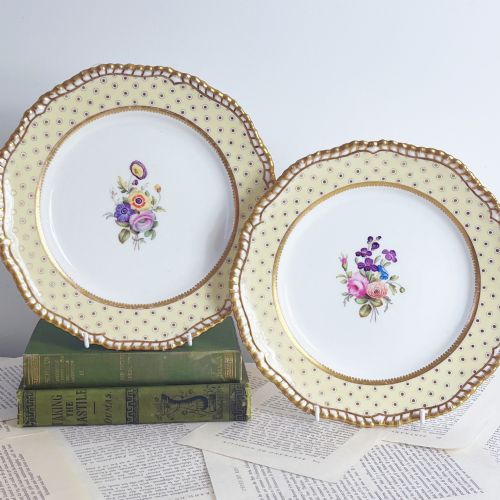
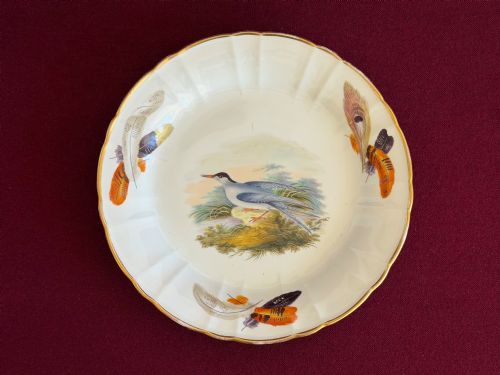
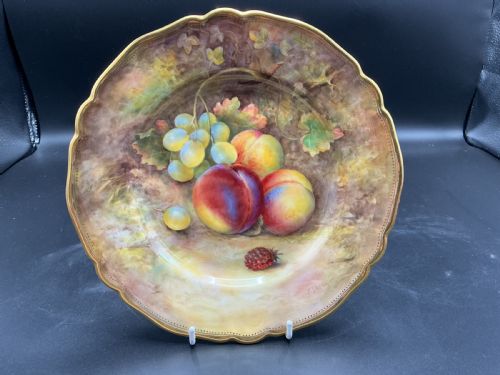
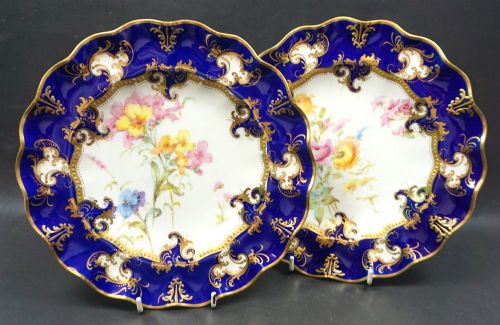
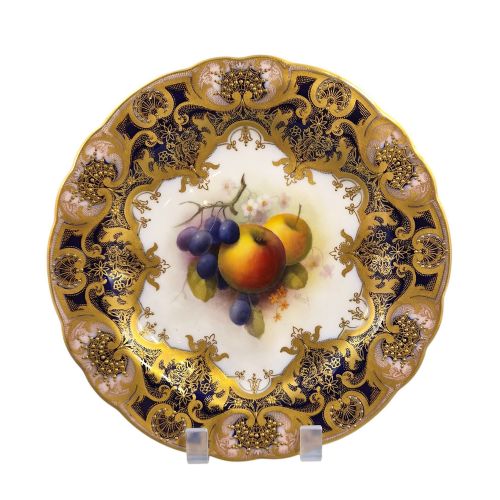
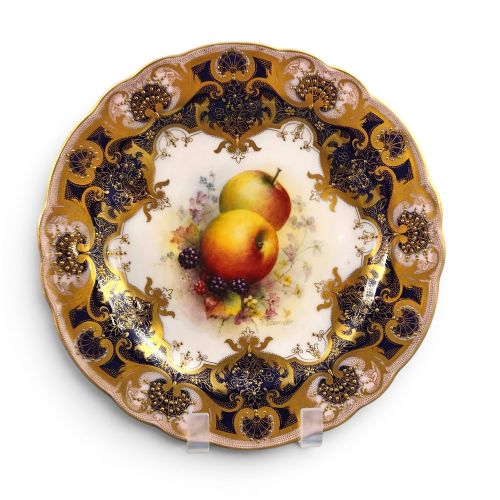
An antique decorative china plate is a ceramic piece shaped for display rather than daily dining. The pieces seen here span centuries of production, including cabinet plates, dessert services, chargers, and platters.
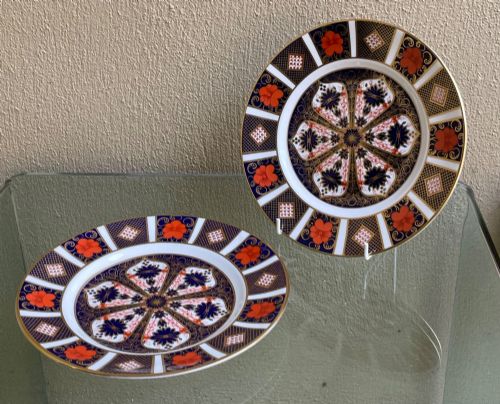
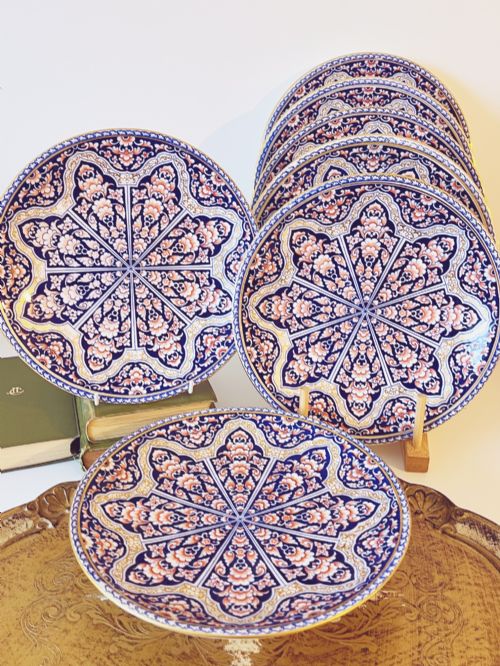
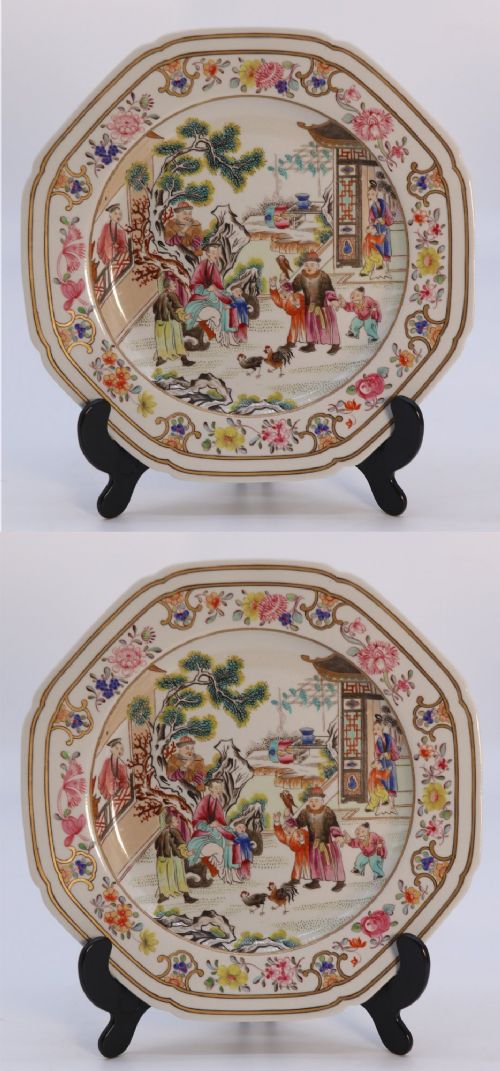
Most items on this page belong to the nineteenth and early twentieth centuries, featuring British factories alongside continental and Japanese imari examples. Forms range from simple circular dishes to octagonal shapes and basketweave mouldings.
Collectors choose these objects for their detailed hand-painted scenes, armorial crests, and historical patterns that record changing aesthetic tastes across generations.
How They Were Made
Potters shaped these pieces using porcelain, bone china, stone china, and ironstone, which were then fired to create durable ceramic bodies. Glazes provided smooth protective surfaces, often enriched with enamel colours and metallic touches.
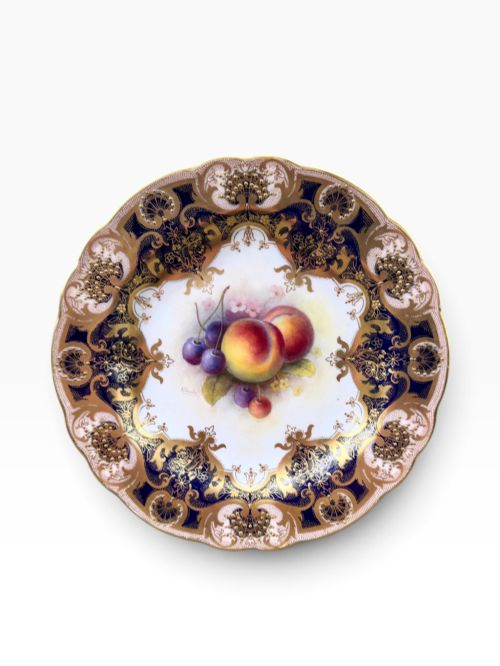
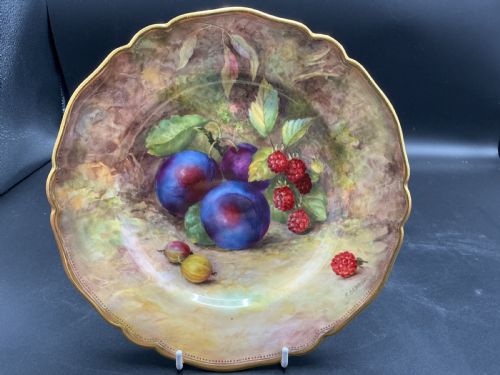
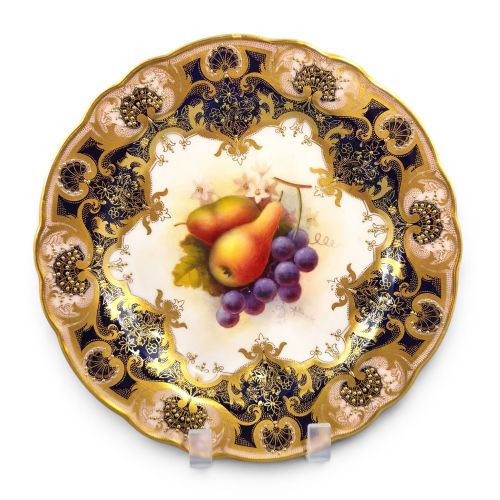
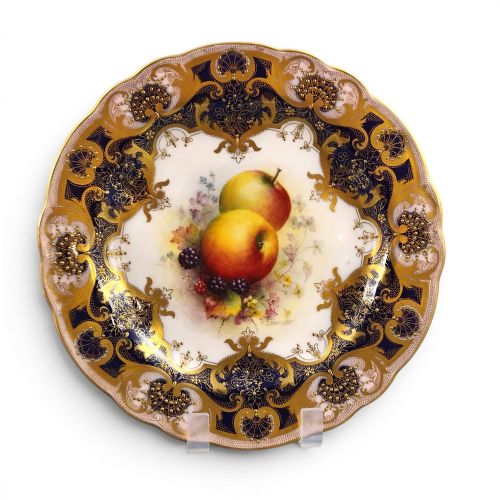
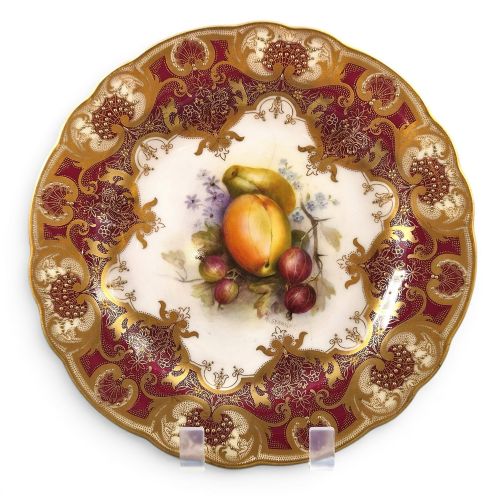
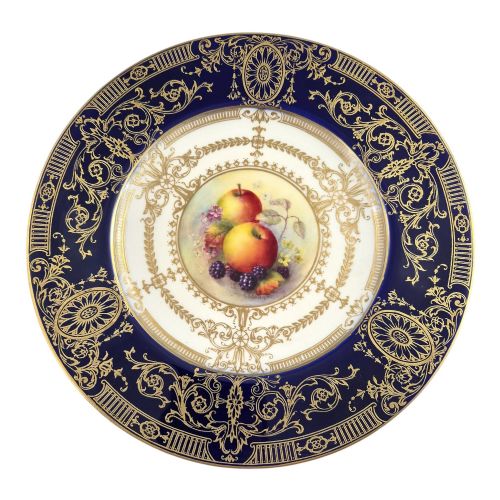
Makers applied gold leaf, gilding, and intricate hand-painted motifs, including botanical studies, topographical views, and Japanese-inspired patterns. Many items relied on professional artists who signed their painted fruit and portrait panels.
Listings feature eighteenth-century Chantilly porcelain alongside nineteenth-century bone china and twentieth-century painted fruit services.
What Varies in Quality
The standard of a piece rests primarily on the skill of the artist and the complexity of the painted design. Hand-painted fruit studies and named topographical scenes by known decorators sit above standard transfer-printed wares.
Quality also shows in the crispness of the porcelain moulding, the richness of the gilding, and the preservation of the enamel colours over time. Exceptional factory marks and documented provenance further distinguish superior examples.
Royal Crown Derby·Royal Worcester·Royal Doulton·Spode·Minton·Wedgwood·Coalport
The Antique Decorative China Plate Glossary
- Cabinet plate
- A decorative plate intended for display in a cabinet or on a wall rather than for practical table use. These pieces often feature elaborate painted scenes and gilt borders.
- Imari
- A decorative style inspired by Japanese export wares, characterised by a palette of underglaze blue, iron red, and gilt. British factories adopted these patterns extensively during the Georgian and Victorian periods.
- Bone china
- A type of soft-paste porcelain containing animal bone ash, developed in England to improve durability and translucency. It allowed makers to produce thinner, more refined plates and dishes.
- Armorial plate
- A ceramic dish painted with a specific family crest, coat of arms, or motto. These were often commissioned by landed families as part of large dining or dessert services.
- Ironstone
- A heavy, durable type of earthenware patented in the nineteenth century to rival true porcelain. It provided a sturdy surface for bold transfer-printed and painted designs.
Antique Decorative China Plate: Frequently Asked Questions
How do I hang a cabinet plate safely?
Use a coated wire spring hanger that distributes pressure evenly across the rim of the dish without scratching the glaze. Ensure the wall fixing is secure before mounting any porcelain piece.
Alternatively, display the plate inside a glass-fronted cabinet on a stable stand to protect it from accidental knocks.
Can I use these plates for serving food?
Antique decorative plates are generally not recommended for modern dining or dishwasher use. Older glazes and enamels can contain lead or suffer surface damage from cutlery.
Displaying them as cabinet pieces or using them solely for dry presentation preserves the painted decoration and gold leaf.
How do I identify the maker?
Turn the plate over to examine the base for factory stamps, painted marks, or impressed ciphers. Many British potteries used date codes or pattern numbers that narrow down the year of manufacture.
Matching the style of the mark with historical records reveals the exact pottery and active period of production.
What is the difference between porcelain and ironstone?
Porcelain is a fired ceramic material known for its fine grain, whiteness, and slight translucency when held to the light. It forms the basis of most high-end cabinet plates.
Ironstone is a denser, heavier earthenware designed for strength, making it thicker and completely opaque compared to true porcelain.