
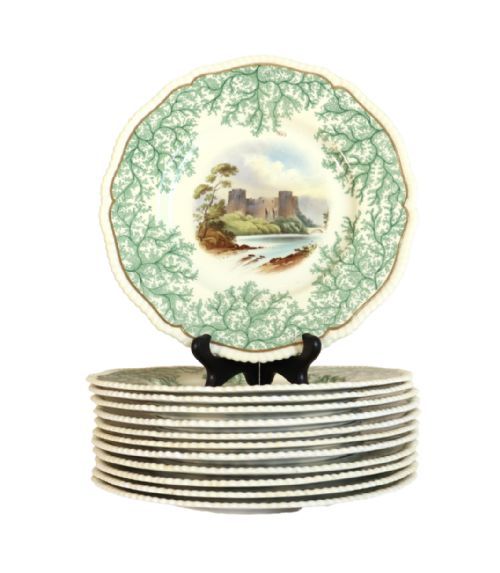
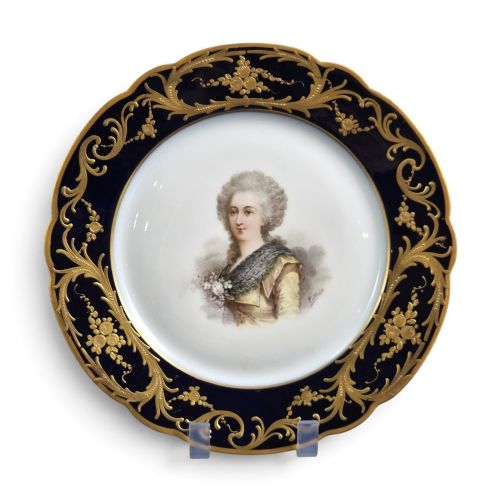
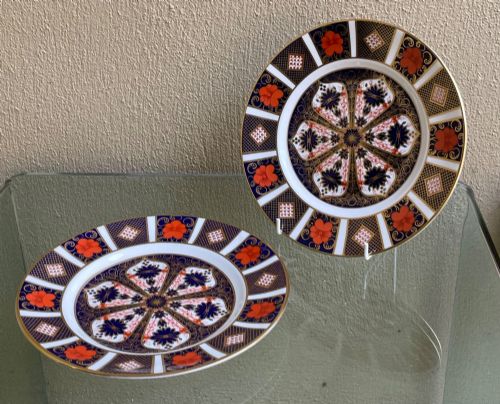
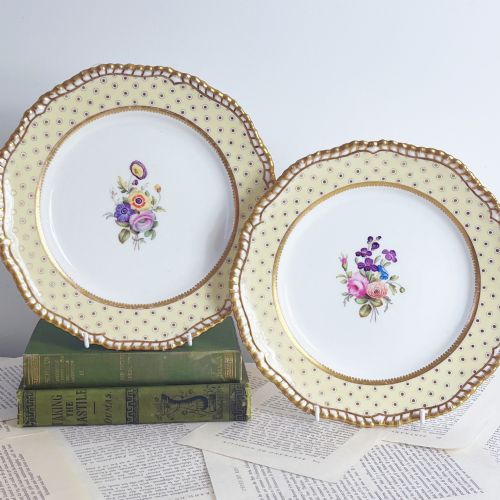
Antique Porcelain Cabinet Plate
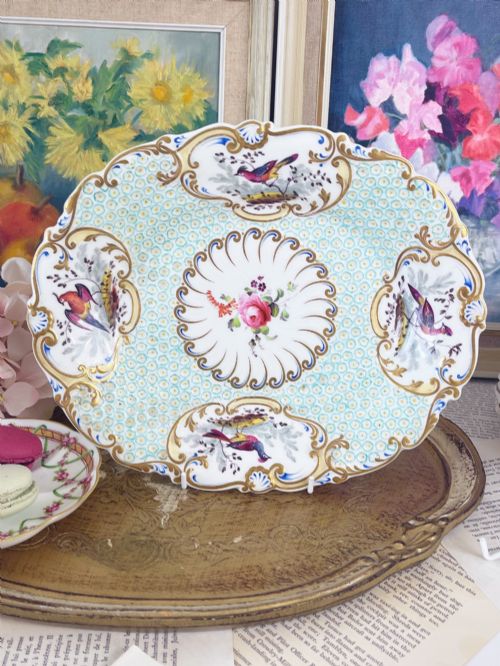
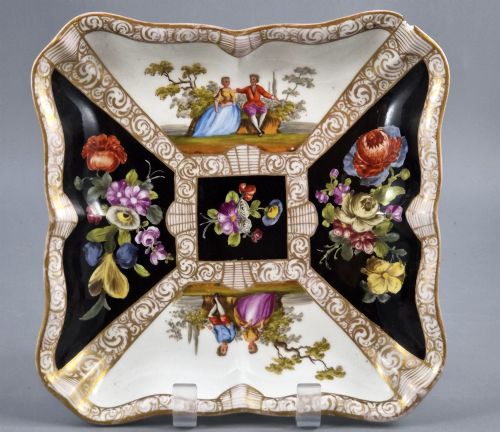
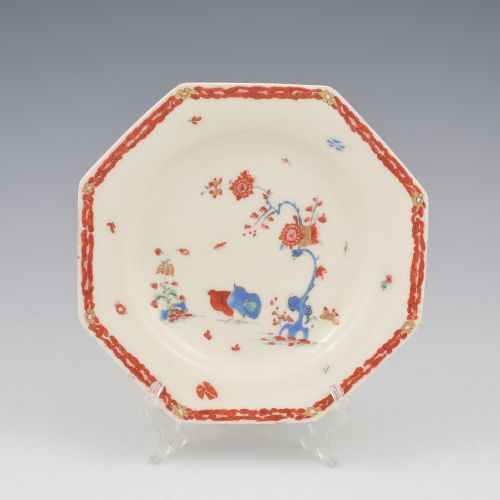
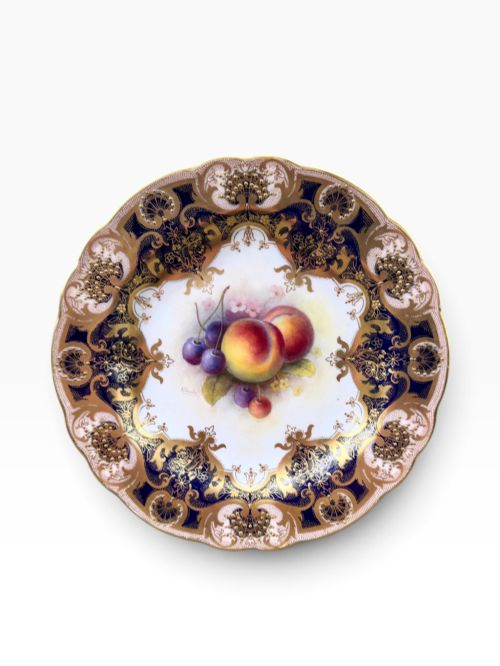
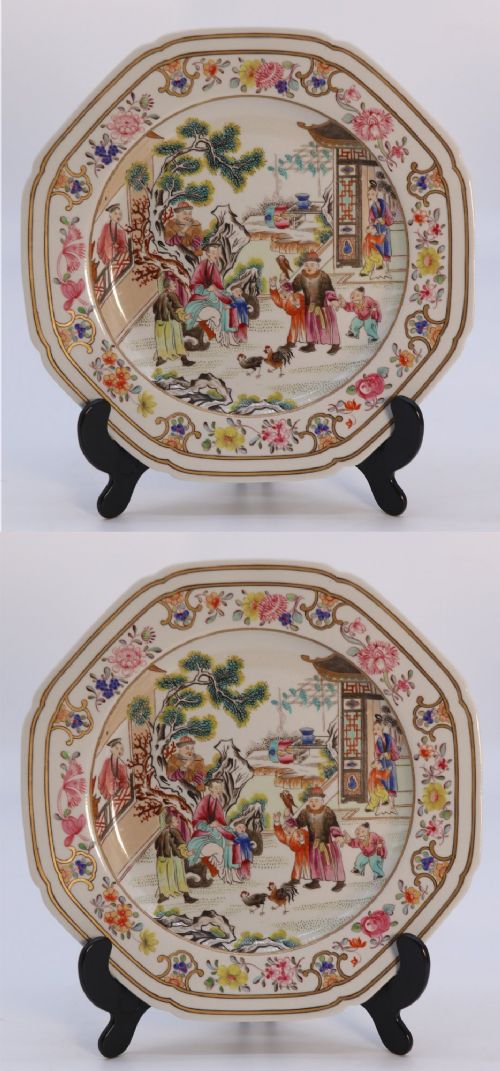
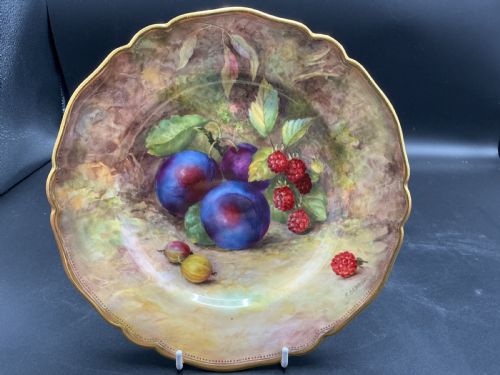
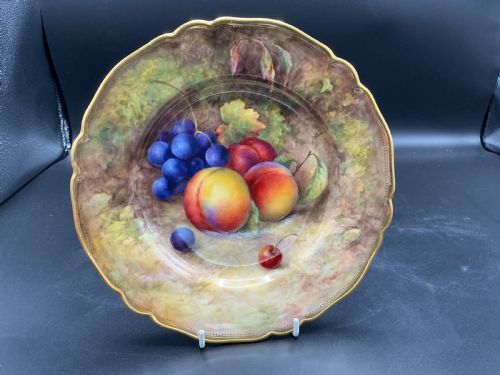
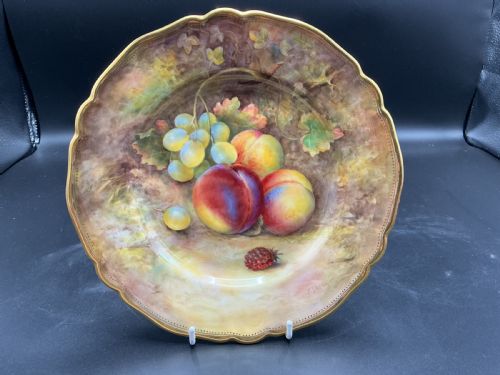
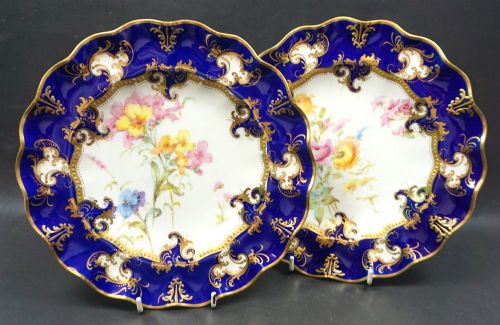
An antique porcelain cabinet plate brings hand-painted botanical studies and classical scenes into a room, made for display rather than dining.
Identifying these pieces
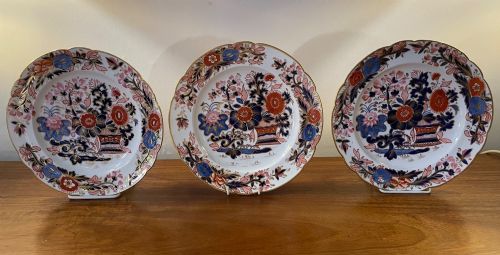
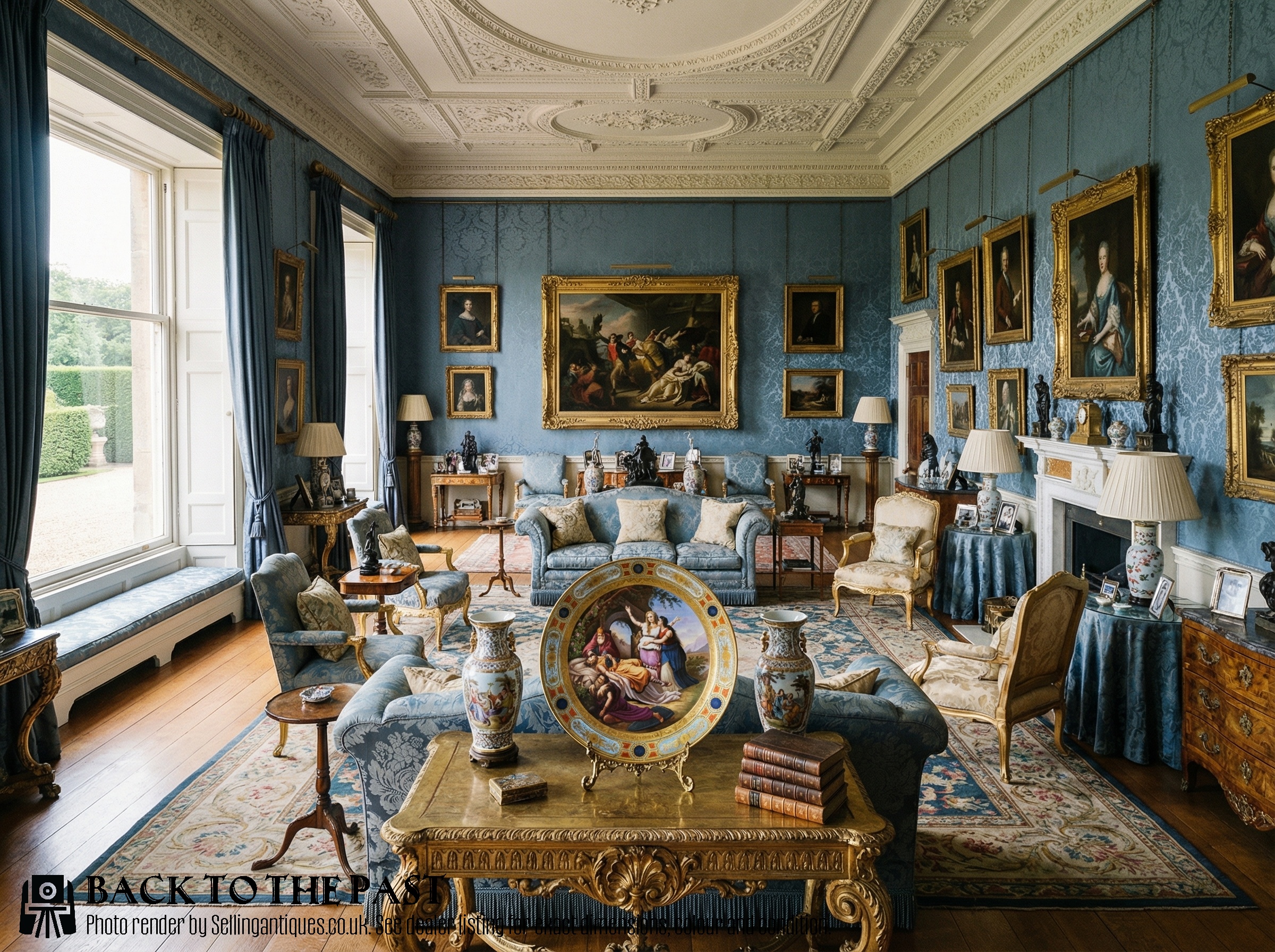
An antique porcelain cabinet plate is a decorative ceramic object meant for display on a wall or dresser rather than for daily service at the table. These pieces take the form of cabinet plates, dessert plates, and larger chargers.
The selections span the Georgian, Regency, and Victorian eras, stretching into the early twentieth century. Examples range from English factories like Royal Worcester, Coalport, and Minton to continental European works such as Meissen and Vienna.
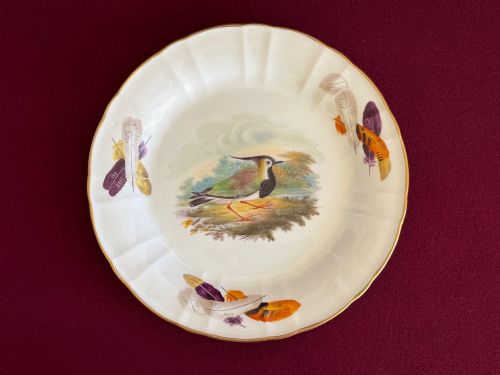
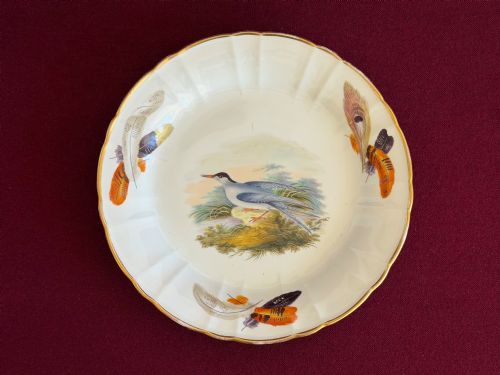
Buyers will encounter specific forms carrying hand-painted fruit, armorial bearings, botanical specimens, birds, and mythological narratives. Many of these items were produced for international exhibitions or high-end retailers.
Materials and construction
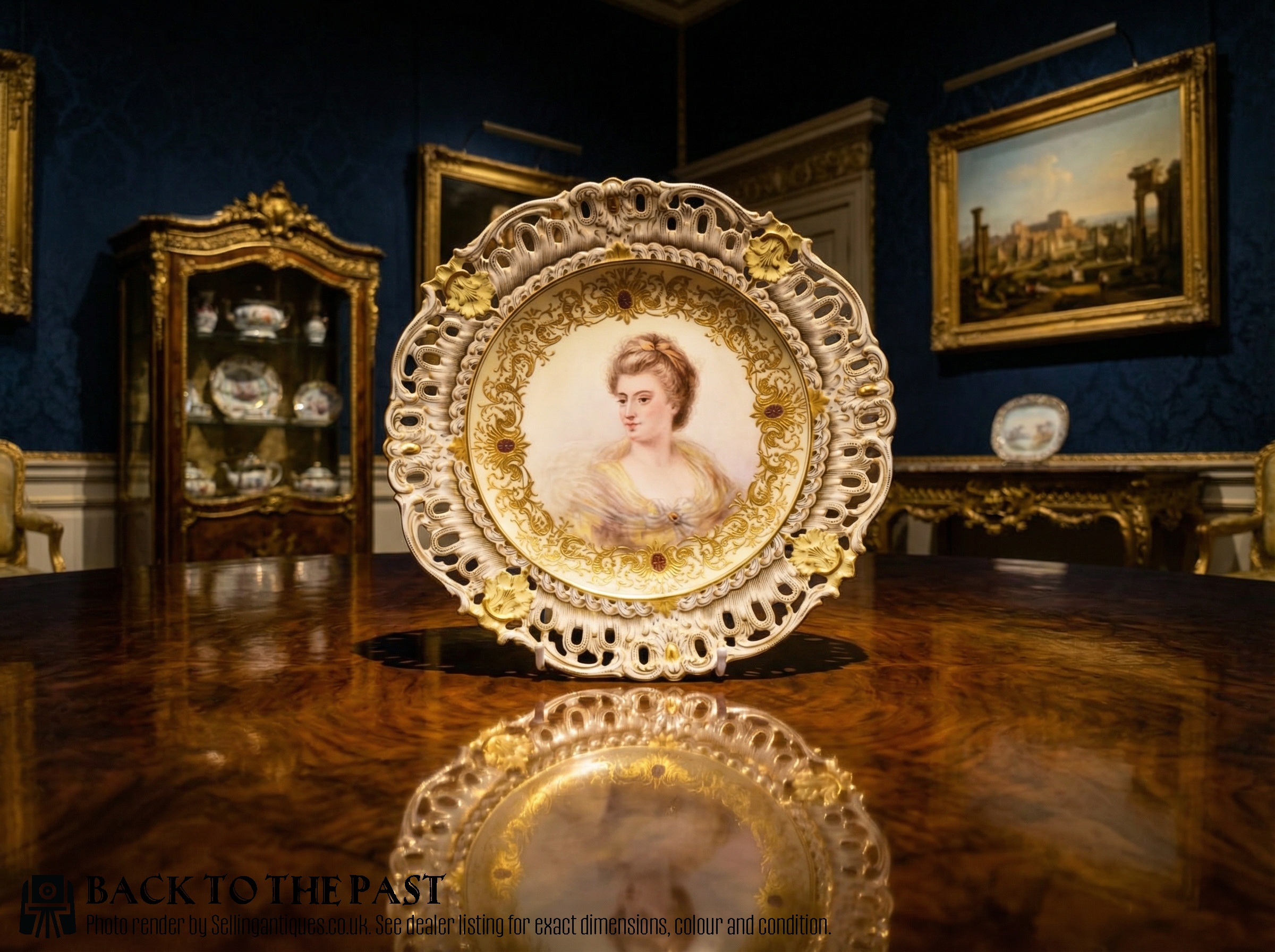
Makers utilised fine porcelain and bone china as the primary canvas, shaping bodies that could receive intricate polychrome enamels. Glazes provide a smooth, vitrified surface for detailed miniature painting.
Decoration relied heavily on manual brushwork, using enamel colours fixed by kiln firing. Gilding, gold leaf, and raised gold work frequently highlight borders, rims, and reticulated pierced patterns.
Retail Price Guide 2026
Typical UK retail prices for porcelain cabinet plate, calculated from the Sellingantiques database of over a million retail prices indexed since 2003. This retail price guide relies exclusively on Sellingantiques data; no external sources or auction records are used, so the figures do not describe the wider market.
Listings feature porcelain, bone china, enamel, and gold leaf across Georgian, Regency, and Victorian periods.
Evaluating the work
Excellence in these objects rests upon the skill of the ceramic painter and the prestige of the factory. Signed works by documented artists command particular attention for their artistic execution.
The complexity of the form influences the piece, such as pierced reticulation or heavy gilded borders combined with elaborate mythological or botanical subjects. Factory marks stamped or painted on the reverse verify the origin and period.
Royal Worcester·Bloor Derby·Meissen·Flight Barr And Barr·Coalport·New Hall·Minton·Royal Doulton
The Antique Porcelain Cabinet Plate Glossary
- Cabinet plate
- A decorative ceramic dish intended purely for display in a cabinet or on a wall. These plates usually feature elaborate painted scenes or rich gilding rather than standard tableware patterns.
- Reticulated
- Having an openwork or net-like pattern created by cutting through the clay before firing. This technique adds delicate texture to the rim of a plate.
- Armorial
- Bearing a coat of arms or heraldic crest. Such decoration was often commissioned by noble families for specific services.
- Charger
- A large ornamental plate used as a base setting or displayed centrally. These objects provide a wider surface for narrative painting.
- Enamel
- Vitreous coloured glass fused to the porcelain surface through firing. Enamels supply the vibrant palette seen in botanical and figural subjects.
Frequently Asked Questions
How were cabinet plates displayed?
These pieces were typically shown in glass-fronted display cabinets, mounted on walls using specialised hangers, or stood on sideboards.
Their primary purpose was decorative rather than functional, allowing households to exhibit fine art porcelain to guests.
What subjects appear on these plates?
Common subjects include hand-painted fruit, botanical specimens, exotic birds, and literary or mythological figures like King Tristan.
Many examples feature armorial bearings or detailed landscapes executed by factory artists.
How do I identify the maker?
Makers are generally identified by blue or impressed factory marks found on the reverse side of the porcelain.
Some pieces also carry the signature of the individual painter or retailer stamps from firms like Tiffany and Company.
What is the difference between bone china and porcelain?
Bone china incorporates animal bone ash into the traditional porcelain paste mixture, creating a slightly warmer tone and high durability.
Both materials served as smooth bases for the intricate enamel painting seen on nineteenth-century display plates.