
19th Century English Porcelain
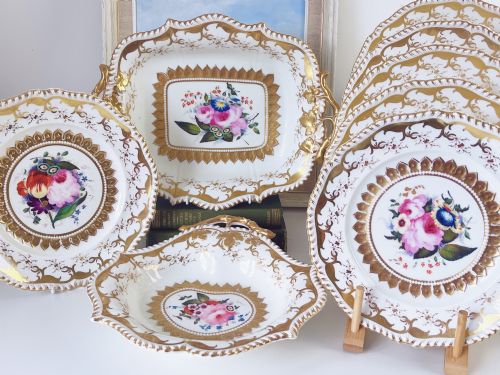
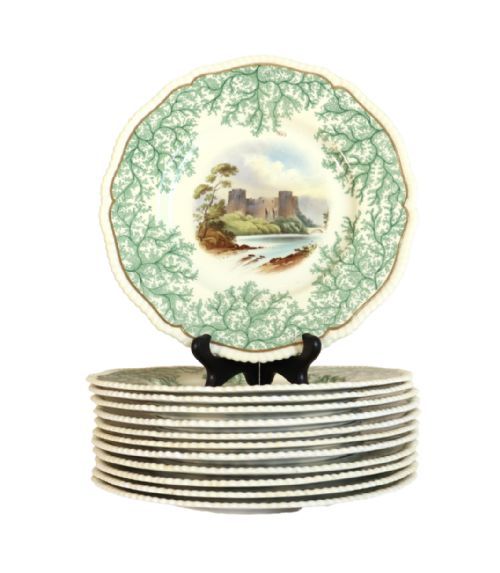
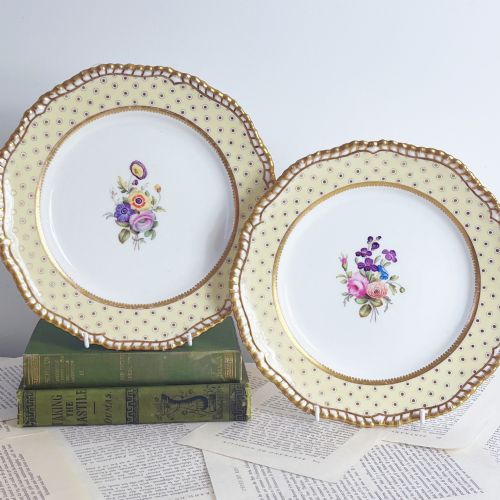
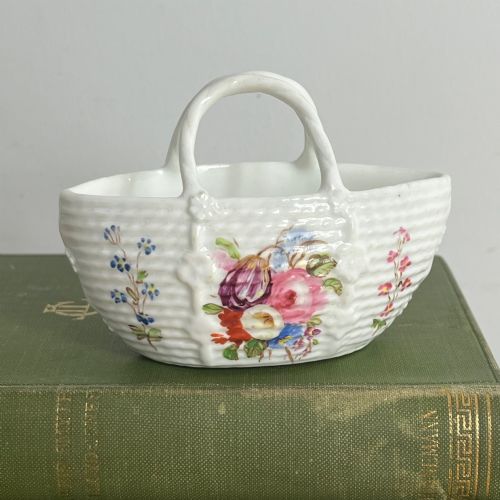
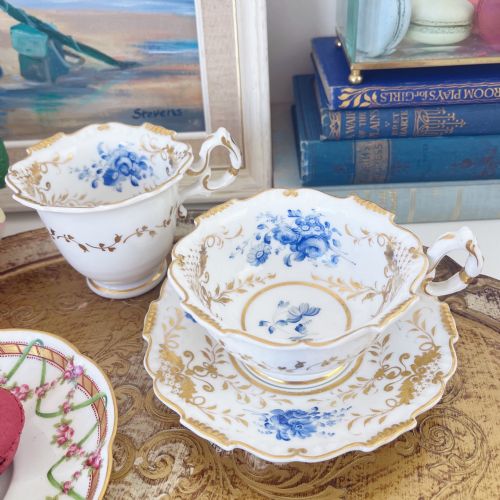
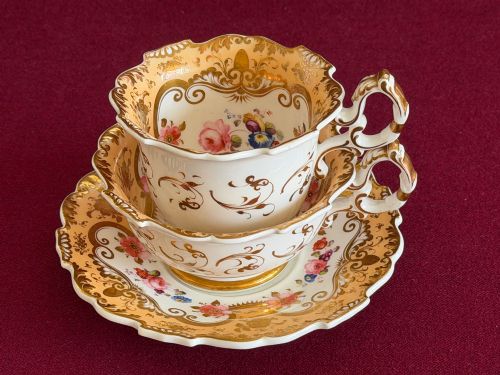
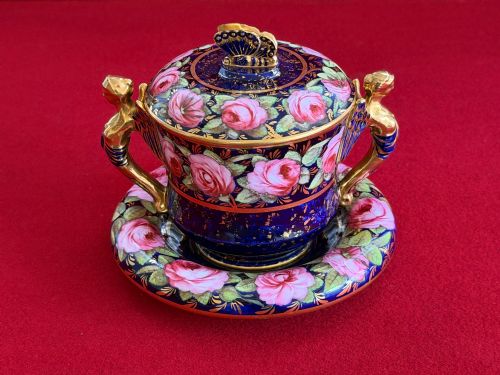
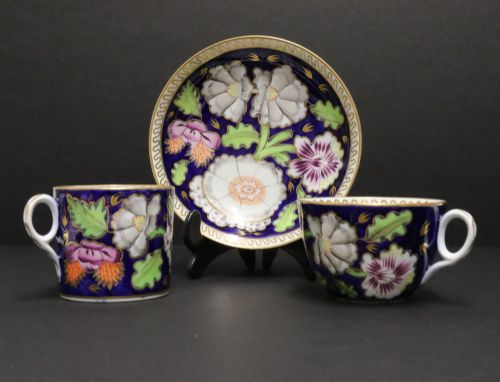
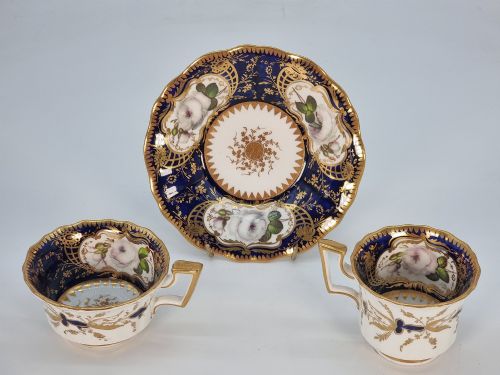
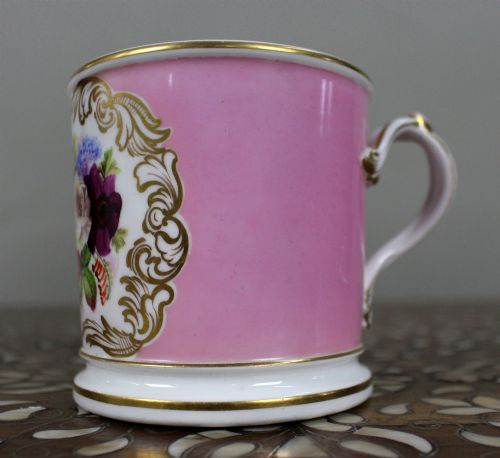
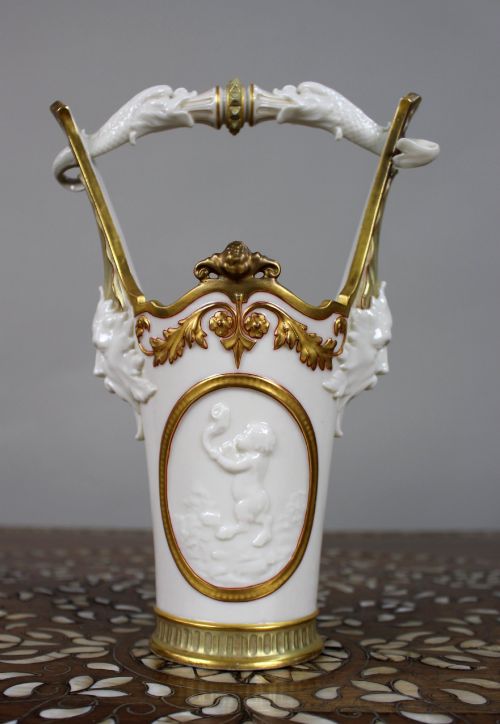
When you collect 19th century english porcelain, you handle the delicate handpainted tea services, cabinet plates, and decorative urns made during the Georgian, Regency, and Victorian eras.
19th Century English Porcelain
The 19th century english porcelain on this page spans from the early Georgian and Regency periods through to the height of the Victorian era, capturing a vast shift in domestic dining and display habits.
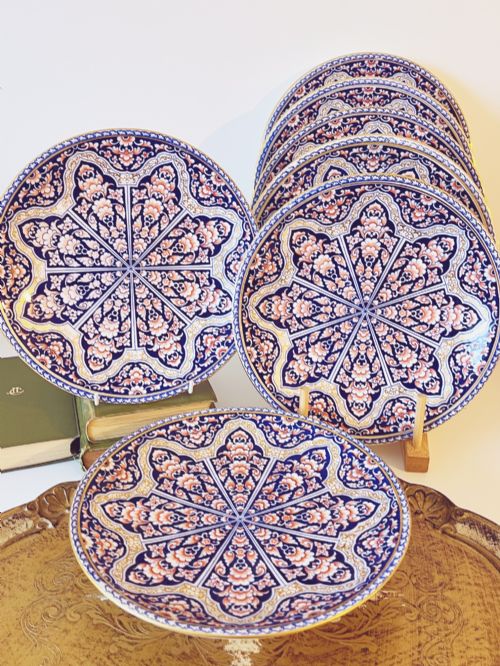
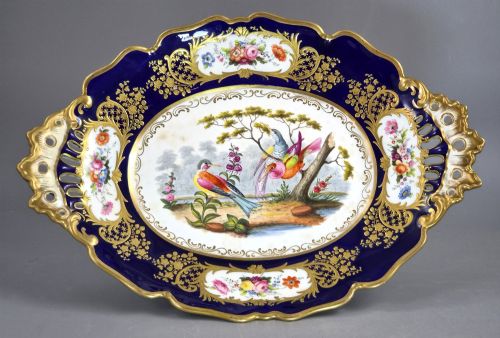
Buyers encounter functional teacups, trios, and dessert services alongside decorative cabinet pieces, vases, and jardinières, reflecting both the pantry and the parlour.
Works from factories such as Spode, Coalport, and various Worcester iterations dominate the selection, showing how output moved from refined tea wares to ambitious exhibition pieces.
Materials and Technique
Potters utilised fine porcelain and bone china bodies, often finished with rich enamel pigments and meticulous gold leaf gilding applied by hand.
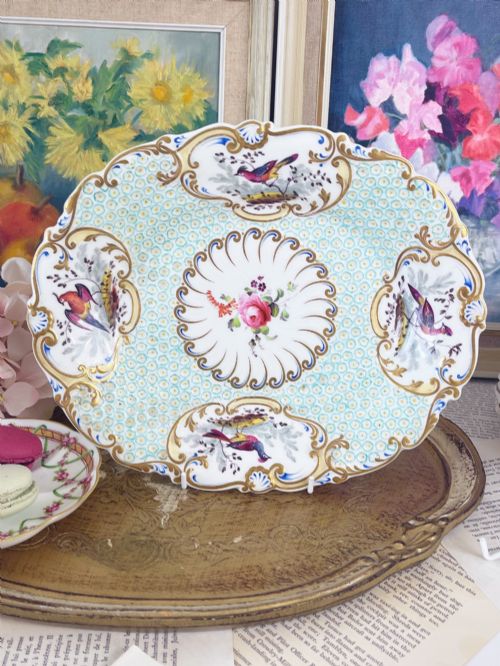
Decoration relied heavily on skilled brushwork, producing detailed botanical studies, fancy birds, and landscape scenes that required expert kiln firing to set the glaze.
Manufacturers also experimented with earthenware and pearlware bodies for utilitarian or novelty items, though porcelain remained the preferred choice for high-status table service.
19th Century English Porcelain Retail Price Guide 2026
Typical asking prices for 19th century english porcelain among the pieces listed under this phrase on Sellingantiques today, from the lower quarter to the upper quarter. They describe what is for sale here now, not the wider market.
Snow leopards occasionally guard the mantelpiece alongside delicate porcelain tulips and butterfly-handled bowls.
Judging Quality
Quality rests primarily on the precision of the handpainted details and the crispness of the porcelain moulding, where master decorators produced finer, more lifelike botanical and avian subjects.
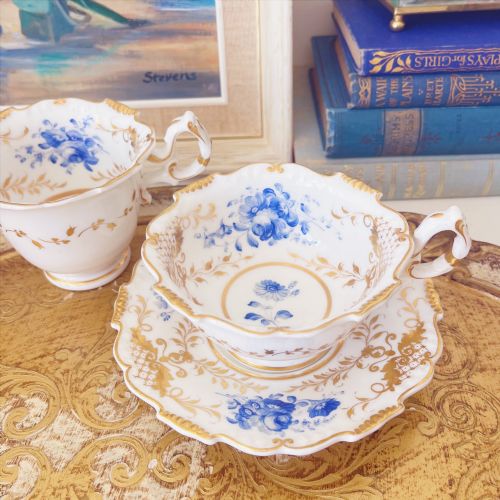
The application of gilding and the purity of the glaze also separate standard output from superior pieces, with thick, burnished gold leaf indicating a higher-tier workshop commission.
Preservation of the original hand-applied enamel colours and the absence of heavy wear on high-friction surfaces like cup rims and dessert plate wells determine the desirability of surviving items.
Grainger Lee And Co·Spode·Flight Barr And Barr·H And R Daniel·Royal Crown Derby·Coalport·Grainger Worcester·Royal Worcester·Davenport·Bloor Derby·Mason And Sons·Ridgway·Derby·Moses Webster·Hicks And Meigh·Wedgwood·Minton·Barr Flight And Barr·Rockingham·Yates Leeds·Chamberlains Worcester
The 19th Century English Porcelain Glossary
- Bone china
- A type of porcelain strengthened by the addition of bone ash, producing a durable, translucent body favoured by English potteries.
- Trio
- A matching set comprising a teacup, a coffee cup, and a saucer, popular during the Regency period.
- Comport
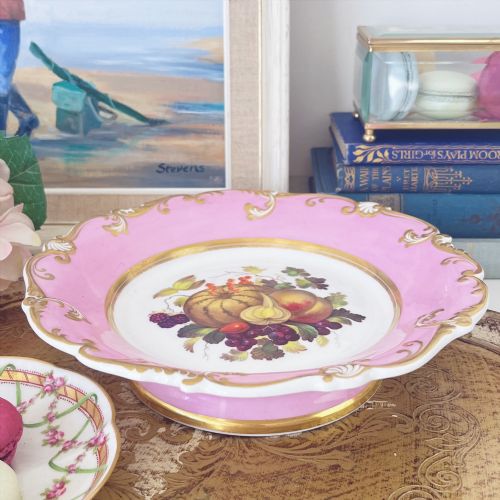
- A footed dish or tazza elevated above the table surface, typically used as part of a dessert service for serving fruit.
- Gilding
- The application of gold leaf or gold paint to ceramic surfaces, used extensively to accentuate rims, handles, and borders.
- Sucrier
- A small lidded vessel designed specifically for holding sugar during tea service.
19th Century English Porcelain: Frequently Asked Questions
How do I date 19th century English porcelain?
Dating relies on identifying factory backstamps, pattern numbers, and stylistic markers such as Regency shapes or Victorian botanical motifs. Comparing the paste and glaze characteristics to known factory timelines helps narrow the decade of production.
Changes in form, from neoclassical Regency urns to ornate Victorian rococo revival vessels, provide further chronological clues for unmarked pieces.
What is a cabinet trio?
A cabinet trio typically consists of a matching teacup, coffee cup, and saucer designed primarily for display in a porcelain cabinet rather than for everyday dining. These sets often feature the finest handpainted botanical or avian artwork produced by the factory.
Collectors prize them as concentrated examples of a potter's decorative skill during the Georgian and Regency eras.
How were dessert services used?
Dessert services were deployed at the conclusion of formal meals to serve fruit, sweetmeats, and confections on specialised plates and comports. They allowed hosts to showcase their wealth through coordinated porcelain design and intricate handpainted scenes.
As dining customs evolved through the century, these large sets became centerpieces of formal table arrangement.
Are bone china and porcelain different?
Bone china incorporates calcined bone ash into the traditional porcelain paste formula, creating a whiter, more translucent, and surprisingly chip-resistant body. English potters pioneered this refinement to compete with imported Asian wares.
Standard porcelain relies on petuntse and kaolin without the bone ash addition, though both terms appear frequently across nineteenth-century factory records.