



Antique Porcelain Tea Bowl
An antique porcelain tea bowl offers a tangible connection to early tea rituals, prized for its delicate form and painted decoration.
Antique Porcelain Tea Bowl
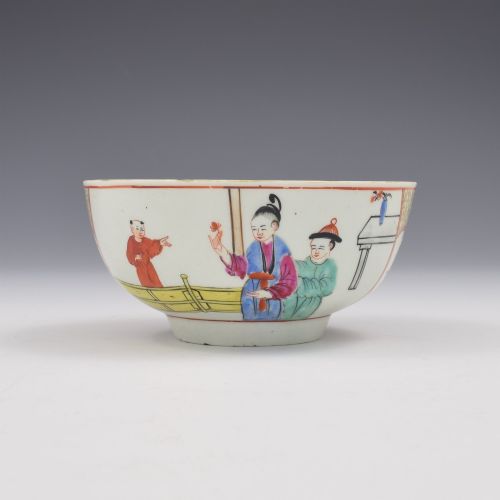
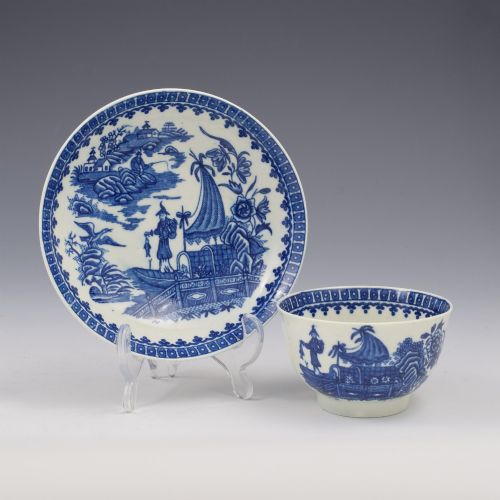
An antique porcelain tea bowl is a small, handleless vessel designed for drinking tea, frequently appearing alongside matching saucers or as part of larger breakfast and afternoon services. These pieces surface primarily from the eighteenth and nineteenth centuries, spanning English factories such as Worcester, Derby, and Spode, alongside continental European and East Asian traditions.
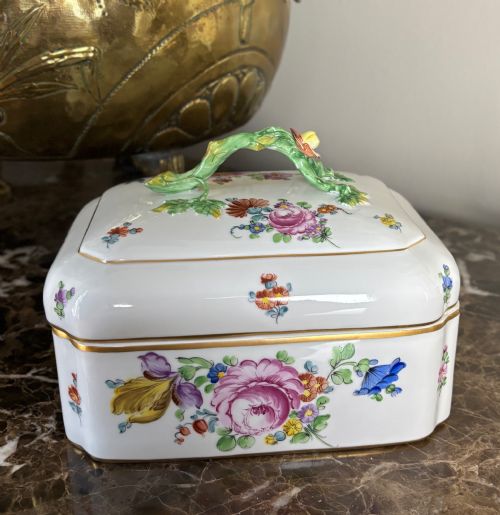
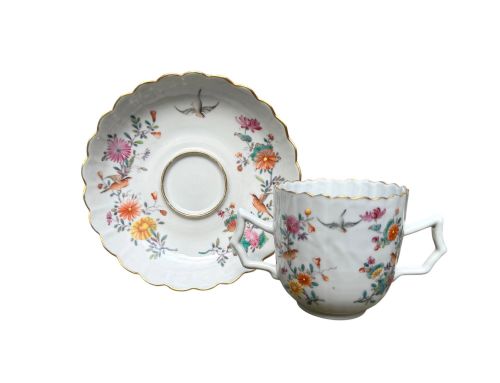
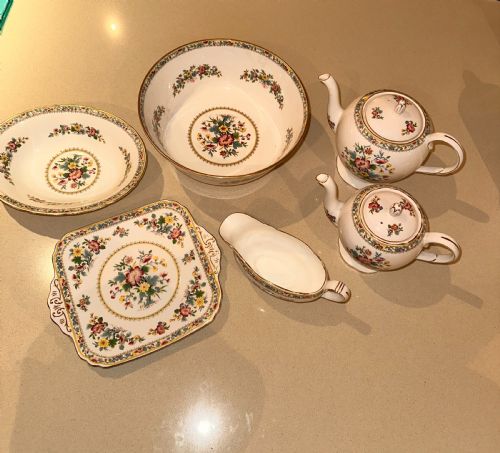
Buyers encountering this phrase will find domestic porcelain vessels decorated in blue and white, polychrome enamels, and gilt borders, reflecting both British Georgian tastes and Chinese export porcelain styles. The form ranges from simple conical bowls to fluted shapes designed to fit comfortably in the hand during historical tea ceremonies.
Materials and manufacture
Makers utilised porcelain bodies, including soft-paste porcelain and bone china, shaped by hand or moulded before receiving underglaze blue painting or overglaze enamel decoration. Artisans applied liquid glaze to seal the ceramic body before a high-temperature firing vitrified the material.
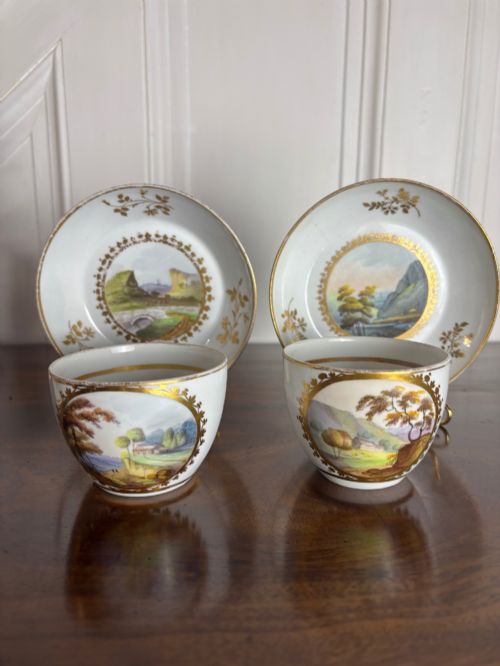
Gilt highlights and gold leaf details were often added in secondary low-temperature firings, while enamelled scenes required precise brushwork using mineral pigments to achieve polychrome designs.
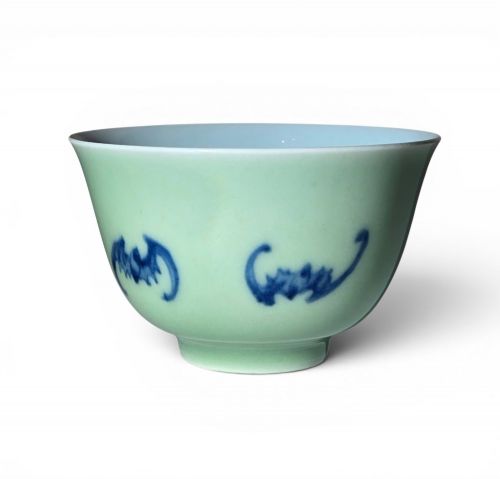
Materials documented in current pieces range from soft-paste porcelain and enamel to gold leaf and celadon glaze.
Distinctions in quality
The standard of an antique porcelain tea bowl depends upon the crispness of the painted motifs, the evenness of the glaze, and the translucency of the ceramic body. Pieces produced by established factories often display finer brushwork and more sophisticated botanical or landscape painting.
The refinement of the potting, the stability of the glaze without excessive pooling, and the preservation of original gilding separate standard production wares from finer cabinet specimens.
Chamberlains Worcester·Spode·Royal Crown Derby·Minton
The Antique Porcelain Tea Bowl Glossary
- Soft-paste porcelain
- An artificial porcelain composition fired at lower temperatures than hard-paste, common in eighteenth-century English factories. It presents a warm, slightly creamy body beneath the glaze.
- Slop bowl
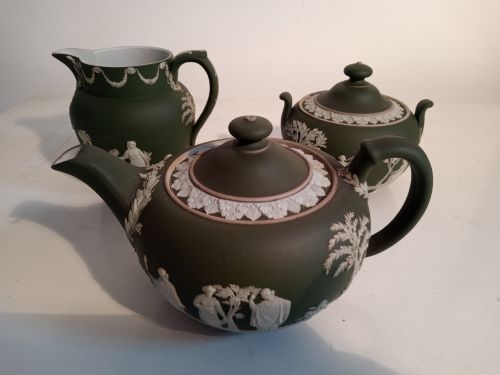
- A larger vessel included in a tea service to receive the dregs of cold tea before pouring a fresh cup. These matched the tea bowls and saucers in pattern.
- Sucrier
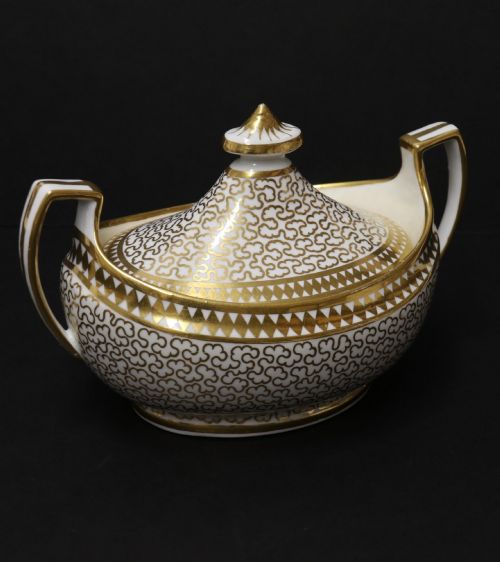
- A covered sugar bowl designed to accompany tea wares on the table. They frequently mirror the decorative borders of the tea bowls.
- Imari
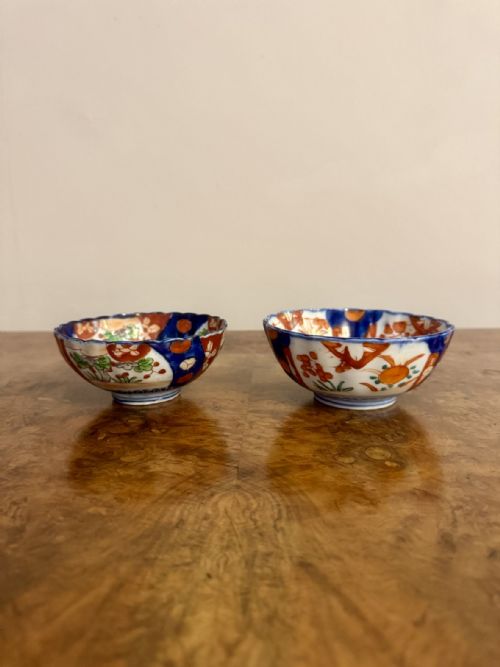
- A decorative style inspired by Japanese export porcelain featuring deep underglaze blue combined with iron red and gilt details. Victorian factories frequently reinterpreted these palettes.
- Celadon
- A pale green glaze developed in East Asia, seen on early wares with carved or incised motifs beneath the surface. It is valued for its subtle tone and glassy depth.
Antique Porcelain Tea Bowl: Frequently Asked Questions
What is an antique porcelain tea bowl?
An antique porcelain tea bowl is a small, handleless drinking vessel produced before the twentieth century. They were used before handled cups became standard in Western dining.
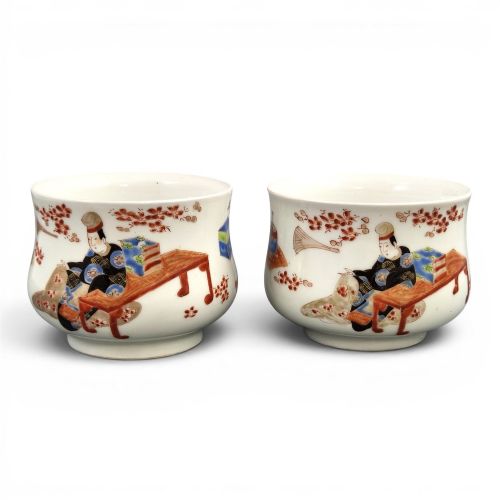
These pieces reflect the evolving ceramic techniques of English, European, and Asian kilns, showcasing hand-painted landscapes, floral patterns, and figures.
How were tea bowls used historically?
Tea bowls were held with both hands to drink hot tea during formal social gatherings. In many historical settings, tea was poured from a central teapot into bowls shared by guests.
As etiquette shifted toward individual saucers and cups with handles during the nineteenth century, tea bowls gradually gave way to modern teacups.
How do I care for antique porcelain?
Antique porcelain requires gentle hand washing in warm water with mild detergent. Avoid dishwashers, abrasive sponges, and soaking, which can damage overglaze enamels and delicate gold leaf.
Store pieces securely in stable display cabinets away from direct sunlight to preserve the original glaze and pigments.
How can I tell periods apart?
Periods are identified through a combination of paste composition, factory marks, and decorative styles. Eighteenth-century pieces often feature soft-paste bodies and hand-painted blue and white underglaze designs.
Nineteenth-century items frequently utilise bone china or hard-paste porcelain, displaying transfer printing alongside more vibrant enamel palettes and gilt borders.