


Gilded Porcelain Tea Cup
A gilded porcelain tea cup represents a refined intersection of decorative ambition and domestic ritual, prized for its lustrous metallic highlights.
Gilded Porcelain Tea Cup
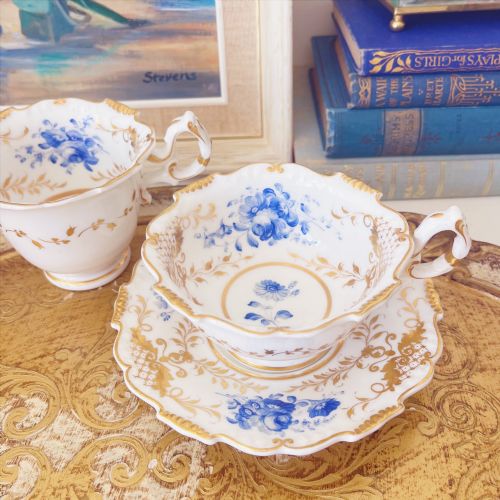
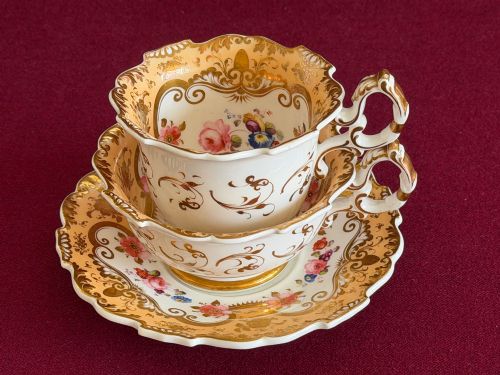
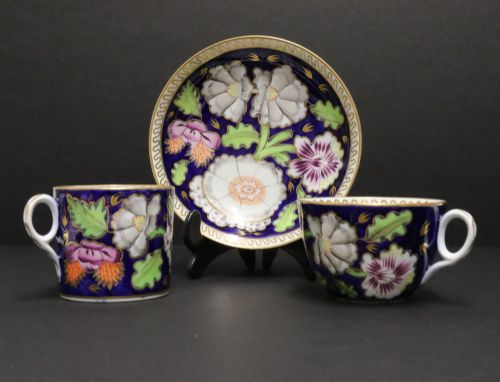
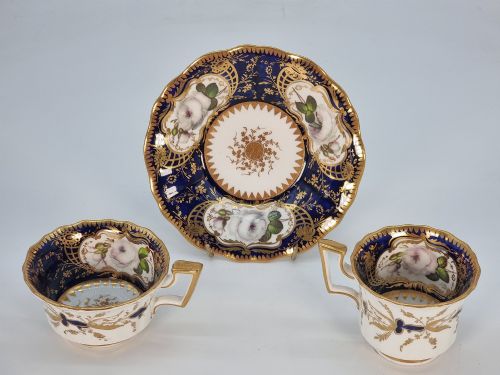
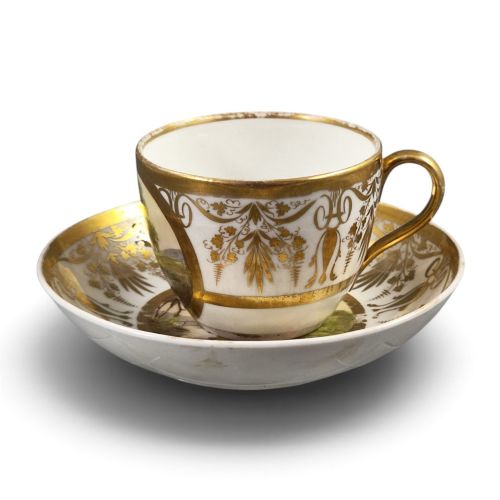
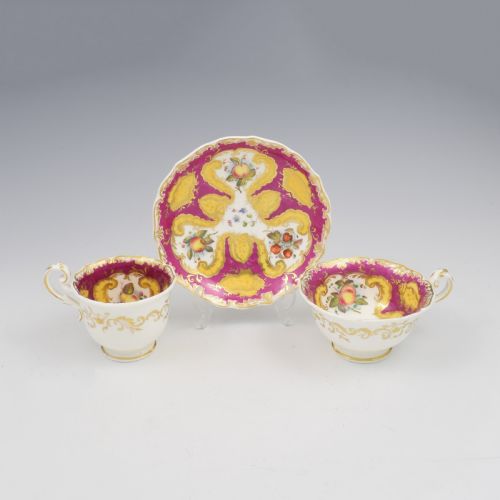
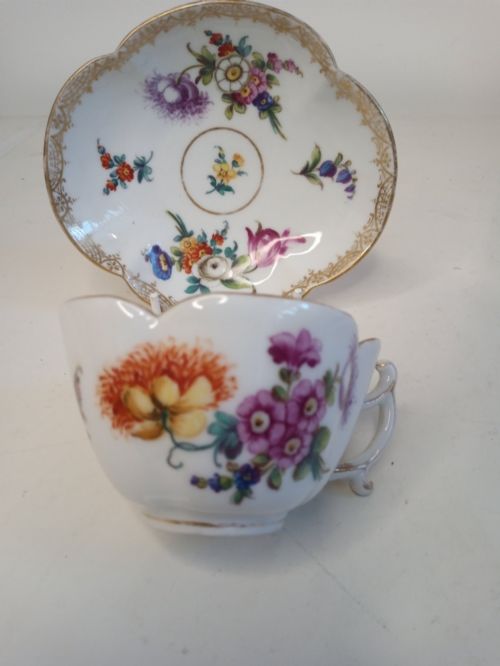
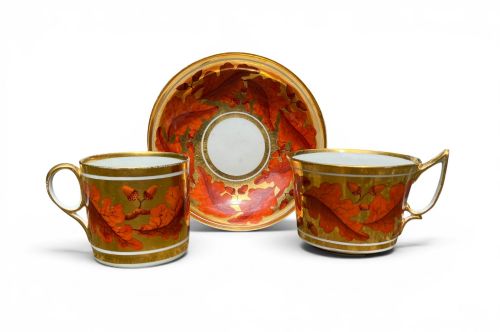
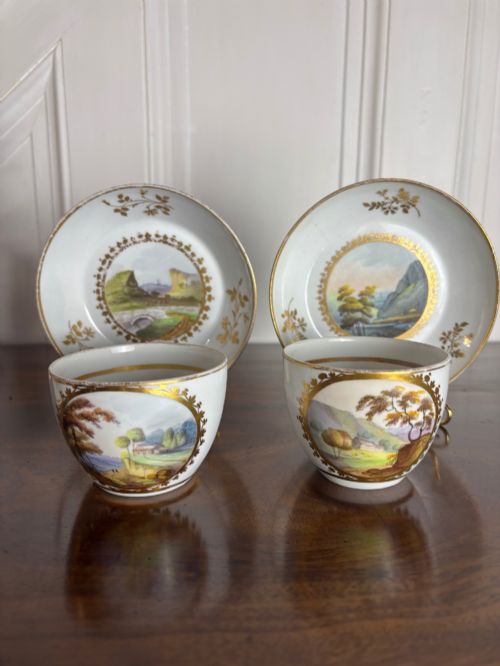
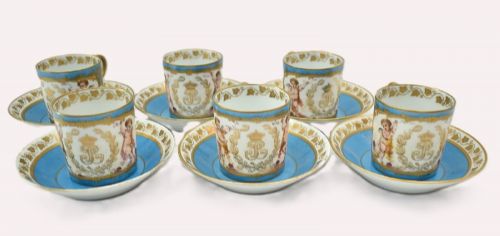
A gilded porcelain tea cup combines fragile ceramic bodies with brilliant gold leaf or gilt detailing, originating across Georgian, Regency and Victorian periods. Buyers encounter pieces ranging from early English cabinet trios to continental porcelain decorated with painted landscapes and floral motifs.
The selections span English factories like Worcester, Coalport and Derby alongside European producers such as KPM Berlin and Sevres. Forms vary from simple tea bowls and saucers to extensive multi-piece tea services involving matching coffee cups and plates.
Materials and application techniques
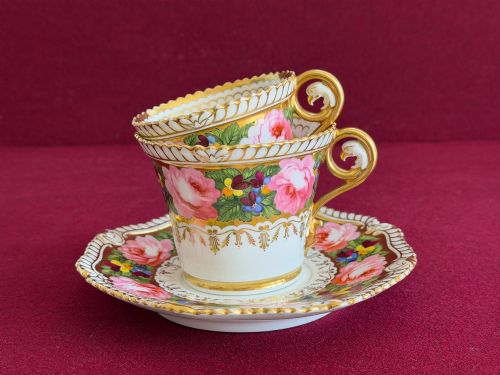
The primary material foundation relies upon hard-paste or bone china porcelain, shaped into cups, saucers and matching bowls. Artisans applied enamel paints alongside rich gold gilding to accentuate rims, handles and painted panels.
Metallic embellishments were painstakingly hand-applied using gold leaf or liquid gold, frequently fired onto the ceramic glaze to achieve a durable yet brilliant finish.
Listings feature porcelain pieces spanning the eighteenth, nineteenth and early twentieth centuries, incorporating materials like bone china and gold leaf.
Assessing craftsmanship and execution
Quality separates ordinary wares from exceptional pieces through the precision of the hand-painting and the thickness of the gold application. Superior examples display intricate, detailed pictorial scenes, such as hand-painted landscapes or exotic birds, executed by named decorators or established factories.
The integrity of the porcelain body and the crispness of the moulded shape further distinguish high-grade items from standard production pieces. Wear to the gilt highlights also influences the visual weight and overall preservation of the object.
H & R Daniel·Chamberlain Worcester·Newhall·Coalport·KPM Berlin·Derby·Minton·Sevres·Royal Worcester·Flight Barr & Barr·Davenport·Spode
The Gilded Porcelain Tea Cup Glossary
- Gilding
- The application of gold leaf or powdered gold onto the surface of porcelain. This technique provides the characteristic metallic sheen seen on rims and handles.
- Trio
- A matched set consisting of a tea cup, a coffee cup and a saucer. These groupings were particularly popular during the Georgian and Regency periods.
- Hard-paste porcelain
- A dense, durable ceramic composed of kaolin and petuntse fired at high temperatures. It forms the robust structural base for many continental and export pieces.
- Tea bowl
- A handleless vessel used for drinking tea before the widespread adoption of handled cups. These forms are frequently found in eighteenth-century sets.
- Enamel
- Opaque glass-like pigments fused to the porcelain surface during firing. It delivers vibrant, lasting colour to hand-painted floral and landscape motifs.
Gilded Porcelain Tea Cup: Frequently Asked Questions
How were gilded porcelain tea cups used?
These vessels functioned primarily during formal afternoon tea rituals and social gatherings among the upper classes.
They served both a practical purpose for consuming hot beverages and a social function as a display of household refinement.
How do I care for antique gilded cups?
Hand washing in lukewarm water with mild soap is essential to preserve the delicate enamel and gold leaf.
Harsh detergents and dishwashers will quickly wear away the historic gilt highlights and hand-painted details.
How can I tell the period of a cup?
Stylistic indicators such as the shape of the handle, the thickness of the porcelain body, and painted motifs offer strong clues to the date.
Factory marks, when present on the underside, provide a definitive guide to the manufacturing era and workshop origin.
What is the difference between a cup and a tea bowl?
Tea bowls lack handles and mirror the traditional Chinese porcelain forms imported during the eighteenth century.
Cups developed handles as European drinking preferences shifted during the late Georgian and Regency periods.