
Georgian Worcester Porcelain
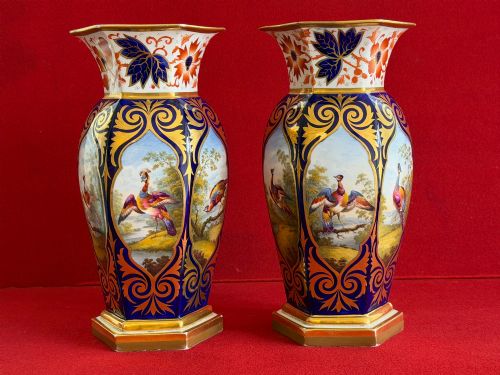
Georgian Worcester porcelain brings together delicate eighteenth-century teapots and Regency vases painted with birds, flowers and chinoiserie scenes that collectors prize.
Georgian Worcester Porcelain
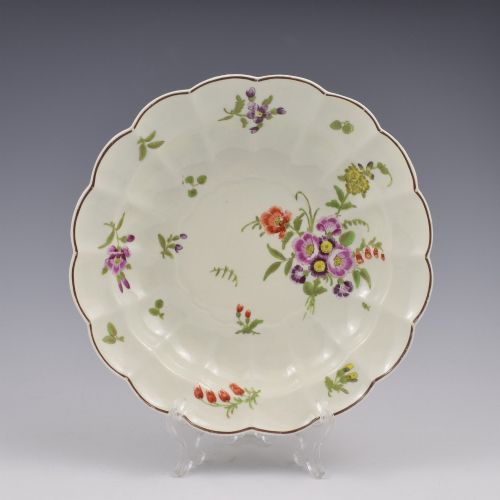
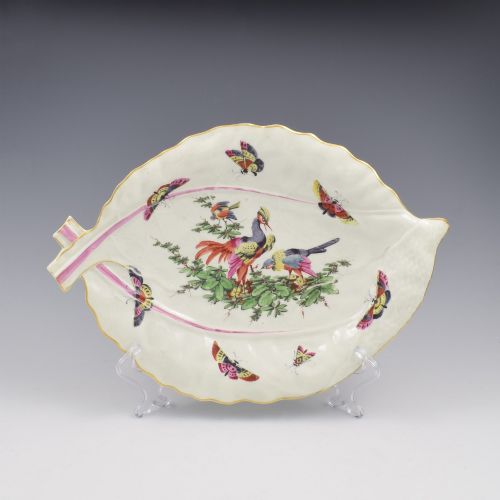
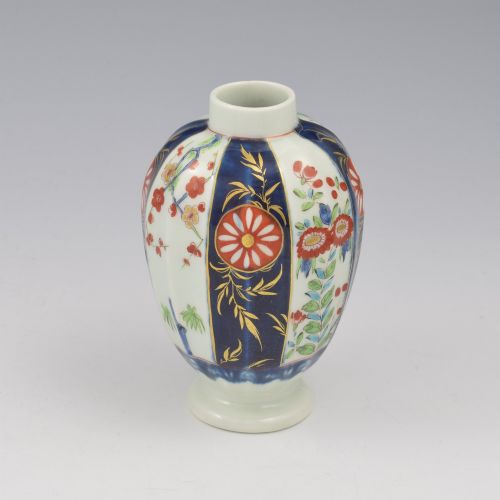
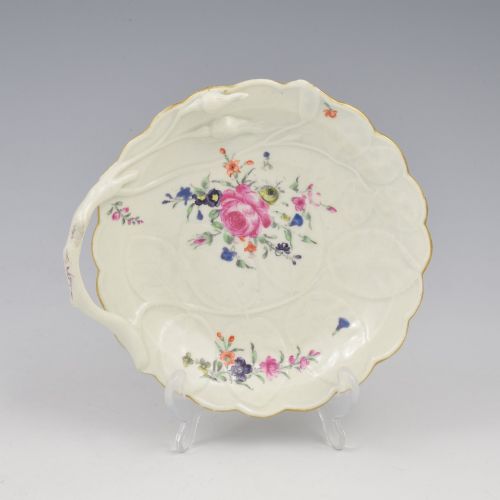
Georgian Worcester porcelain encompasses a wide variety of tableware and decorative objects produced by the historic factories in Worcester during the eighteenth and nineteenth centuries. When exploring georgian worcester porcelain, buyers encounter functional and display pieces ranging from early sauce boats and tea canisters to grand ice pails and dessert services.
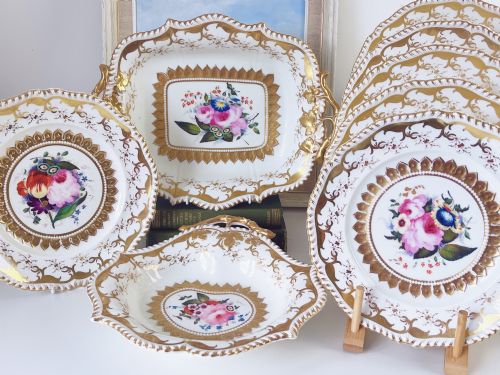
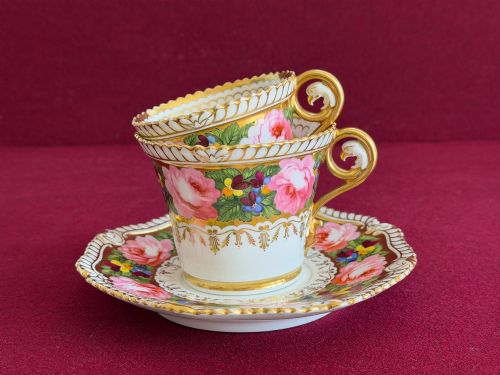
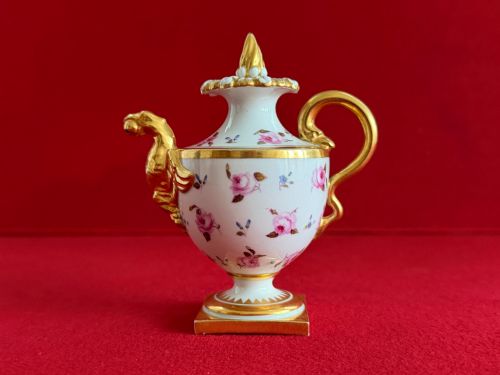
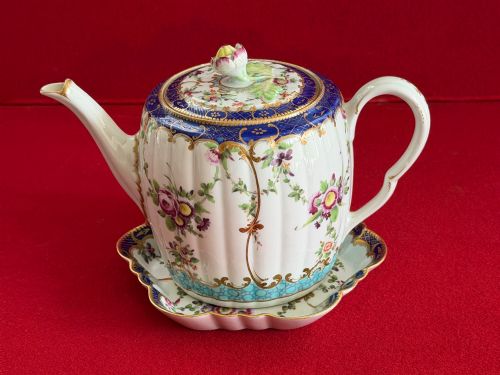
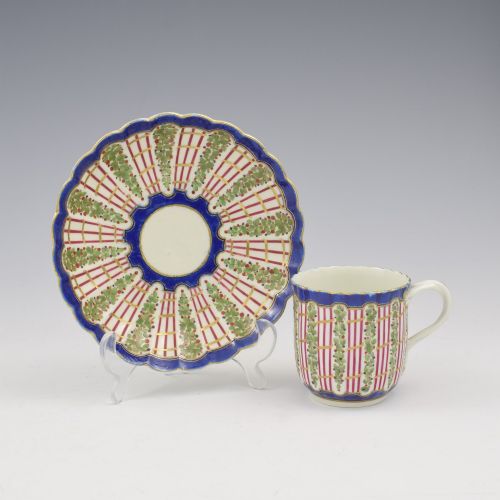
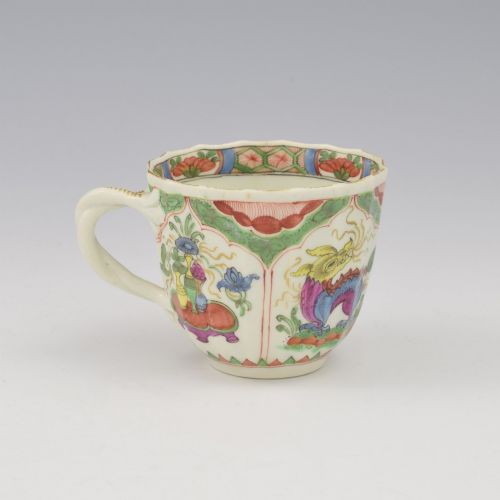
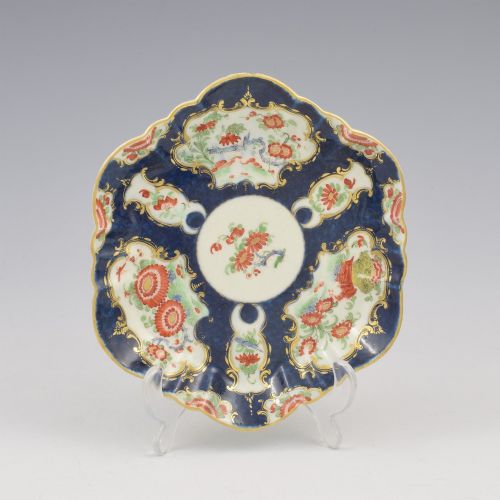
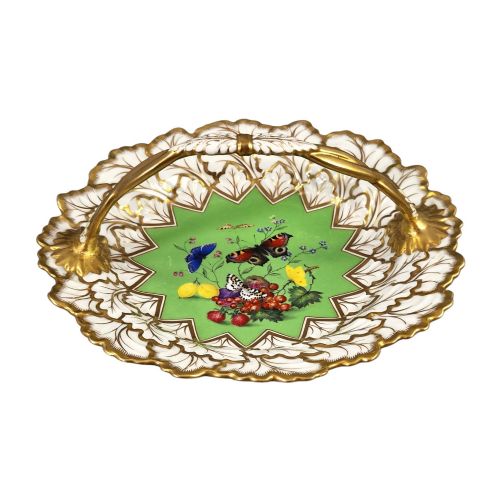
The selection on this page spans distinct periods including the First Period under Dr Wall, through the Flight and Barr eras, up to later Regency and nineteenth-century works. Forms include decorative baskets, jardinieres, coffee cups, teapots and shaped dishes reflecting Georgian, Regency and chinoiserie styles.
How they were made
Potters utilised soft-paste porcelain and standard porcelain bodies, shaping them into tableware, vases and baskets that were subsequently fired and finished with glaze. Decoration relied heavily on handpainted enamels, gilding, and gold leaf applied across various patterns such as blue scale, floral sprays and Chinese figures.
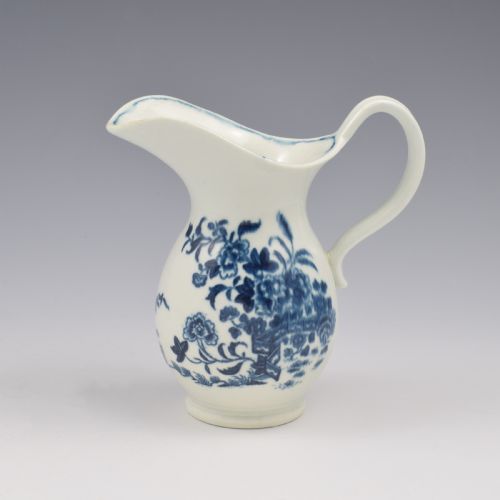
Specialised techniques varied from the delicate underglaze blue printing and painting of the Dr Wall period to the richer polychrome enamels and gilt accents seen on later Regency pieces by factories like Flight, Barr & Barr and Chamberlains.
Early Worcester painters occasionally hid tiny crescent marks inside the painted shrubbery of Chinese landscape scenes just to test sharp-eyed buyers.
What varies in quality
Quality in these ceramics rests on the crispness of the moulding, the precision of the handpainted or printed decoration, and the richness of the gilding. Early First Period pieces with complex transfer printing or detailed polychrome birds command attention for their artistic execution.
The refinement of the porcelain body itself and the preservation of the original glaze and enamel colours also determine the standing of an individual piece, distinguishing standard utility items from exceptional cabinet specimens.
Dr Wall·Flight Barr And Barr·Chamberlains Worcester·Grainger Lee And Co·Barr Flight And Barr
The Georgian Worcester Porcelain Glossary
- Soft-paste porcelain
- An artificial porcelain composition fired at lower temperatures than hard-paste, common in early English factories. It produces a warm, slightly translucent body well suited to soft glaze absorption.
- Chinoiserie
- A European artistic style reflecting Chinese motifs and imaginary oriental scenes. It frequently appears on eighteenth-century tea wares and dishes.
- Sucrier
- A small covered sugar bowl designed for tea service tables. These vessels often match teapots and cream jugs within standard domestic sets.
- Slop bowl
- A larger bowl used during tea service to discard dregs of cold tea before pouring fresh cups. They are commonly found decorated with mandarin figures or floral sprays.
- Coffee can
- A straight-sided cylindrical porcelain cup without a handle, produced for drinking coffee during the Georgian and Regency periods.
Georgian Worcester Porcelain: Frequently Asked Questions
How do I identify First Period Worcester?
First Period pieces, produced under the direction of Dr Wall from 1751 onwards, are generally characterised by soft-paste porcelain bodies, distinct blue and white or polychrome chinoiserie designs, and early crescent or square seal marks.
These items often display characteristic potting flaws and a warm, creamy glaze that helps separate them from later nineteenth-century factory output.
What is a junket dish?
A junket dish is a specialised shallow vessel historically used for serving junket, a curdled milk dessert popular in the eighteenth and nineteenth centuries. They frequently feature lobed or moulded rims with floral decoration.
Collectors value these dishes for their specific dining room utility and the elaborate decorative moulding typical of Georgian ceramics.
How were tea canisters used?
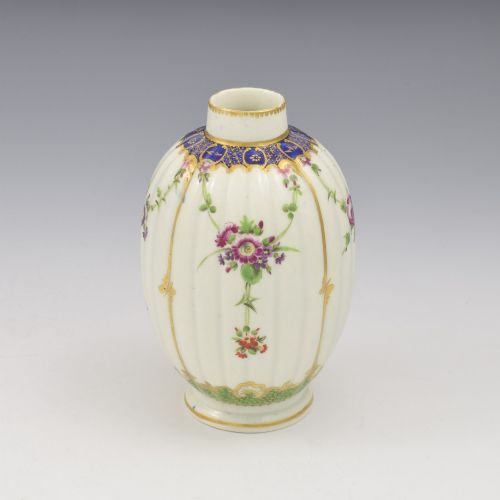
Tea canisters served to store dry tea leaves safely before they were measured out into the teapot for brewing. Because tea was an expensive commodity in the Georgian period, these containers often featured secure lids and fine decoration.
They sit prominently among tea service wares and are prized by collectors for their miniature scale and detailed painted panels.
What distinguishes Flight and Barr pieces?
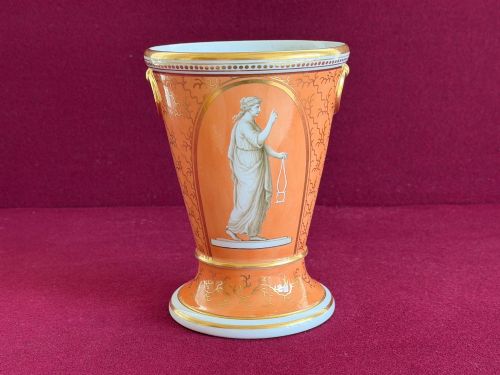
Flight and Barr periods represent the later phases of the Worcester factory under new management, shifting towards neoclassical forms, rich gilding, and Regency styles. The porcelain bodies became whiter and more refined.
Items from these makers often include marked signatures or script factory inscriptions on the base, reflecting a more formal industrial output.