
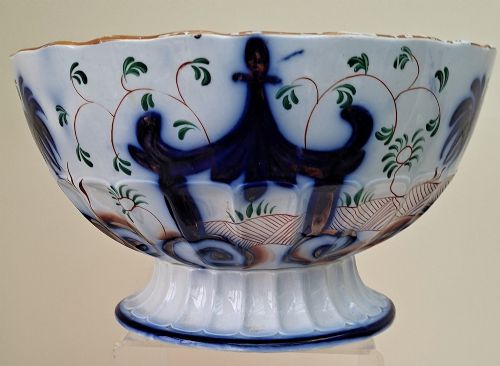

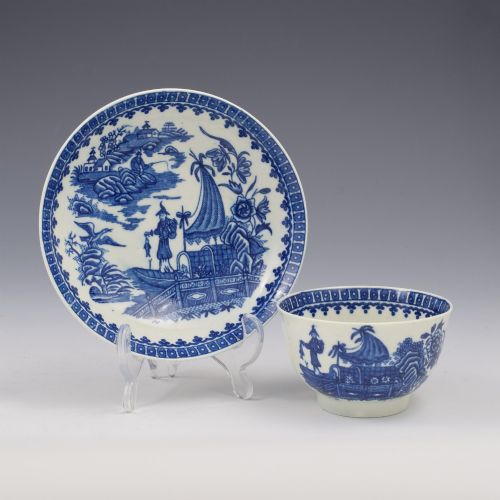
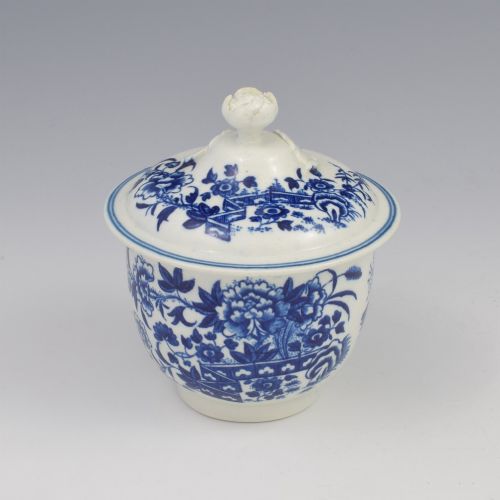


Chinoiserie Porcelain Bowl
These chinoiserie porcelain bowl examples bring hand-painted eastern motifs and Georgian elegance straight to your table.
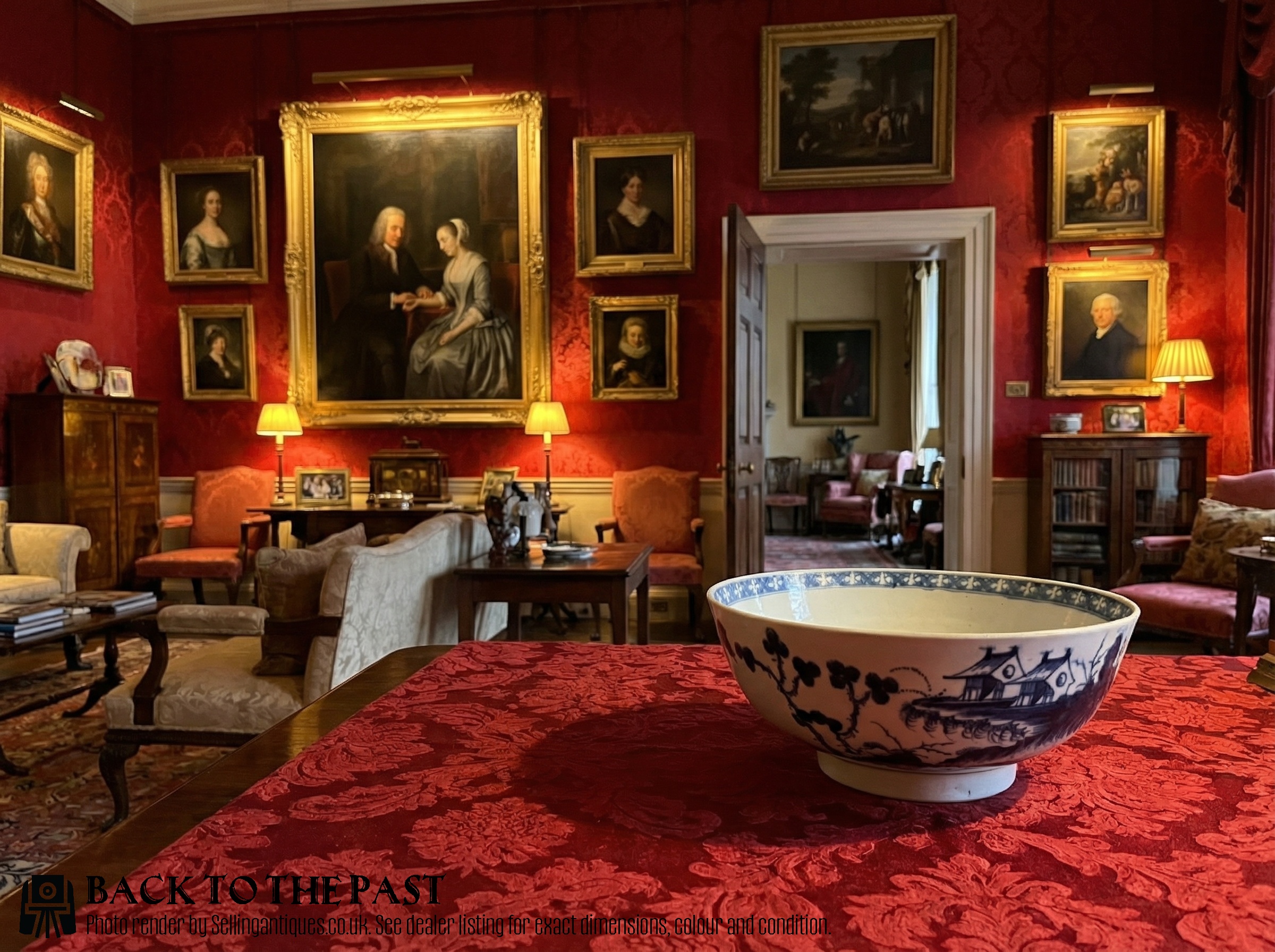
What these bowls are
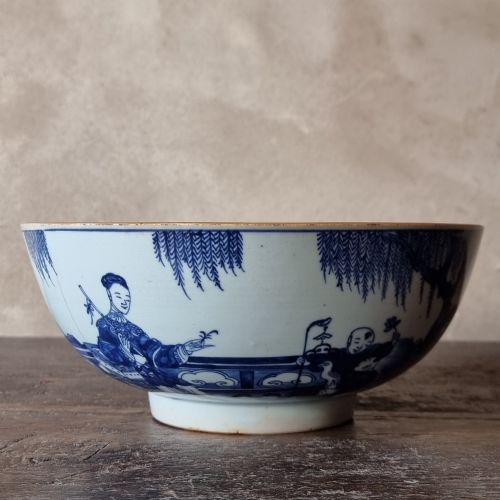
A chinoiserie porcelain bowl combines European ceramic forms with imaginative interpretations of East Asian motifs. These pieces range from small tea bowls designed for eighteenth-century hospitality to substantial punch bowls intended for festive gatherings.
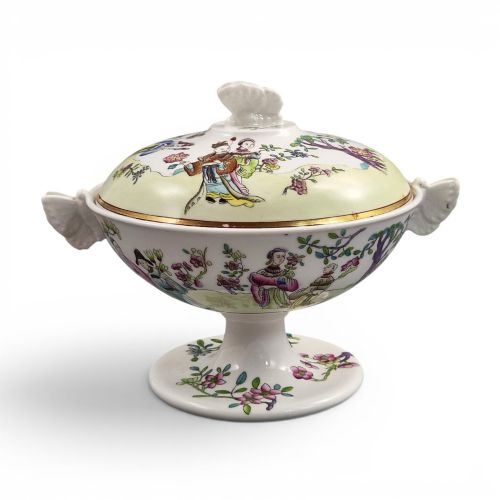
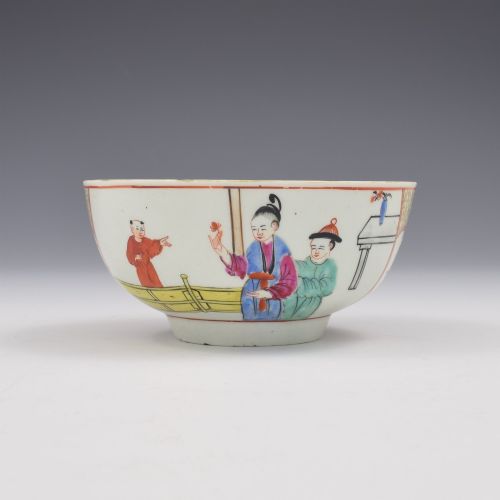
The specimens on this page emerge primarily from the eighteenth century and the Regency era, reflecting classic Georgian and Regency chinoiserie styles. Collectors encounter forms such as slop bowls, tea bowls, and large punch bowls decorated with figures and dragons.
Makers from Worcester and Liverpool dominate the available selection, capturing the British fascination with orientalist art during the Georgian period. Each chinoiserie porcelain bowl displays the distinctive aesthetic of soft-paste porcelain decorated by hand.
How they were made
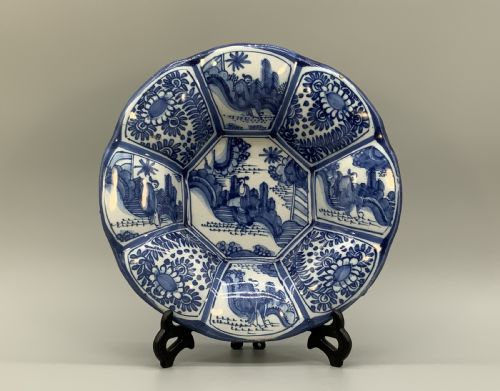
Potters shaped soft-paste porcelain and standard porcelain bodies by hand before applying cobalt oxide for underglaze blue designs. Artisans then fired the pieces at high temperatures to fuse the mineral pigments into the glaze.
Overglaze enamel and gold leaf were often added in subsequent low-temperature firings to introduce vibrant colours and metallic highlights. This multi-stage process required precise kiln control to prevent warping or blistering of the ceramic body.
Retail Price Guide 2026
Typical UK retail prices for chinoiserie porcelain bowl, calculated from the Sellingantiques database of over a million retail prices indexed since 2003. This retail price guide relies exclusively on Sellingantiques data; no external sources or auction records are used, so the figures do not describe the wider market.
Georgian tea drinkers frequently used slop bowls to empty dregs, ensuring every cup of imported green tea started fresh.
What varies in quality
The fineness of the brushwork distinguishes superior examples from standard production pieces, particularly in the rendering of Chinese figures and dragon compartments. Crisp underglaze cobalt lines and neatly applied gold leaf indicate a higher grade of manufacture.
Potting thickness and the clarity of the glaze also define the tier of the piece, with lighter, more translucent bodies commanding greater regard. The sophistication of the pattern layout across the curved surface reveals the skill of the original decorator.
Dr Wall Worcester·Pennington Liverpool
The Chinoiserie Porcelain Bowl Glossary
- Soft-paste porcelain
- An early ceramic composition made from white-firing clay mixed with glass frit and other minerals, fired at lower temperatures than hard-paste porcelain. This material has a warmer tone and a softer feel.
- Cobalt underglaze
- A blue pigment applied to the unfired ceramic body before glazing and firing, creating durable decoration that sinks into the surface. It forms the foundation of traditional blue and white tableware.
- Slop bowl
- A vessel used during tea service to receive tea leaves and dregs from cups before pouring fresh brews. These bowls were standard components of Georgian tea sets.
- Enamel
- Opaque coloured glass fused to the surface of fired porcelain during a secondary low-temperature kiln session. Enamels provide the bright palette seen on polychrome chinoiserie wares.
- Punch bowl
- A large vessel used for mixing and serving alcoholic or fruit punches at communal gatherings. Their generous proportions allowed for elaborate hand-painted interior and exterior scenes.
Frequently Asked Questions
What is a chinoiserie bowl?
A chinoiserie bowl is a ceramic vessel decorated with European interpretations of Chinese and East Asian artistic traditions. These pieces feature motifs such as figures, pavilions, and dragons painted in blue and white or polychrome enamels.
Produced heavily during the eighteenth and early nineteenth centuries, they served practical functions in tea and punch service while satisfying a broad European appetite for exotic design.
How were eighteenth century tea bowls used?
Tea bowls were held directly in the hands to sip brewed tea during formal and informal gatherings in the Georgian period. Unlike modern teacups, they were made without handles.
Guests typically poured hot tea into the bowl, sometimes allowing it to cool in a saucer before drinking, reflecting the precise etiquette of the era.
How do I identify a Worcester bowl?
Worcester pieces from the eighteenth century often feature fine soft-paste porcelain bodies with distinct glaze characteristics and blue and white or enamelled decoration. Look for hand-painted details depicting Chinese figures, landscapes, or dragon motifs.
Certain pieces carry period marks such as crescents or simulated oriental characters on the base, though many historical examples remain unmarked.
Can I use these bowls daily?
These antique bowls are delicate historic artefacts constructed from eighteenth-century soft-paste porcelain and early ceramic formulations. Using them for regular dining or beverage service risks thermal shock and surface abrasion.
Collectors generally choose to display and handle these vessels with care to preserve their original glazes, hand-painted enamels, and delicate gold leaf.