
Georgian Porcelain Bowl
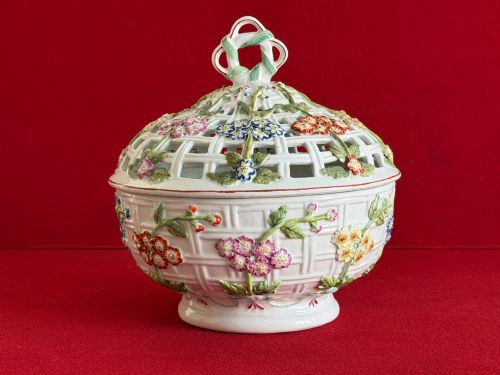
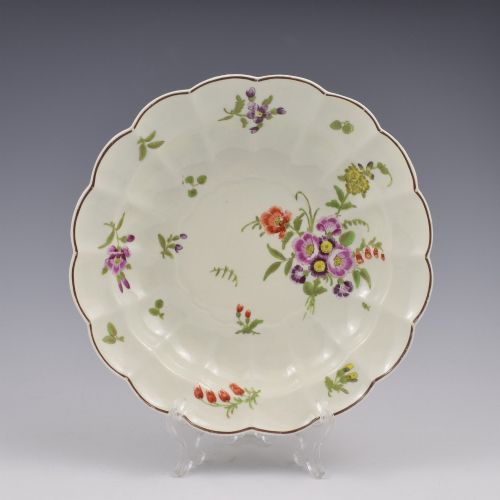
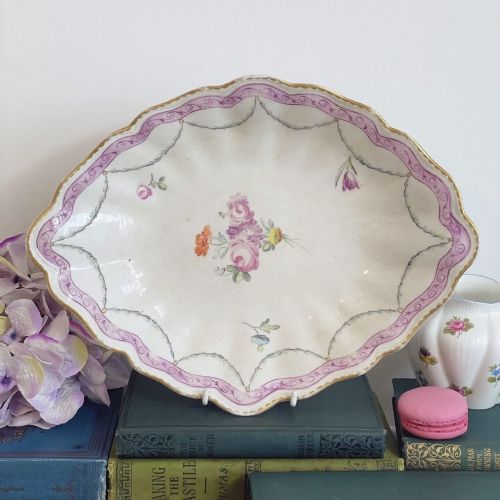
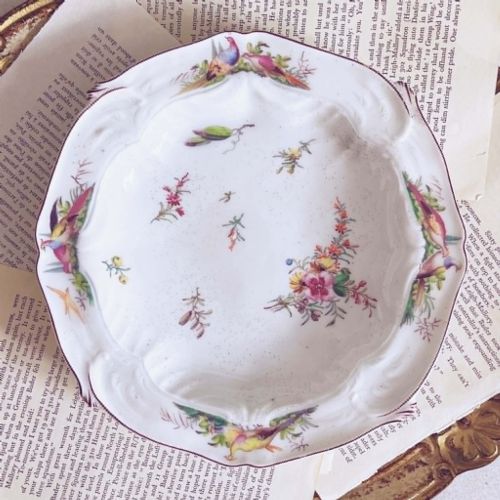
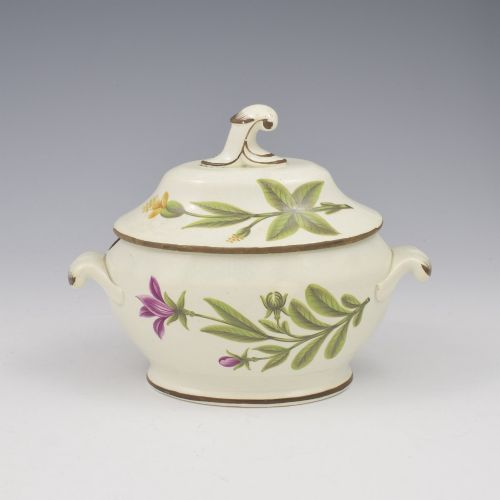
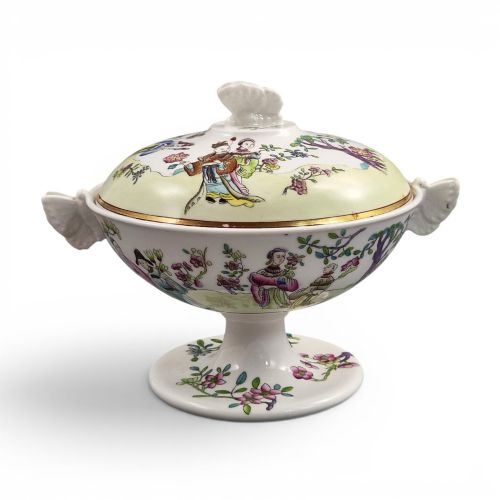
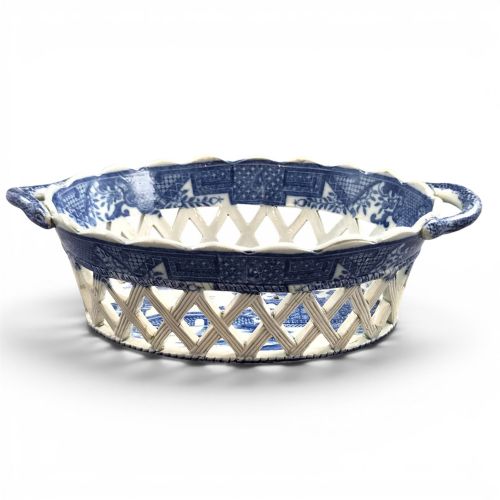
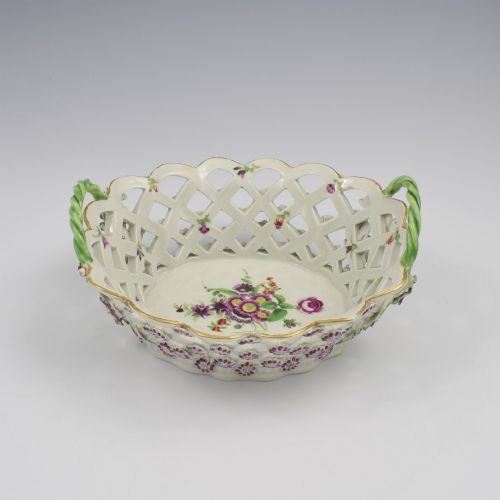
A georgian porcelain bowl brings vibrant enamel palettes and delicate soft-paste bodies straight to the table, offering a tangible link to late eighteenth and early nineteenth-century dining.
What a georgian porcelain bowl is
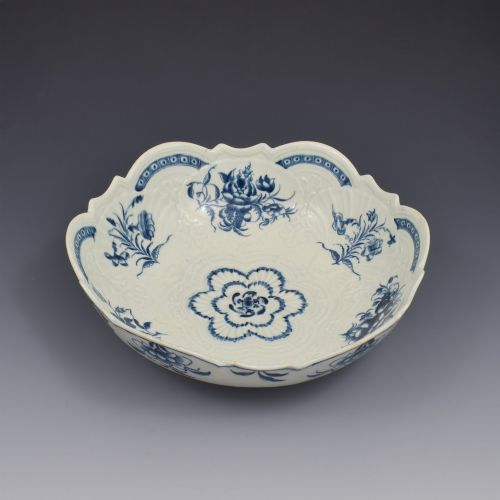
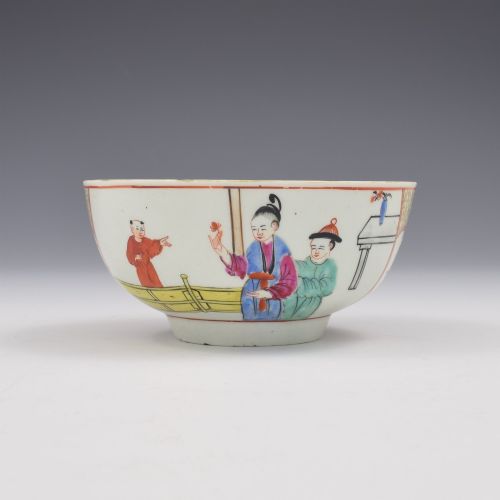
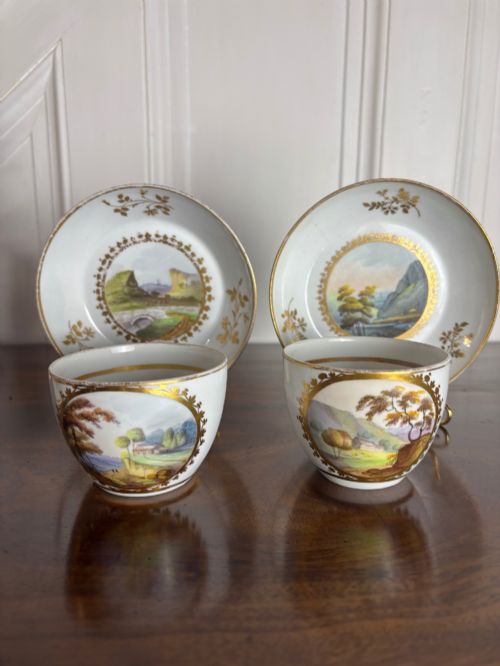
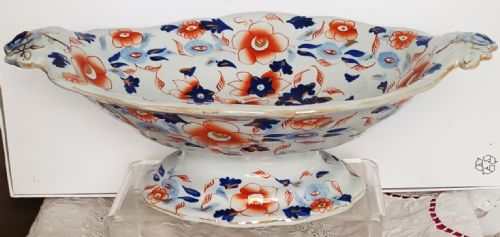
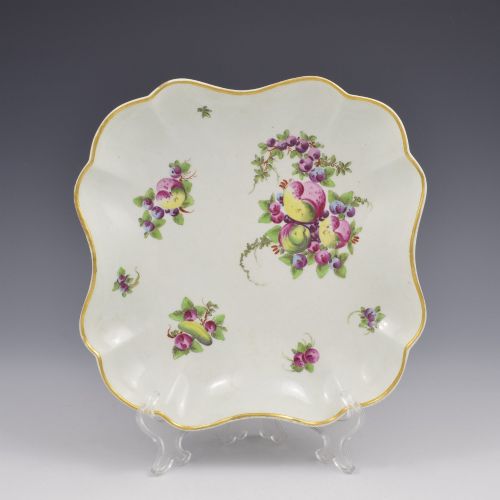
When searching for a georgian porcelain bowl, collectors encounter various forms ranging from tea bowls and saucer trios to larger cabinet pieces, slop bowls, and junket dishes. These items originate across the eighteenth and nineteenth centuries, spanning periods labelled as eighteenth century, Regency, and Georgian.
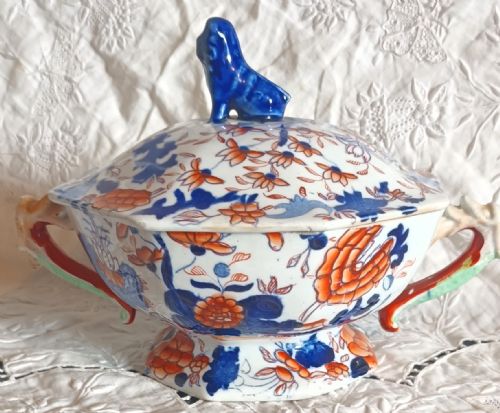
The pieces most frequently met on this page include domestic tea wares and decorative vessels. Makers utilised distinct regional aesthetics, shifting from blue and white floral underglaze painting towards intricate landscape panels and dragon motifs.
Forms adapt to specific functions, dividing between smaller vessels designed for tea service and wider bowls intended for presentation or dessert. Each piece demonstrates the domestic habits and display practices of the era.
How they were made
Potters constructed these vessels using traditional body compositions including standard porcelain and soft-paste porcelain. Soft-paste bodies provided a warm, slightly translucent ground that reacted distinctively to high-firing temperatures.
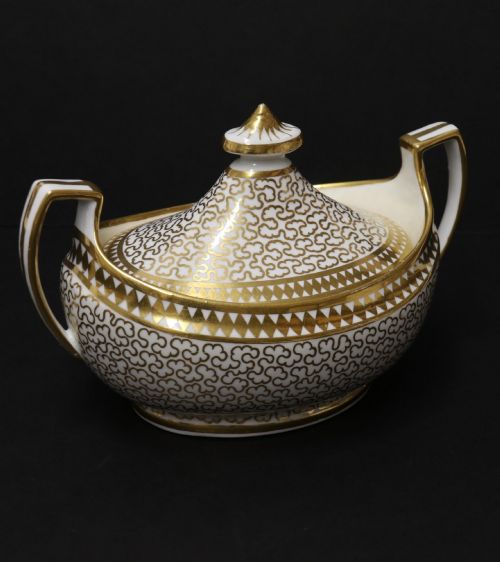
Decoration relied on meticulous hand-painting utilising coloured enamel pigments and gold leaf or gilt highlights. Artisans applied cobalt blue underglazes for botanical scenes and reserved compartments for exotic creatures or titled landscapes.
A dragon hiding in compartments ensures your morning tea comes with a fierce mythological guardian.
What varies in quality
Quality rests upon the precision of the hand-painted brushwork and the clarity of the enamel colours. Pieces featuring named landscape views or intricate compartmentalised patterns demand higher levels of artistic execution than repetitive floral borders.
The condition of the gilding and enamel preservation dictates the visual impact of the vessel. Superior examples retain crisp gold leaf highlights and unrubbed painted surfaces that maintain their original lustre.
Worcester·Derby·New Hall·Coalport
The Georgian Porcelain Bowl Glossary
- Soft-paste porcelain
- An artificial porcelain composition fired at lower temperatures than hard-paste, common in eighteenth-century English factories. It produces a slightly creamy body that absorbs glaze richly.
- Tea bowl
- A handleless drinking vessel used during the Georgian period before tea cups with handles became standard. They form part of larger sets alongside saucers and coffee cans.
- Slop bowl
- A larger vessel included in tea sets to receive dregs and discarded tea leaves. These often share the decorative patterns of the accompanying tea bowls and saucers.
- Gilt
- A thin layer of gold applied to the surface of the porcelain as an accent. It highlights rims, handles, and painted borders.
Frequently Asked Questions
What is a georgian porcelain bowl used for?
These bowls served various functions in Georgian households, ranging from drinking tea to holding slops or presenting desserts at the table. Tea bowls were held directly in the hand without the benefit of handles.
Larger decorative bowls and junket dishes fulfilled a display role on sideboards or tables during formal meals. Their painted landscapes and gilded details were intended to catch the eye of dining guests.
How do I tell an 18th century bowl from a Regency one?
Eighteenth-century pieces frequently display underglaze blue floral painting or early soft-paste bodies with distinct translucency. The forms often align with Rococo or early neoclassical tastes.
Regency pieces shift towards brighter enamel palettes, dragon motifs in compartments, and crisper porcelain bodies. The decorative focus moves to named landscapes and bolder gilding styles.
Are these bowls safe to use today?
Modern use is generally discouraged due to the fragile nature of soft-paste porcelain and historic enamel decorations. Hand-washing is essential if handling, as the surface glazes and gold leaf can wear down over time.
Displaying them in cabinets or on open shelves protects the historic body from accidental chips. They are best appreciated as visual artefacts of ceramic history.
What is the difference between a tea bowl and a coffee can?
A tea bowl is wider and shallower, designed for holding brewed tea without a handle. It matches the traditional form used in early tea services.
A coffee can is taller and straighter-sided, sometimes featuring a loop handle for drinking hotter beverages. Both forms frequently appear together in matching trios from the period.