
Antique Worcester China
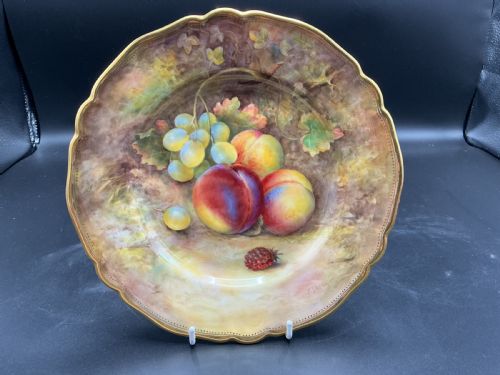
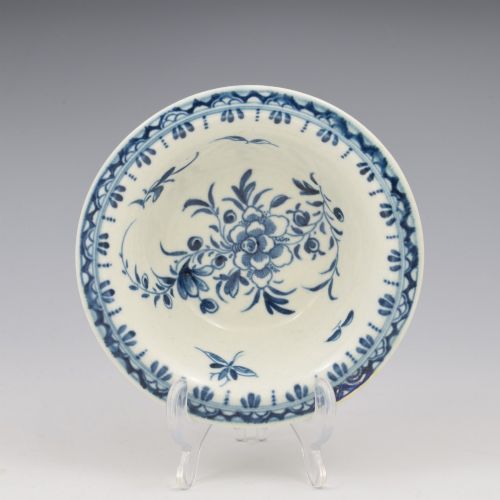
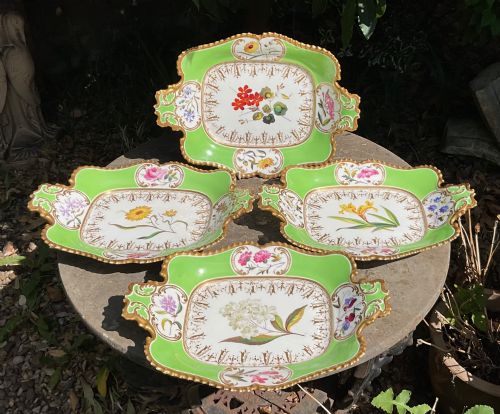
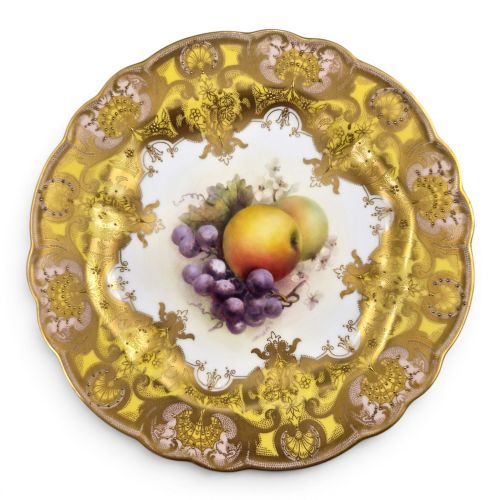
Looking for antique worcester china? These are eighteenth and nineteenth-century ceramic pieces offering hand-painted detail and classical British forms that elevate any tea service.
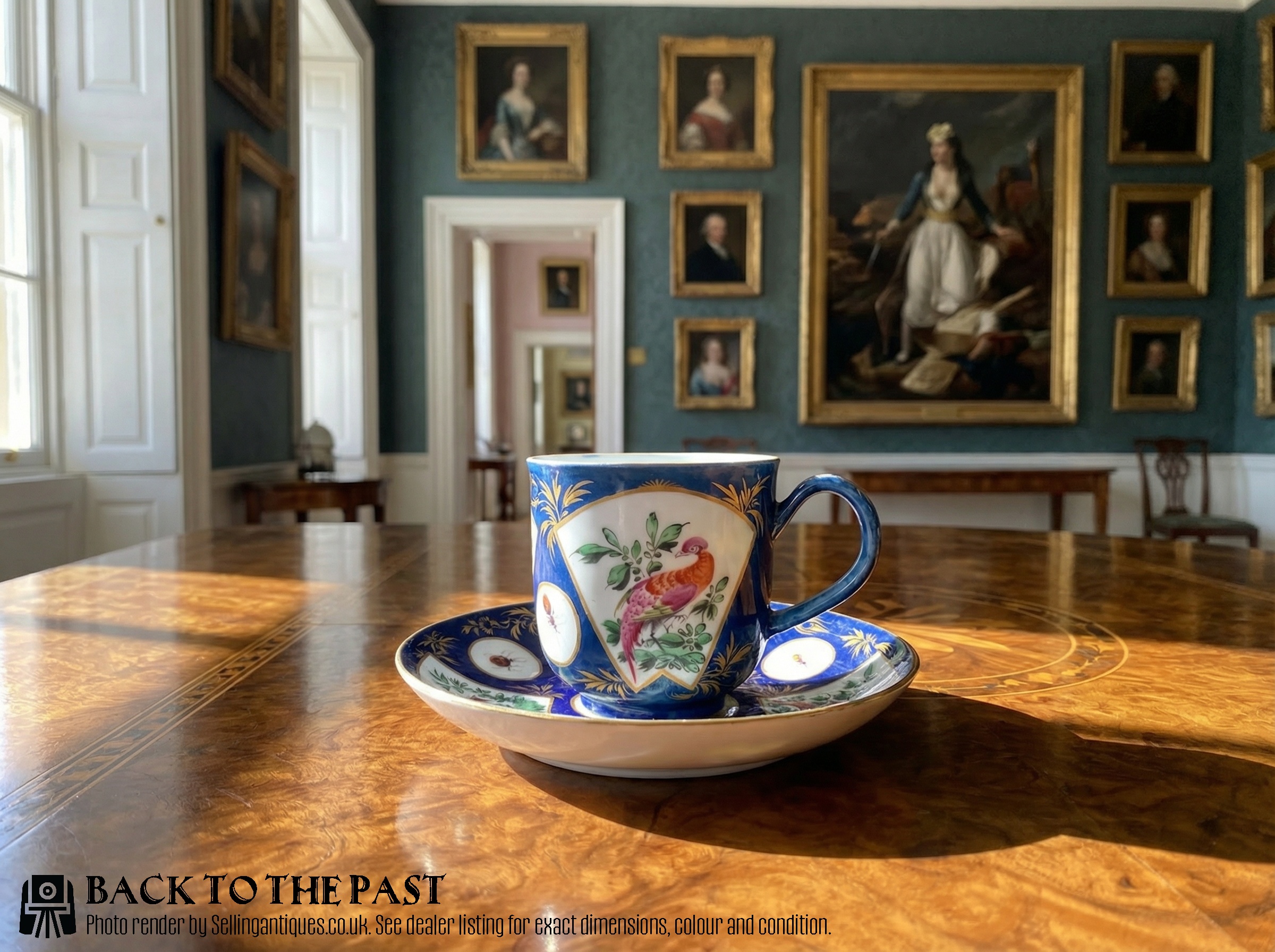
What Antique Worcester China Is
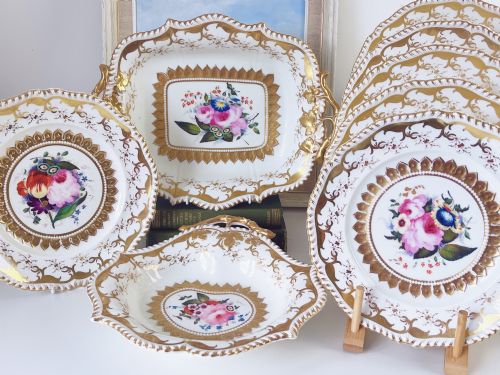
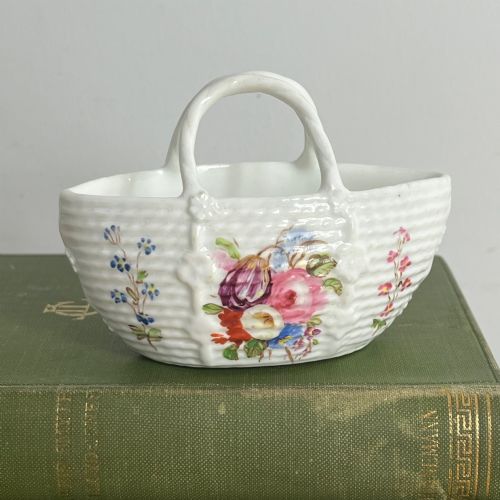
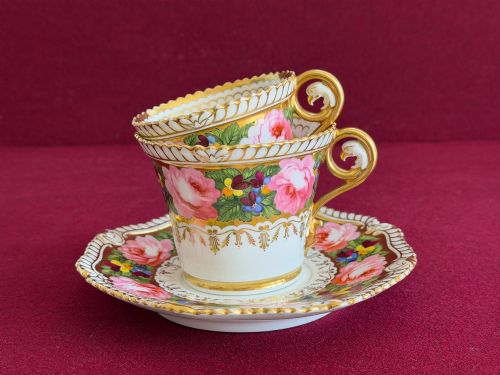
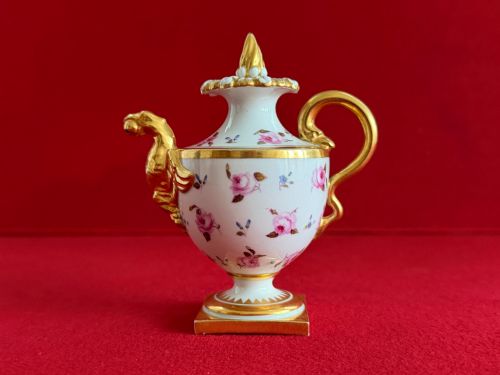
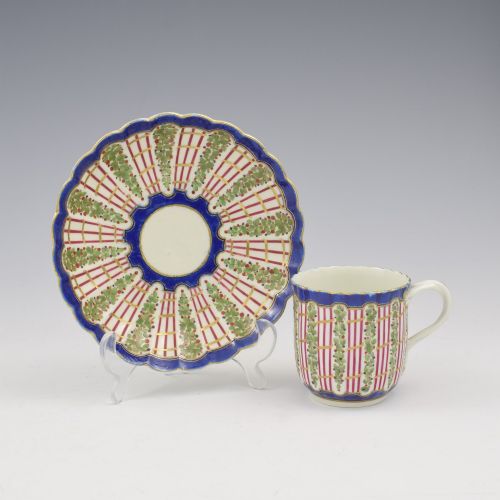
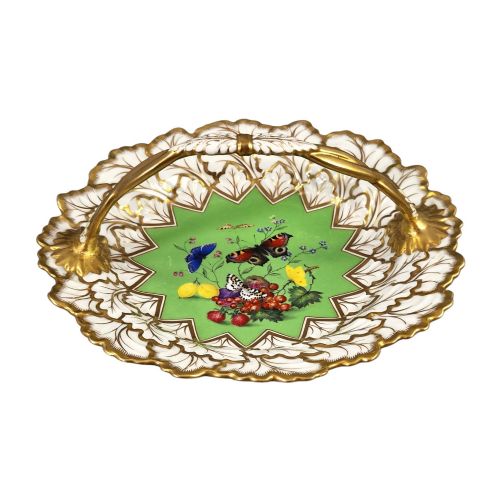
When you search for antique worcester china, you encounter decorative dishes, sauce boats, and teacup and saucer sets spanning the eighteenth and nineteenth centuries. These items reflect changing aesthetic movements from the Georgian period through the Regency era.
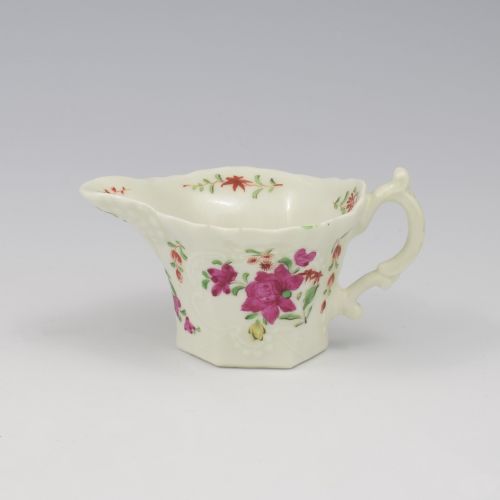
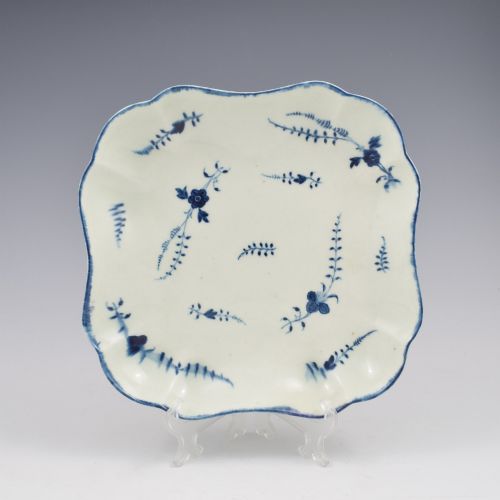
The pieces on this page lean heavily toward eighteenth-century soft-paste porcelain sauce boats and square dessert dishes, alongside Regency tea wares decorated with birds and botanical sprigs. Collectors find both cabinet specimens and functional table ceramics representing distinct operational eras of the factory.
How They Were Made
Makers utilised soft-paste porcelain and standard porcelain bodies shaped into hexagonal sauce boats, oval dessert dishes, and delicate tea cups. These bodies provided a smooth canvas for subsequent hand application of pigment and metallic highlights.
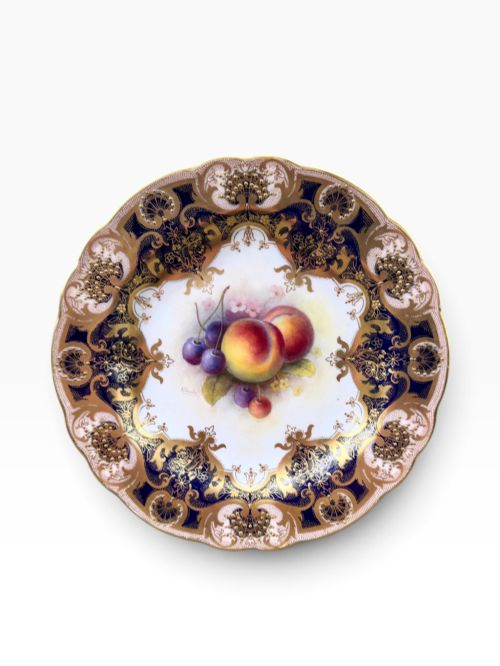
Artisans applied cobalt blue underglazes, polychrome enamel painting, and detailed gold leaf gilding across the surfaces. Firing techniques of the Georgian and Regency periods required careful temperature control to set the enamel colours securely.
Retail Price Guide 2026
Typical UK retail prices for worcester china, calculated from the Sellingantiques database of over a million retail prices indexed since 2003. This retail price guide relies exclusively on Sellingantiques data; no external sources or auction records are used, so the figures do not describe the wider market.
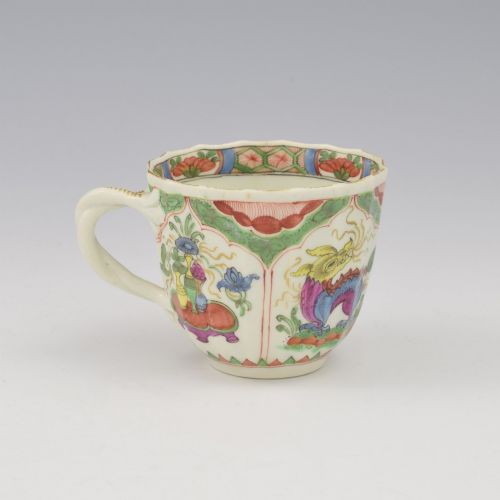
Fancy birds stare out from porcelain cups with the exact blend of aristocratic dignity and mild confusion typical of late Georgian dinner parties.
What Varies in Quality
The distinction between ordinary and superior pieces rests on the precision of the hand-painted brushwork and the preservation of the delicate gold leaf detailing. Hand-painted motifs such as fancy birds and the two quail pattern display varying degrees of artistic confidence and fine brush control.
Body composition also marks the division, where early soft-paste porcelain exhibits characteristic translucency and texture compared to later nineteenth-century bodies. The prestige associated with specific historical factory periods under various partnerships further separates standard production from highly sought-after cabinet pieces.
Dr Wall·Flight Barr And Barr·Barr Flight And Barr·Locke And Co
The Antique Worcester China Glossary
- Soft-paste porcelain
- An artificial ceramic paste fired at lower temperatures than true hard-paste porcelain, common in early English factories. It yields a warm, creamy translucency.
- Enamel
- Vitreous coloured glass fused to the porcelain surface over the glaze during a secondary firing. It allows for vibrant polychrome painting.
- Cobalt
- A deep blue mineral pigment used for underglaze decoration that withstands high kiln temperatures without burning away. It remains stable and bright.
- Gold leaf
- Beaten gold applied to the ceramic surface for decorative highlights and borders. It often shows wear on pieces that saw active dining use.
Frequently Asked Questions
How do I identify Dr Wall period pieces?
Dr Wall period items date to the eighteenth century and often feature soft-paste porcelain bodies with hand-painted underglaze blue or polychrome enamel decoration. Look for early forms such as hexagonal sauce boats and square dessert dishes.
These pieces reflect the initial foundation era of the factory. Their delicate glaze characteristics distinguish them from later nineteenth-century Regency output.
What styles appear in antique worcester china?
The available inventory shows Georgian and Regency styles, alongside Rococo influences seen in moulded sauce boats and dessert dishes. These designs mirror the shifting tastes of British interiors from the mid-eighteenth century onward.
Decoration ranges from botanical sprigs to intricate bird motifs and gilt accents. Each style corresponds to the prevailing artistic commissions of its specific decade.
How should I care for soft-paste porcelain?
Soft-paste porcelain requires gentle handling due to its composition and age. Wash items by hand in lukewarm water using mild soap, avoiding abrasive sponges or modern dishwashers entirely.
Store cups and dishes away from direct sunlight and temperature extremes. Careful placement prevents wear to the delicate enamel paints and gold leaf highlights.
How do tea cups differ from dessert dishes?
Tea cups and saucers were produced as matched or paired drinking vessels intended for hot beverages during the Georgian and Regency periods. Dessert dishes served a functional role for presenting sweet courses at the end of a formal meal.
Dishes typically feature broader surfaces, such as square or oval configurations, to display painted scenes or botanical studies. Cups retain compact, footed forms designed to be held comfortably.