
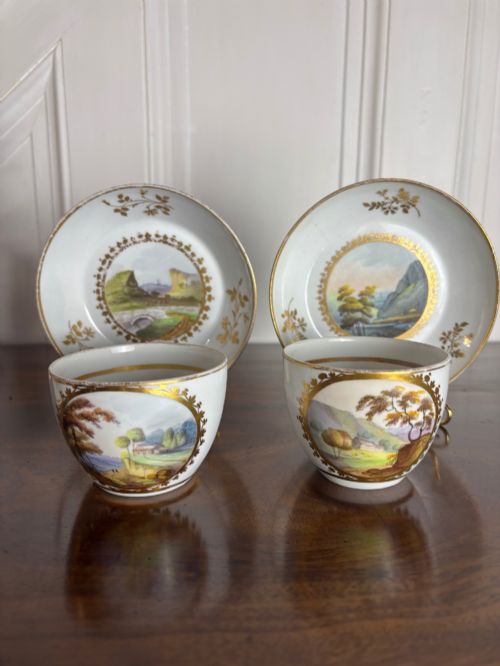


Regency Porcelain Teacup
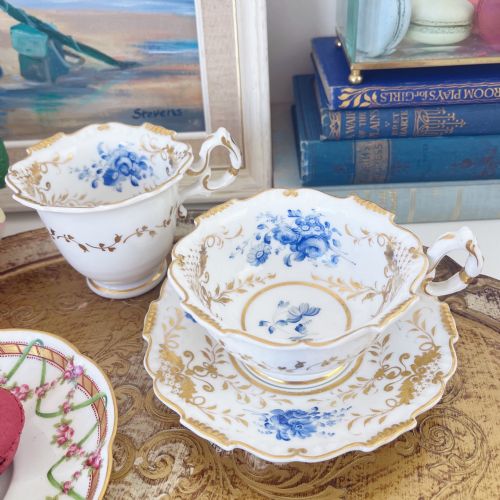
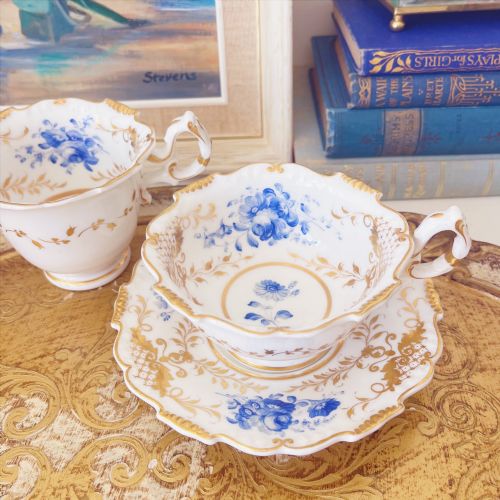
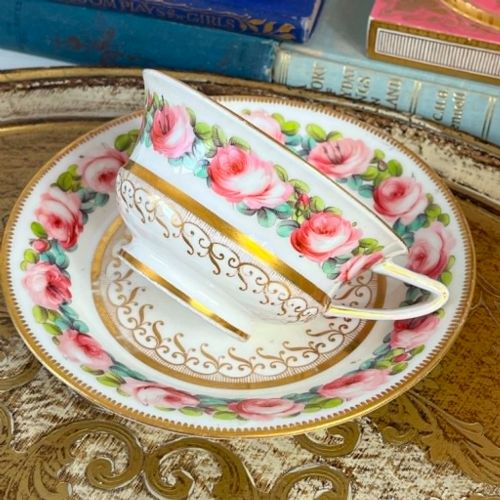
These regency porcelain teacup pieces are refined examples of early nineteenth-century ceramic art that bring genuine Georgian elegance to any room.
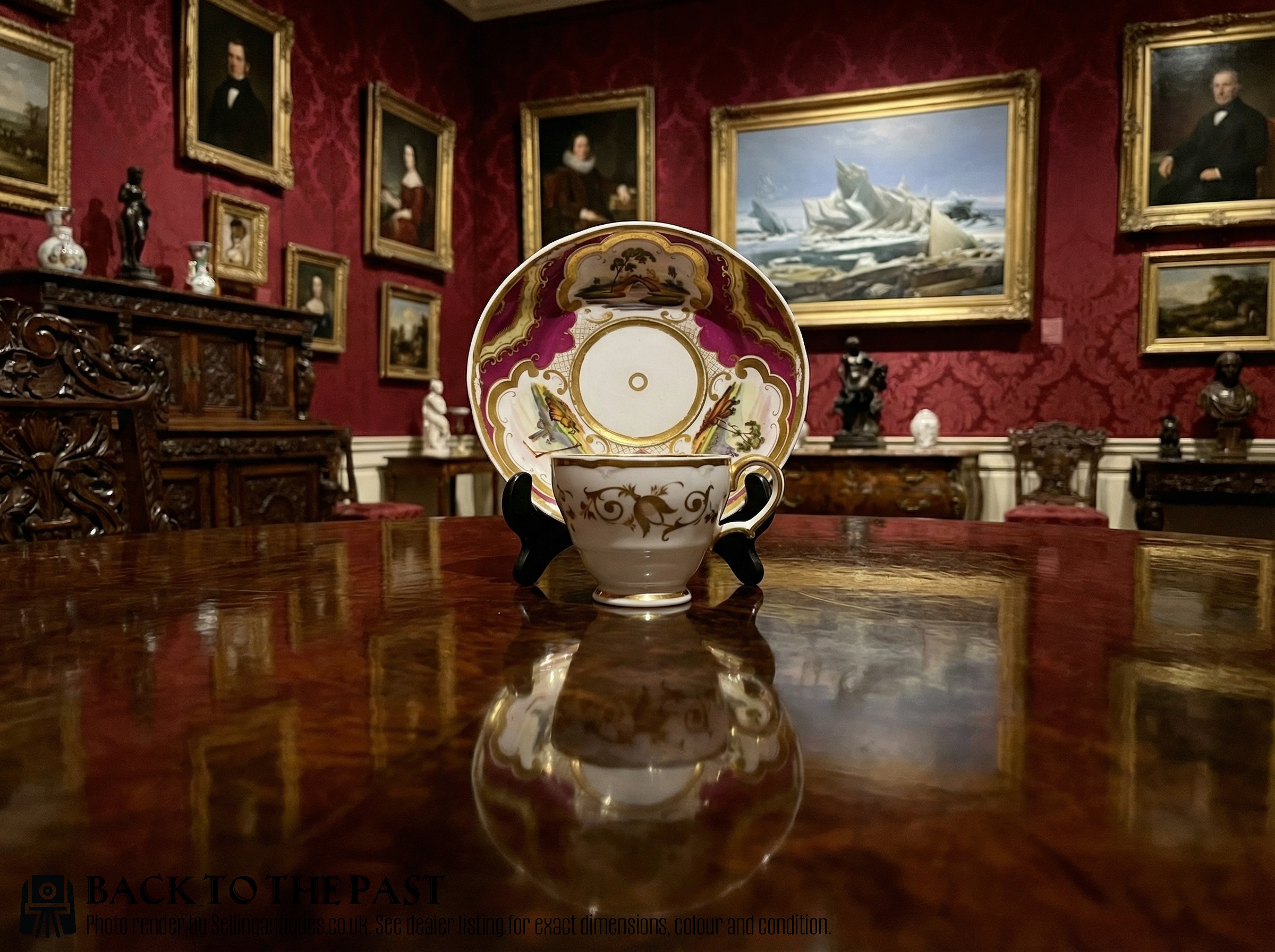
What these regency porcelain teacup pieces are
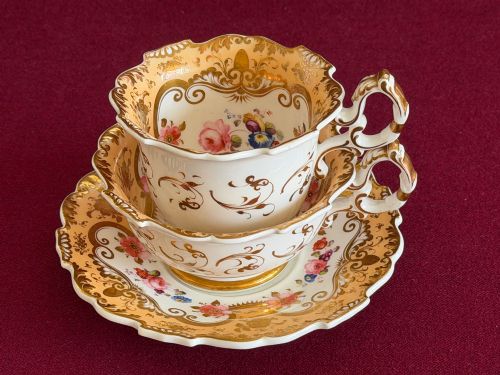
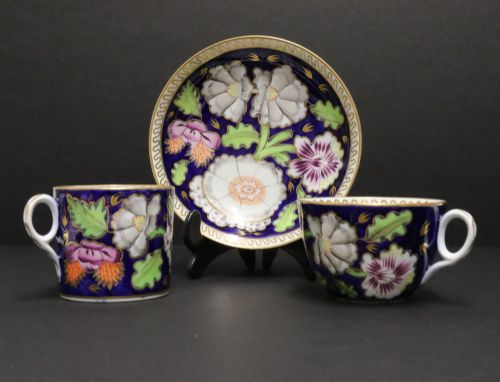
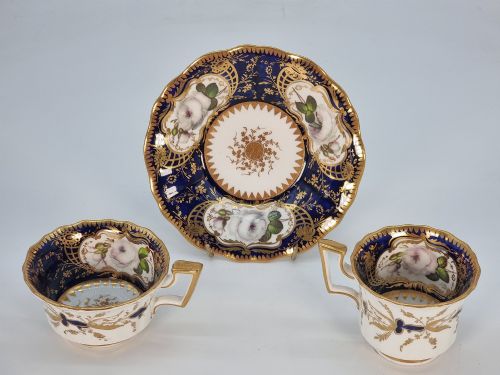
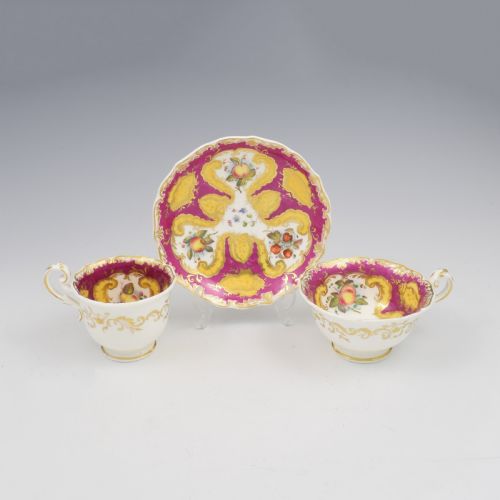
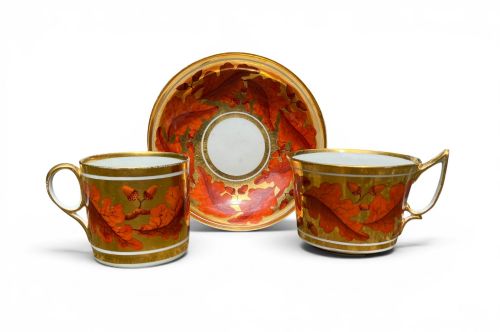
A regency porcelain teacup represents the sophisticated tea-drinking culture of the early nineteenth century. These forms include single cups, matched saucers, and larger trios that incorporate coffee cups.
The pieces on this page span the Georgian and Regency eras, originating from renowned English factories. They capture a period when domestic ceramic production reached exceptional artistic heights.
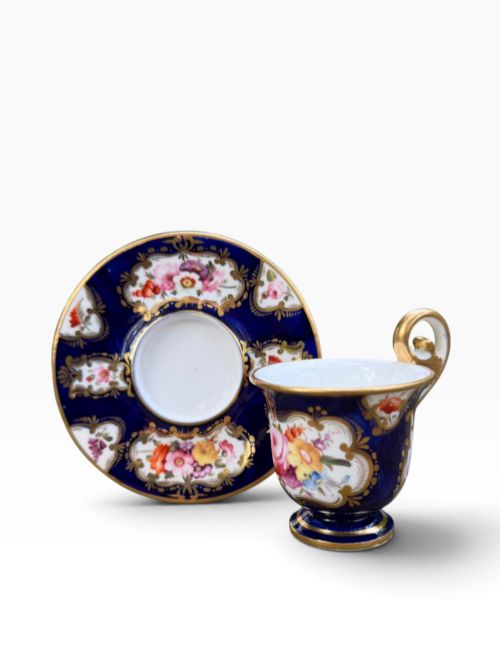
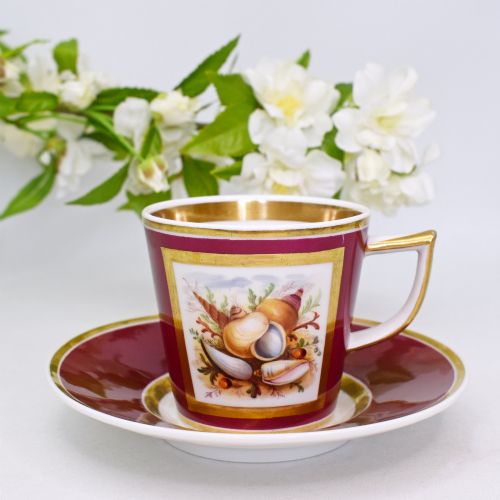
Buyers will encounter items ranging from cabinet cups designed for display to functional tea and coffee wares. Each piece reflects the refined aesthetic standards of the period.
How they were made
Manufacturers utilised fine porcelain and bone china as the primary bodies for these wares. Artisans shaped these materials into balanced, delicate forms suitable for elite parlours.
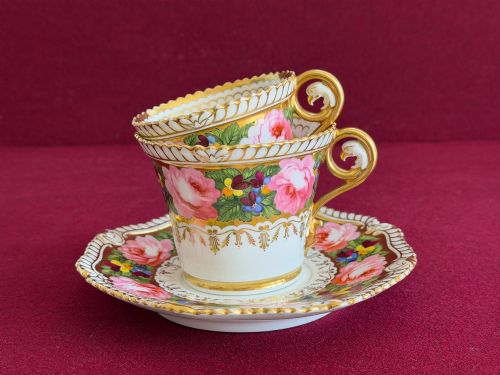
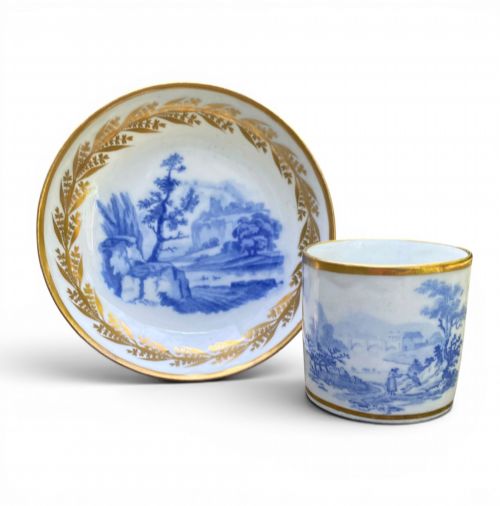
Decoration relied heavily on handpainted motifs executed by skilled ceramic painters. Workshops applied generous amounts of gold leaf, gilding, and enamel to accent the painted scenes.
Retail Price Guide 2026
Typical UK retail prices for regency porcelain teacup, calculated from the Sellingantiques database of over a million retail prices indexed since 2003. This retail price guide relies exclusively on Sellingantiques data; no external sources or auction records are used, so the figures do not describe the wider market.
Some cups were painted by named artists who clearly enjoyed adding remarkably plump quail to their pastoral scenes.
What varies in quality
Quality rests in the finesse of the handpainted detail and the precision of the gilding. Master painters created intricate compositions that distinguish superior factory output from standard commercial work.
The refinement of the porcelain body and the crispness of the moulding dictate the upper tier of the range. Pieces associated with named decorators or esteemed factories command greater attention from discerning collectors.
H & R Daniel Shrewsbury·Flight Barr And Barr·Samuel Astles·Ridgeway·Regency Porcelain Factory
The Regency Porcelain Teacup Glossary
- Cabinet cup
- A decorative teacup intended primarily for display in a cabinet rather than for daily use. These often feature elaborate handpainted scenes.
- Bone china
- A type of porcelain incorporating bone ash that results in a strong, translucent body. It became a staple material for English factories in the nineteenth century.
- Gilding
- The application of gold leaf or gold paint to ceramic surfaces for ornamentation. It provides a rich contrast against painted motifs.
- Enamel
- A vitreous composition fused to the porcelain surface through firing to create durable colours. It allows for vibrant, detailed painted decoration.
Frequently Asked Questions
What is a regency porcelain teacup?
A regency porcelain teacup is a fine ceramic drinking vessel produced during the early nineteenth century in England. These items reflect the refined neoclassical tastes of the period.
They often feature delicate handles, matching saucers, and intricate handpainted ornamentation enhanced with gold leaf. Collectors prize them for their historical association with Georgian tea culture.
Were these cups used for tea?
These pieces served as functional items for consuming hot beverages in formal domestic settings. Wealthy households used them during afternoon tea gatherings.
Some examples, such as cabinet cups, were made strictly for display behind glass rather than for actual use.
How are periods identified?
Periods are determined through a combination of factory marks, stylistic traits, and material composition. Shape profiles and painting techniques help narrow down the decade of manufacture.
Documentation from past factory records also assists in confirming whether a piece belongs to the Georgian or Regency eras.