


Antique Demitasse Cup
When you search for an antique demitasse cup, you are looking for miniature porcelain vessels made for after-dinner coffee.
What an antique demitasse cup is
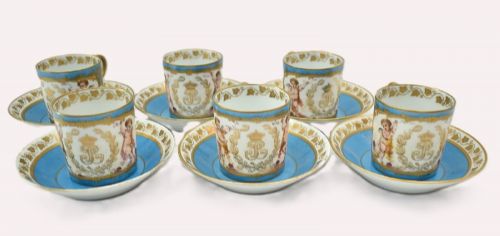
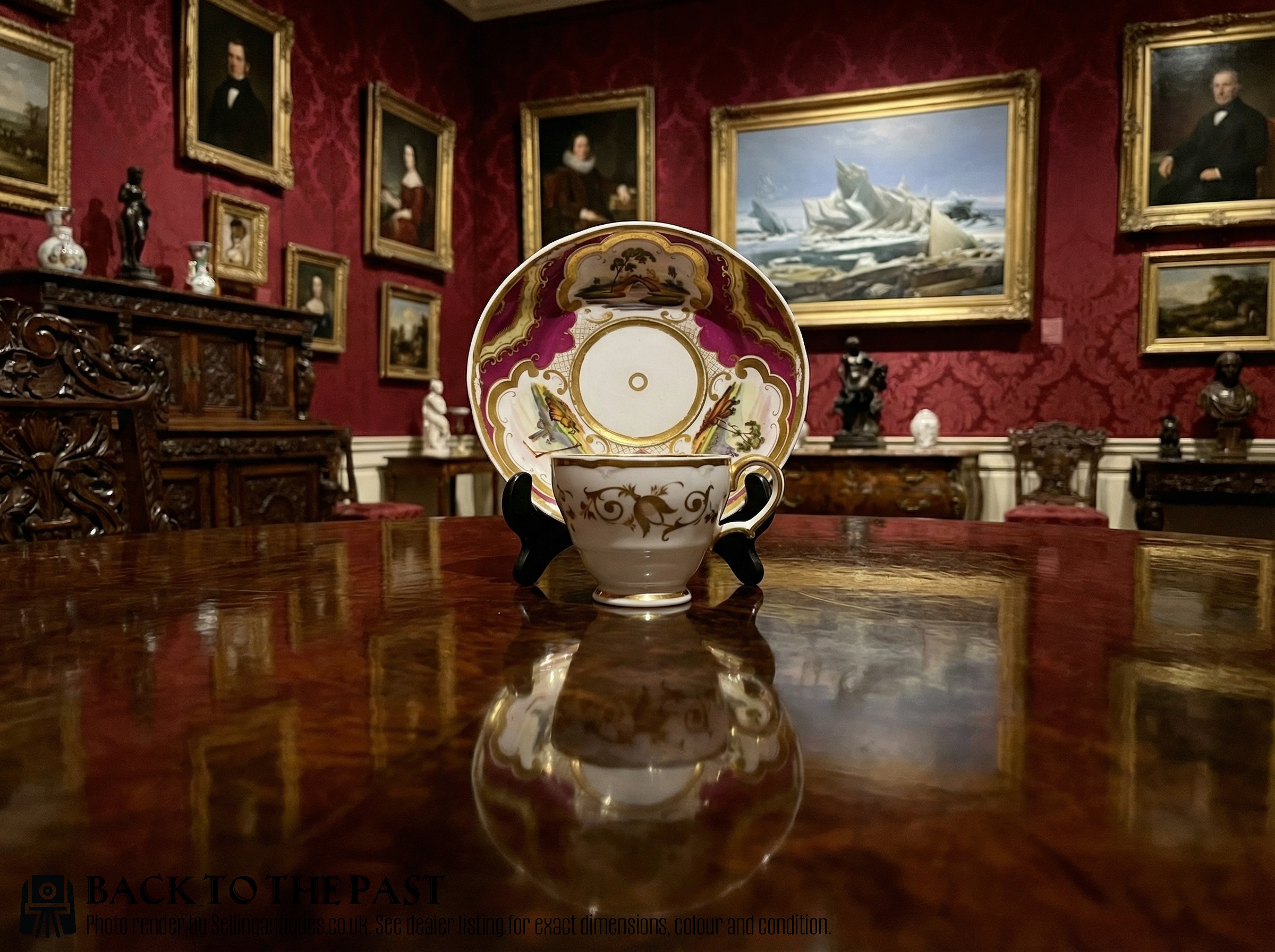
An antique demitasse cup is a small vessel designed specifically for strong black coffee, typically paired with a matching saucer. These miniature cups sit comfortably in the hand and hold a much smaller volume than standard tea cups.
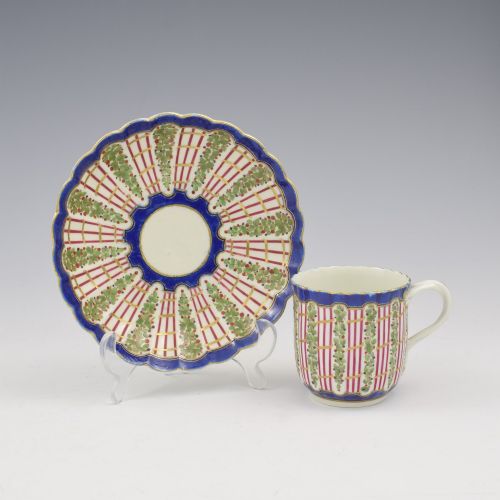
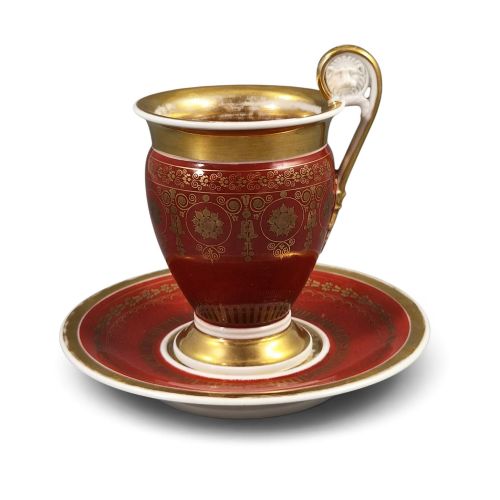
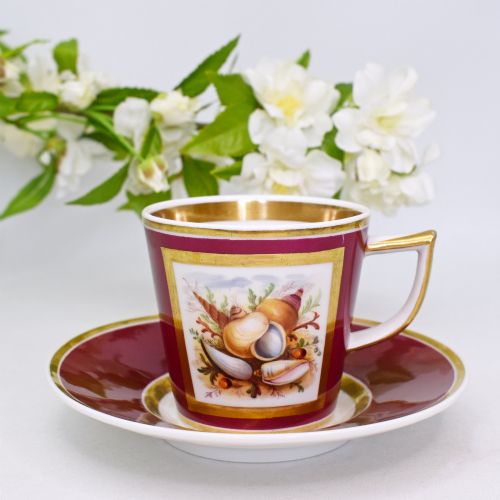
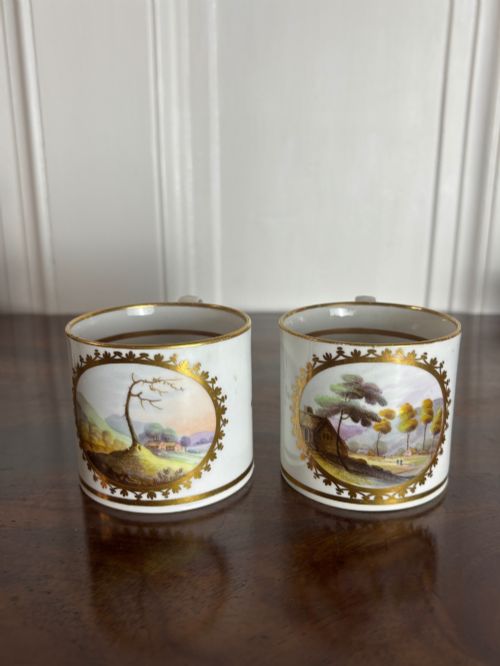
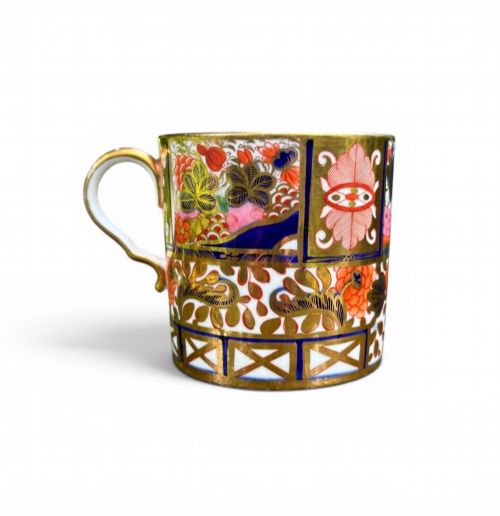
The pieces available on this page belong to the nineteenth century, reflecting the Regency style of the era. English porcelain makers such as Ridgeway produced these cabinet cups for display and refined use.
How they were made
Potters formed these miniature cups from fine ceramic paste, shaping them into delicate forms before firing and glazing. Artisans then applied intricate enamel decoration and hand-applied gilding to the porcelain surface.
The decorative schemes on nineteenth-century cabinet cups required steady brushwork and careful kiln firings to fuse the metallic gold and enamel colours securely to the glaze.
Current listings feature porcelain material from the nineteenth century in the Regency style.
What varies in quality
The distinction between standard examples and superior pieces rests on the finesse of the hand-painted enamel and the weight of the gilding. Crisp execution of Regency design motifs elevates the visual balance of the cup and saucer.
Thinner potting and more ambitious handle forms indicate higher ambition from the pottery, whereas heavier, simpler porcelain represents the baseline of production.
Ridgeway
The Antique Demitasse Cup Glossary
- Demitasse
- A small cup used for serving strong black coffee or espresso. The term translates literally from French as half-cup.
- Cabinet cup
- A decorative porcelain cup intended primarily for display in a cabinet rather than regular service at the table. These pieces often feature more elaborate artistic decoration.
- Enamel
- Vitreous coloured glass fused to the surface of porcelain through firing. It provides vibrant colour details across the body of the cup.
- Gilding
- The application of gold leaf or powdered gold to the ceramic surface. This technique highlights rims, handles, and painted panels.
Frequently Asked Questions
What is an antique demitasse cup used for?
These small cups were made for serving strong coffee after dinner, particularly in formal dining settings during the nineteenth century.
Because of their delicate porcelain and fine gilding, many collectors treat them primarily as cabinet pieces for visual display.
How do I identify a nineteenth century cup?
Nineteenth century pieces often display Regency style characteristics through their classical shapes and painted enamel details.
Examining the porcelain body and the style of the gilding helps connect the cup to specific periods of English manufacture.
Are cups and saucers always sold together?
Many surviving antique demitasse cups are paired with their original matching saucers, though separation over time is common.
Listings specify whether the piece is offered as a complete cup and saucer set or as an individual item.
How should I care for antique porcelain?
Antique porcelain requires gentle hand washing in lukewarm water with mild soap, avoiding abrasive sponges that can damage the delicate gilding and enamel.
Displaying the cups away from direct sunlight protects the colours from fading over the years.