
Gilded English Porcelain
These pieces of gilded english porcelain bring together historic ceramic bodies and rich metal leaf, offering both decorative presence and functional elegance for the table.

Gilded English Porcelain
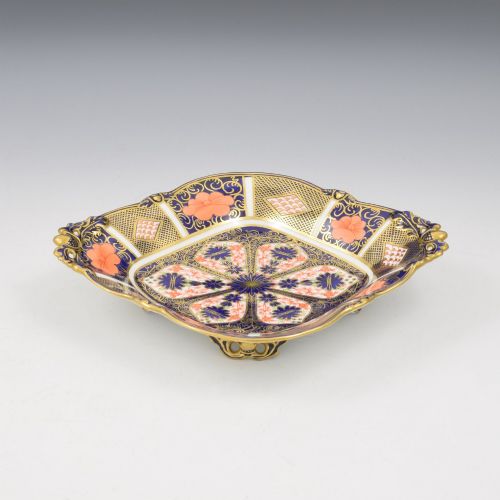
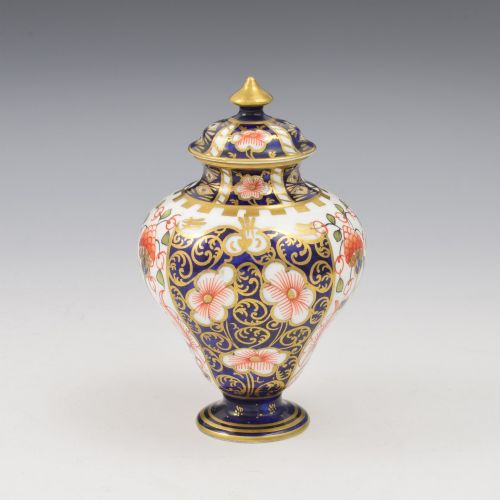
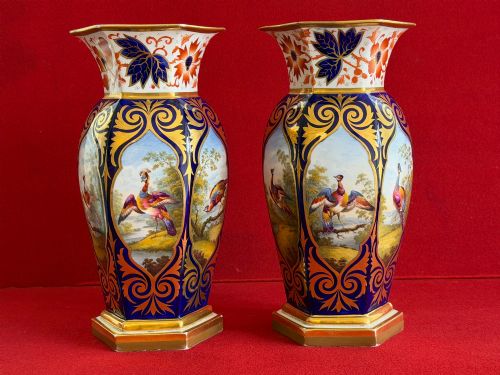
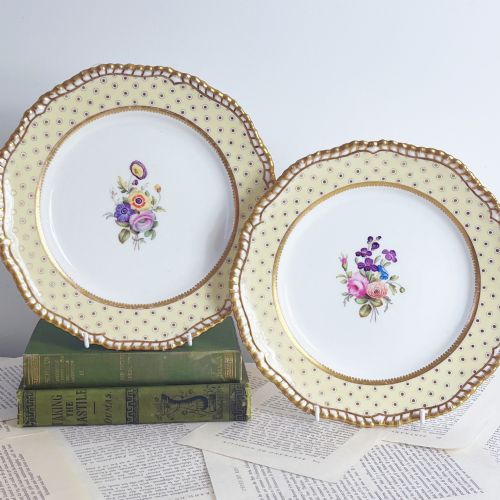
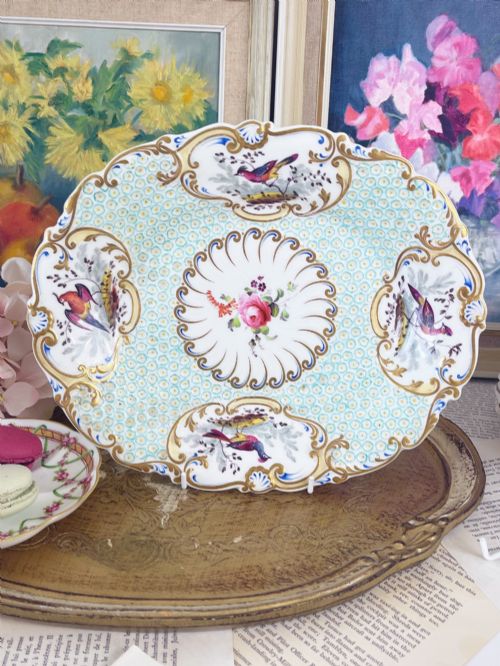
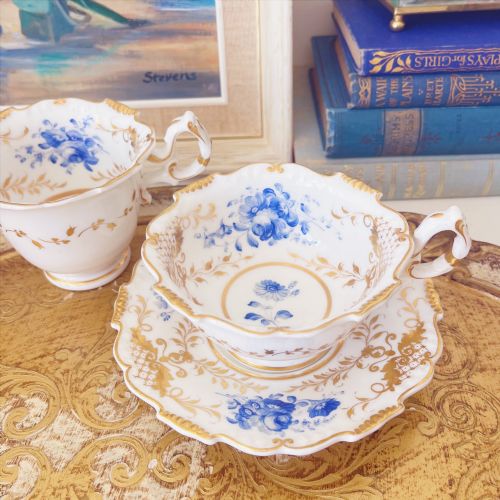
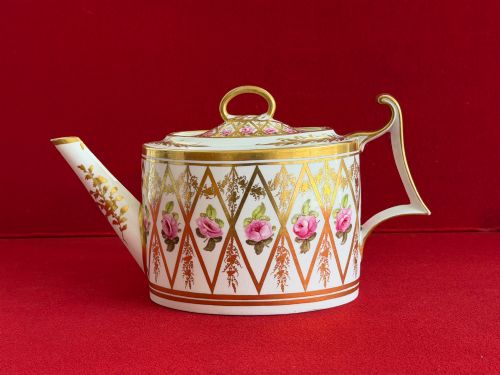
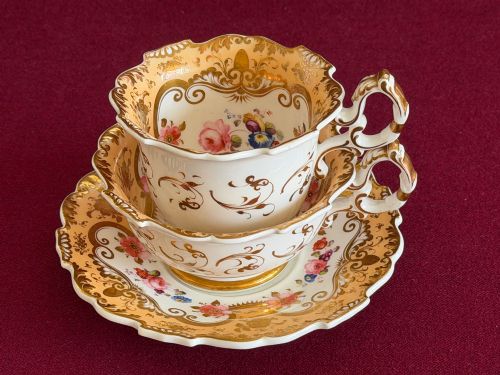
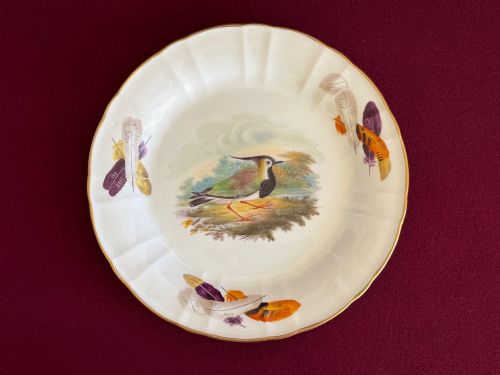
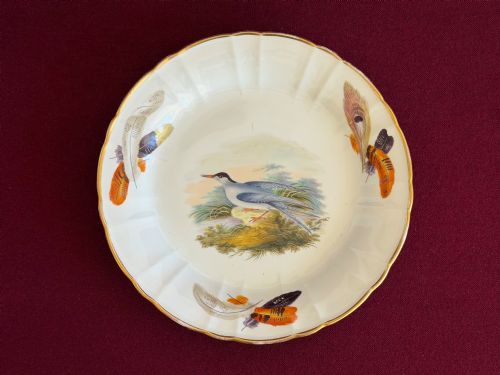
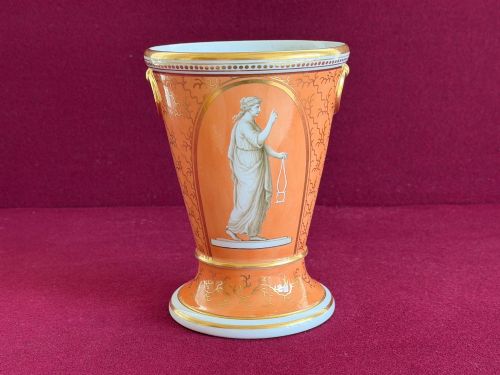
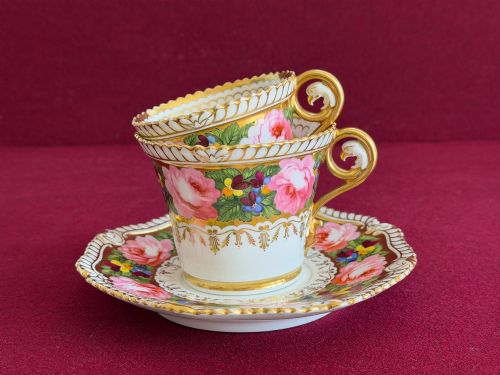
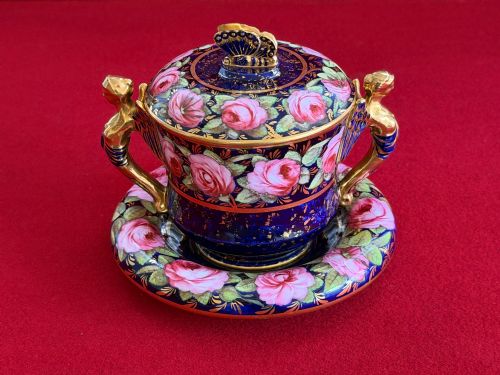
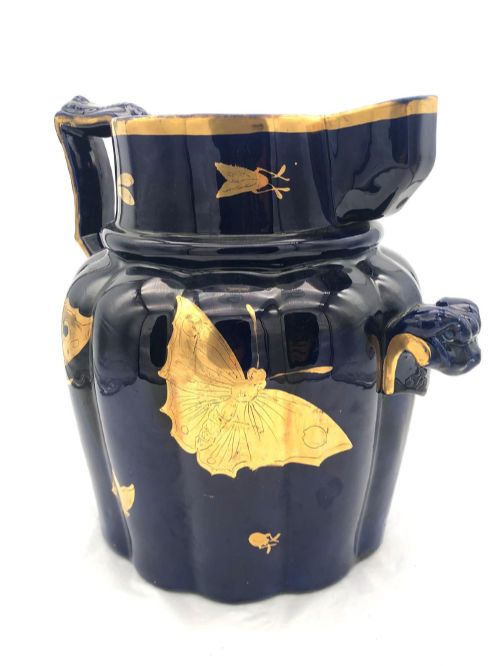
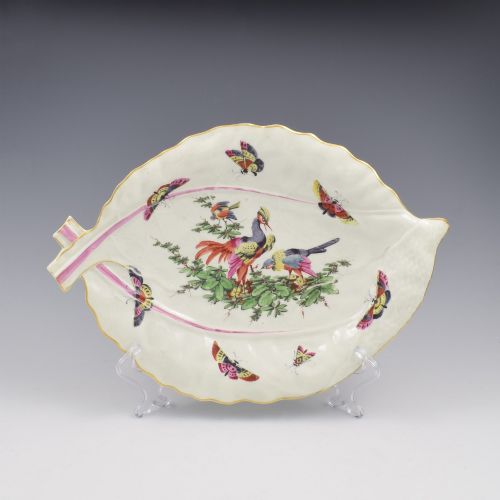
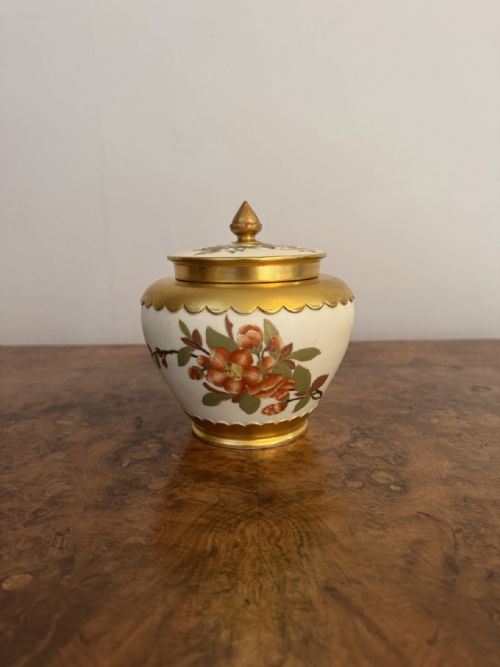
When you search for gilded english porcelain, you encounter a variety of functional and decorative ceramic forms spanning the eighteenth century through the early twentieth century. The most common examples on this page include cabinet plates, teacups and saucers, teapots, and vases originating from historic manufactories.
Makers produced these wares for wealthy households, utilising forms that transitioned from Georgian neoclassical lines to the ornate revival styles of the Victorian era. Plates and dessert services dominate the selection, often accompanied by specialist vessels such as potpourri pots, inkstands, and jardinieres.
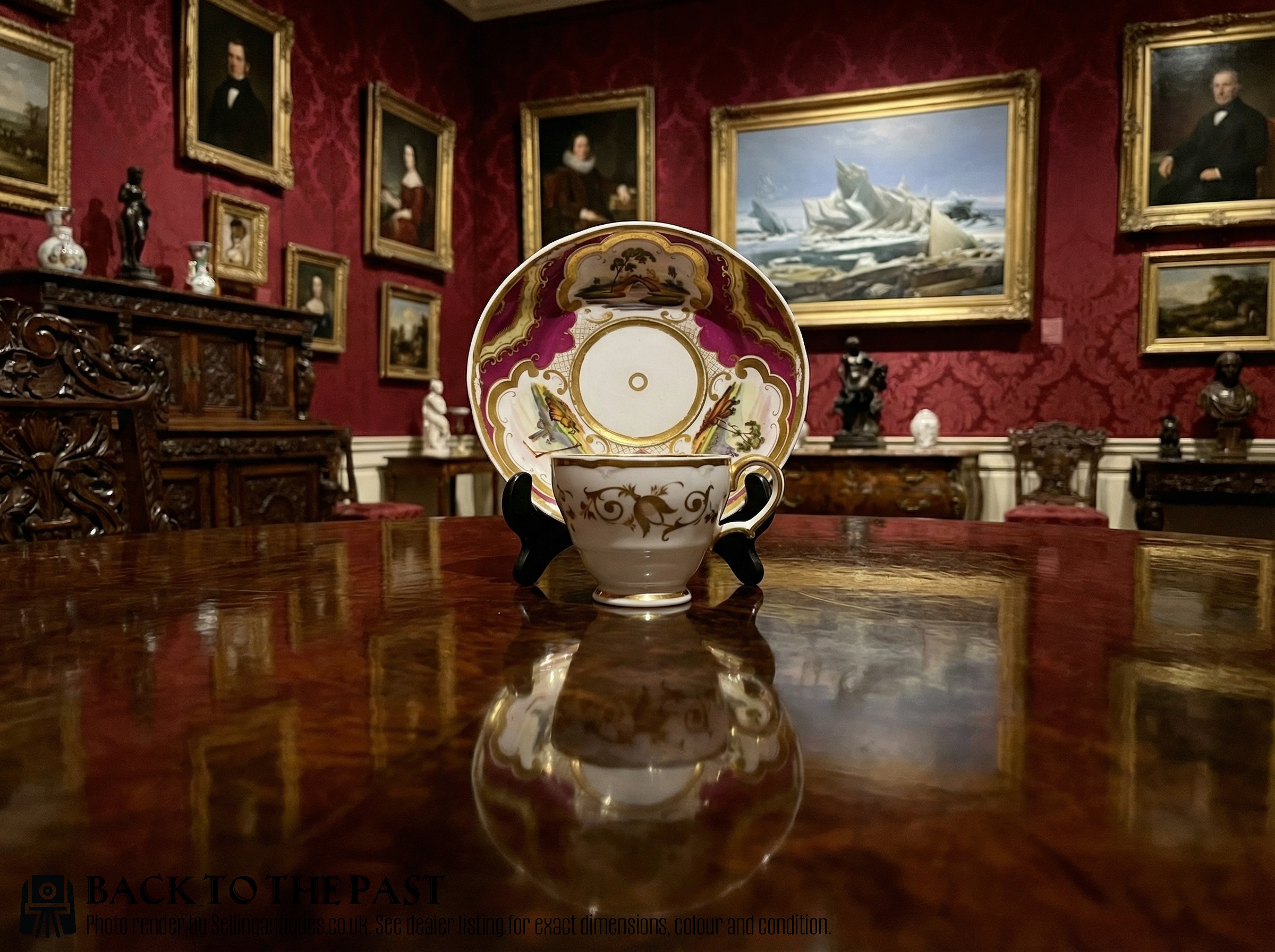
Materials and Application
The underlying ceramic bodies combine traditional soft-paste porcelain, hard-paste porcelain, and refined bone china, fired at high temperatures to achieve a durable vitreous structure. Potters shaped these materials by hand or used moulds before applying rich cobalt blue grounds, enamel paints, and intricate motifs.
Artisans applied gold leaf and gold gilding by hand, burnishing the metallic surfaces to create contrasting matte and bright highlights against painted birds, flowers, and landscapes. This delicate union of ceramic glaze and precious metal required precise firing control to ensure proper adhesion.
Listings feature porcelain forms spanning the eighteenth, nineteenth, and twentieth centuries, incorporating bone china, soft-paste porcelain, and extensive gold leaf decoration.
Assessing Craftsmanship
The standard of a piece rests heavily on the crispness of the handpainted decoration and the depth of the gold leaf applied by the gilder. Superior examples display meticulous brushwork in floral sprays, exotic birds, or figural scenes without the stiffness found in mass-produced transfer-printed wares.
The weight and refinement of the porcelain body, alongside the purity of the white glaze, distinguish high-grade items from simpler utilitarian objects. Heavier gilding that retains its burnished lustre without excessive rubbing marks the work of premier factories and skilled decorators.
Royal Crown Derby·Flight Barr And Barr·Spode·H And R Daniel·Wedgwood·Dr Wall Worcester·Royal Worcester·Coalport·Chamberlain Worcester·Grainger Worcester·Newhall·Masons Ironstone·Bloor Derby
The Gilded English Porcelain Glossary
- Soft-Paste Porcelain
- An early ceramic composition fired at lower temperatures than true hard-paste porcelain, resulting in a warm, slightly translucent body. It was widely used by eighteenth-century English factories before bone china became dominant.
- Bone China
- A hybrid porcelain developed in England incorporating bone ash into the ceramic paste for added strength and whiteness. This material forms the base for many nineteenth-century cabinet plates and tea services.
- Gilding
- The application of gold leaf or powdered gold to the ceramic surface to create decorative borders, handles, and motifs. Artisans often burnished the metal after firing to achieve a bright reflective finish.
- Cabinet Plate
- A decorative plate intended for display in a cabinet or on a wall rather than for everyday dining. These pieces frequently feature elaborate handpainted scenes and extensive gilding.
- Trio
- A matched set consisting of a teacup, a coffee cup, and a saucing dish. They were popular components of nineteenth-century breakfast and tea services.
Gilded English Porcelain: Frequently Asked Questions
What is gilded english porcelain?
Gilded english porcelain refers to ceramic tableware and decorative items produced in England from the eighteenth century onwards, embellished with gold leaf or metallic paint. These objects range from tea services to large display vases.
Factories across Staffordshire, Worcestershire, and Derby created these luxury items using soft-paste, hard-paste, or bone china bodies, often combining handpainted scenes with rich gold borders.
How do I care for antique porcelain?
Antique porcelain requires gentle hand washing in lukewarm water with mild detergent, avoiding abrasive sponges or modern dishwashers. The historic gold gilding is particularly vulnerable to harsh chemicals and rough scrubbing.
Store pieces securely in cabinets away from direct sunlight and extreme temperature fluctuations to protect both the ceramic body and the delicate enamel decorations.
How can I identify the maker?
Makers are often identified through painted or impressed factory marks found on the underside of the ceramic base, though many early pieces relied solely on distinct pattern numbers. Stylistic clues such as handle shapes, paste composition, and specific enamel palettes also point to particular manufactories.
Reference books and specialised databases help match pattern numbers and painter marks to historic archives from factories like Worcester, Spode, and Derby.
Were these pieces used daily?
Many items, such as teacups, saucers, and dessert plates, were made for active use in wealthy households during formal dining and social gatherings. Wealthier patrons used fine porcelain to display status and taste during tea ceremonies and dinner parties.
Conversely, items like cabinet plates and large decorative urns were primarily intended for display in drawing rooms and glass-fronted cabinets from the moment of their creation.