


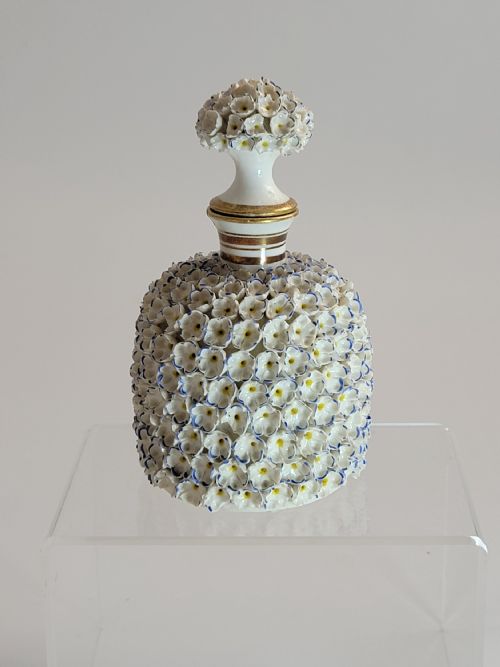


Porcelain Perfume Bottle
These porcelain perfume bottle examples combine delicate ceramic bodies with functional scent storage, offering collectors an exquisite piece of vanity history.
Porcelain Perfume Bottle
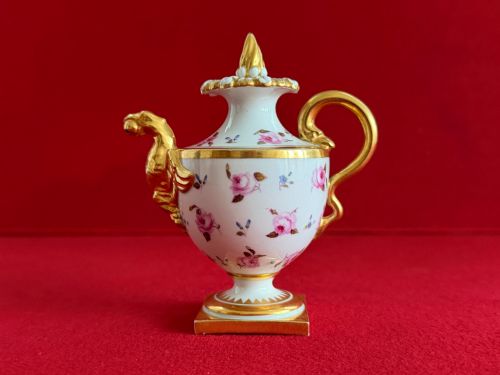
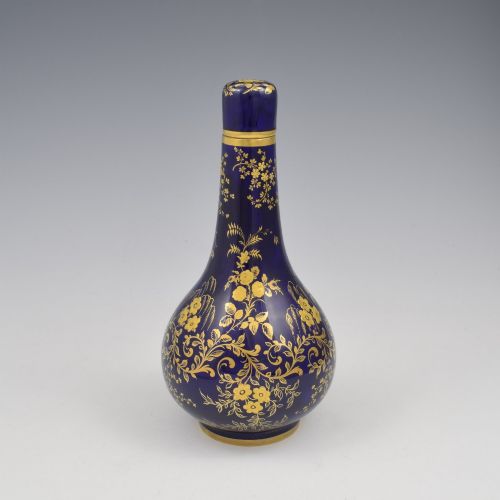
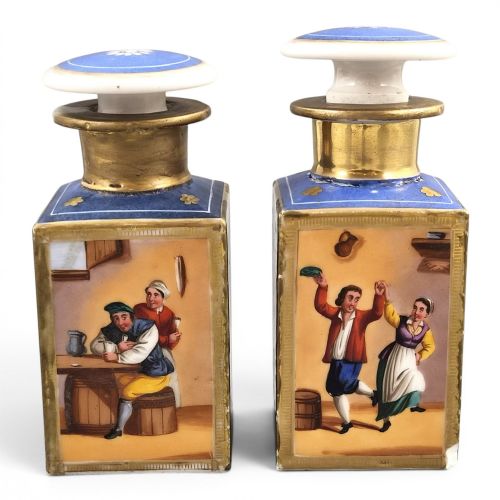
A porcelain perfume bottle serves as a small vessel designed for holding volatile scents, appearing in various forms across the 19th Century, Regency, and Victorian eras. These items range from scent bottles and snuff bottles to larger rose water sprinklers and vanity sets.
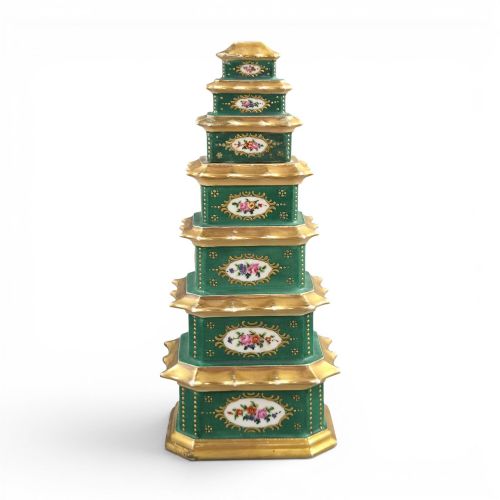
Makers utilise traditional ceramic bodies moulded into figural shapes, pagodas, or classical vase profiles. The evidence shows frequent appearances of French makers like Jacob Petit alongside English manufactories such as Worcester, Derby, and Minton.
Pieces frequently feature hand-painted scenes, gilt highlights, or applied floral encrustations that reflect styles from Chinoiserie and Qing Dynasty motifs to Art Deco aesthetics.
Materials and production techniques
Makers rely primarily on hard-paste porcelain and ceramic bodies, often finished with detailed glazes and enamel painting. Artisans apply gold leaf and gilt accents to accentuate moulded contours and figurative details.
Many examples incorporate secondary materials such as silver mounts, observed in Birmingham-marked pieces and Sampson Mordan silver gilt fittings. Surface decoration combines transfer printing with meticulous hand-applied flower encrustations.
Listings feature hard-paste porcelain, enamel, gold leaf, and silver mounts across periods from Regency to Art Deco.
Factors of distinction
Superior examples display crisp moulding in figural forms and intricate hand-painted detail, particularly in facial expressions or scenic reserves. The presence of original stoppers significantly elevates the integrity of an individual piece.
The sophistication of the gilding and the precision of enamel work distinguish standard production wares from exceptional signed or attributed studio pieces.
Flight Barr And Barr·Jacob Petit·Crown Staffordshire·Macintyre·Royal Worcester·Minton·Sampson Mordan And Co·Spode
The Porcelain Perfume Bottle Glossary
- Hard-paste porcelain
- A dense, durable ceramic material fired at high temperatures, composed of kaolin and petuntse. This paste forms the robust structural foundation for many 19th-century scent containers.
- Rose water sprinkler
- A specialised vessel featuring a globular body and a long, tapering neck with a perforated top. These items dispense scented water rather than concentrated oil.
- Parian ware
- A fine-grained, unglazed biscuit porcelain resembling carved marble. Victorian makers utilised this material to produce tactile, sculptural scent bottles.
- Gilt
- A thin layer of gold applied to the surface of the porcelain or metal mounts. Artisans use this technique to highlight rims, handles, and painted borders.
- Famille rose
- A palette of opaque enamel colours dominated by pink, originating in Chinese ceramics. This style appears on imported snuff bottles from the Qing period.
Porcelain Perfume Bottle: Frequently Asked Questions
How were these bottles used?
Owners used them on dressing tables or carried them within chatelaines for everyday scent application. The fitted stoppers prevented the evaporation of expensive volatile oils.
Certain larger forms, such as rose water sprinklers, served ceremonial or domestic room-freshening purposes.
How do I date a porcelain perfume bottle?
Dating relies on stylistic markers, factory marks, and material composition. Pieces from the early 19th Century often exhibit Regency or French Restoration characteristics, while later examples show Victorian encrustations.
Associated silver mounts frequently bear Birmingham hallmarks that provide exact manufacturing years.
Are original stoppers important?
The presence of a matching original stopper greatly preserves the visual harmony and completeness of the object. Makers often numbered or specifically shaped stoppers to fit individual bottle necks.
Finding a piece with its original component remains a primary consideration for collectors.
How should I display them?
Display these delicate ceramics in secure cabinets away from direct sunlight to protect enamel colours and gilt surfaces. Stable flat shelving prevents accidental tipping of top-heavy figural forms.
Grouping items by period or manufactory highlights their stylistic evolution.