


Antique Royal Derby Vase
An antique royal derby vase brings intricate porcelain artistry and rich gilding into a room.
Antique Royal Derby Vase
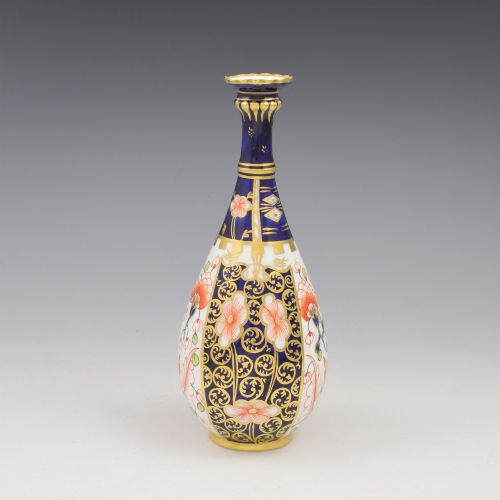
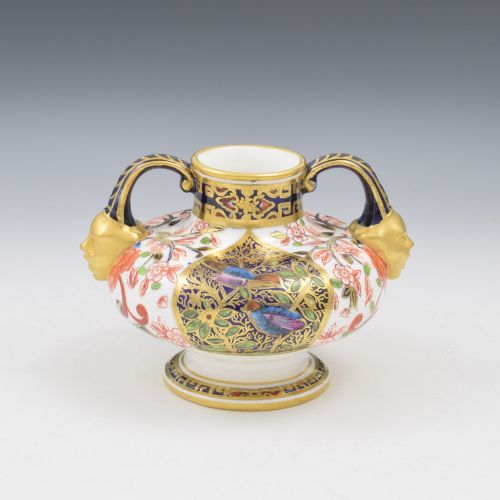
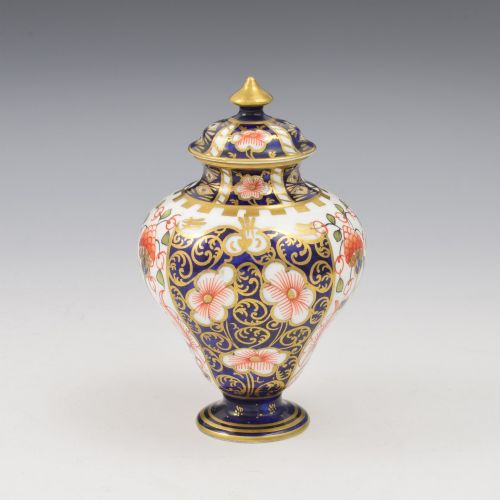
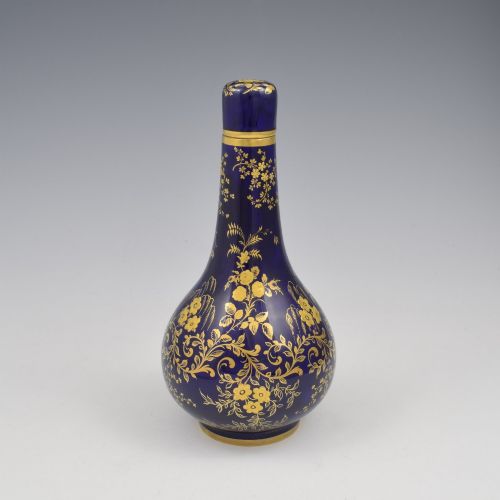
An antique royal derby vase encompasses decorative urns, ewers, and handled vessels made from porcelain and bone china. Buyers searching for an antique royal derby vase encounter pieces originating from the nineteenth and early twentieth centuries, including Victorian and Edwardian periods.
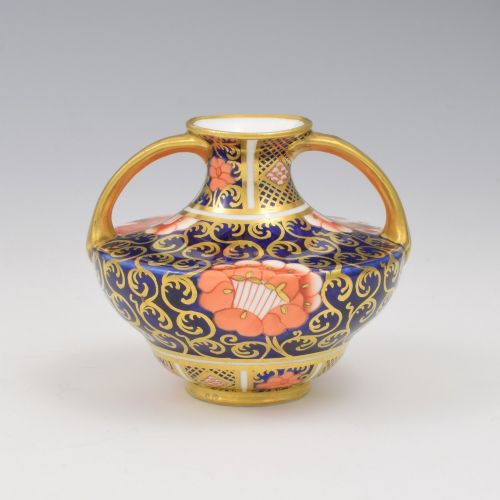
The selection ranges from miniature lidded vases to substantial pairs and signed centrepieces. Many items feature pattern numbers such as 6299 and 2444, alongside distinct decorative styles like Imari and Aesthetic Movement.
How they were made
Maker's workshops shaped these vessels from fine porcelain and bone china, finishing surfaces with smooth glaze. Artisans then applied detailed enamel colours by hand to build up rich visual depth.
Gilt, gold leaf, and gold gilding highlight rims, handles, and raised decorative motifs. Certain pieces incorporate aesthetic raised gold work or Sèvres style blue grounds executed by notable artists.
Minature lidded vases prove that eighteenth-century grandiosity fits comfortably inside a pocket.
What varies in quality
The standard of execution in hand-painted enamel and precision of gilding define the upper tiers of these works. Individual artist signatures, such as Darlington, Albert Gregory, or Harris, distinguish exceptional studio pieces from standard production runs.
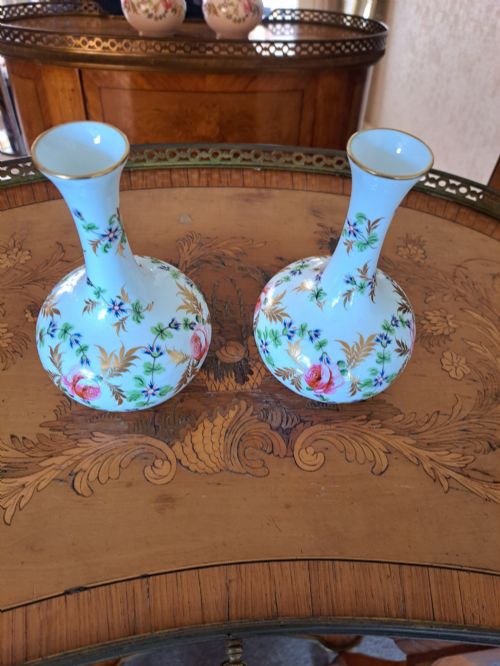
Complexity of form also dictates distinction, moving from simple bud vases to twin handled vessels, ewers, and elaborate lidded urns with cover elements.
Darlington·Albert Gregory·Harris
The Antique Royal Derby Vase Glossary
- Imari
- A decorative style characterised by rich underglaze blue and iron red enamel, often heightened with gold leaf. This Japanese-inspired aesthetic became highly popular in British porcelain production.
- Bone China
- A type of soft-paste porcelain containing bone ash, yielding a strong, translucent body. It forms the smooth canvas for intricate hand-painting and gilding.
- Gilding
- The application of gold leaf or powdered gold to the surface of porcelain. It creates metallic highlights that catch the light along handles and rims.
- Ewer
- A large jug or pitcher with a wide spout and ornate handle, shaped for decorative display rather than utility. These pieces often match pairs of urns and vases.
- Aesthetic Movement
- A late nineteenth-century design style emphasising visual beauty over narrative or moral meaning. Pieces from this movement often display stylised botanical or abstract motifs in raised gold.
Antique Royal Derby Vase: Frequently Asked Questions
How do I identify an Imari pattern?
An Imari pattern typically displays a distinct palette of deep cobalt blue, iron-red enamel, and heavy gold leaf. These elements combine in dense floral or geometric designs across the porcelain surface.
Looking closely at the glaze reveals the traditional layering techniques used by the factory artists during the Victorian and Edwardian periods.
What is the difference between an urn and a vase?
Urns generally feature a footed base, a bulbous body, and often include a fitted cover or prominent handles. They were designed primarily as formal decorative showpieces for mantelpieces and sideboards.
Standard vases encompass a wider variety of open-top shapes, ranging from slender bud containers to bottle forms and miniature vessels.
How should I display porcelain ewers?
Porcelain ewers work best on stable surfaces away from direct sunlight and heavy foot traffic. Placing them where light can catch the raised gold leaf and enamel details enhances their visual presence.
Pairing ewers with matching urns or bud vases creates a balanced arrangement reminiscent of nineteenth-century interiors.
Are signed pieces more desirable?
Pieces bearing the signature of specific artists like Albert Gregory or Darlington often attract greater interest from collectors. These signatures confirm the hand of a master painter working within the pottery.
Signed works represent the pinnacle of individual craftsmanship during the active periods of the manufactory.