




Blue and Gold Urn
A blue and gold urn brings rich cobalt glaze and bright gilding into a room, catching the eye with classic forms from the nineteenth century.
Identifying a blue and gold urn
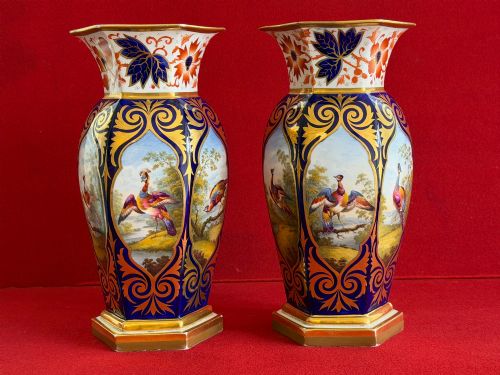
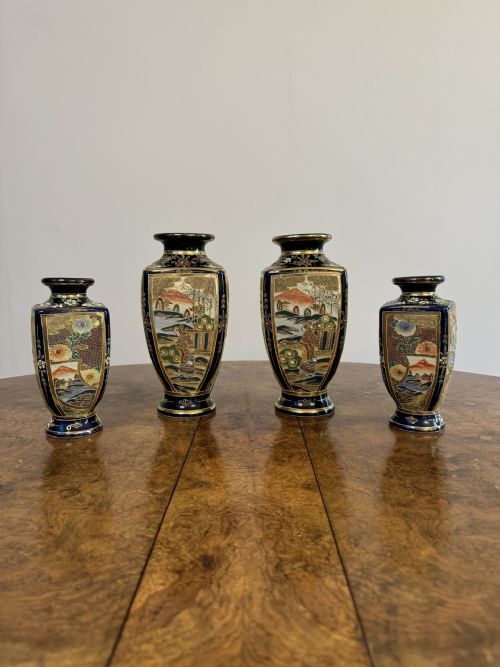
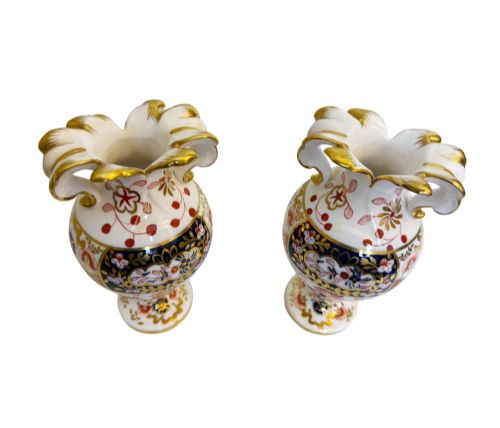
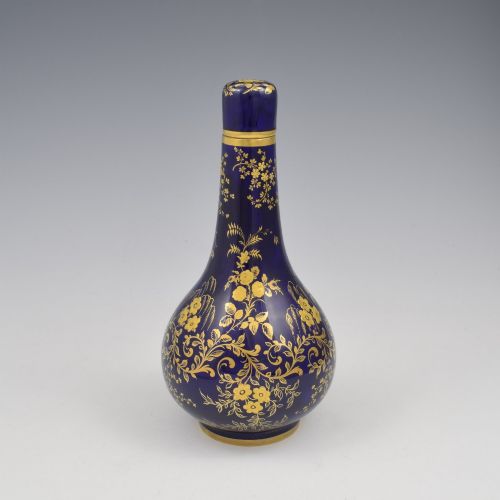
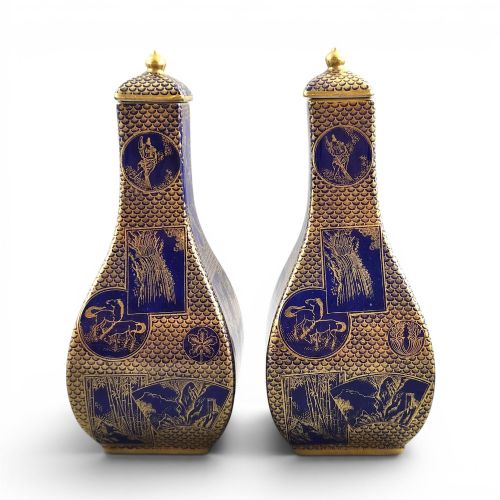
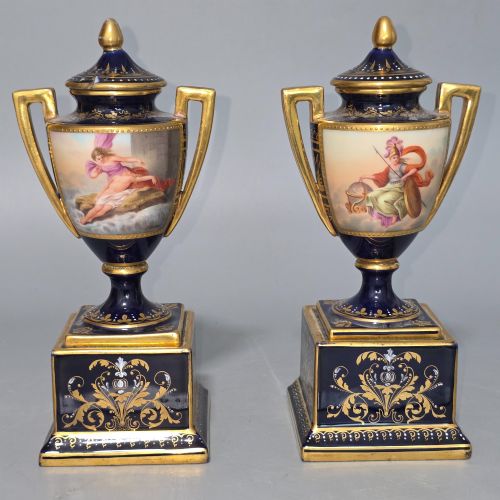
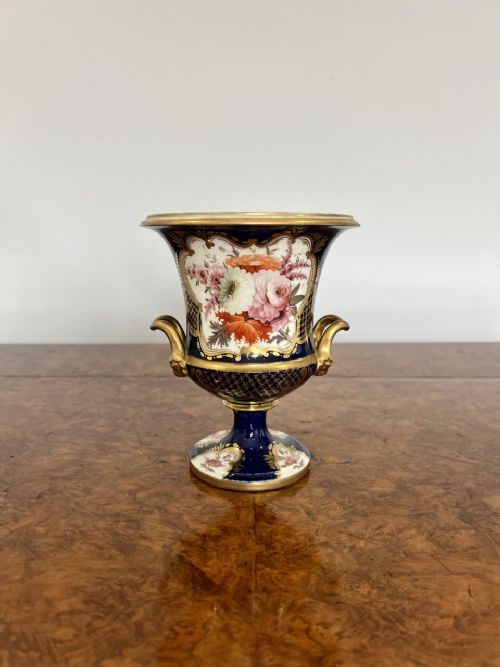
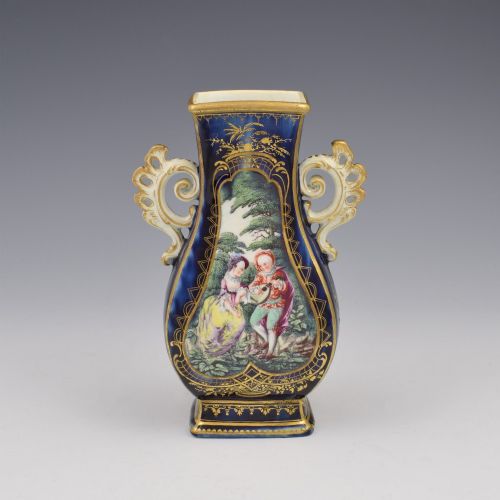
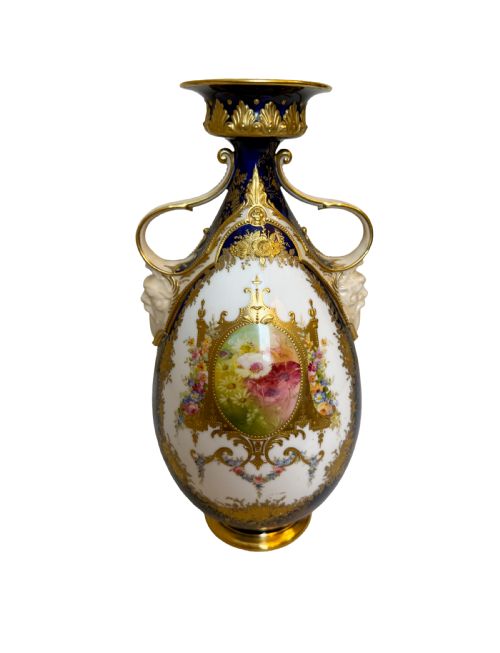
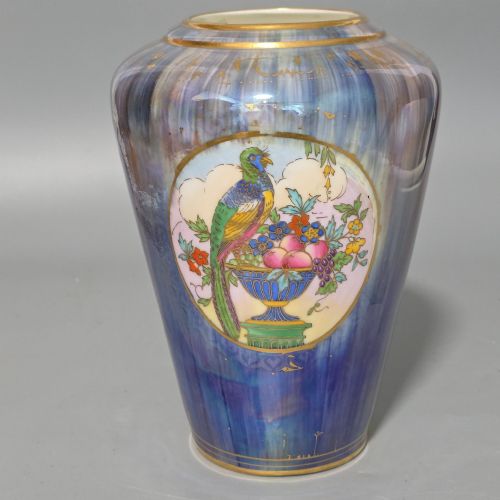
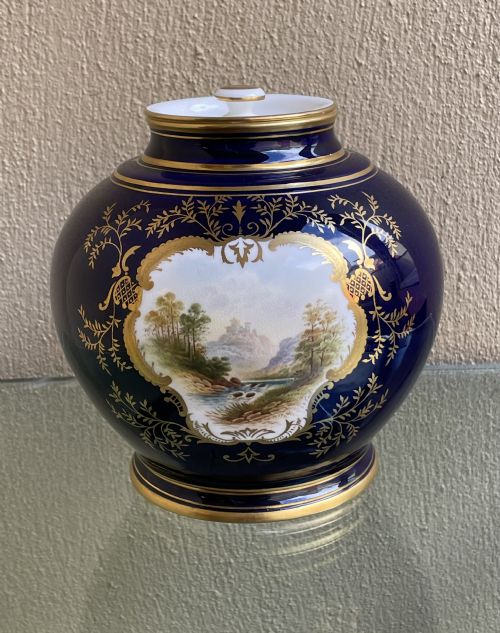
A blue and gold urn typically appears as a decorative ceramic vase or handled cup created by prominent English factories. When you search for a blue and gold urn, you encounter nineteenth century works shaped by Regency, Edwardian, and William IV aesthetics.
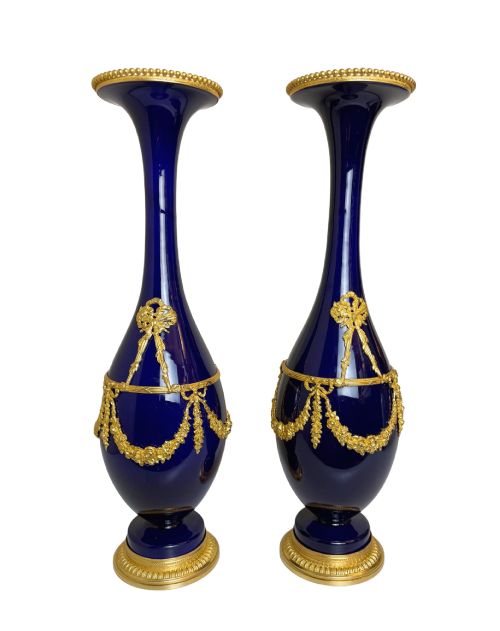
The selection ranges from covered bottle vases in Sèvres styles to two-handled cups and named artist pieces. These decorative ceramics serve as focal points on mantels and cabinets, carrying deep blue grounds accented with gold leaf.
Makers represented in this tradition include Derby, Spode, Flight, Barr and Barr Worcester, and Royal Worcester. Each piece reflects the evolving taste for classical vessel forms throughout the eighteen hundreds and into the early nineteen hundreds.
Materials and construction
Potters shaped these vessels from fine porcelain, applying rich enamel colours and cobalt glazes to the ceramic body before firing. The intense blue surfaces provide a dramatic contrast for subsequent ornamentation.
Artisans finished the vessels with meticulous gilding, applying gold leaf by hand to highlight handles, rims, and classical motifs. Specific pieces feature painted scenes by skilled decorators, such as Thomas Lowe or the Stinton artists, integrated into the gilded scheme.
Retail Price Guide 2026
Typical UK retail prices for blue and gold urn, calculated from the Sellingantiques database of over a million retail prices indexed since 2003. This retail price guide relies exclusively on Sellingantiques data; no external sources or auction records are used, so the figures do not describe the wider market.
Listings feature porcelain vessels spanning the Regency period, nineteenth century, and nineteen hundred, created by factories including Royal Worcester and Spode.
Assessing quality
Quality reveals itself in the precision of the hand-applied gilding and the depth of the enamel glaze. Superior pieces demonstrate crisp detail in the gold leaf and careful control over the cobalt blue ground during the firing process.
The sophistication of the form and the reputation of the manufactory distinguish the finest examples. Works associated with named painters and established factories like Worcester or Spode carry a greater artistic ambition in their painted panels and classical proportions.
The Blue and Gold Urn Glossary
- Porcelain
- A hard, fine-grained ceramic material fired at high temperatures to achieve a vitrified, non-porous body. It forms the smooth white base beneath the blue glazes and gilding.
- Gilding
- The application of gold leaf or gold paint to the surface of the ceramic. This technique creates the metallic gold highlights characteristic of these decorative vessels.
- Enamel
- Opaque glass-like pigments fused to the ceramic body during firing. Enamels provide the durable coloured details that decorate the vase surfaces alongside the gold.
- Regency
- An English design period spanning the early nineteenth century. Pieces from this era often draw inspiration from classical Greek and Roman vessel shapes.
- Bottle vase
- A ceramic vessel with a narrow neck expanding down into a bulbous body. This specific form displays the rich blue and gold colour schemes across its curved silhouette.
Frequently Asked Questions
What periods do these blue and gold urns come from?
The available pieces originate primarily from the nineteenth century, including the Regency and William IV eras, alongside later Edwardian examples from nineteen hundred.
These dates reflect the periods when factories like Spode, Derby, and Worcester produced their finest decorative ceramics.
Who made these decorated ceramic vessels?
Prominent English porcelain manufactories created these works, including Derby, Spode, Flight, Barr and Barr Worcester, and Royal Worcester.
Specific pieces also feature the hand-painted artistry of named decorators such as Thomas Lowe and the Stinton family.
How were the blue and gold finishes applied?
The ceramics feature rich cobalt glazes and enamel colours fused to a porcelain body through kiln firing. Artisans then applied gold leaf by hand to create the intricate gilding.
This combination of fired glazes and surface gilding required high technical skill from the factory painters and gilders.
What shapes do these decorative urns take?
The forms include bottle vases with covers, two-handled cups, and named artist vases in classical styles. Many draw visual inspiration from French Sèvres porcelain designs of the period.
These varied silhouettes function primarily as decorative display items rather than utilitarian vessels.