

Antique Spode Porcelain
These antique spode porcelain pieces represent the finest achievements of English ceramic design, offering collectors superb painted scenes, rich gilding and durable bodies.
Antique Spode Porcelain
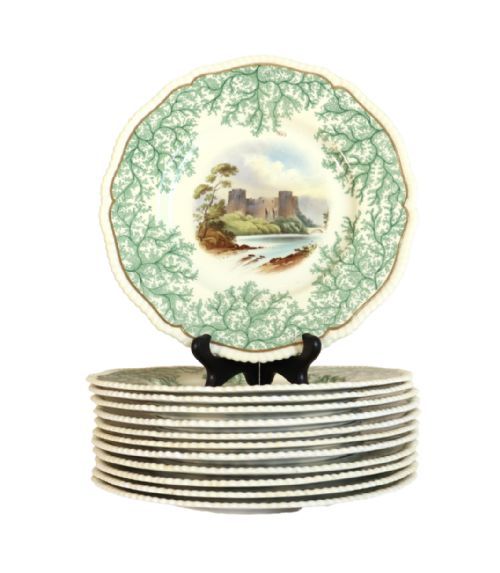
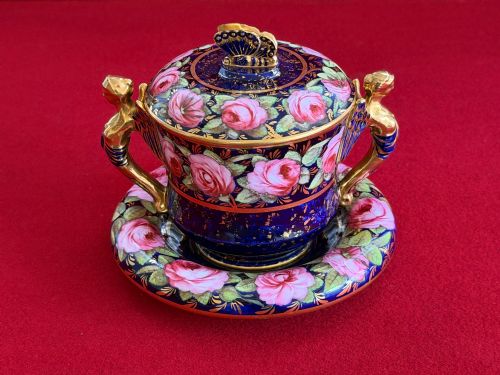
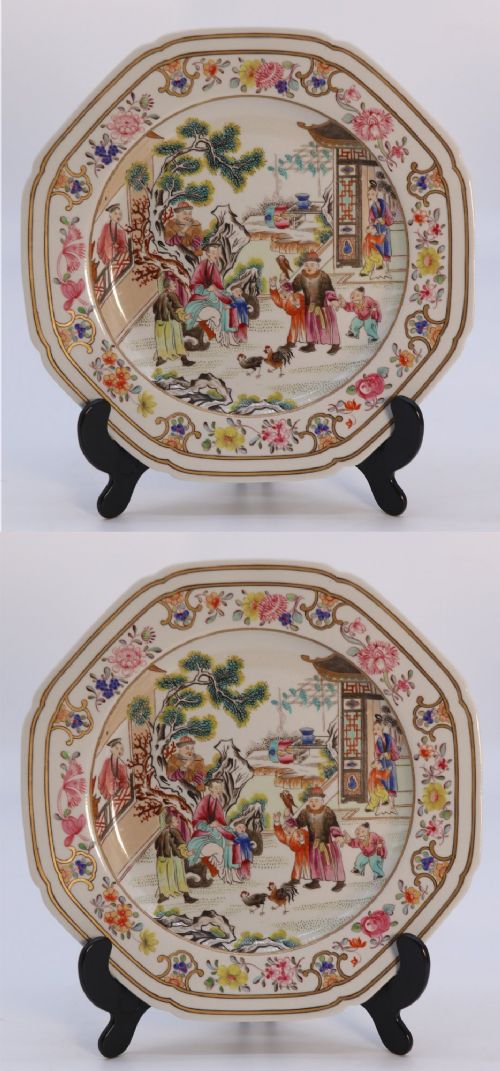
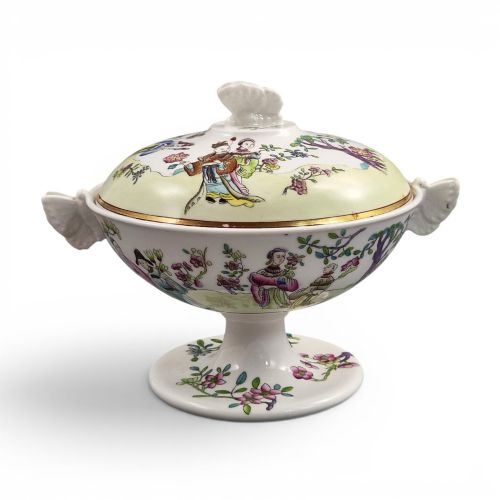
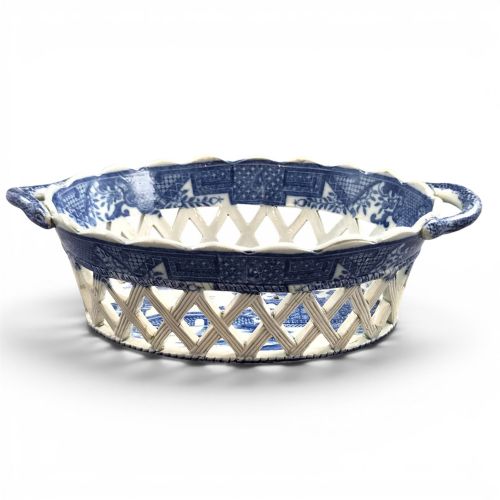
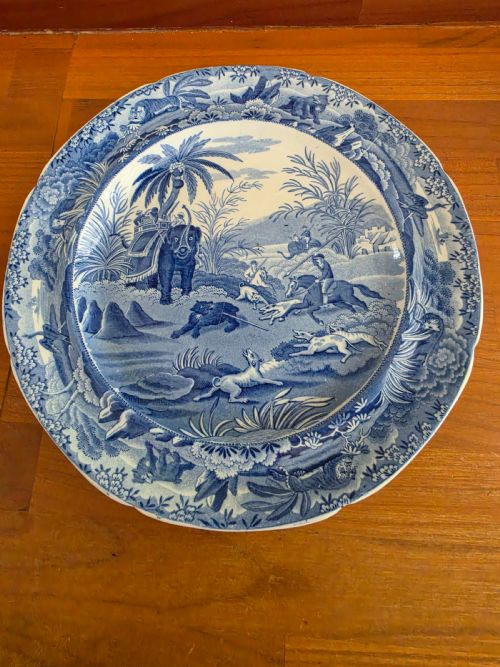
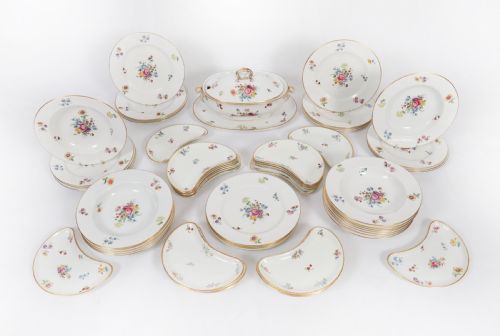
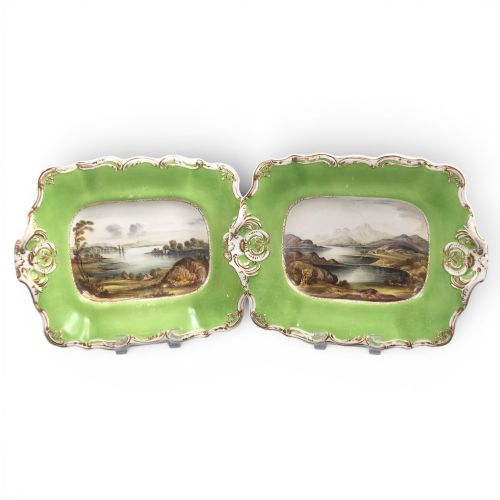
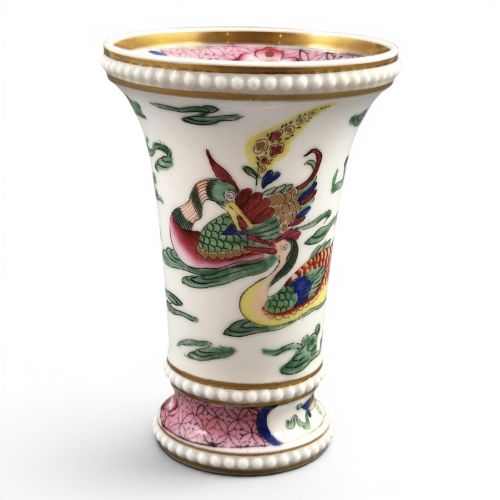
Forms range from large covered pedestal bowls and vases to delicate chocolate cups, coffee cans and reticulated chestnut baskets. Many items display specific named patterns, armorial crests or transfer-printed landscapes such as the Italian pattern.
Originating primarily from Stoke-on-Trent, these wares span the transition from early bone china and earthenware to later felspar porcelain and stone china bodies. The assortment balances grand table services with individual cabinet pieces meant for display.
Materials and production techniques
Makers utilised porcelain, bone china, felspar porcelain and earthenware, often finished with lead or enamel glaze to protect the underlying body. Ironstone and stone china provided exceptionally robust alternatives for heavy dinner services.
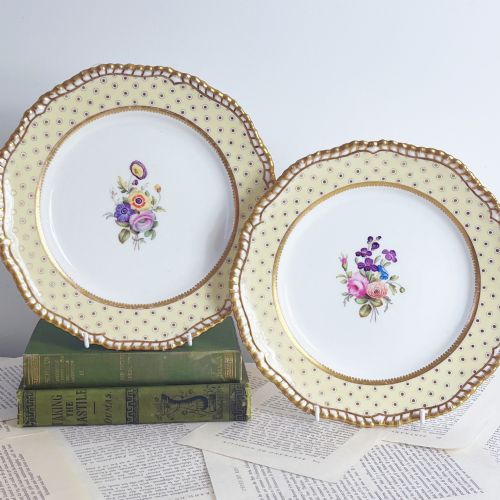
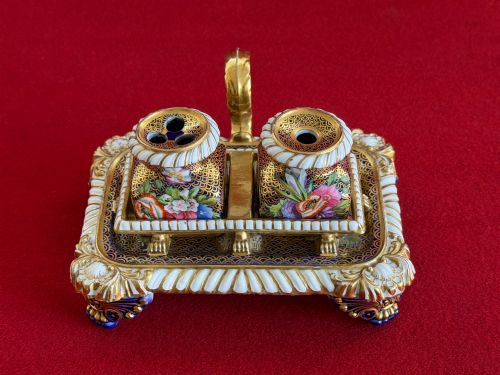
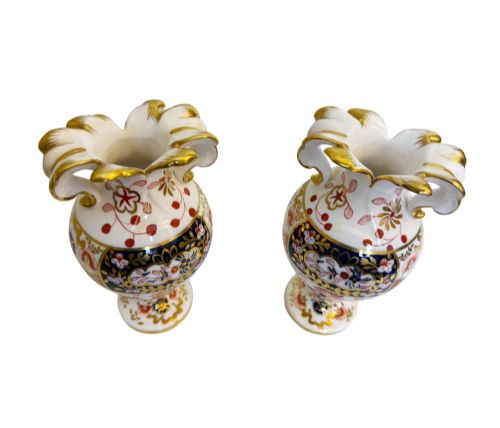
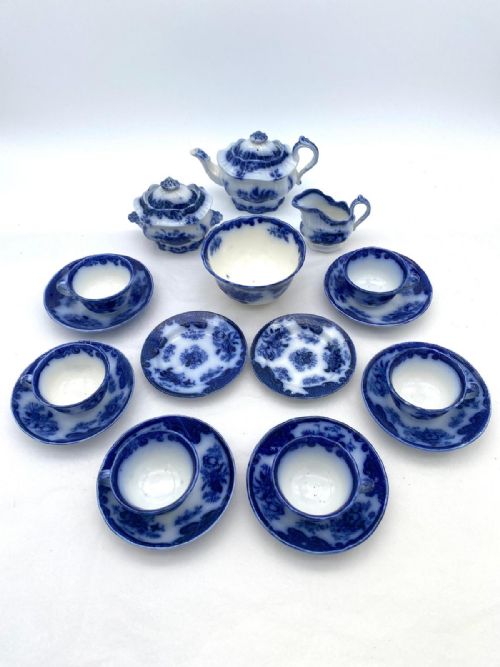
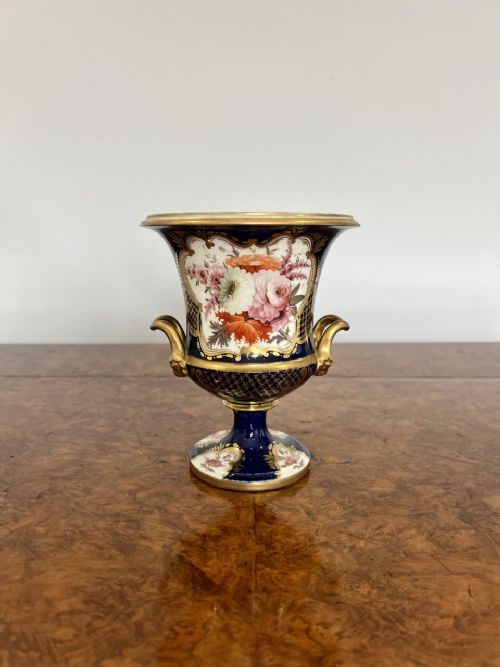
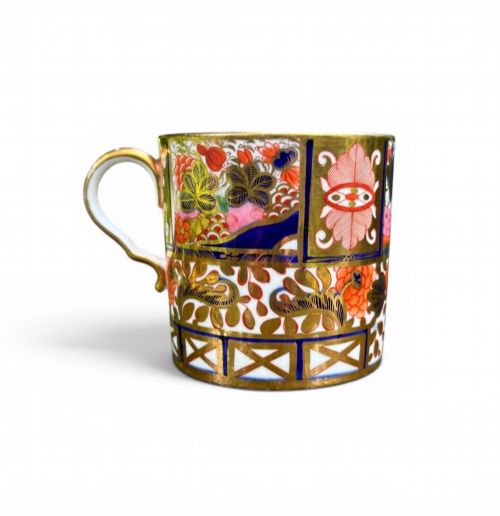
Decoration relied heavily on hand-painted enamels, transfer printing in blue, and applied gold leaf or gilding. Skilled artisans combined polychrome Imari palettes with intricate gilt highlights on handles, rims and borders.
Antique Spode Porcelain Retail Price Guide 2026
Typical asking prices for spode porcelain among the pieces listed under this phrase on Sellingantiques today, from the lower quarter to the upper quarter. They describe what is for sale here now, not the wider market.
Listings feature extensive Regency and Georgian pieces, predominantly utilising porcelain, bone china, and felspar porcelain bodies with intricate gilding.
Factors determining quality
Quality rests upon the precision of the hand-painted brushwork, the complexity of the transfer-printed subject, and the crispness of the moulded forms such as shell baskets or Warwick vases. Well-preserved gilding and enamel vibrancy elevate certain plates and vessels above standard production wares.
The sophistication of the ceramic body itself, from standard porcelain to specialised felspar compositions, dictates the refinement of the piece. Provenance, specific pattern numbers, and completeness within larger services further distinguish exceptional examples.
The Antique Spode Porcelain Glossary
- Felspar porcelain
- An innovative ceramic body introduced during the nineteenth century incorporating mineral spar for increased durability and whiteness. It allowed for thinner walls and sharper moulded details on vessels and plates.
- Imari
- A decorative style inspired by Japanese export wares, utilising a distinctive palette of underglaze blue, iron red, and abundant gold leaf. This aesthetic appears frequently on early cups, saucers and spill vases.
- Transfer printing
- A mechanical method of applying complex pictorial designs to ceramics using engraved copper plates and tissue paper. It enabled the mass production of consistent, highly detailed scenes like landscape views.
- Sucrier
- A small covered sugar bowl designed for tea and coffee services, frequently decorated with matching pattern numbers. These vessels often feature twin handles or delicate finials.
- Cabinet plate
- A decorative ceramic plate intended for display in a cabinet or on a wall rather than for dining use. These items typically showcase superior hand-painted artistry or armorial crests.
Antique Spode Porcelain: Frequently Asked Questions
How do I identify genuine antique spode?
Authentic pieces often feature painted or impressed pattern numbers, factory marks, or Copeland associations underneath the glaze.
Examining the weight, body translucency, and hand-painted details helps confirm the nineteenth-century period of manufacture.
What is felspar porcelain?
Felspar porcelain is a specific ceramic formulation developed to improve the strength and whiteness of traditional porcelain bodies.
It allowed makers to produce thinner, more refined tableware while maintaining structural integrity during high-temperature firing.
How should I care for gilded porcelain?
Gilded vessels and plates require gentle hand washing in lukewarm water with mild soap.
Avoid abrasive sponges, harsh detergents, and dishwashers to protect the delicate gold leaf and enamel overglaze decorations.
What are Imari patterns?
Imari patterns replicate the rich aesthetic of traditional Japanese export ceramics using deep cobalt blue, iron red, and gold leaf.
This decorative scheme was immensely popular on nineteenth-century tea services, chocolate cups, and cabinet plates.