

Regency Porcelain Cup
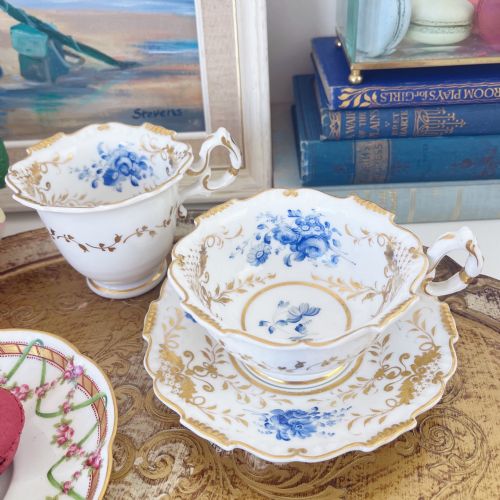
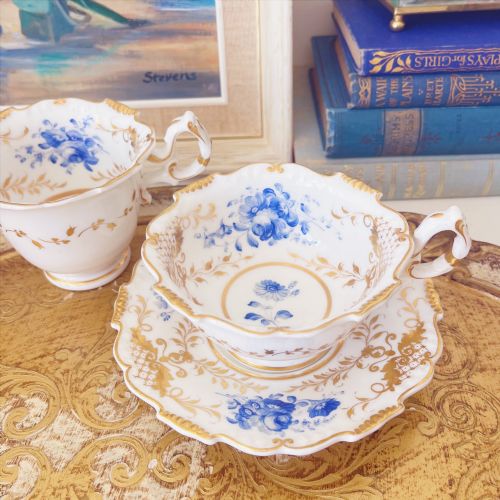
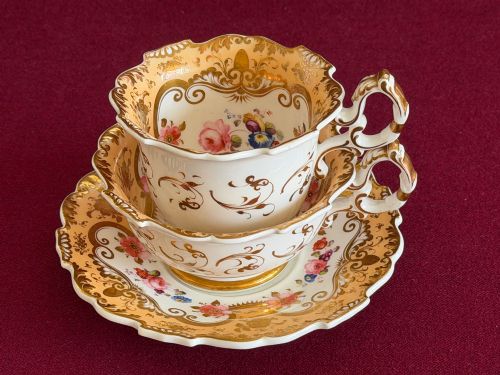
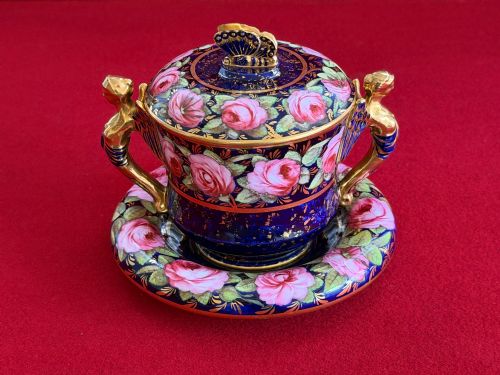
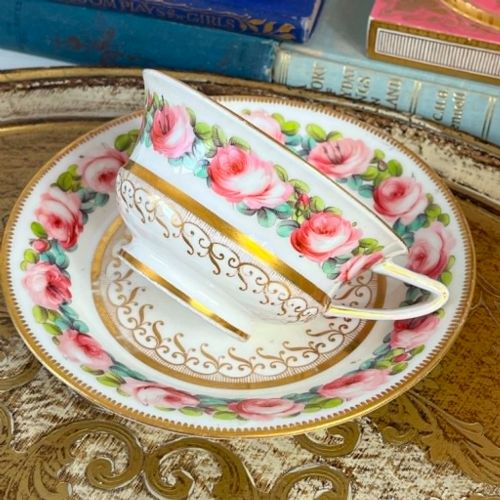
A regency porcelain cup brings the refined elegance of the early nineteenth century to the table, offering collectors exquisite cabinet pieces and usable trios.
Regency Porcelain Cup
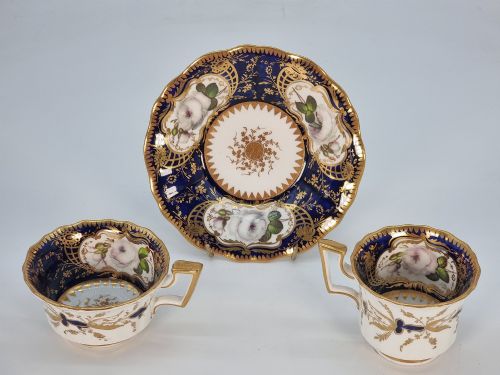
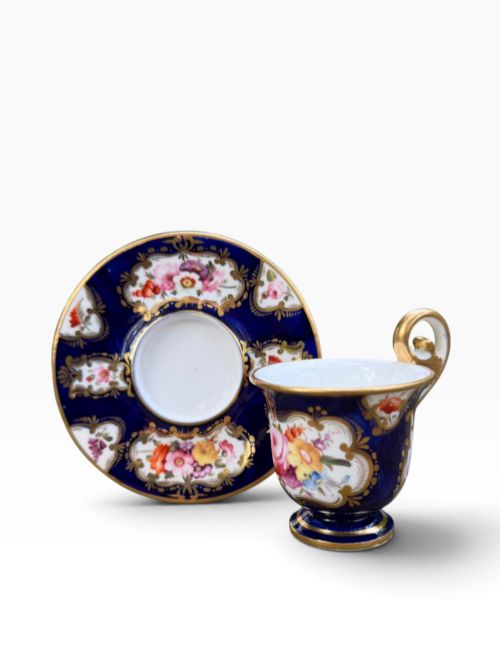
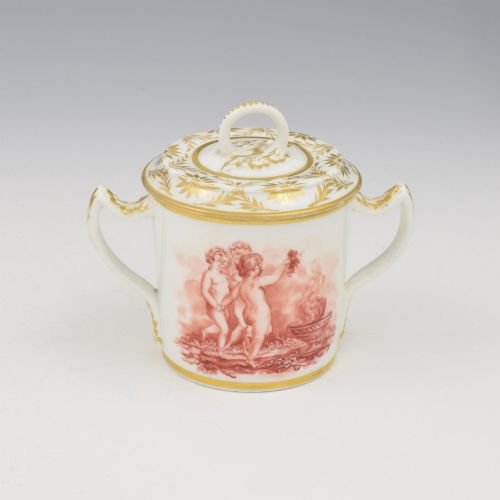
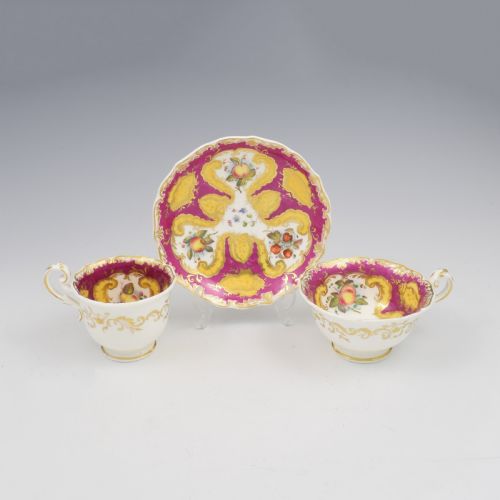
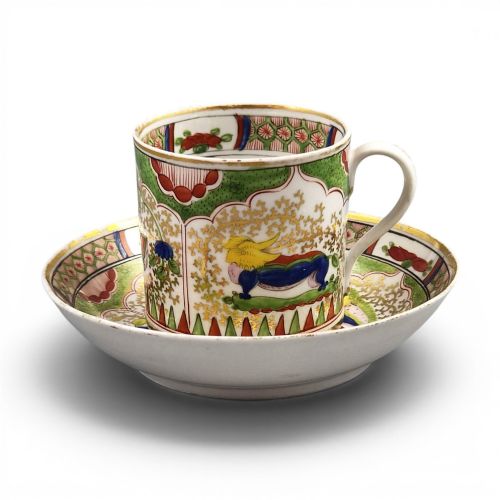
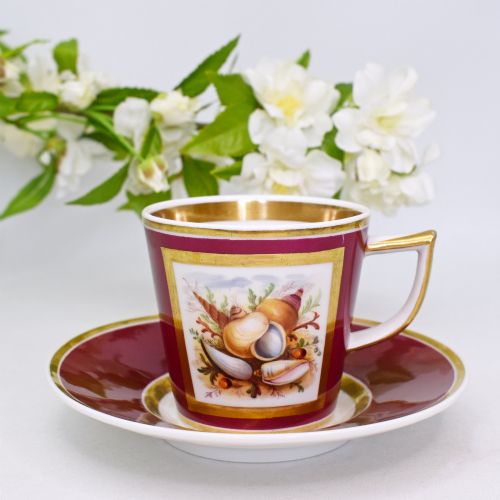
When searching for a regency porcelain cup, collectors encounter an array of teacups and saucers, coffee cans, trios, and lidded chocolate cups originating from English factories and continental makers.
The pieces on this page span the Regency, Georgian, and wider nineteenth-century periods, capturing forms from simple handleless coffee cans to elaborate cabinet cups with stands and covers.
Makers such as Worcester, Spode, Coalport, and Derby dominate the selection, reflecting the high standards of ceramic production during the early eighteen-hundreds.
Materials and Technique
Potters utilised fine porcelain and bone china as the primary body for these vessels, shaping them into delicate teacups, coffee cans, and larger cabinet cups.
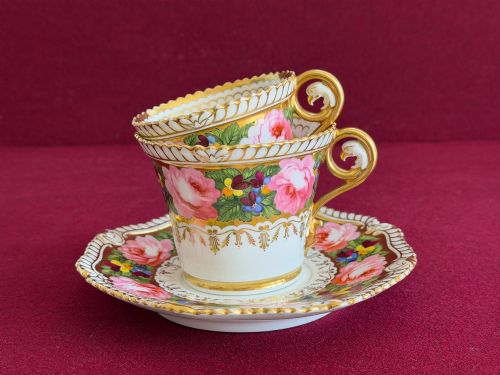
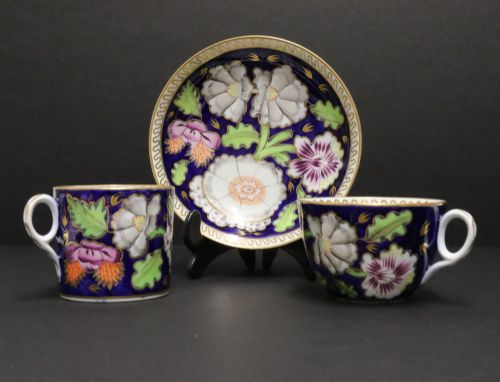
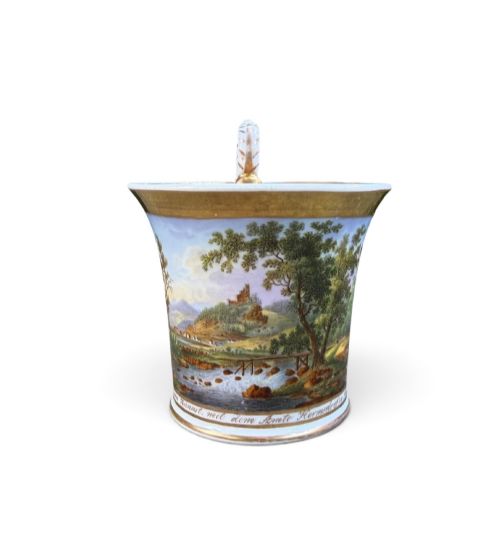
Decoration relied heavily on handpainted enamels, gilding, and gold leaf, often combining rich Imari palettes, topographical scenes, and botanical studies.
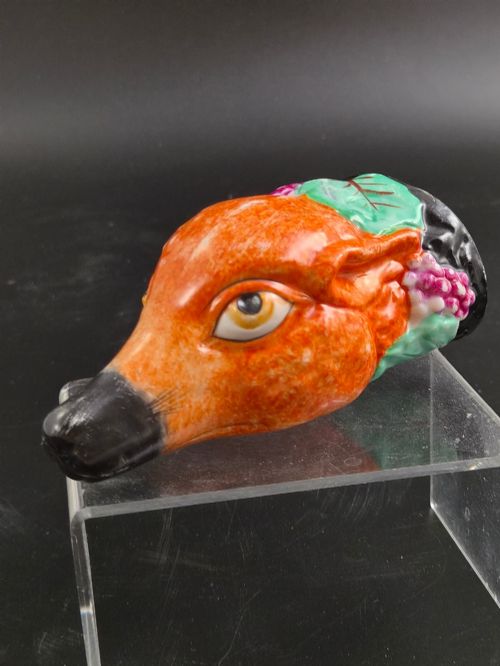
Several playful pieces take the literal shape of animals, including fox head stirrup cups and dragon-decorated compartments.
Judging Quality
Quality in these ceramics rests on the crispness of the porcelain body, the precision of the handpainted details, and the lavishness of the gilding.
Superior examples feature intricate pictorial panels, such as landscapes or botanical portraits, executed by skilled hands rather than standard transfer printing.
H & R Daniel·Chamberlain Worcester·Spode·Coalport·Derby·Flight Barr And Barr·New Hall·Minton·Rockingham·Davenport·Ridgway
The Regency Porcelain Cup Glossary
- Cabinet cup
- A decorative cup made primarily for display in a cabinet rather than for daily tea or coffee service.
- Coffee can
- A straight-sided, cylindrical cup designed specifically for drinking coffee, typically narrower than a teacup.
- Trio
- A matched set consisting of a teacup, a coffee cup, and a saucer.
- Imari
- A decorative style inspired by Japanese export wares, featuring rich cobalt blue, iron red, and abundant gilding.
- Gilding
- The application of gold leaf or gold paint to highlight rims, handles, and painted panels.
Regency Porcelain Cup: Frequently Asked Questions
What is a regency porcelain cup?
A regency porcelain cup is a fine ceramic drinking vessel or cabinet piece produced during the early nineteenth century, encompassing teacups, coffee cans, and chocolate cups.
These items reflect the neoclassical and decorative tastes of the Georgian and Regency eras, often featuring handpainted scenes and intricate gilding.
How were these cups used?
Many of these pieces formed part of larger tea and coffee services used in affluent households for social gatherings and morning rituals.
Lidded chocolate cups and cabinet cups served more specialised roles, sometimes functioning as ornamental display items rather than utilitarian tableware.
How do I care for antique porcelain?
Antique porcelain requires gentle hand washing in lukewarm water with mild soap, avoiding dishwashers and harsh abrasive sponges entirely.
Keep gilded and handpainted pieces away from direct sunlight and extreme temperature shifts to protect the delicate enamels and gold leaf.
How can I tell periods apart?
Periods are identified through factory marks, stylistic shifts from neoclassical severity to ornate floral patterns, and changes in porcelain body composition.
Consulting pattern numbers and documented factory dates helps narrow down the exact decade of manufacture.