
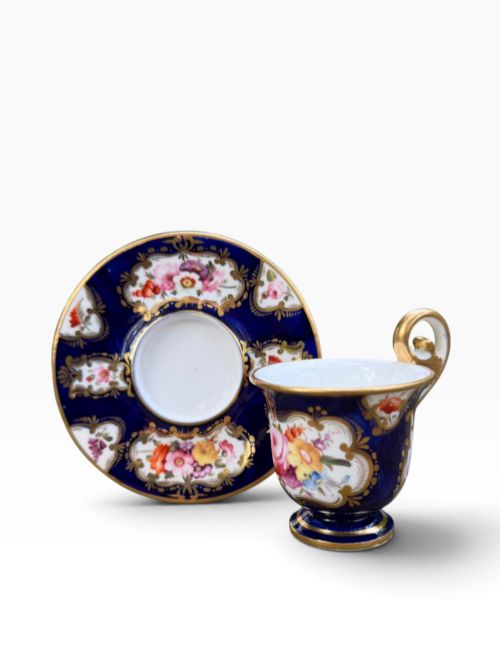
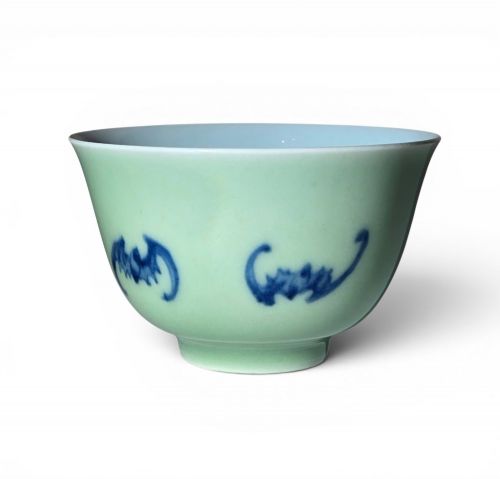


Cobalt Blue Teacup
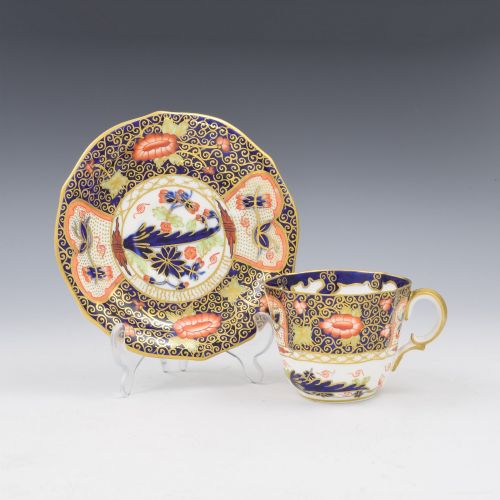
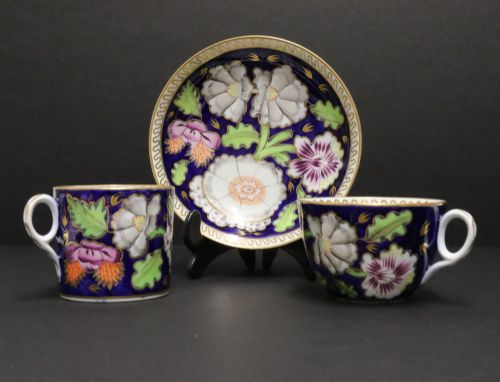
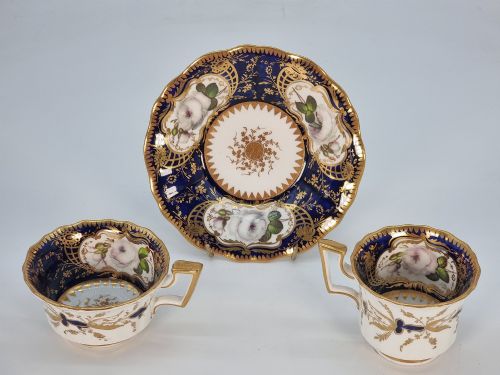
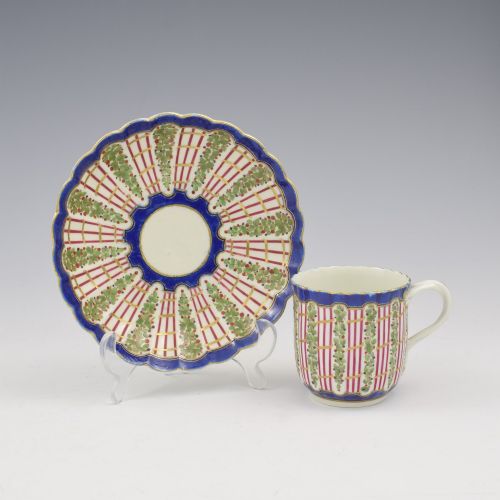
These cobalt blue teacup examples bring deep glazed colour and rich historic ceramic work straight to your table.
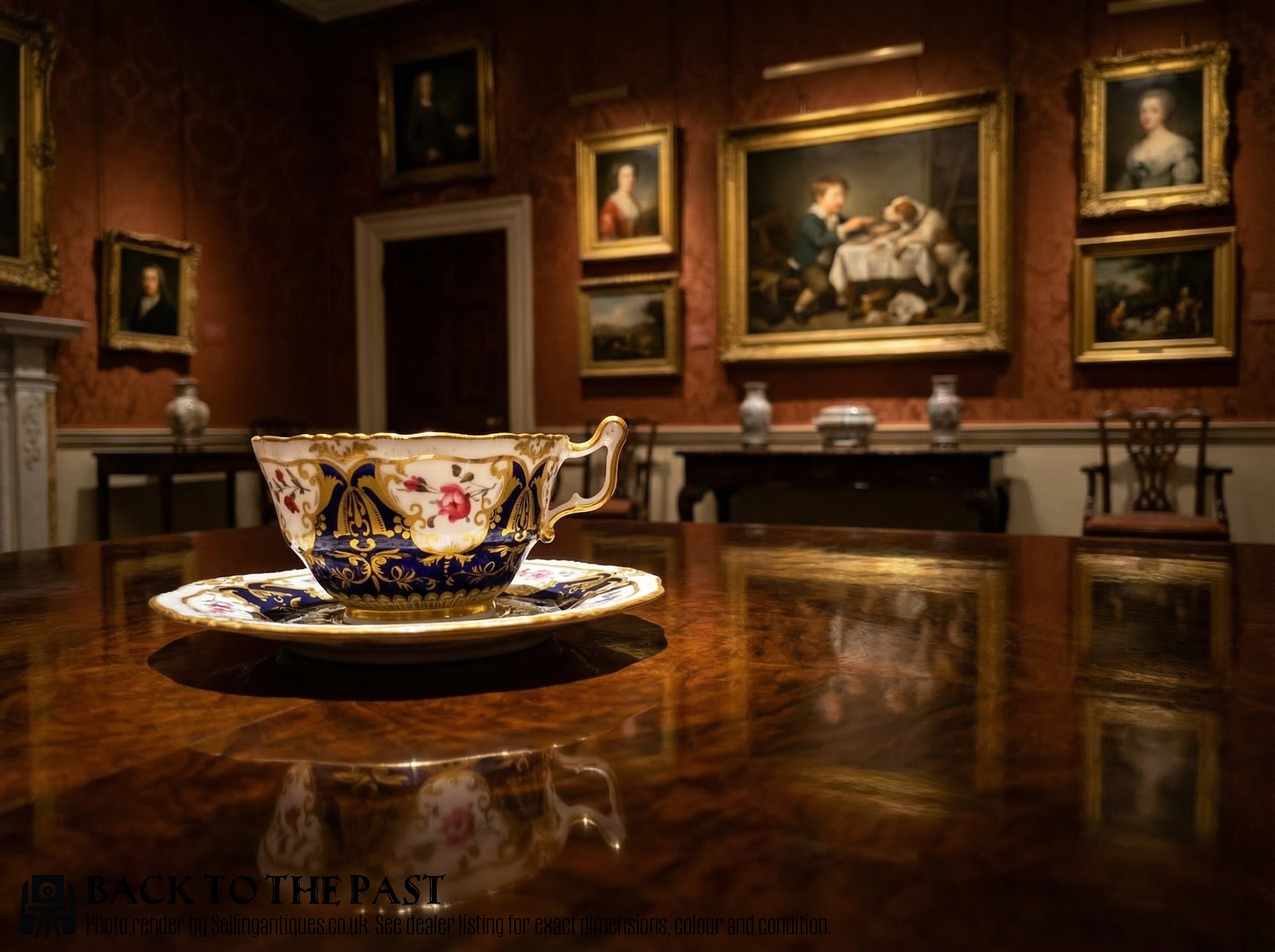
Cobalt Blue Teacup
A cobalt blue teacup brings together centuries of ceramic traditions, featuring prominently in tea bowls, cabinet cups, and full trios across this selection. You will encounter pieces spanning the eighteenth century, Regency period, and Victorian era, reflecting diverse manufacturing origins.
The objects take various forms including standard teacups and saucers, coffee cups, tea bowls, and miniature solitaire sets. English factories dominate the available styles, alongside Chinese, Japanese, Russian, and Bohemian examples.
How they were made
Makers utilised porcelain, bone china, and soft-paste porcelain as the primary body materials, shaping them into delicate tea vessels. Underglaze cobalt provided the deep blue pigment applied before firing.
Artisans added gold leaf, gilding, and hand-enamelled details over the glaze to accentuate the rich blue backgrounds. Skilled hands painted intricate patterns such as bat wings, hop trellises, and landscape motifs onto the ceramic surfaces.
Cobalt Blue Teacup Retail Price Guide 2026
Typical asking prices for cobalt blue teacup among the pieces listed under this phrase on Sellingantiques today, from the lower quarter to the upper quarter. They describe what is for sale here now, not the wider market.
Materials recorded across these items include enamel, gold leaf, soft-paste porcelain, and hand-applied gilding.
What varies in quality
Quality rests upon the depth and uniformity of the cobalt ground colour, alongside the precision of the hand-gilding and enamel work. Superior examples show crisp painting and refined potting without firing distortions.
The prestige of the maker and the preservation of delicate gold leaf details distinguish finer cabinet pieces from standard utility wares. Earlier eighteenth-century soft-paste bodies and marked factory pieces generally command greater attention.
Royal Crown Derby·Newhall·Coalport·Worcester·Flight Barr And Barr·Gardner Moscow Factory·Moser·Masons·Yates·Spode·Lowestoft
The Cobalt Blue Teacup Glossary
- Cabinet cup
- A decorative teacup made primarily for display rather than daily tea drinking. These pieces often feature richer gilding and finer painting.
- Soft-paste porcelain
- An artificial porcelain mixture used by early European factories before the discovery of true hard-paste porcelain. It has a warmer tone and a softer glaze.
- Gilding
- The application of gold leaf or gold powder to ceramic surfaces for decoration. On antique teacups, this is often burnished by hand to achieve a subtle shine.
- Tea bowl
- A handleless drinking vessel used before the widespread adoption of handled teacups in the West. They are common in eighteenth-century sets.
- Underglaze
- Pigment applied to the ceramic body before the glaze is fired in the kiln. This technique protects the blue colour beneath a glassy layer.
Cobalt Blue Teacup: Frequently Asked Questions
Are these teacups safe to use for tea?
Most antique porcelain teacups can hold warm liquid, but older soft-paste bodies and delicate gold leaf require careful hand washing. Many collectors prefer to keep delicate cabinet cups for display only.
Thermal shock can crack antique ceramics, so avoid pouring boiling water directly into cold eighteenth-century cups.
How do I date an antique teacup?
Dating relies on factory marks, paste composition, and stylistic clues like handle shapes and saucer depths. Eighteenth-century pieces often lack handles entirely as tea bowls.
Consulting recorded patterns and known factory periods helps narrow down the year of production.
What is the difference between a trio and a duo?
A duo consists of a teacup and a matching saucer. A trio includes the teacup, the saucer, and an additional matching side plate for small cakes.
Trios became particularly popular during the Regency and Victorian periods for formal tea service.
Why is cobalt blue prominent on old porcelain?
Cobalt oxide is one of the few mineral pigments stable enough to withstand the extreme temperatures required to fire porcelain. This made it the reliable choice for deep blue underglaze decoration across Asian and European kilns.