
Antique Porcelain Tea Set
When you handle an antique porcelain tea set, you hold the social rituals of Georgian, Regency, and Victorian parlours in your hands.
Antique Porcelain Tea Set
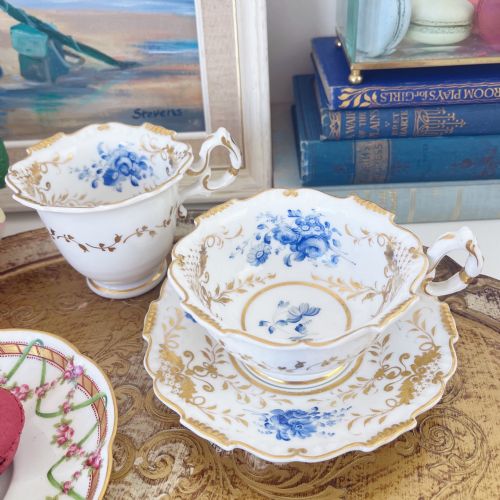
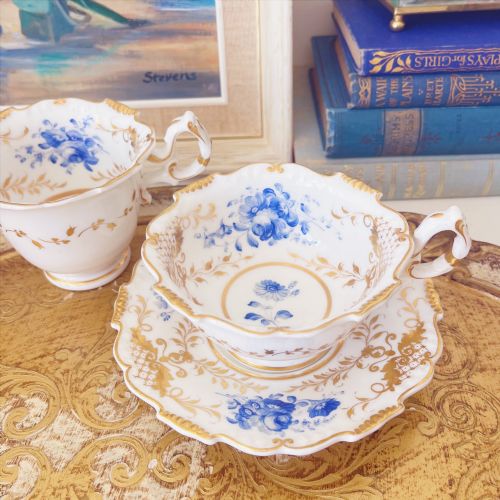
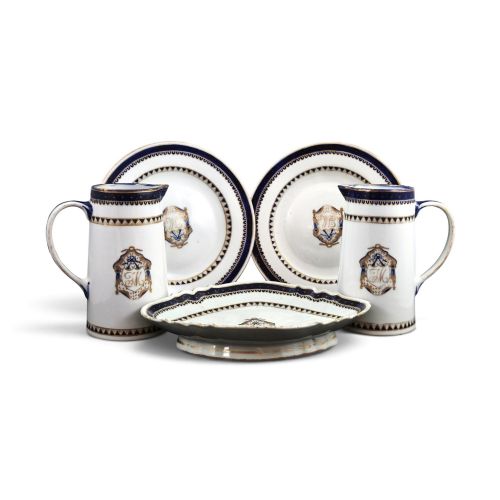
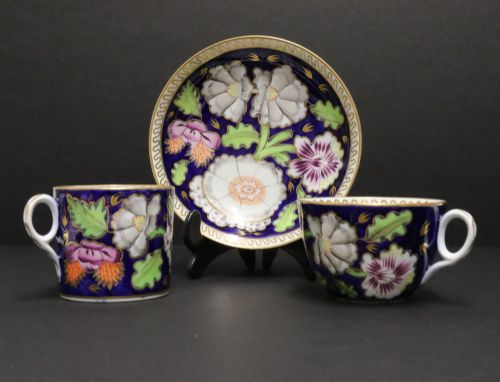
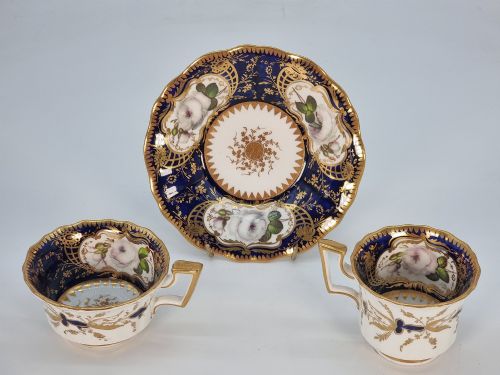
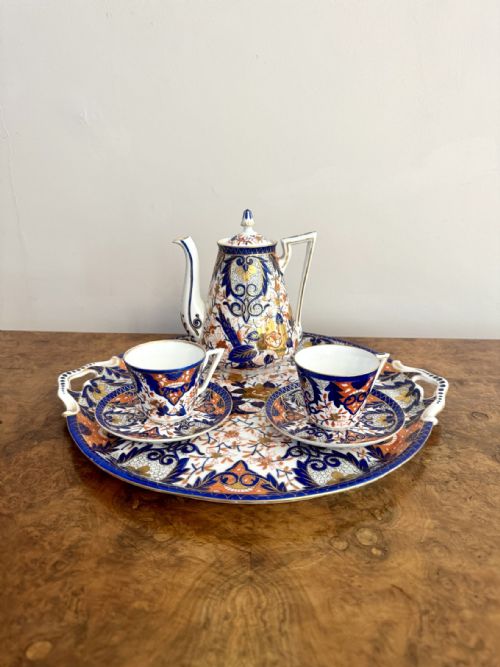
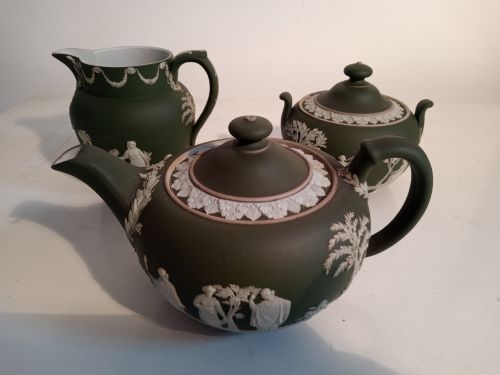
An antique porcelain tea set comprises coordinated vessels designed for the formal serving of tea, ranging from full afternoon services to smaller trios and duets. You will frequently encounter nineteenth-century English and continental examples on this page, spanning Georgian elegance through to Edwardian and Art Deco developments.
Materials and production techniques
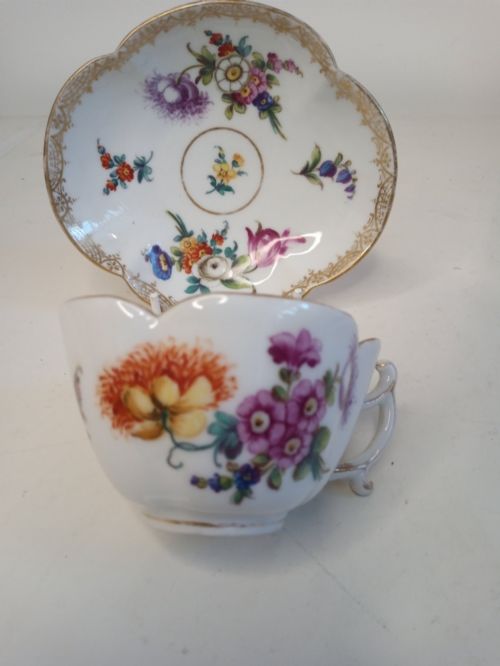
Potters utilised hard-paste porcelain, bone china, and fine earthenware, shaping vessels that combined delicate translucency with structural durability. Artisans applied hand-painting, transfer printing, and rich enamel decoration directly onto the ceramic body.
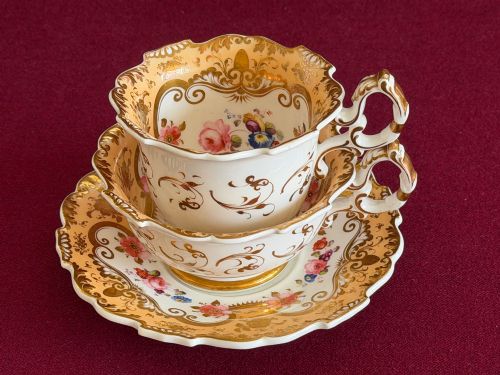
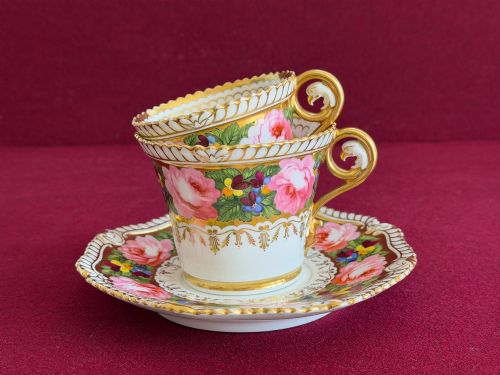
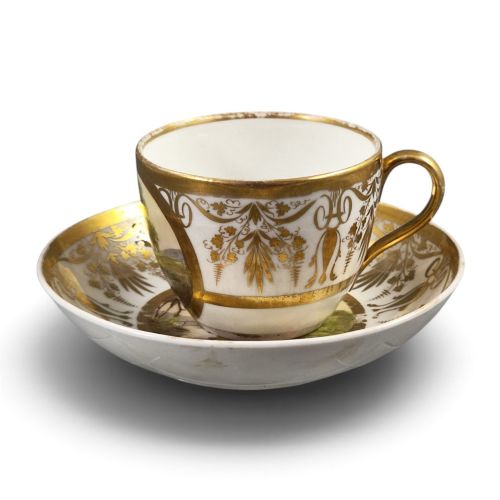
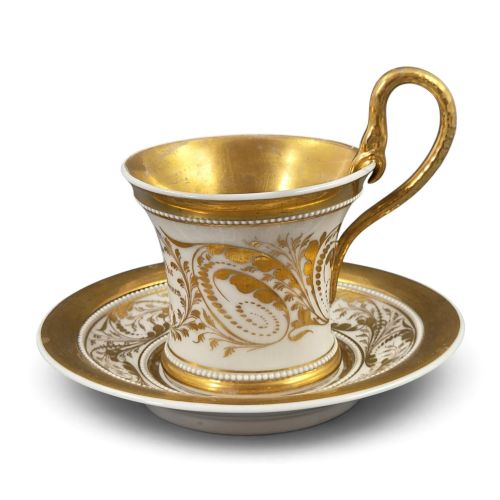
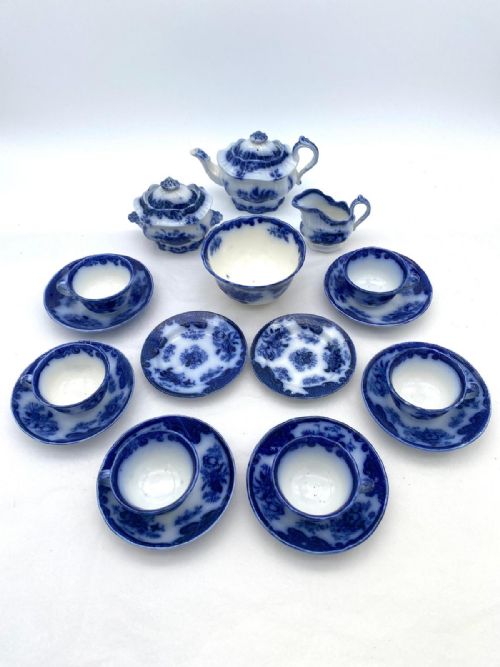
Gilding with gold leaf and gilt accents frequently highlights rims, handles, and intricate motifs, often fired multiple times to achieve a lasting metallic lustre. Cobalt blue underglaze techniques, such as flow blue, created soft, bled patterns during the firing process.
Antique Porcelain Tea Set Retail Price Guide 2026
Typical asking prices for porcelain tea set among the pieces listed under this phrase on Sellingantiques today, from the lower quarter to the upper quarter. They describe what is for sale here now, not the wider market.
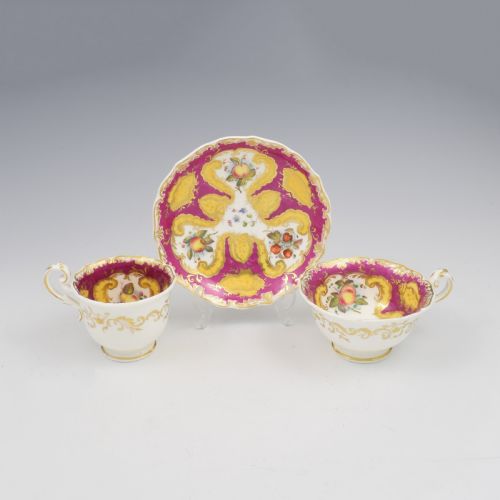
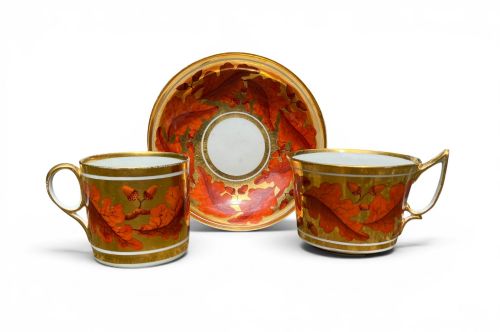
Certain early nineteenth-century trios thoughtfully included both a teacup and a coffee cup for drinkers who desired two distinct brews at once.
Distinctions in quality and execution
The superiority of a service rests upon the crispness of the porcelain moulding, the refinement of the ceramic body, and the precision of the hand-painted details. Finer sets display meticulous brushwork, vibrant enamel saturation, and carefully integrated gilding that has resisted heavy wear.
Maker attribution and pattern complexity further elevate an assemblage, distinguishing standard commercial production from bespoke presentation pieces and cabinet trios commissioned from celebrated English and European manufactories.
H & R Daniel·Chamberlain Worcester·Newhall·Coalport John Rose·KPM Berlin·Minton·Sevres·Royal Worcester·Flight Barr & Barr·Royal Davenport·Burgess Bros Carlisle Ware·Rudolf Kampfs·Royal Crown Derby
The Antique Porcelain Tea Set Glossary
- Trio
- A matched set consisting of a teacup, a coffee cup, and a saucer. These pieces allowed drinkers to alternate between beverages during formal morning or afternoon repasts.
- Bone china
- A type of porcelain incorporating bone ash, which yields a strong, brilliant white body with high translucency. This material dominated British ceramic production through the nineteenth century.
- Gilding
- The application of gold leaf or powdered gold to ceramic surfaces for decorative emphasis. Finer examples show thick, hand-burnished gold rather than flat metallic paint.
- Hard-paste porcelain
- A durable ceramic composed of kaolin and petuntse fired at extremely high temperatures. European factories developed this formula to replicate prized imports from East Asia.
- Transfer printing
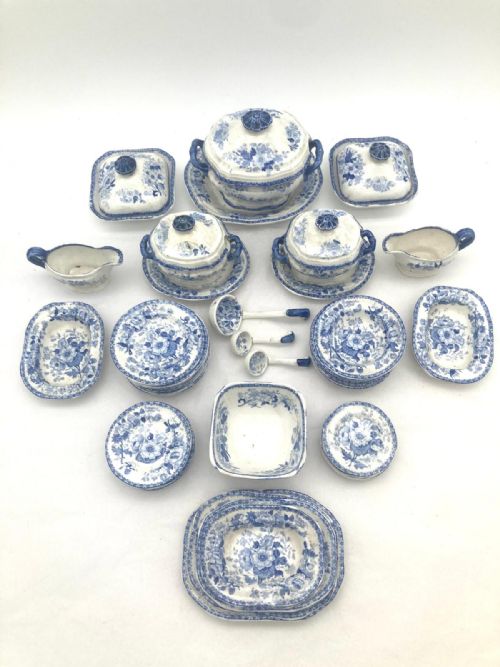
- A mechanical method of applying complex designs to pottery by transferring ink from a copperplate onto paper and thence to the ceramic surface. This technique enabled uniform patterns across large dining and tea services.
Antique Porcelain Tea Set: Frequently Asked Questions
What is the difference between a tea set and a coffee service?
Tea services typically comprise teapots, wider cups suited for infusion, and matching sugar bowls and creamer jugs designed for social gatherings.
Coffee services feature taller, narrower cups and dedicated pots engineered to retain heat for stronger brews.
How do I care for antique porcelain daily?
Wash delicate porcelain by hand in lukewarm water using a mild detergent, placing a towel at the bottom of the sink to cushion the fragile foot rims.
Avoid dishwashers and harsh scouring pads, which will erode delicate hand-painted enamels and antique gilding over time.
Can I use an antique tea set for actual dining?
Many sturdy nineteenth-century and early twentieth-century sets remain entirely functional for occasional gentle use during special afternoon teas.
However, fragile eighteenth-century or heavily gilded cabinet pieces are better preserved strictly for display and collection.
How do I identify the period of a porcelain set?
Examine the ceramic base for factory marks, pattern numbers, and impressed ciphers that correspond to known operational dates of the maker.
Stylistic cues such as Regency shapes, Victorian floral transfers, or Art Deco geometric motifs further narrow down the decade of manufacture.