
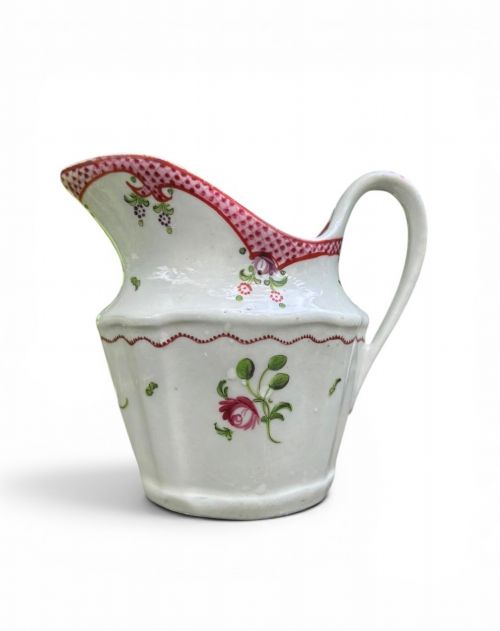
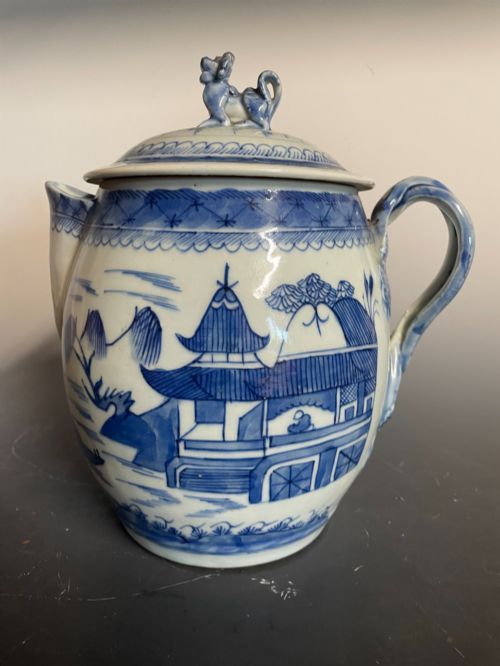


Antique Porcelain Milk Pitcher
An antique porcelain milk pitcher brings eighteenth and nineteenth-century craftsmanship directly to the table.
Antique Porcelain Milk Pitcher
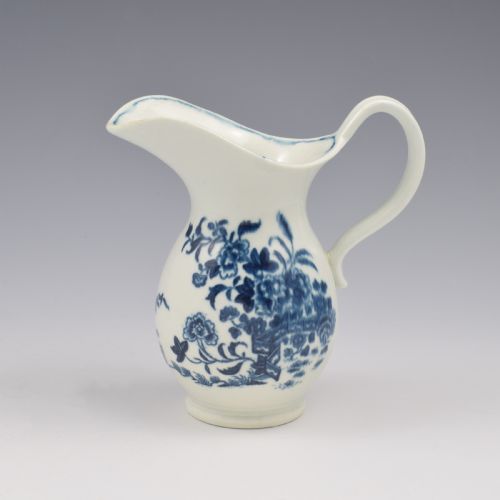
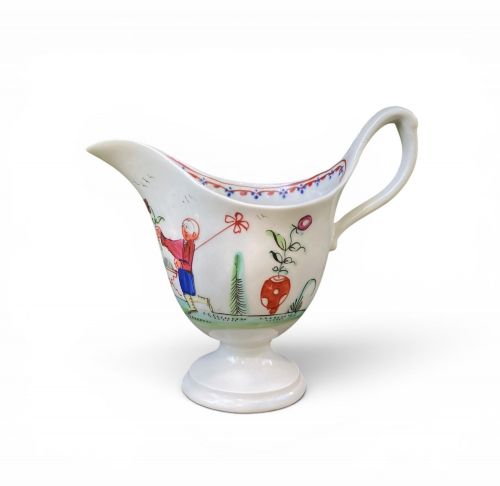
An antique porcelain milk pitcher represents the small utilitarian vessels used for serving cream and milk at the dining table during the Georgian, Regency, and Victorian eras. These functional objects range from small sparrow-beak creamers to larger baluster jugs produced by major English and European factories.
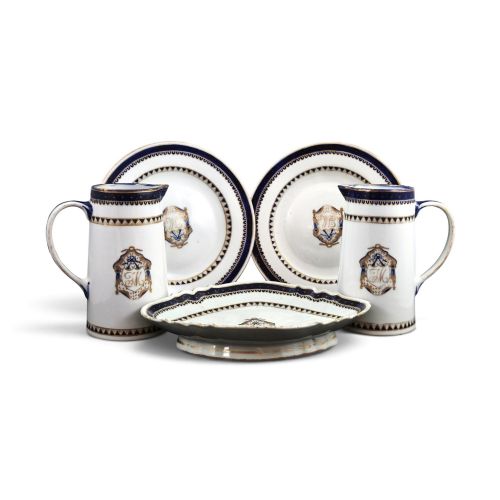
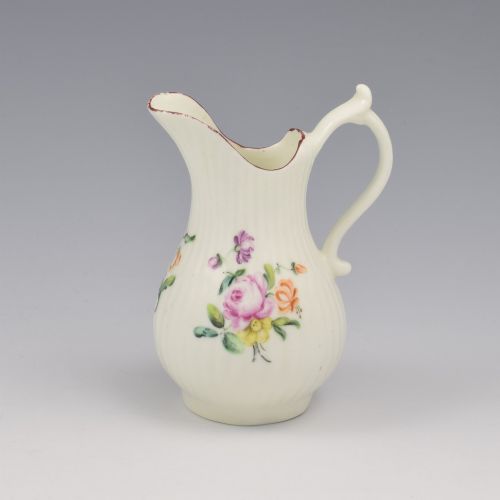
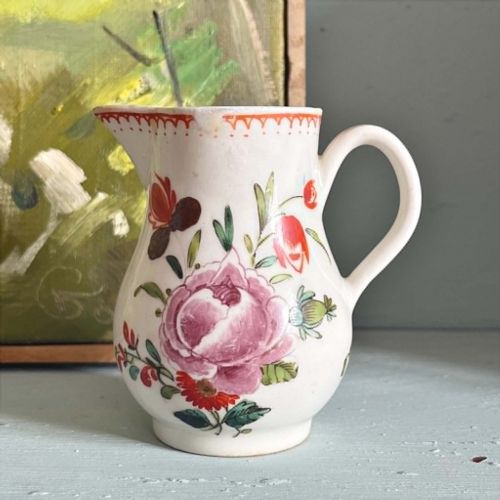
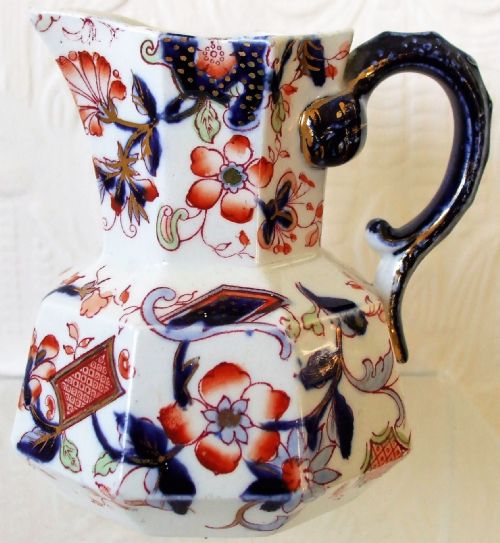
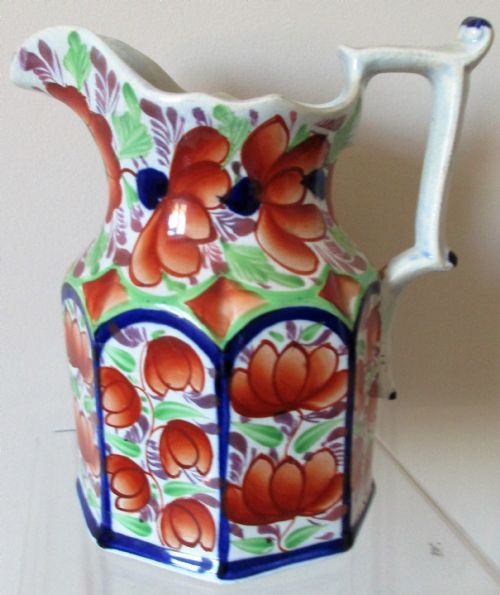
The pieces most frequently met on this page date from the eighteenth century through to the late nineteenth century, encompassing soft-paste porcelain, hard-paste porcelain, and occasional earthenware alternatives. Forms include classical hydra shapes, fluted bodies, and clip-handled vessels decorated with hand-painted flora, landscapes, and armorial crests.
Makers span renowned English porcelain works like Worcester, Derby, and New Hall alongside continental factories such as Meissen and Chinese Export wares made for the Western market. Buyers find both domestic tea service components and decorative pitchers bearing intricate gilding or enamel glaze details.
Assessing quality in ceramic jugs
Quality rests upon the crispness of the porcelain moulding, the refinement of the paste, and the skill evident in the hand-painting. Superior examples exhibit precise brushwork in floral panels or armorial crests rather than mechanical transfers.
The balance of the handle, the thinness of the pouring lip, and the retention of original gilding without excessive rubbing distinguish superior factory output from standard domestic wares.
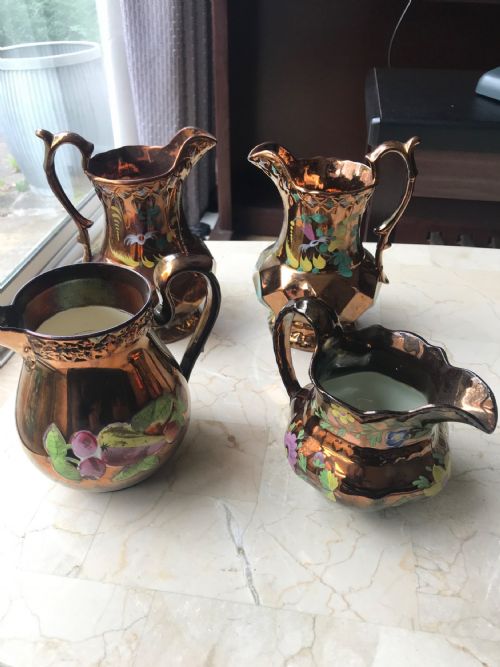
Materials recorded across the inventory include porcelain, earthenware, enamel glaze, and gold leaf applied to jugs of various forms.
Dr Wall Worcester·New Hall·Keeling and Co·Masons·H and R Daniel·Royal Worcester·Chamberlain Worcester·John Rose Coalport·Crown Derby·Meissen
The Antique Porcelain Milk Pitcher Glossary
- Sparrow-beak
- A small eighteenth-century cream jug featuring a distinctive pinched spout resembling a bird beak. These delicate vessels are typical of early porcelain tea sets.
- Soft-paste porcelain
- An artificial porcelain composition fired at lower temperatures than hard paste, developed in Europe to imitate Chinese porcelain. It often displays a warm, slightly creamy translucency.
- Hydra jug
- A ceramic pitcher featuring a distinctive snake-handled form derived from classical antiquity. These vessels gained popularity during the Georgian and Victorian periods.
- Armorial
- A ceramic design incorporating family coats of arms or crests. These custom-ordered pieces were frequently commissioned from Chinese Export and English factories.
- Gilding
- The application of gold leaf or gold paint to ceramic surfaces. This decorative technique highlights rims, handles, and painted panels on fine tableware.
Antique Porcelain Milk Pitcher: Frequently Asked Questions
How do I identify Dr Wall Worcester?
Dr Wall period Worcester porcelain from the eighteenth century is identified by its fine body, characteristic soft glaze pooling, and often delicate painted floral or bird motifs. Early pieces frequently bear crescent or square fret imitation Chinese marks.
Examine the base and handle attachment for the distinct potting characteristics of the 1750 to 1780 period, distinguishing them from later nineteenth-century revivals.
Were these milk pitchers used daily?
Many of these vessels formed part of larger tea or breakfast services used regularly in prosperous Georgian and Victorian households. Over time, milk jugs and creamers often became separated from their matching teapots and cups.
Today, collectors appreciate them both as cabinet display pieces and as functional jugs for serving cream at the modern table.
What is Chinese Export porcelain?
Chinese Export porcelain comprises wares manufactured in China specifically for the European and American markets from the seventeenth through the nineteenth centuries. These pieces combine traditional Chinese ceramic techniques with Western shapes and armorial or monogram designs requested by foreign buyers.
They represent global trade patterns of the period and bridge Asian craftsmanship with Western dining customs.