



18th Century Porcelain Jug
An 18th century porcelain jug brings tangible eighteenth-century craftsmanship to your table, offering delicate hand-painted motifs and historic ceramic forms that collectors prize.
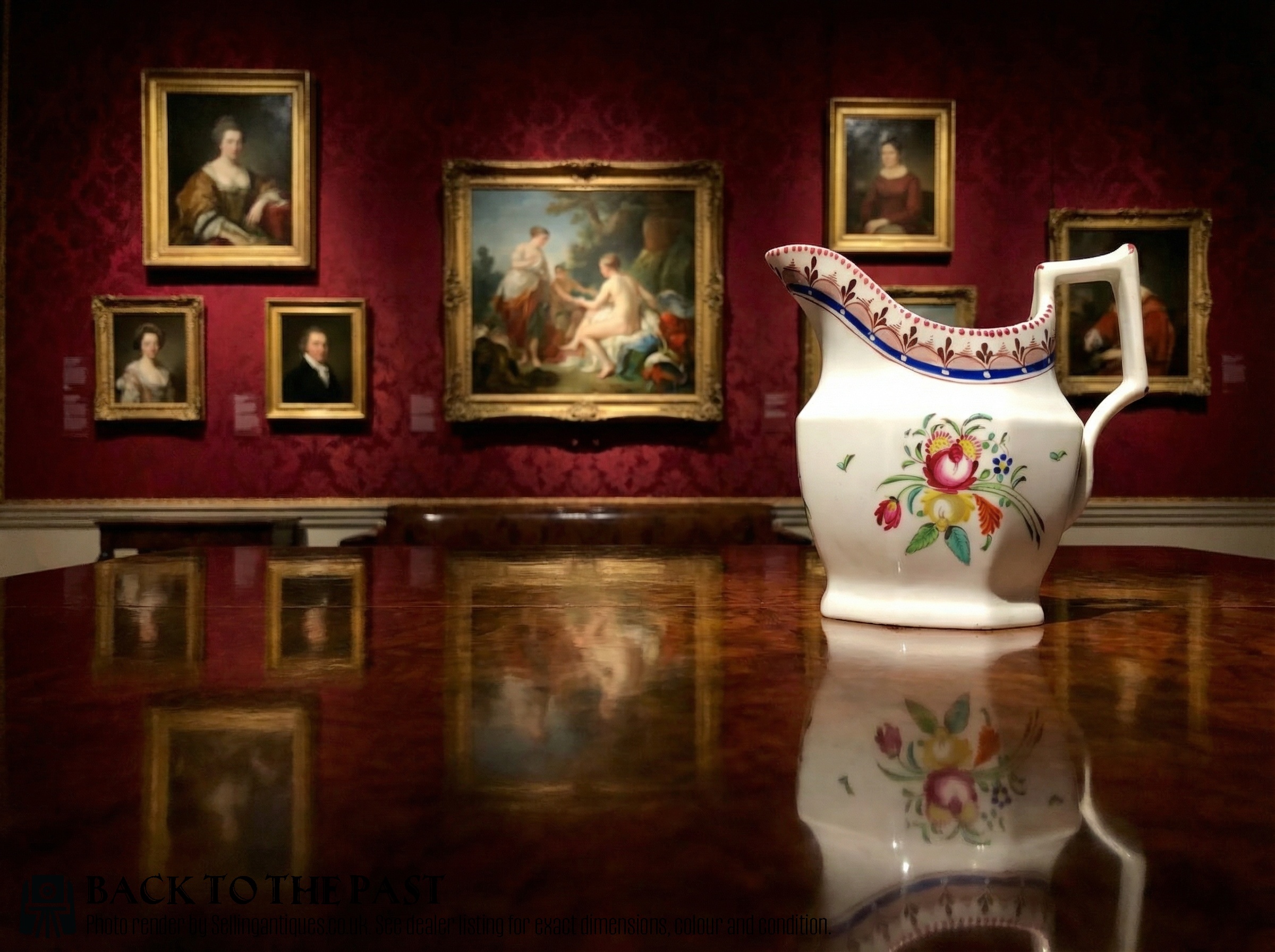
18th Century Porcelain Jug
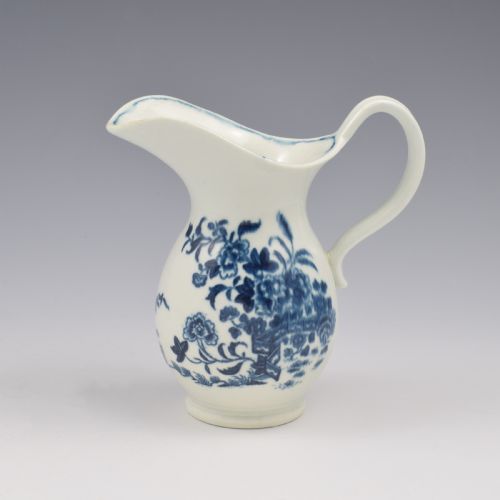
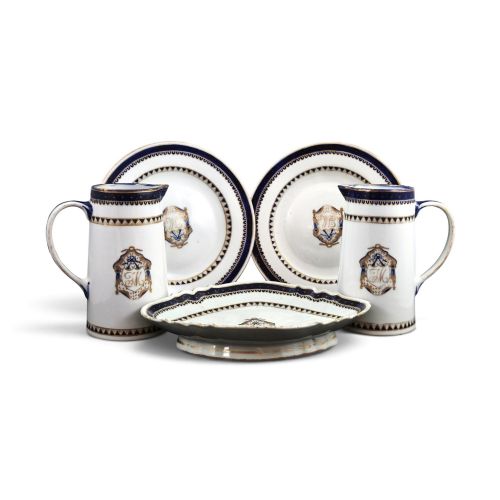
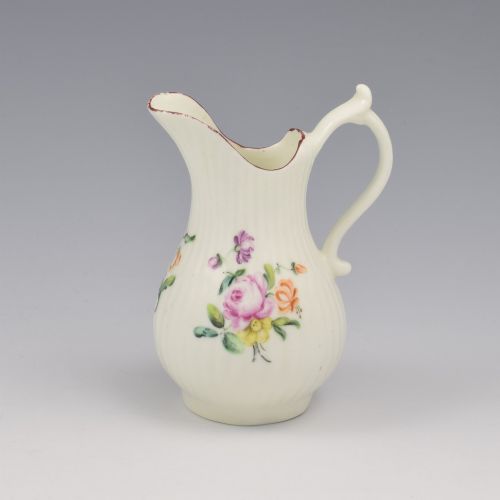
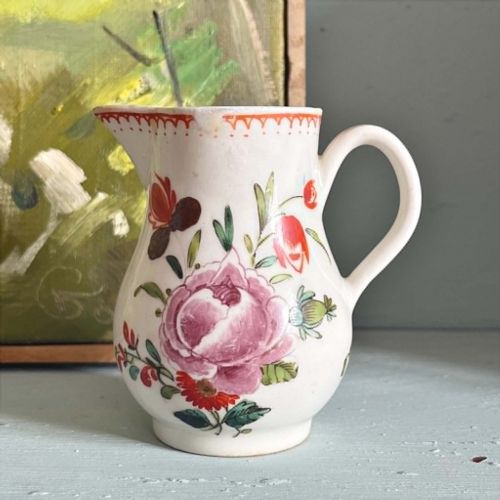
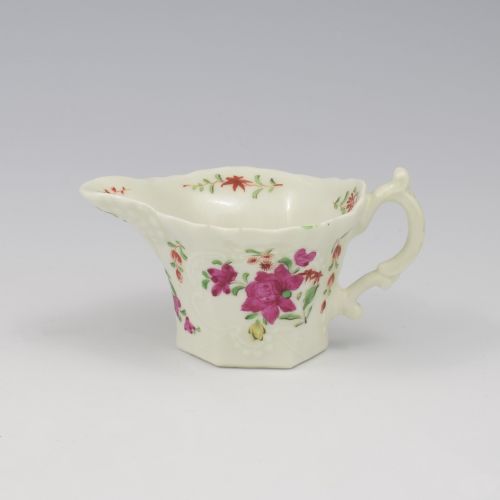
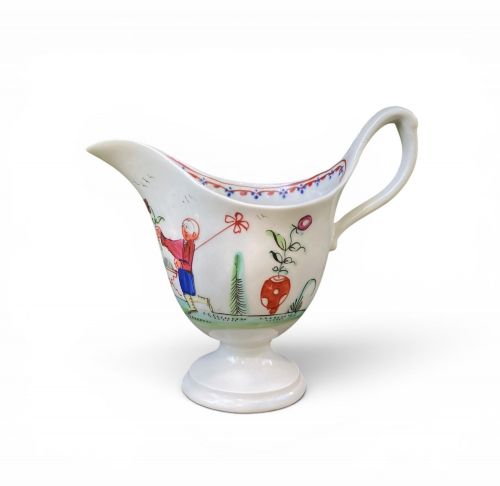
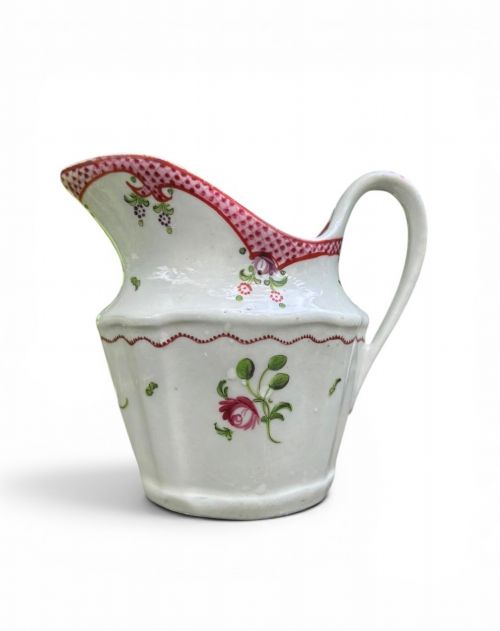
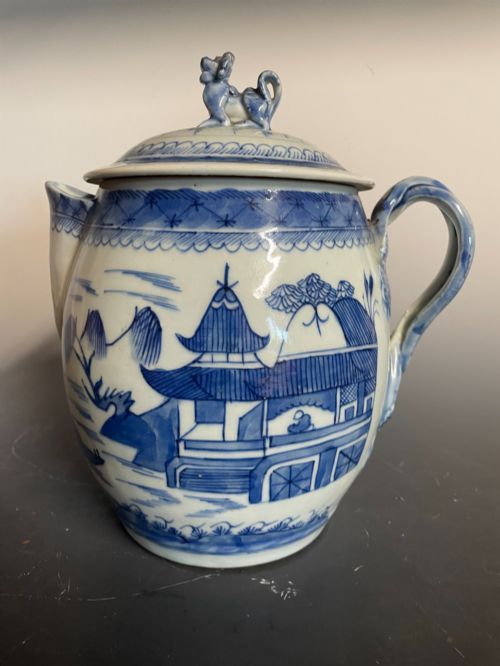
An 18th century porcelain jug represents a specialised vessel category spanning milk jugs, creamers, sparrow-beak pots, and larger ewers used in Georgian dining. You encounter numerous examples from domestic factories like Worcester, Derby, Bow, and New Hall alongside Chinese export wares made for the Western market.
Dating primarily from the 1750s through to the end of the Georgian era, these pieces reflect the rapid commercial expansion of ceramic manufacturing. Makers adapted traditional potting shapes into sophisticated tableware items decorated with hand-painted polychrome enamels, underglaze cobalt, and gilt accents.
Materials and Manufacture
English factories utilised soft-paste porcelain, an artificial clay body composed of white-firing clays, glass frit, and soapstone that required lower firing temperatures than true hard-paste porcelain. Continental and Chinese workshops relied on hard-paste porcelain containing petuntse and kaolin, producing a denser, vitrified body that resisted thermal shock more effectively.
Decorators applied cobalt underglaze pigments before the final glaze firing to achieve deep blue designs, whilst polychrome enamel palettes and gold leaf details were added over the fired glaze and fixed in a second, cooler muffle kiln. This dual-firing technique allowed artisans to incorporate vibrant floral sprays, armorial crests, and figurative scenes across the ceramic surface.
18th Century Porcelain Jug Retail Price Guide 2026
Typical asking prices for 18th century porcelain jug among the pieces listed under this phrase on Sellingantiques today, from the lower quarter to the upper quarter. They describe what is for sale here now, not the wider market.
Decorations across the available pieces range from delicate cobalt underglaze prints and blue floral patterns to rich polychrome famille rose enamels.
Evaluating Quality and Execution
The refinement of the ceramic body and the precision of the hand-painted decoration distinguish superior examples from standard production pieces. Finer pots display crisp moulding on relief elements like dolphin handles and mask spouts, alongside controlled, vibrant enamel brushwork rather than hasty factory painting.
The purity of the porcelain paste and the evenness of the glaze application indicate workshop standards, with better pieces showing minimal kiln distortion or firing specking. Collectors look for scarce specialised shapes, such as low Chelsea ewers or dolphin-handled cream boats, which demonstrate greater ambition from the modeller.
New Hall·Bow·Derby Porcelain·Meissen·Coalport
The 18th Century Porcelain Jug Glossary
- Soft-paste porcelain
- A ceramic body made from artificial mixtures of white clay, glass, and minerals rather than natural china clay. It was widely used by eighteenth-century English factories due to its warm tone and suitability for underglaze painting.
- Sparrow beak
- A small porcelain milk or cream jug characterised by a distinctive, pinched pouring lip resembling a bird's beak. This form is particularly common in eighteenth-century Worcester and Bow tablewares.
- Cobalt underglaze
- A blue metallic pigment applied to the unfired ceramic body beneath a transparent glaze. It withstands high kiln temperatures without fading or running.
- Famille rose
- A palette of opaque rose-pink enamel colours introduced in Chinese ceramics during the Qing dynasty. It allowed artists to render delicate floral and figurative compositions.
- Ewer
- A large jug with a wide spout and looped handle, traditionally used for pouring water or wine. Eighteenth-century versions often incorporate sculptural elements like lamprey or dolphin handles.
18th Century Porcelain Jug: Frequently Asked Questions
How do I identify a soft-paste porcelain jug?
Soft-paste porcelain typically displays a warmer, slightly creamy translucency when held to the light, accompanied by a softer glaze surface that can sometimes show tiny pooling or pinholes under magnification. The unglazed base rim, known as the footring, often reveals a granular texture.
English factories of the eighteenth century relied on this artificial body before true hard-paste manufacturing was widely established in Britain. Testing requires careful observation rather than invasive methods, as these historic bodies lack the stark whiteness and extreme hardness of later porcelain.
What is the difference between a milk jug and a creamer?
In eighteenth-century dining hierarchy, milk jugs and cream jugs served distinct capacities at the tea table, though collectors often use the terms interchangeably today. Creamers were generally smaller vessels designed to hold rich cream, whilst milk jugs possessed a larger volume for everyday tea service.
Form often follows this functional distinction, with sparrow-beak and miniature baluster shapes tending toward creamers, while taller loop-handled pitchers served as milk containers.
Were Chinese export jugs made for the European market?
Chinese export porcelain jugs were produced in large quantities during the Qing dynasty specifically for Western trade through companies like the East India Company. These pieces combined traditional Chinese potting techniques with European-requested shapes and armorial designs.
Artisans in Jingdezhen painted these vessels to order, resulting in fascinating cultural hybrids that bridged Eastern manufacturing expertise with Georgian dining fashions.