


Hand Painted Ceramic Jug
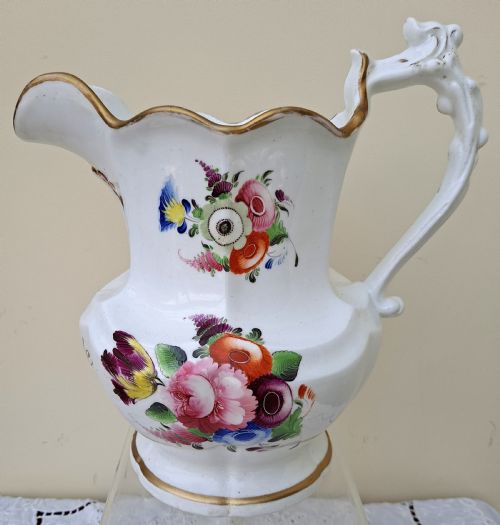
A hand painted ceramic jug brings colour and pattern directly to a table, combining utility with decorative skill.
Hand Painted Ceramic Jug
A hand painted ceramic jug is a functional vessel transformed by applied pigment, spanning forms from small cream jugs to large pitchers and ewers. When you search this phrase, you encounter pieces intended for the table, the pharmacy, or the display cabinet, originating from English potteries, European factories, and Asian kilns.
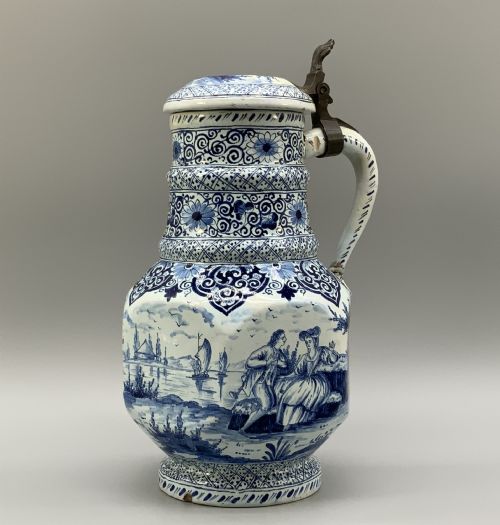
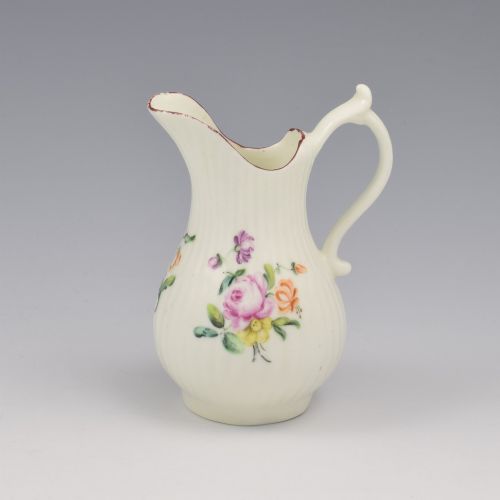
The selections on this page range widely across eras, drawing heavily from the eighteenth and nineteenth centuries. You find Georgian cream jugs alongside Victorian Staffordshire earthenware, Dutch delftware vessels, and pieces bearing the marks of Worcester, Derby, and Royal Worcester.
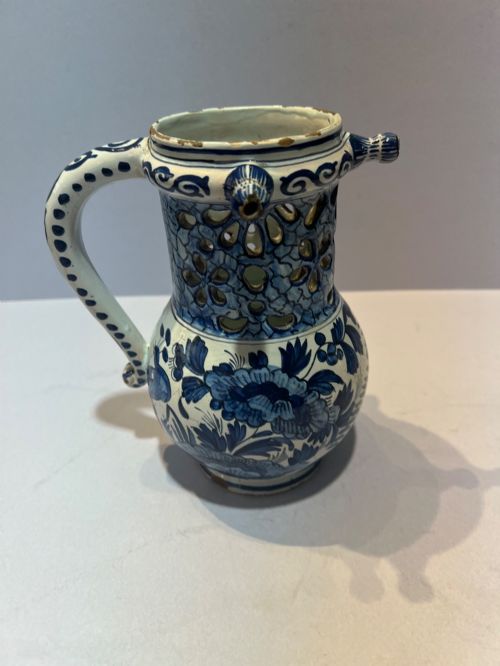
Forms vary according to their original domestic or commercial use. Some pieces take the shape of sculptural toby jugs and puzzle jugs, while others adopt standard baluster, pouch, or cleft silhouettes designed for pouring milk, water, or wine.
How they were made
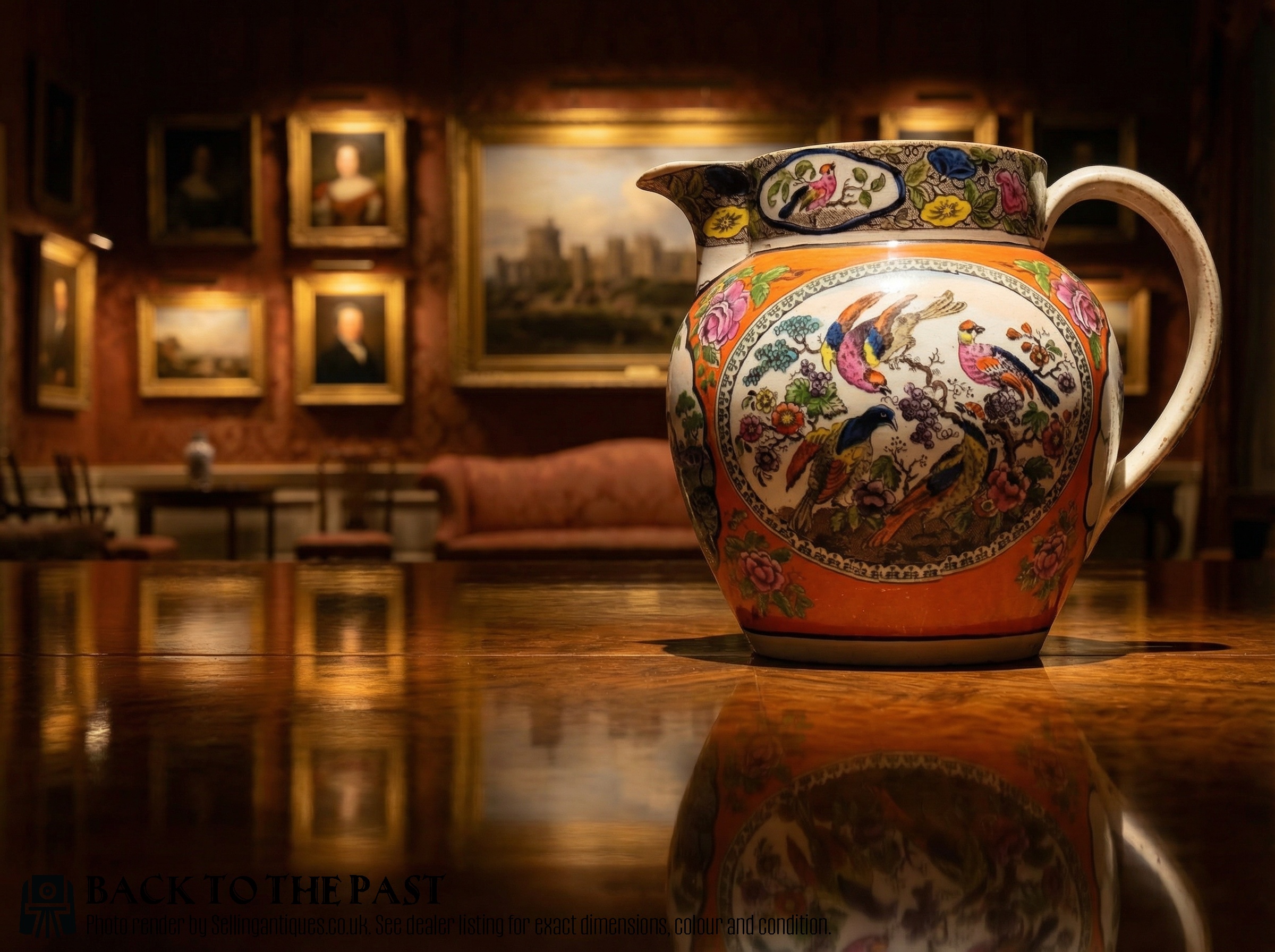
Potters shaped these vessels using earthenware, ironstone, pearlware, and porcelain bodies, frequently employing moulds such as cabbage leaf designs or fluted ribs. The surfaces were then coated with tin glazes, standard transparent glazes, or enamel layers before receiving hand-applied decoration.
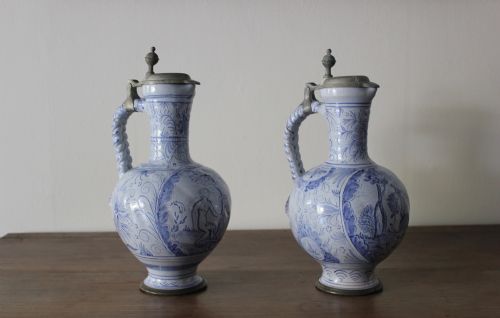
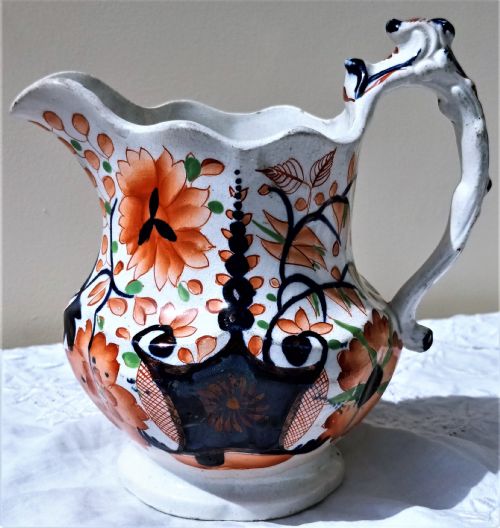
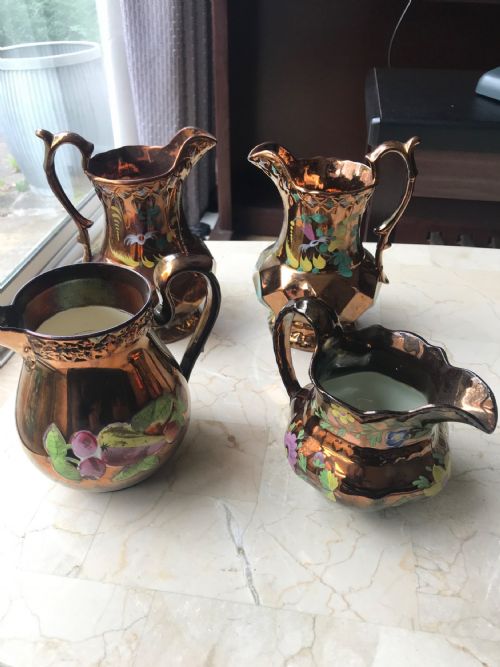
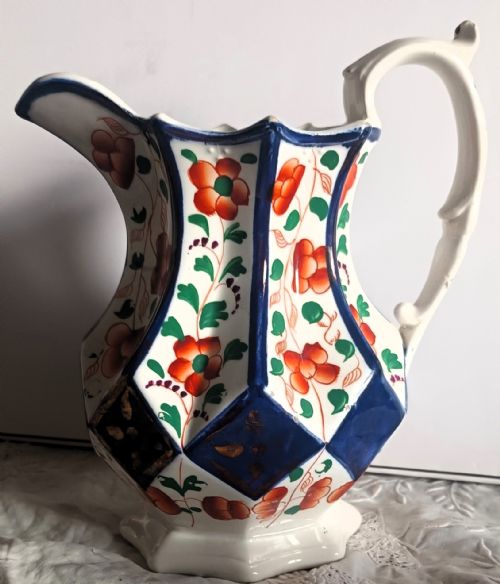
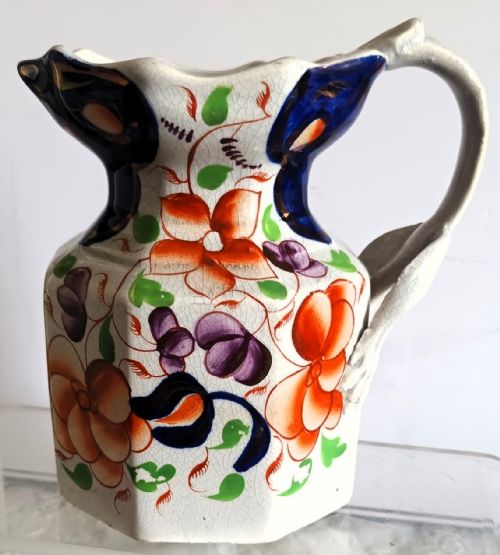
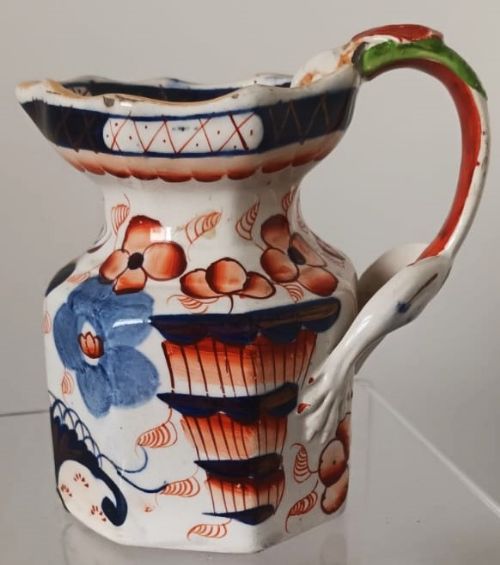
Artisans applied pigments by hand, utilising cobalt blue for delftware, polychrome palettes for Gaudy Welsh and Majolica patterns, and copper lustre or gold leaf highlights. Firing in kilns fixed the painted designs beneath or above the glaze, depending on whether the factory produced soft-paste porcelain, hard-paste porcelain, or refined pottery.
Hand Painted Ceramic Jug Retail Price Guide 2026
Typical asking prices for hand painted ceramic jug among the pieces listed under this phrase on Sellingantiques today, from the lower quarter to the upper quarter. They describe what is for sale here now, not the wider market.
Several jugs double as puzzle vessels, designed with hidden spouts meant to surprise unsuspecting drinkers at the tavern.
What varies in quality
The standard of a hand painted ceramic jug depends heavily on the precision and control of the brushwork. Skilled painters executed crisp armorial crests, detailed topographical views, and complex floral motifs, whereas lower-tier examples display hurried strokes and muddy colour blending.
Material preparation and firing success also determine grade. Top-tier pieces from factories like Derby, New Hall, or Royal Worcester exhibit fine, thin porcelain bodies and even glaze surfaces without kiln ash or heavy warping, while simpler earthenware versions rely on heavier, thicker walls and simpler decorative applications.
Derby Porcelain·New Hall·Chamberlain Worcester·Royal Worcester·Doulton Burslem
The Hand Painted Ceramic Jug Glossary
- Tin glaze
- An opaque white glaze containing tin oxide, used extensively on delftware and majolica to provide a smooth white background for painted pigments.
- Cream jug
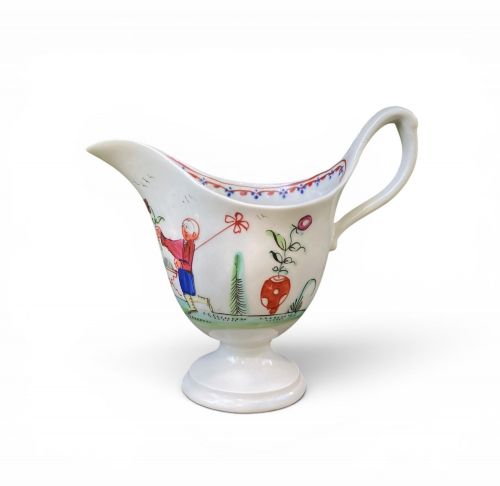
- A small vessel designed specifically for serving cream at the tea table, typically dating from the Georgian and Regency periods.
- Ewer
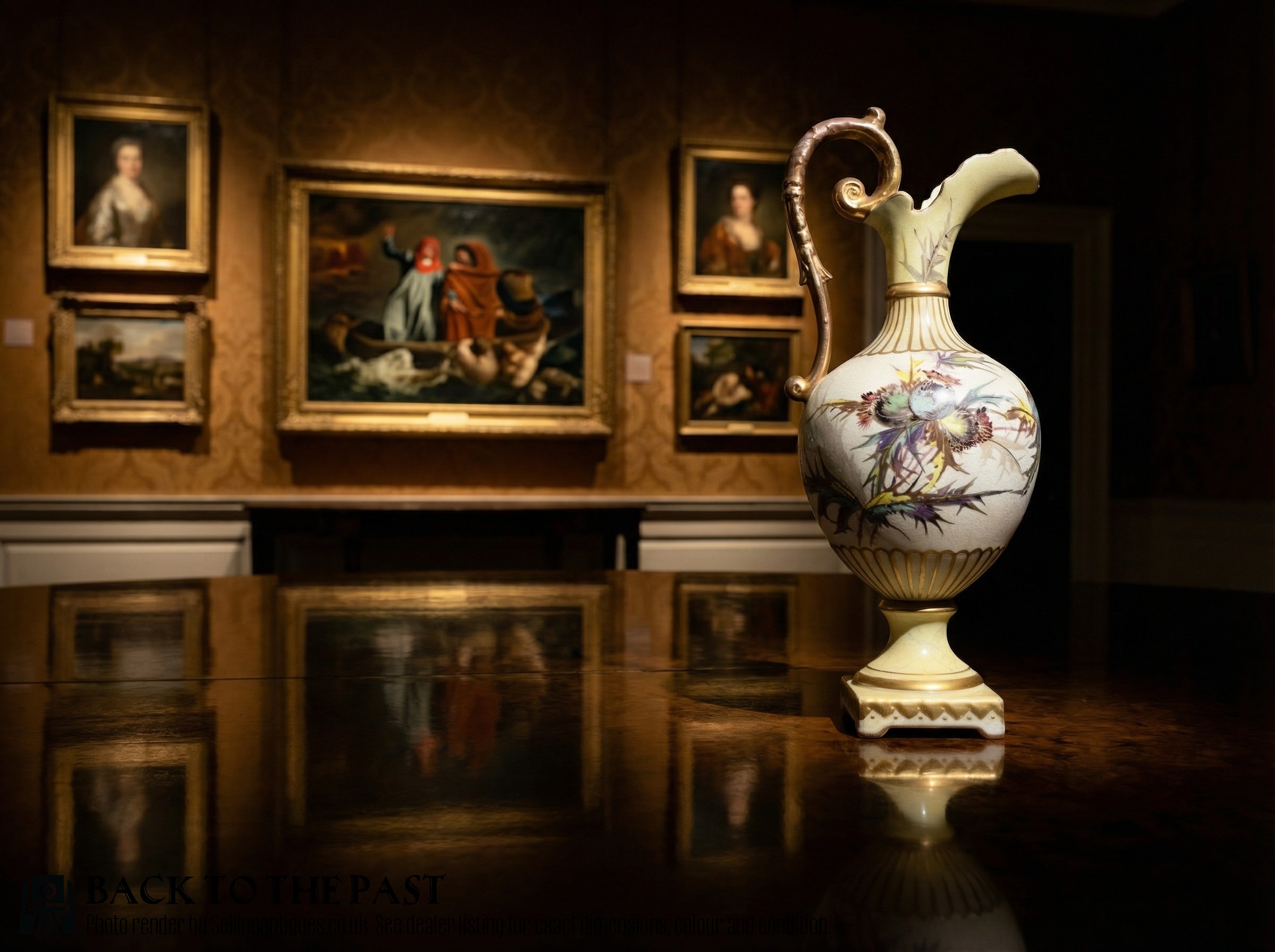
- A large pitcher with a flared spout and a decorative handle, historically used for pouring water at a washstand or dining table.
- Toby jug
- A pottery jug shaped as a jovial, seated figure holding a mug and a pipe, popular in eighteenth and nineteenth century Staffordshire.
- Copper lustre
- A metallic pottery glaze containing copper that produces a reflective, coppery sheen when fired in a reduced oxygen atmosphere.
Hand Painted Ceramic Jug: Frequently Asked Questions
How do I date a jug?
Dating relies on identifying the ceramic body type, the glaze characteristics, and any factory marks stamped or painted on the base. Stylistic clues such as Regency shapes or Victorian transfer and hand-painted combinations also narrow the timeframe.
Comparing the potting technique with known factory periods helps place the piece within the eighteenth or nineteenth century. Unmarked items require a careful look at the paste and decorative palette.
Can I use these for serving?
Many of these vessels were made for daily domestic use, such as pouring milk or water at the table. However, age, hairline cracks, and fragile enamel or gold leaf decoration often mean modern owners prefer to display them.
Earthenware and sturdy ironstone tolerate gentle hand washing, while delicate eighteenth-century porcelain jugs are best kept strictly as cabinet pieces.
What is Gaudy Welsh?
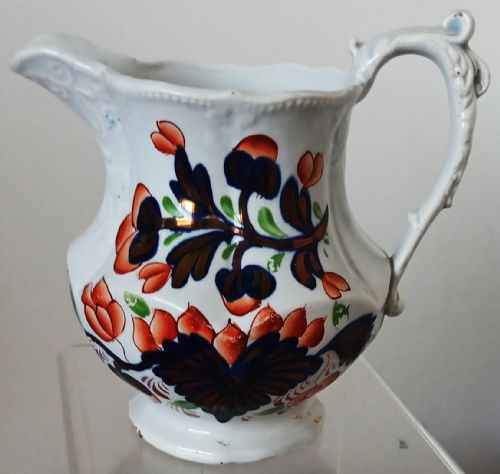
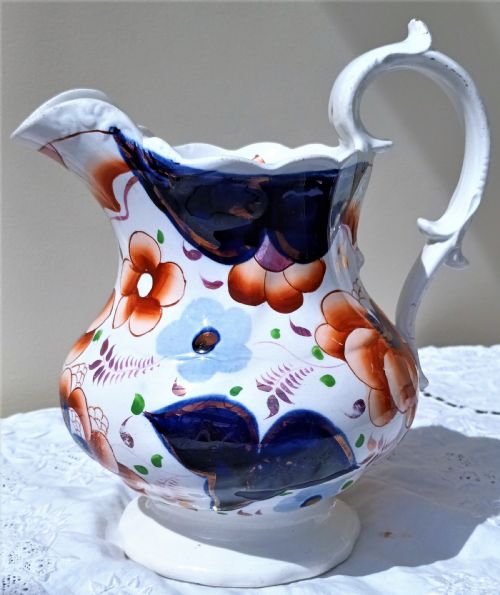
Gaudy Welsh refers to a colourful style of nineteenth-century pottery featuring vibrant cobalt blue, copper lustre, and iron-red floral or geometric patterns. These wares were heavily produced in Staffordshire and Wales for domestic markets.
They are easily recognised by their bright, unapologetic use of metallic lustre combined with hand-painted underglaze elements.
What distinguishes delftware?
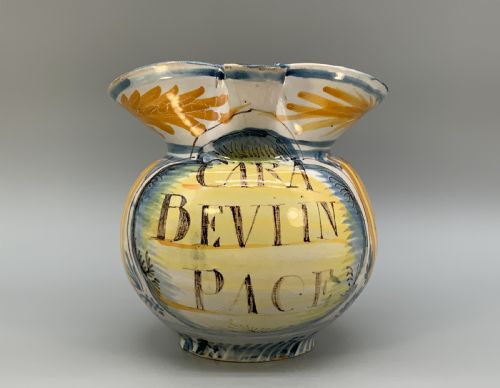
Delftware is characterised by a porous earthenware body covered in an opaque tin glaze, usually painted in blue and white with Dutch or oriental scenes. These pieces often originate from English or Dutch workshops active in the eighteenth century.
The glaze has a characteristic milky opacity that conceals the darker clay body beneath.