
Staffordshire Pottery Jug
These Staffordshire pottery jugs bring robust earthenware forms and lively hand-painted or transfer scenes right to your tabletop.
What they are
A staffordshire pottery jug represents a rich tradition of utilitarian and decorative ceramics spanning the Georgian and Victorian eras. These vessels include everything from small cream jugs to large marriage jugs and characterful figural pieces.
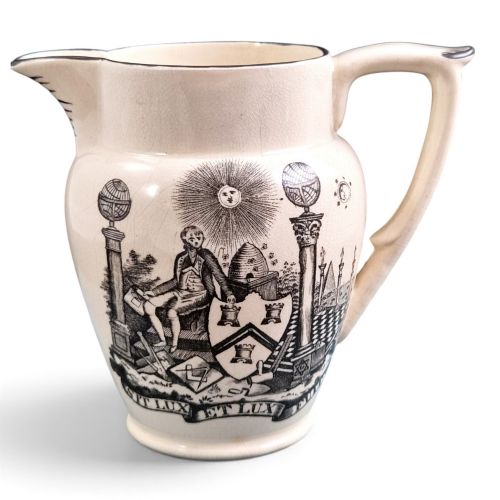
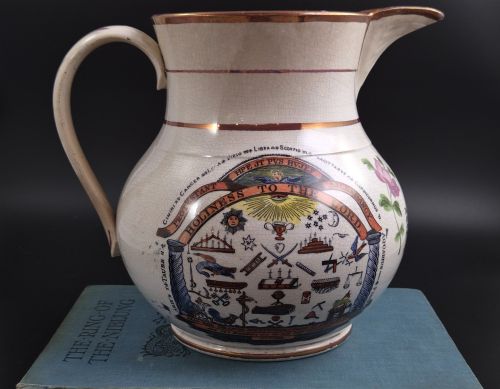
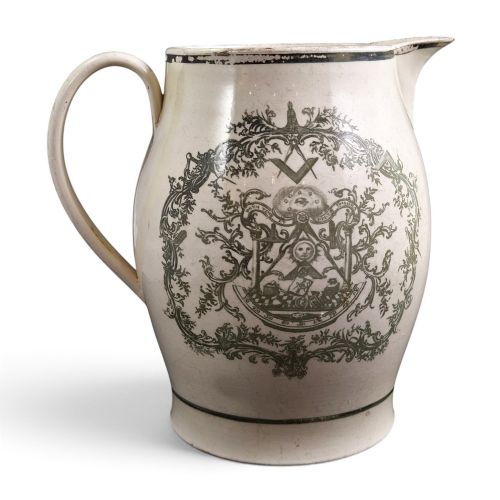
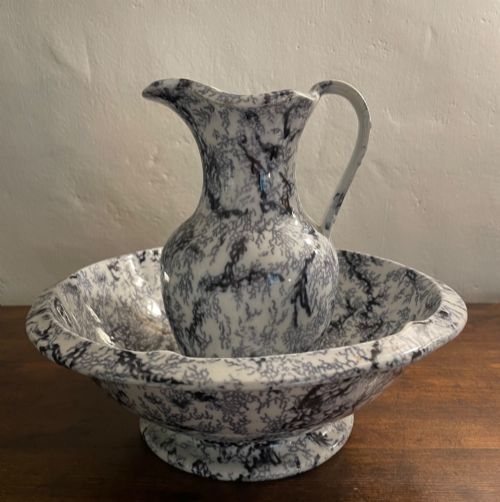
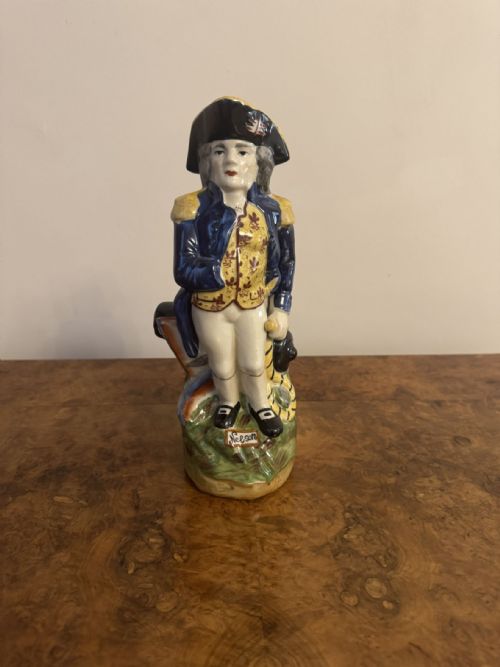
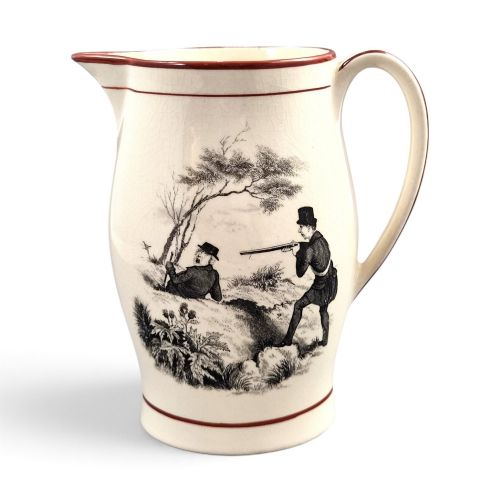
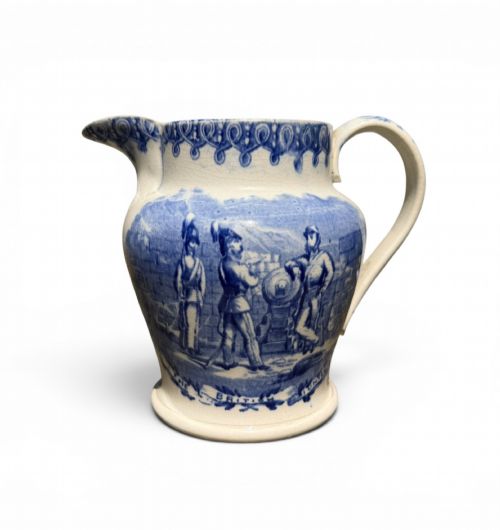
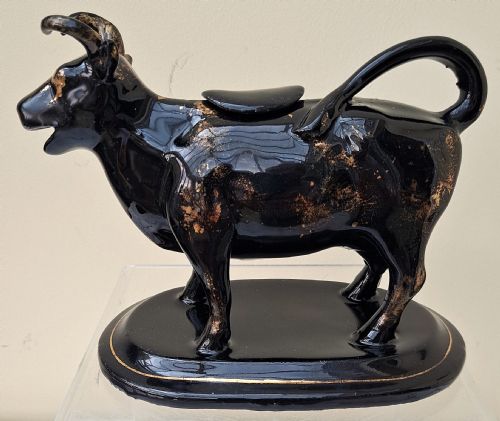
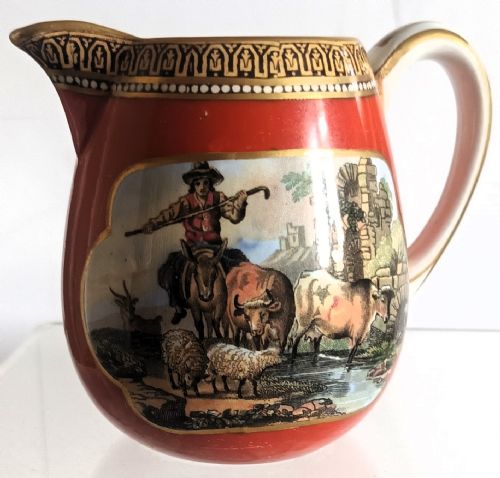
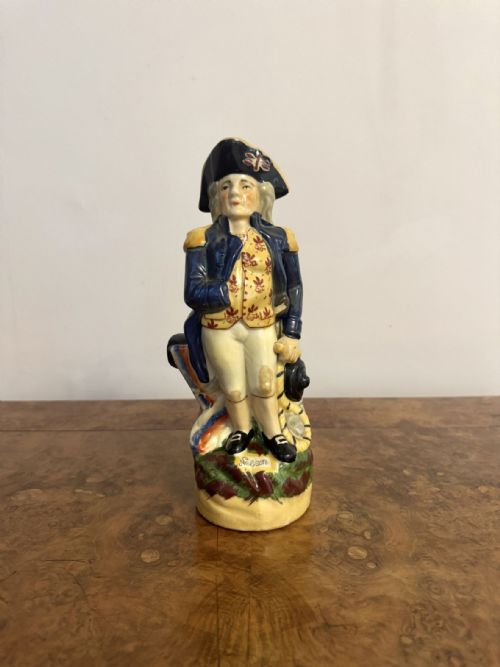
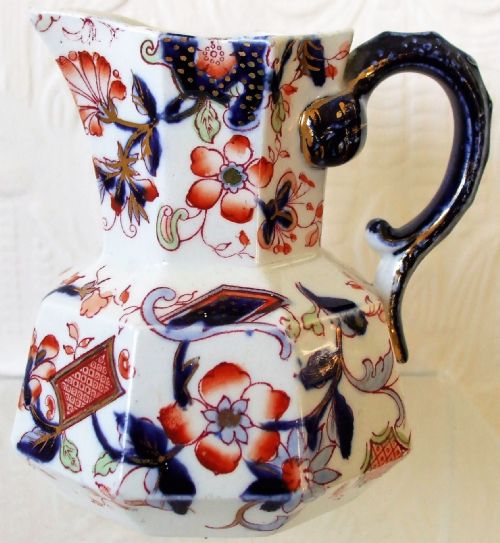
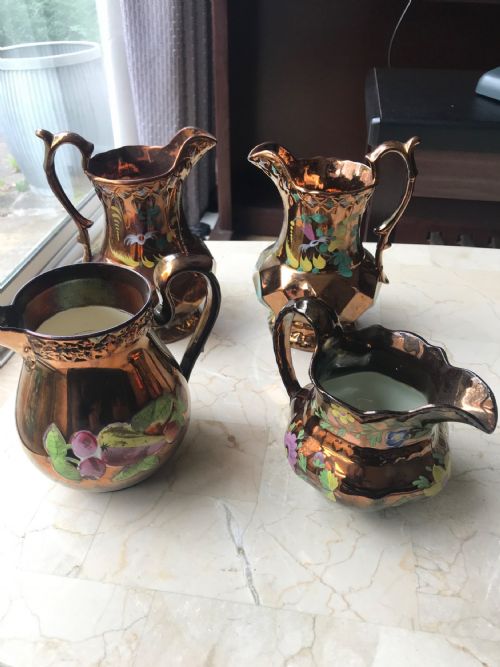
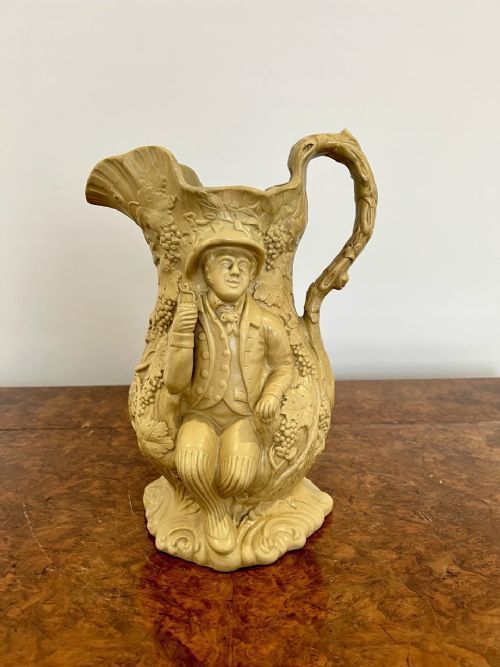
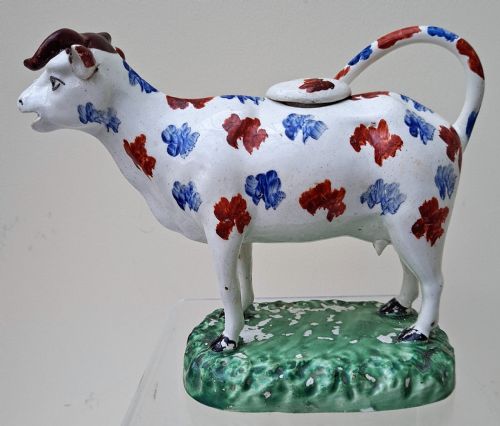
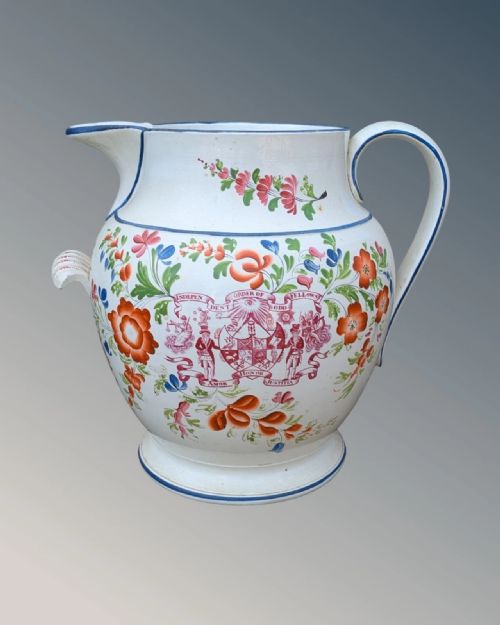
The most common versions met on this page are earthenware and bone china vessels decorated with copper lustre glaze, hand-painted details, or transfer prints. Collectors encounter various forms, including faceted bodies, animal figures, and Toby jugs.
Originating from English potteries, these pieces capture domestic habits and decorative tastes of the nineteenth century. Each item reflects the changing aesthetic preferences across Late Georgian and Victorian periods.
How they were made
Potters utilised earthenware, creamware, and bone china as the primary bodies for these vessels, shaping them on the wheel or in moulds. The surfaces were then treated with glaze, enamel, and occasionally gold gilt to enhance their appearance.
Decoration techniques combined transfer printing with hand-painted polychrome details and lustring. Copper lustre glaze imparted a metallic sheen, while encaustic methods and enamel colours added contrasting patterns to the pottery body.
Retail Price Guide 2026
Typical UK retail prices for staffordshire pottery jug, calculated from the Sellingantiques database of over a million retail prices indexed since 2003. This retail price guide relies exclusively on Sellingantiques data; no external sources or auction records are used, so the figures do not describe the wider market.
Listings feature earthenware, bone china, enamel, and copper lustre glaze across Georgian and Victorian periods.
What varies in quality
Quality reveals itself in the crispness of the modelling and the precision of the hand-painted or transfer-printed details. Finer examples display carefully controlled enamel colours and well-applied copper lustre glazes that catch the light evenly.
The sophistication of the form dictates value, with figural models like Toby jugs or cow creamers requiring greater sculptural skill than simple faceted bodies. Superior pieces maintain balance in proportion and sharpness in relief ornamentation.
Mountford
The Staffordshire Pottery Jug Glossary
- Copper Lustre Glaze
- A metallic glaze containing copper that creates a coppery, reflective sheen over the earthenware body. This finish was especially popular during the nineteenth century for decorative tablewares.
- Creamware
- A refined earthenware developed in Staffordshire featuring a pale yellow or cream-coloured lead glaze. It offered a lighter, more delicate alternative to heavier salt-glazed stonewares.
- Transfer Print
- A decorative technique where an engraved metal plate transfers a design onto tissue paper, which is then stamped onto the ceramic body before glazing. This method allowed for intricate pictorial scenes on jugs and creamers.
- Toby Jug
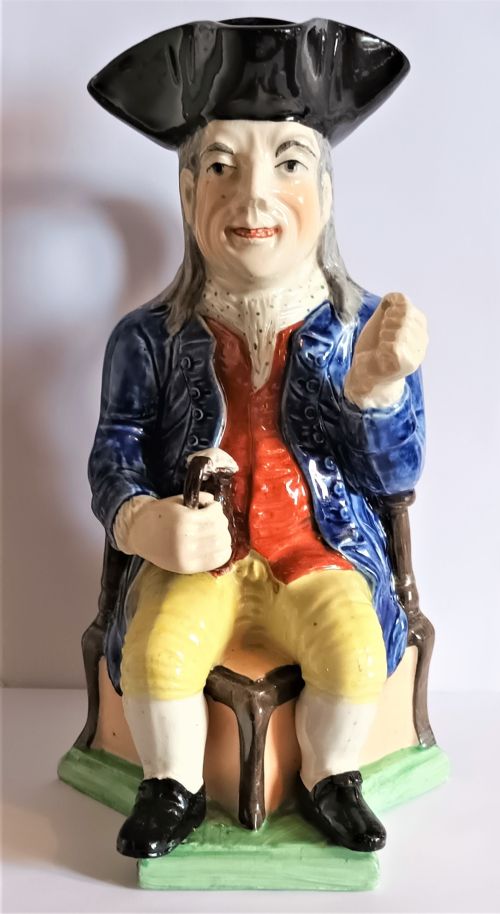
- A pottery jug modelled in the shape of a seated, stout person, typically holding a mug and a pipe. These figural vessels served both functional and decorative roles in English homes.
- Bone China
- A type of porcelain incorporating bone ash that results in a strong, translucent white body. It permits thinner walls than standard earthenware while retaining durability.
Frequently Asked Questions
What periods do these jugs come from?
The pieces span the Georgian and Victorian eras, primarily covering the nineteenth century. Makers produced these items across different decades with distinct decorative styles.
Changes in glazing techniques and pottery bodies help date individual examples accurately.
How were these jugs used originally?
Households utilised smaller cream jugs and pitchers for serving milk or cream at the table. Larger vessels, such as marriage jugs, often marked specific family occasions.
Figural and character jugs served decorative purposes or held beverages during social gatherings.
Are all these pieces made of earthenware?
While earthenware forms the basis for many examples, potters also utilised bone china and creamware. Each material yields a different weight and level of translucency.
Glazes such as copper lustre or gold gilt further alter the surface texture and appearance.
How do I identify a Toby jug?
A Toby jug is immediately recognisable by its figural form depicting a seated, hearty individual in period attire. These pieces often feature a tricorn hat that forms the pouring spout.
Details like facial expressions and painted coats distinguish different character representations.